
Sterling Trucks For Sale in New York
Browse Sterling trucks for sale in New York, including vocational and medium-duty models with Caterpillar, Mercedes, and Allison specs.
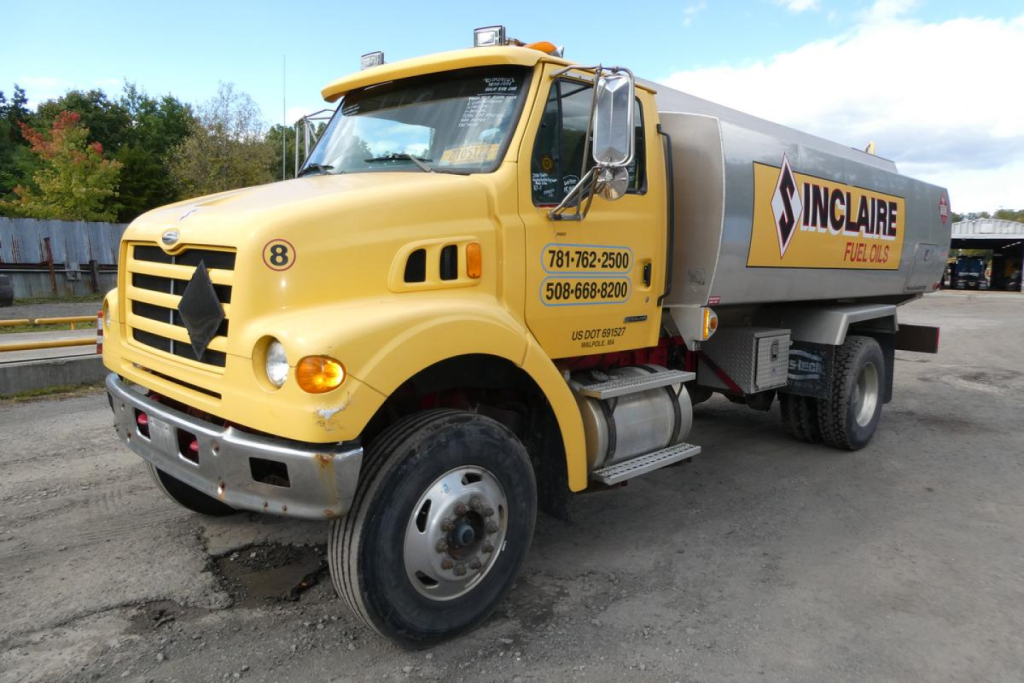
1999 Sterling L7500
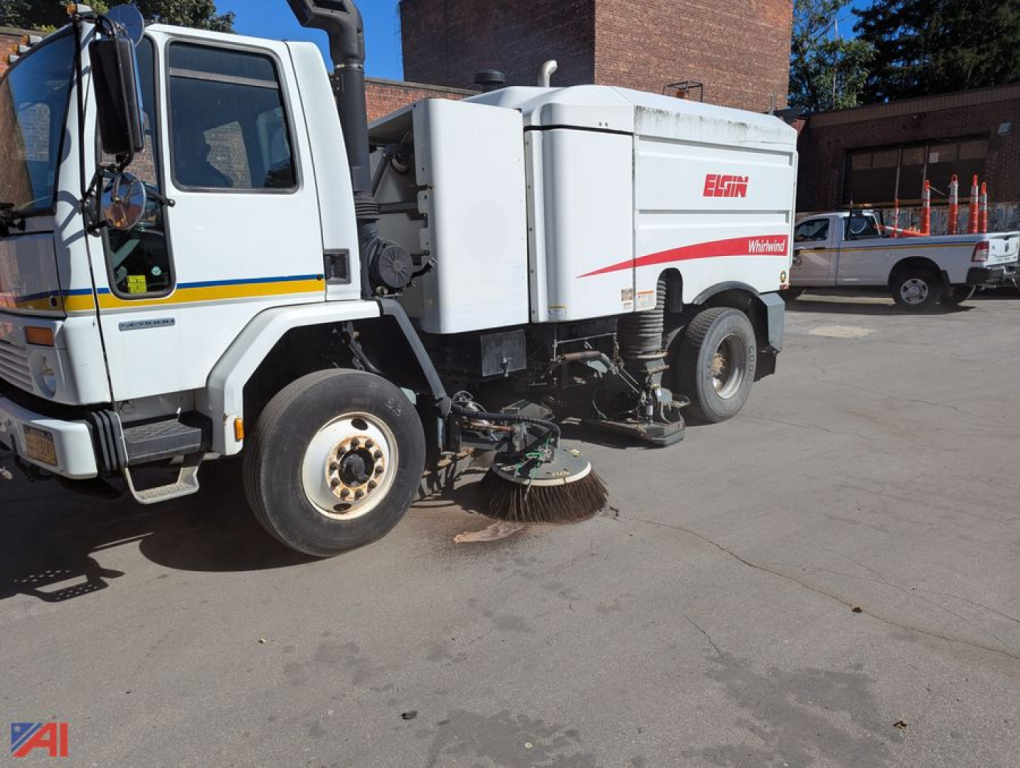
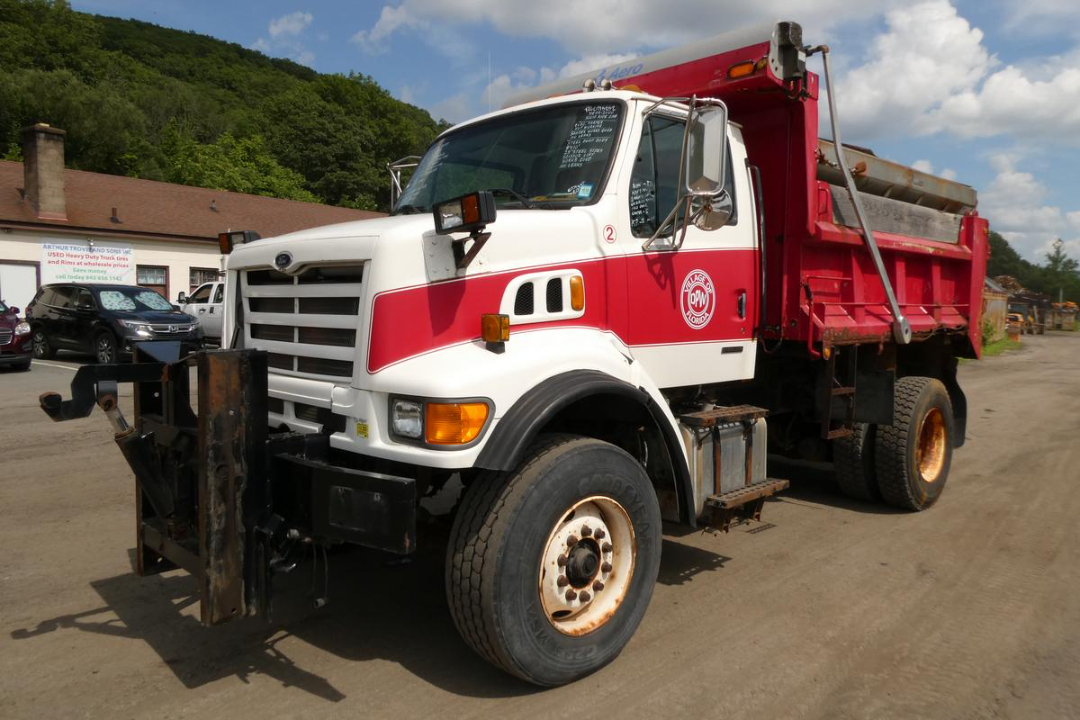
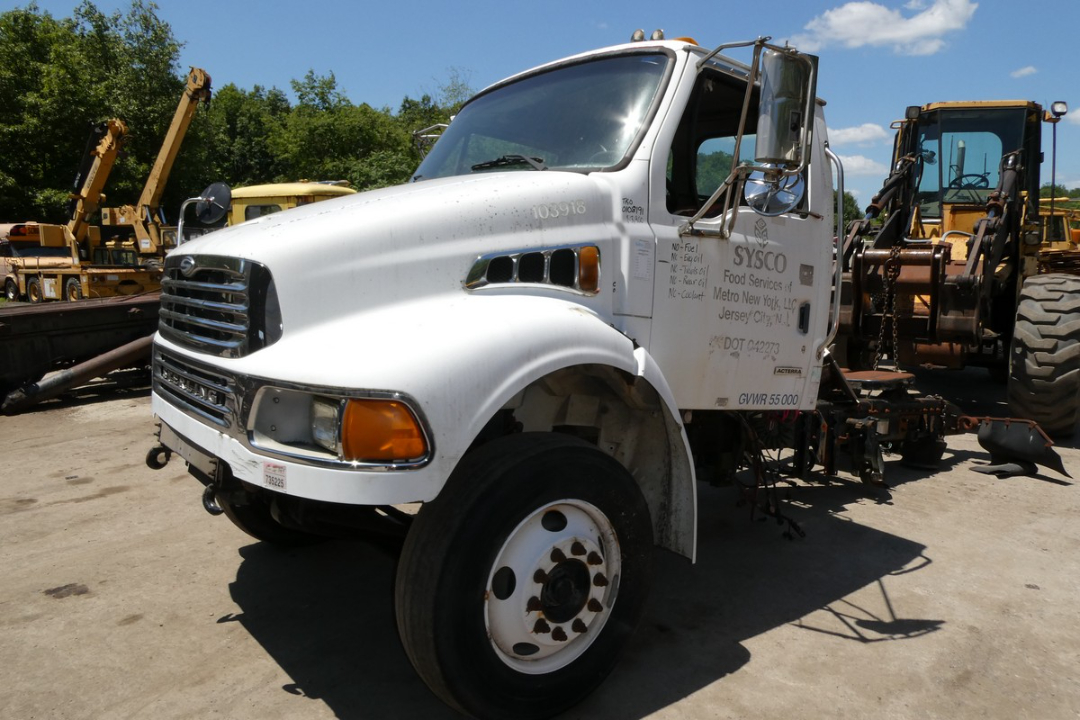
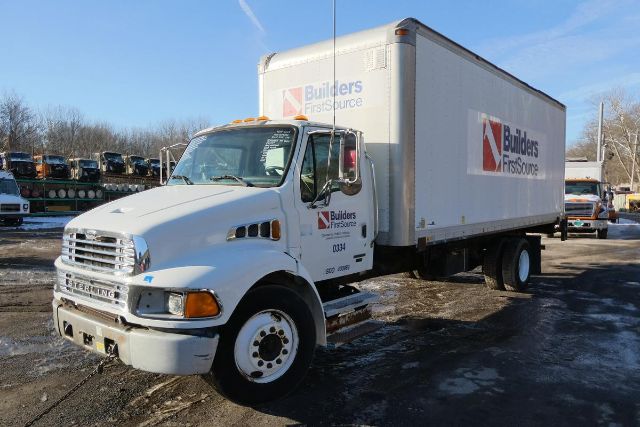
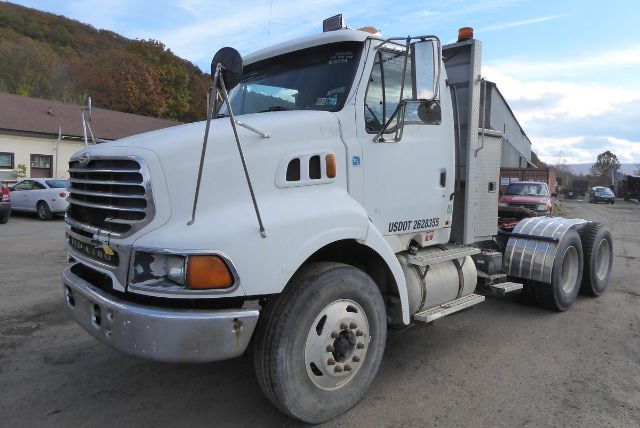
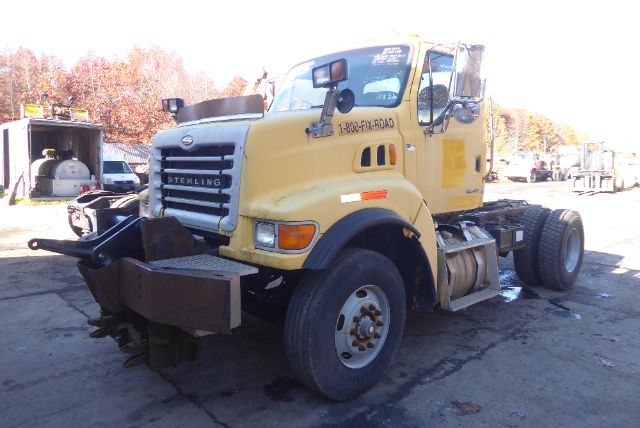
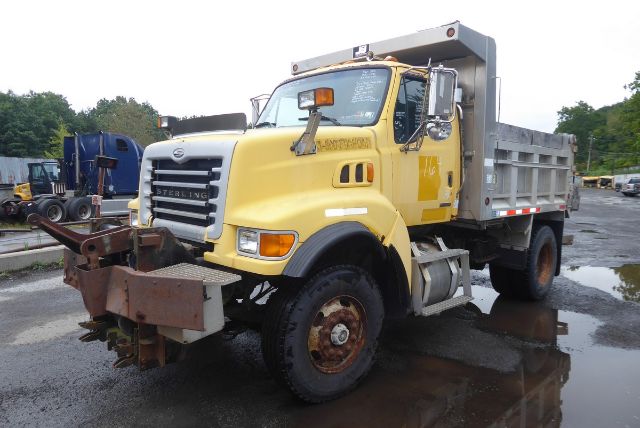
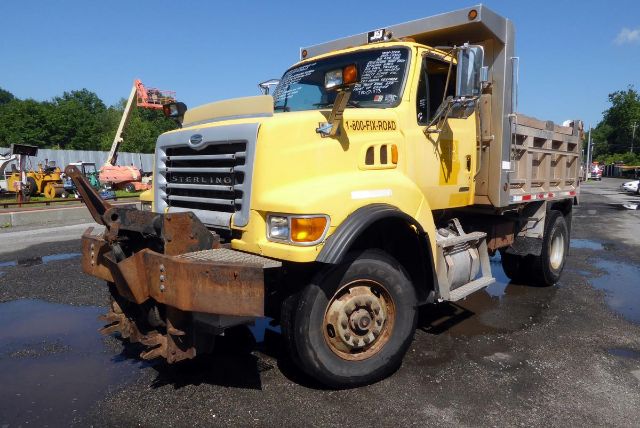
Selling a sterling truck? List your sterling truck for sale and reach thousands of commercial buyers.
Sterling Trucks in New York
A buyer comparing Sterling trucks should look closely at how the chassis was originally built and how it has been used. Many Sterling vocational trucks carry Caterpillar 3126 or C12 power, while some medium-duty Acterra models were equipped with Mercedes engines such as the OM906LA. Transmissions are often Fuller manual gearboxes in 6-speed or 9-speed configurations, though Allison automatics are common on plow, dump, and municipal-spec trucks. Typical specs in this class include front axles from around 8,000 to 16,000 pounds, rear axles from about 17,500 to 40,000 pounds, and GVWRs spanning medium-duty delivery work up to tandem-axle vocational service. Suspension can range from straightforward spring setups to 4-bag air ride, depending on intended duty cycle.
For New York buyers, application matters as much as engine and mileage. An L8500 set up with wetline hydraulics, plow gear, spreader controls, or a dump body is a different purchase decision than an LT9500 day cab with a sliding fifth wheel or an Acterra box truck with a liftgate. Wheelbase, cab-to-axle, and cab-to-end dimensions are especially important if the truck will carry a body, pull equipment, or work in tight municipal routes. Rear ratio also deserves attention. Lower ratios such as 4.56 or 6.14 are common on trucks spec'd for plowing, dumping, or stop-and-go work, while highway-oriented tractors may carry faster gearing. Buyers should also inspect frame condition, brake type, PTO operation, hydraulic performance, and signs of corrosion from road salt exposure, which is a real factor in the Northeast.
Sterling trucks are no longer in production, but parts and service support remain manageable because many were built with widely used driveline components from Caterpillar, Mercedes, Fuller, Allison, Rockwell, and Hendrickson. That makes them attractive as value-focused work trucks, especially when the buyer understands the truck's original vocation and current mechanical condition. A well-matched Sterling can still serve effectively as a dump truck, box truck, crane truck, plow truck, cab and chassis platform, or regional day cab, provided the spec matches the job and the truck is evaluated like the vocational asset it is.
Frequently Asked Questions about Sterling Trucks in New York
What are the most common Sterling truck models buyers see on the used market?
The most common Sterling trucks on the used market are the Acterra, L8500, and LT9500. The Acterra is typically a medium-duty platform used for box trucks, stake bodies, and local delivery applications. The L8500 is often found in vocational roles such as dump, plow, spreader, or cab and chassis service. The LT9500 is more commonly a heavy conventional truck used as a day cab, tractor, or crane and equipment platform. Model choice should be driven by axle ratings, frame spec, and intended application rather than badge alone.
Are Sterling trucks still a good buy even though the brand is discontinued?
Sterling trucks can still be a good buy because many were built with mainstream engines, transmissions, axles, and suspension components that remain serviceable through normal parts channels. Buyers should focus less on the discontinued brand name and more on the exact powertrain and chassis spec. A Sterling with a Caterpillar engine, Fuller transmission, Rockwell rears, or Allison automatic can be easier to maintain than some buyers expect. The real issue is condition, especially frame corrosion, electrical condition, hydraulic function, and evidence of hard municipal or construction use.
What should I check first on a used Sterling dump truck or municipal-spec chassis?
Start with the frame, hydraulics, PTO operation, and corrosion level. New York trucks that handled snow, salt, or winter road service can have significant rust on frames, spring hangers, crossmembers, cab mounts, and body supports. Verify that the dump hoist, plow hydraulics, spreader circuits, wetline, and tailgate functions operate correctly. Check rear ratio, suspension type, brake system condition, and steer axle rating to make sure the truck matches the body and payload requirements. On municipal units, idle hours and accessory system wear can matter as much as odometer miles.
Which engines and transmissions are common in Sterling trucks?
Sterling trucks were commonly equipped with Caterpillar engines such as the 3126 and C12, and some medium-duty models used Mercedes engines like the OM906LA. Manual transmissions are frequently Fuller 6-speed or 9-speed units, while Allison automatics are common in vocational and municipal service. The best combination depends on the work. A manual transmission may suit dump, tractor, or contractor use where simplicity matters, while an Allison automatic is often preferred for plow work, stop-and-go routes, and drivers rotating through the truck.
What specs matter most when buying a Sterling truck for vocational work?
The most important specs are GVWR, axle ratings, wheelbase, cab-to-axle, rear ratio, suspension, and PTO or hydraulic configuration. These details determine whether the truck can legally and effectively handle the intended body, payload, and route type. For example, a dump or plow truck needs the right front axle capacity, gearing, and hydraulic setup, while a box truck needs the correct wheelbase, body length, and liftgate compatibility. On a day cab or tractor, buyers should pay close attention to rear axle capacity, fifth wheel setup, and suspension type.