
Dump Trucks For Sale in New York
Dump trucks for sale in New York. Compare tandem, tri-axle and quad specs, bodies, axles and powertrains for construction, asphalt and aggregate hauling.
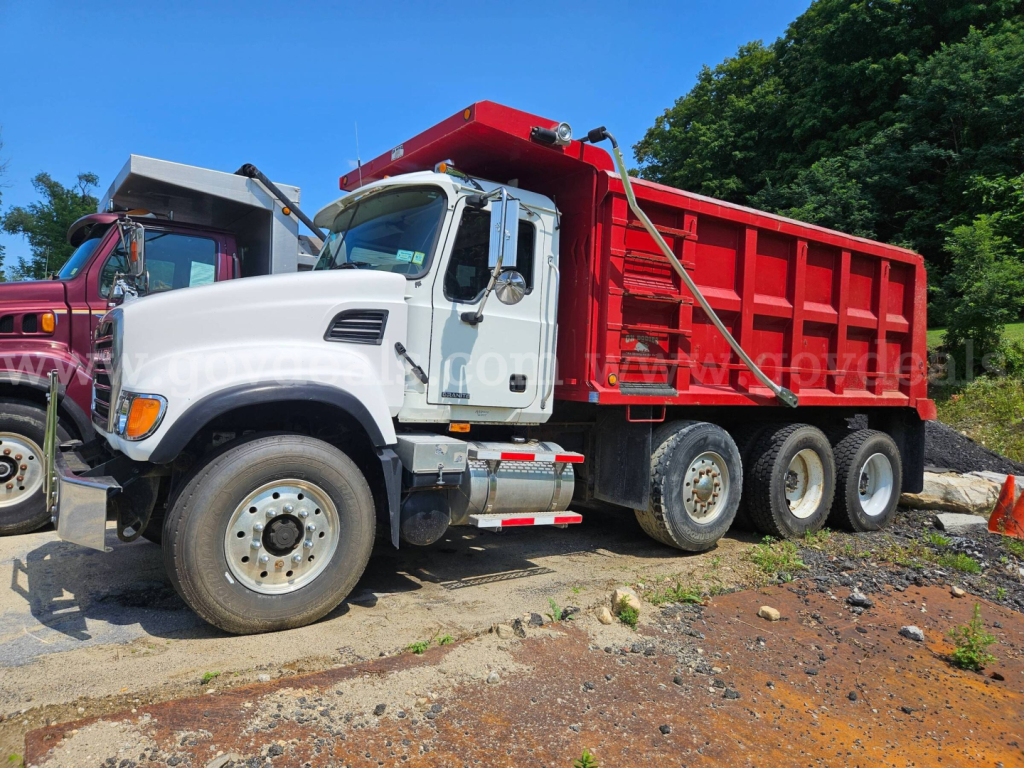
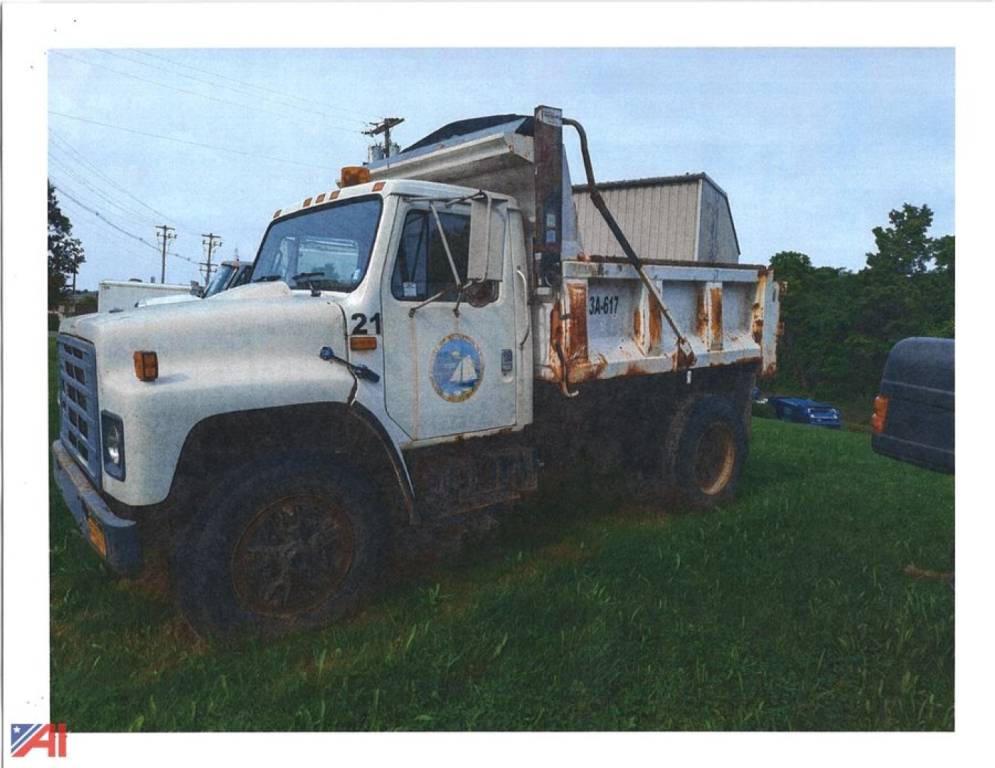
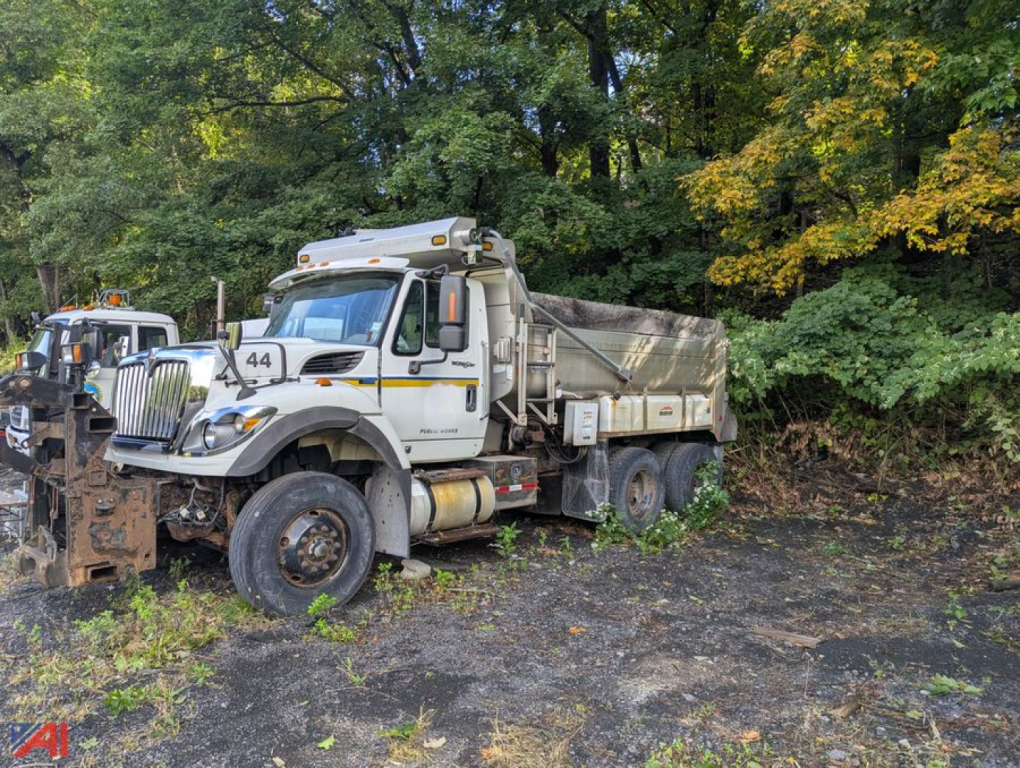
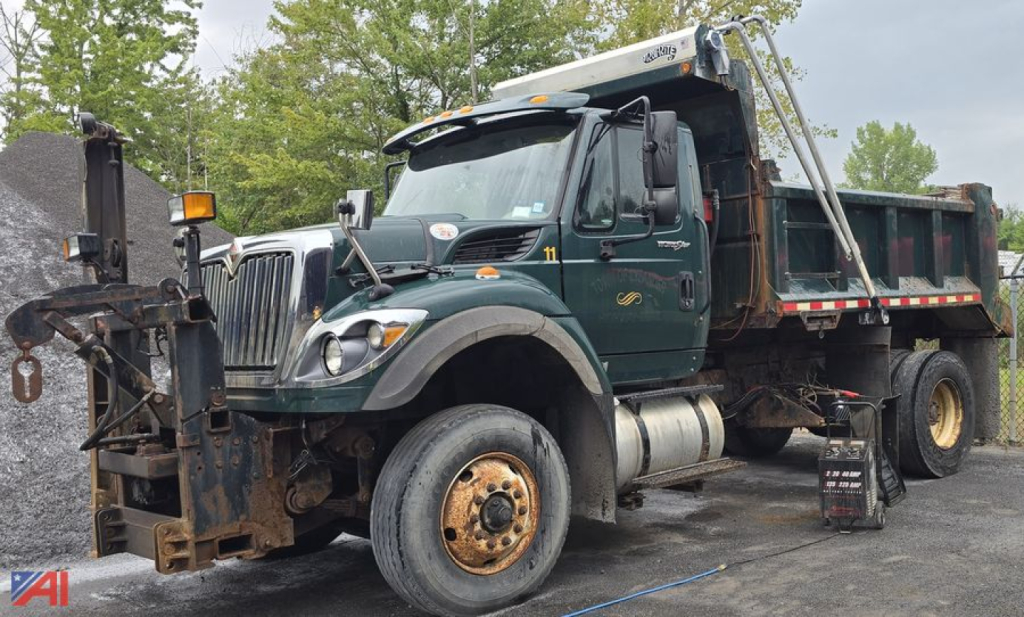
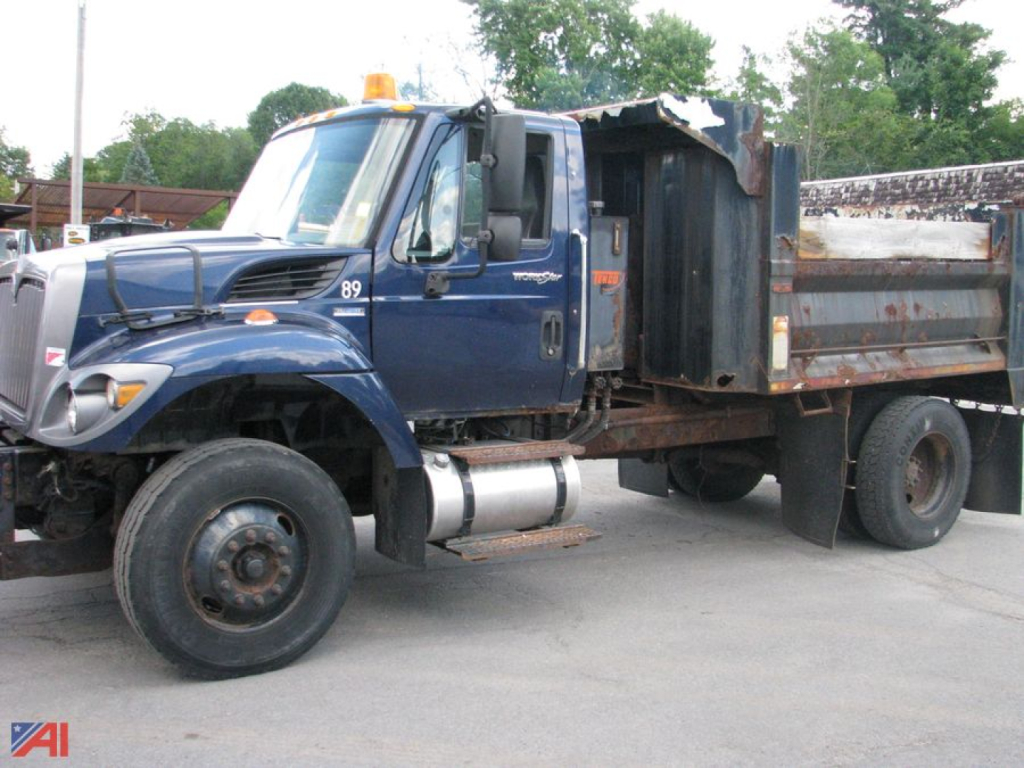
2012 International SF537 WorkStar 7500
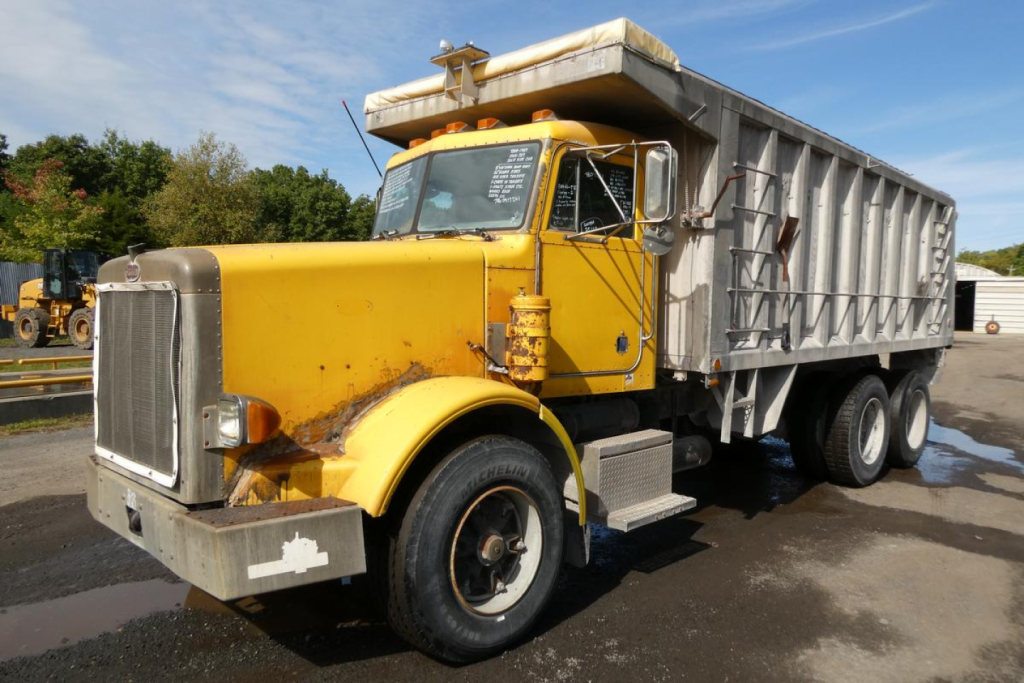
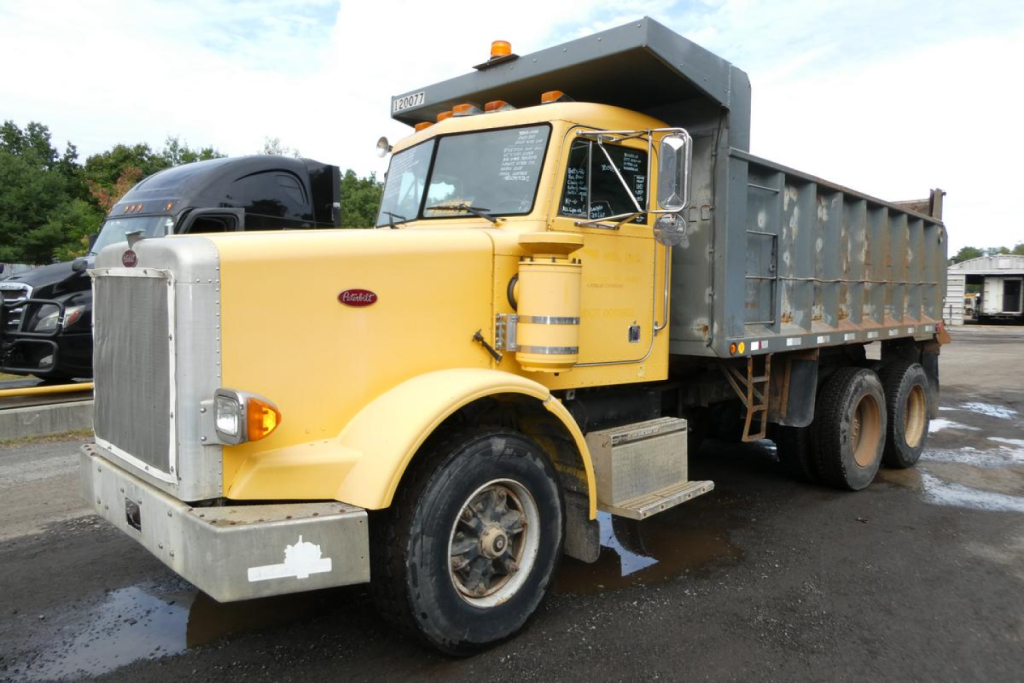
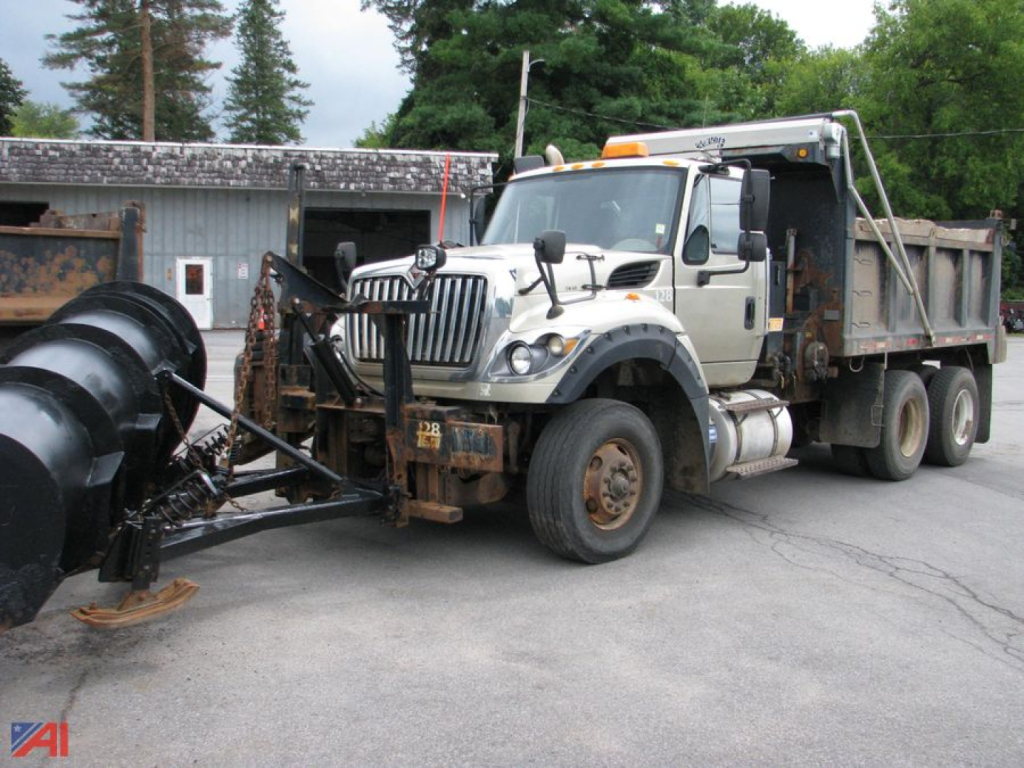
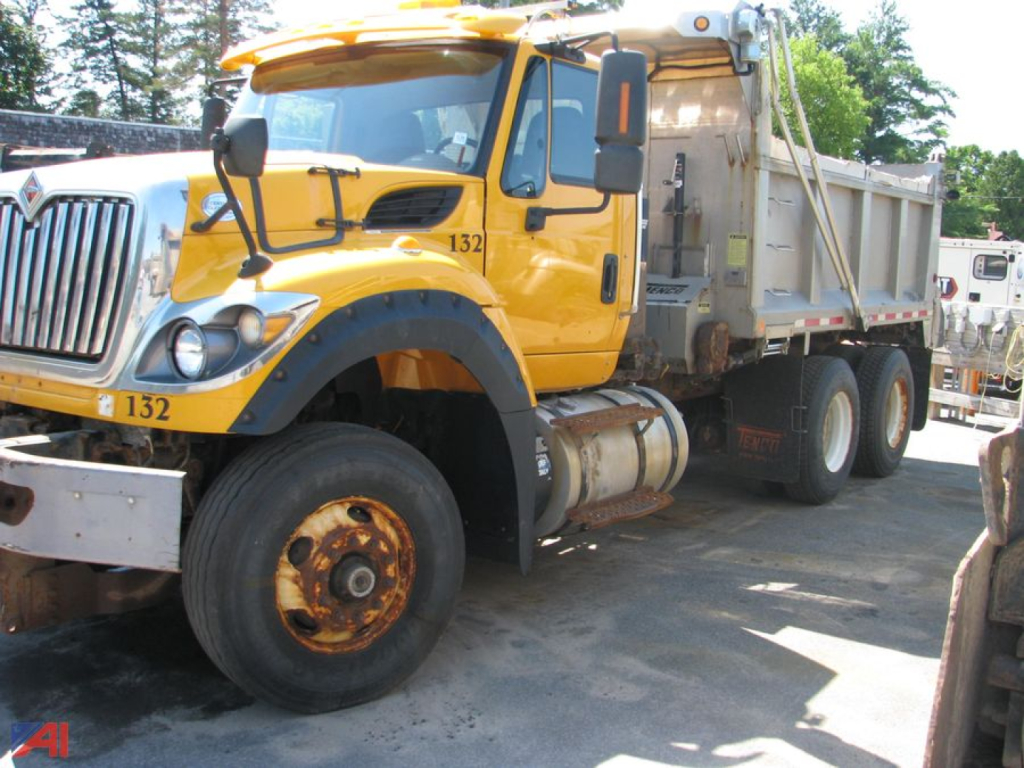
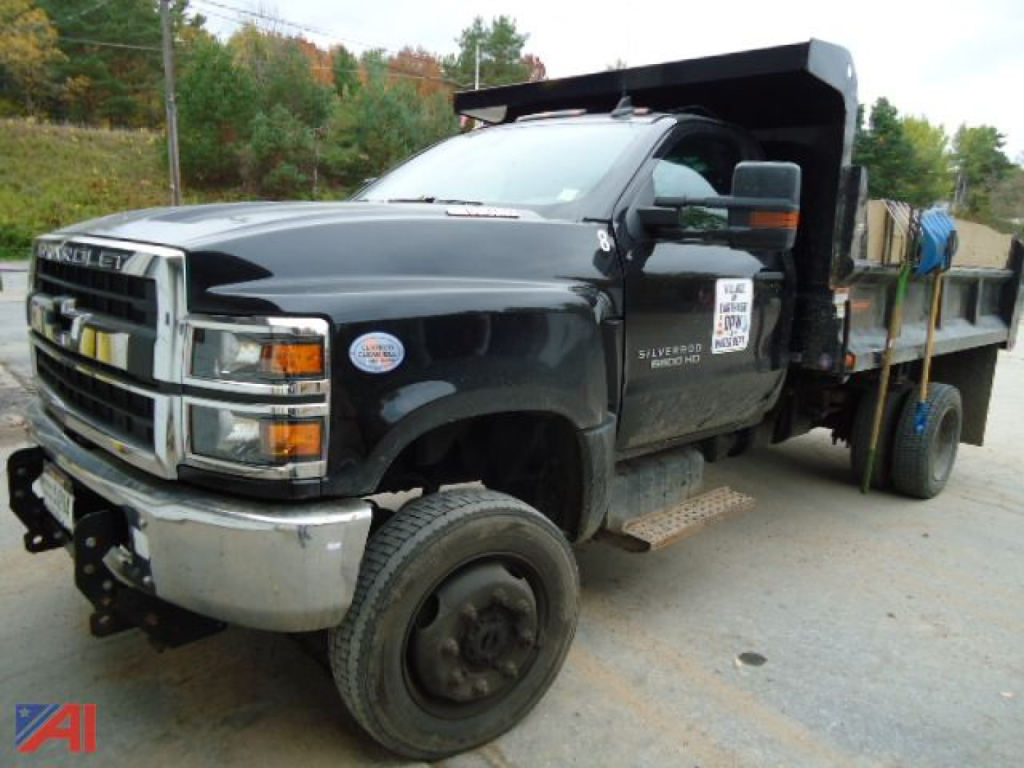
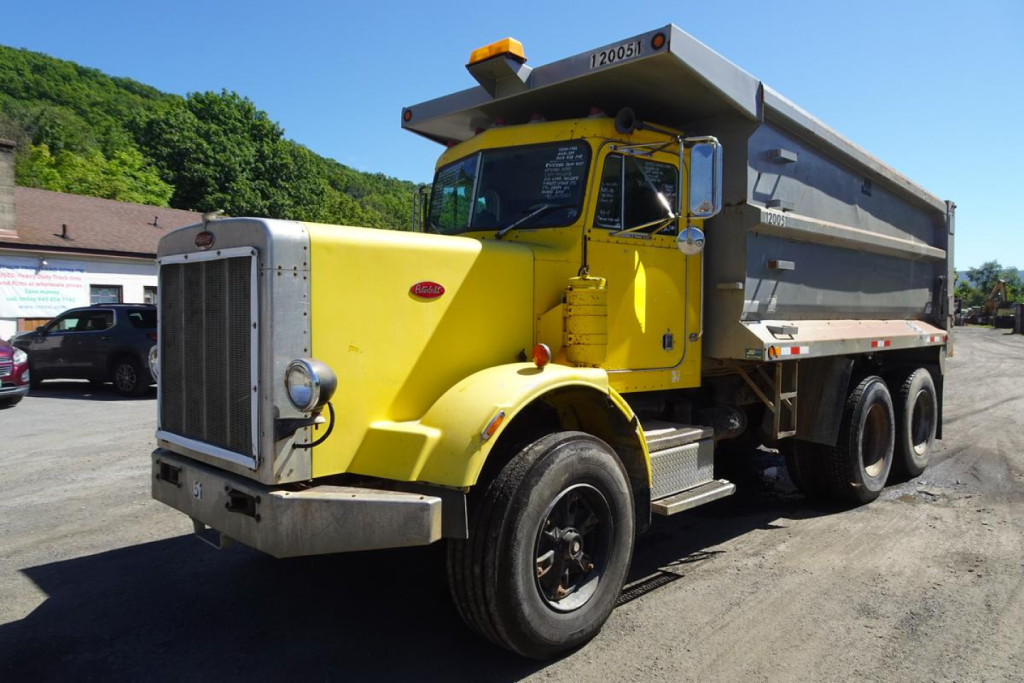
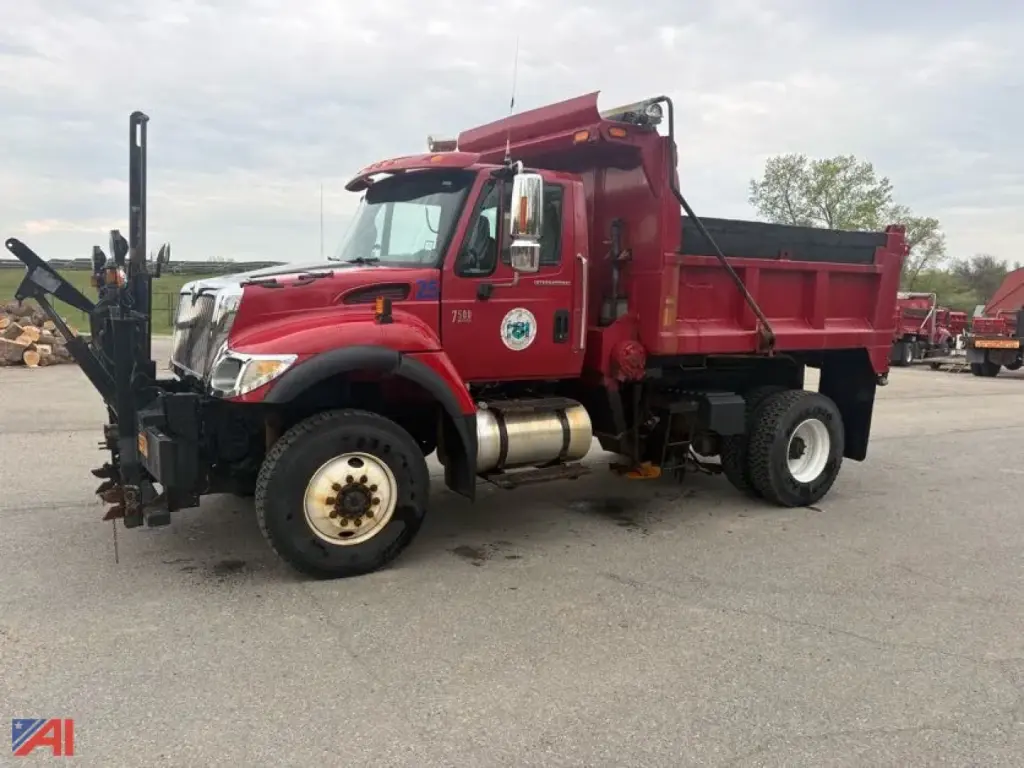
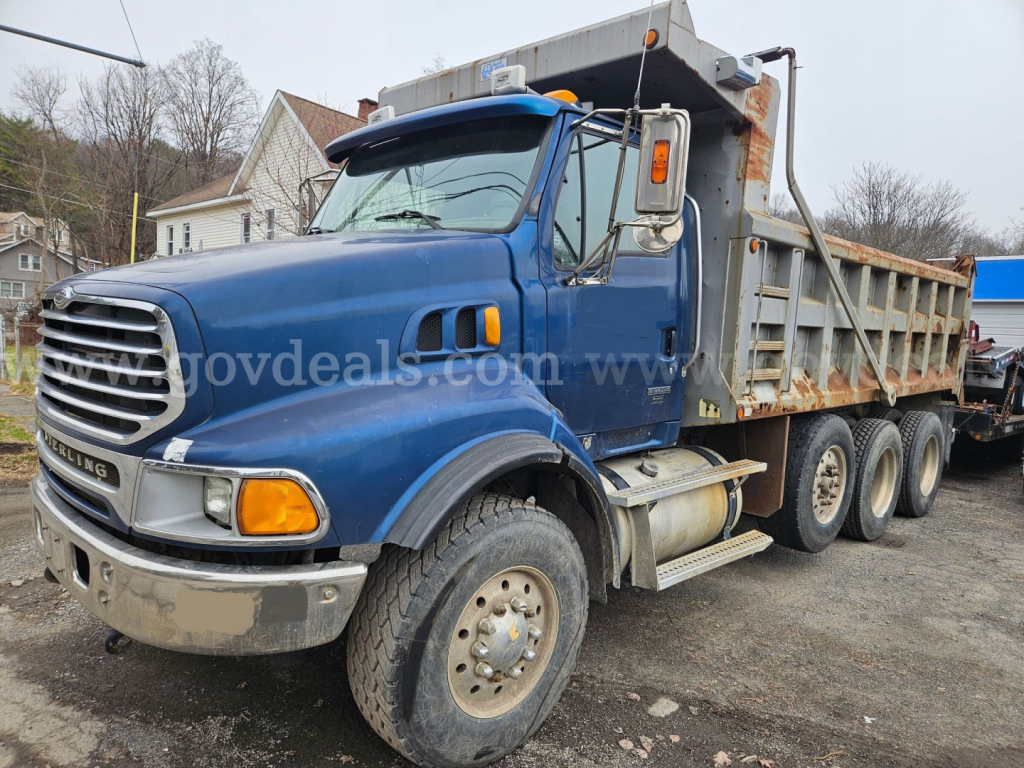
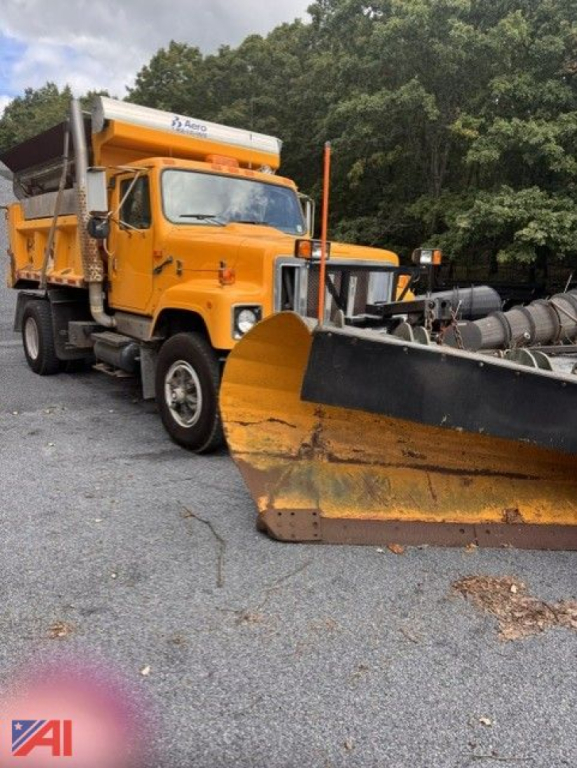
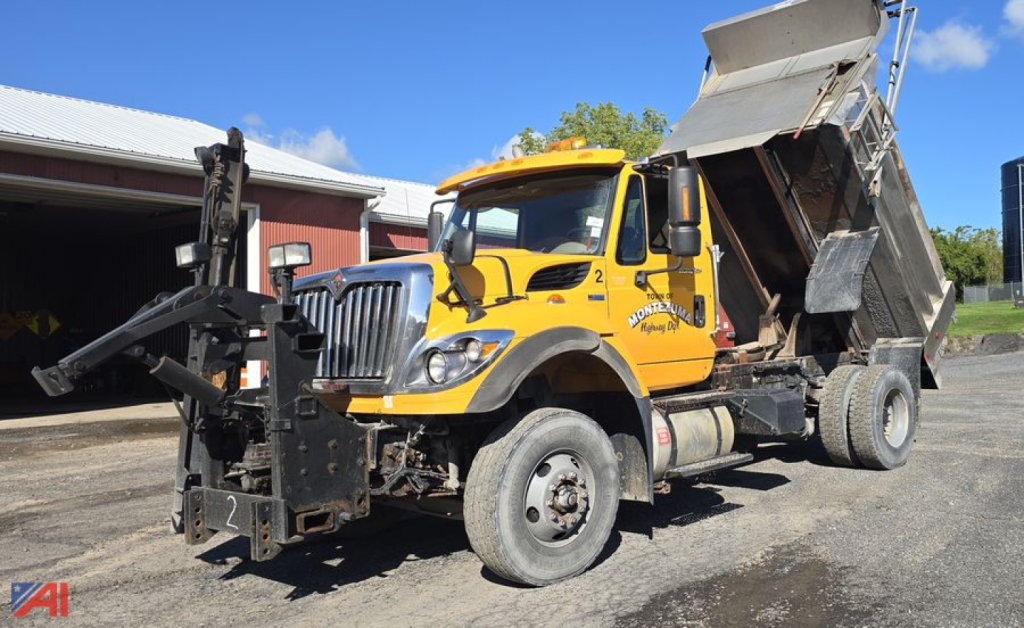
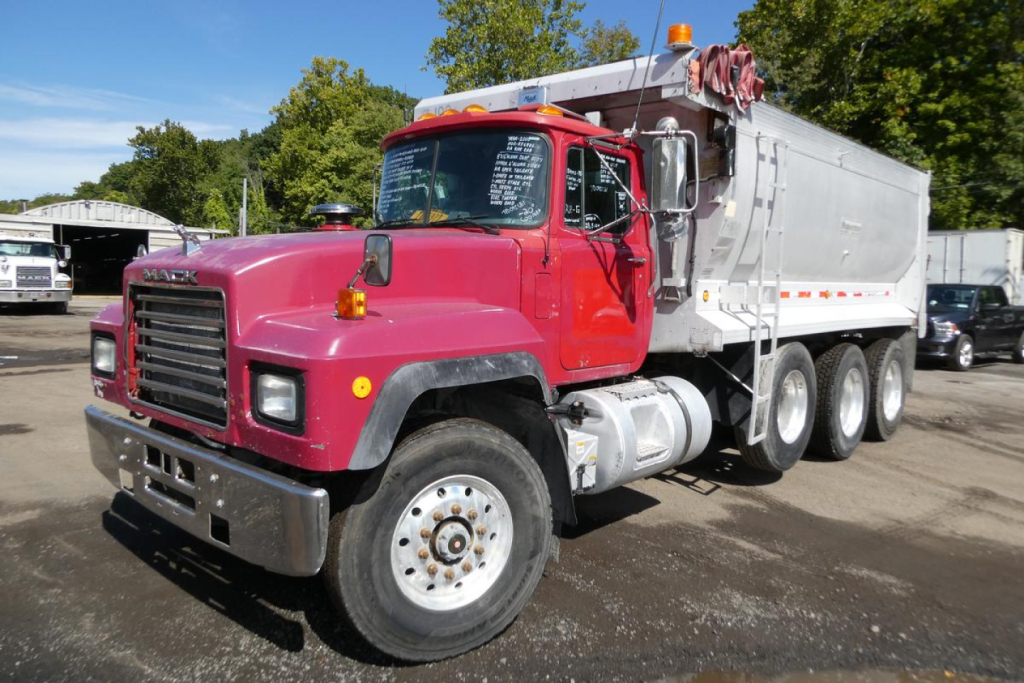
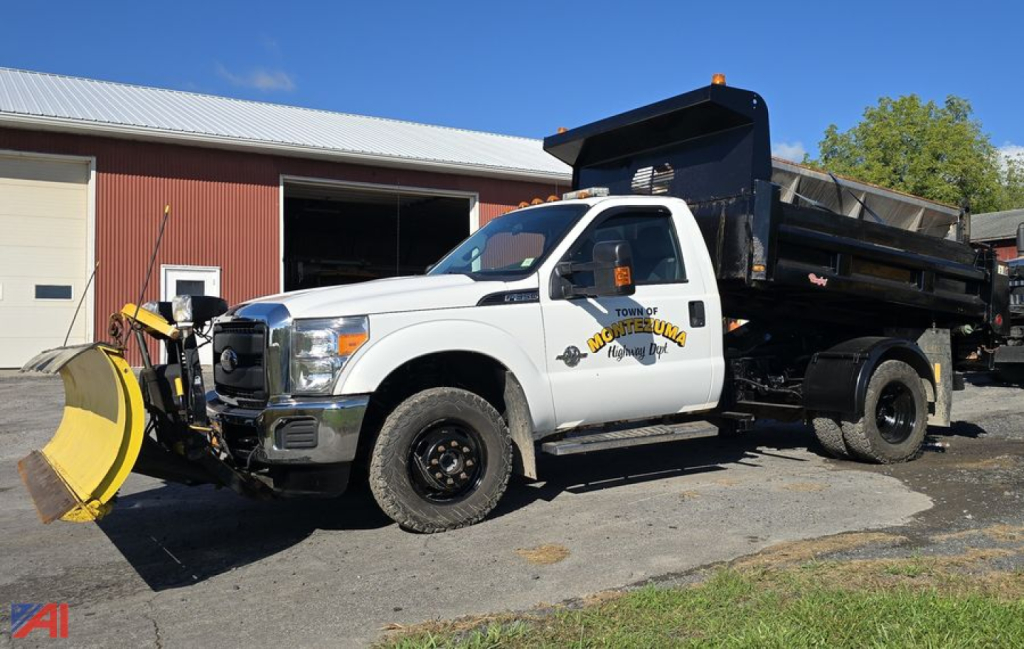
Showing 1 to 28 of 57 results
Selling a dump truck? List your dump truck for sale and reach thousands of commercial buyers.
Dump Trucks in New York
Body selection drives productivity and maintenance. Steel bodies, often AR400 or similar, take abuse from blasted rock and demo loads. Aluminum cuts tare weight for higher legal payload and corrosion resistance, common for sand and asphalt. Body lengths run about 10 to 20 feet with capacities around 10 to 16 yards heaped, depending on material. Front-mounted telescopic hoists lift fast and keep the chassis stable, while underbody scissor hoists simplify service on some medium-duty specs. Options that matter in New York paving and municipal work include insulated bodies, high-lift or asphalt gates to feed a paver, coal chutes, electric or air flip tarps, bed liners, and load scales. Winters and road salt push many fleets toward stainless hardware, sealed harnesses, undercoating and aluminum or stainless boxes to slow corrosion.
Powertrain choices balance startability, gradeability and fuel cost. Engines in the 350 to 500 hp range with 1,250 to 1,850 lb-ft handle most tandem through quad specs. Manual 8LL or 10/13-speed gearboxes give precise control on soft jobsites, while Allison 4500/4700 series automatics shine in stop-and-go NYC traffic and paving work where consistent creep is valuable. Axle ratios from roughly 4.10 to 5.38 are common in mixed on-off highway service. Look for full locking rears, inter-axle power dividers, heavy-duty vocational suspensions like Hendrickson Haulmaax or Chalmers, or multi-leaf and camelback on severe duty frames. Front axle ratings of 16k to 20k with 315/80R22.5 steers are typical for heavy front loads with plow gear or high-capacity bodies. A reliable PTO and pump are essential for fast, repeatable dump cycles, and wet kits are a plus if a pup or trailer is in the plan.
Compliance and lifecycle cost matter as much as spec. Post-2010 trucks with DPF and SCR systems require attention to regen strategy on short cycle routes, but they deliver cleaner operation and often better fuel burn than early DPF-only units. Inspect frame rails for rust jacking, body crossmembers for cracking, hoist trunnions for play, hinge pins and bushings, and tailgate seal condition. Verify tarp operation, brake lining life, tire inflation systems if equipped, and any central hydraulics used for plow and spreader duty. Also known as an end dump or tipper, a well-matched dump truck in New York should balance legal payload, maneuverability, durability and cold-weather resilience so it stays productive from Long Island paving crews to upstate quarry hauls.
Frequently Asked Questions about Dump Trucks in New York
What dump body material is best for New York work?
For heavy demo and shot rock, AR steel resists impact and abrasion. For asphalt, sand and salt, aluminum saves weight and resists corrosion, often adding 800 to 1,000 pounds of payload over comparable steel. Many fleets pair aluminum bodies with stainless hardware, sealed wiring and undercoating to combat winter road salt. For year-round paving, consider insulated aluminum or steel with high-lift gates and an asphalt apron.
How many axles do I need to be legal in New York?
Tandems cover a wide range of local hauling, but tri-axle and quad configurations with proper spacing and lift axles can increase legal payload under the bridge formula. The best choice depends on route, material density and jobsite access. Urban work often favors shorter wheelbases with a steerable lift axle, while longer regional hauls may justify quads or a pup trailer. Always confirm axle weights and spacing with NY guidelines or a permit service for your exact routes.
Should I choose an automatic or a manual transmission for dump work?
Automatics like the Allison 4500/4700 reduce driver fatigue, deliver smooth low-speed control when feeding a paver, and excel in stop-and-go city traffic. Manuals such as an 8LL or 13-speed offer excellent control on soft, uneven jobsites and steep off-road approaches. Many mixed-duty fleets lean toward automatics for driver availability and consistency, then gear the axles to maintain startability on grades.
What are key inspection points on a used dump truck?
Check frame rails for rust, scaling or evidence of prior reinforcements, inspect hoist cylinders for leaks and staging smoothness, and examine hinge pins, bushings and tailgate hardware for wear. Look for cracks in body crossmembers, floor and doghouse, verify PTO engagement and pump pressure, and test tarp operation. Review aftertreatment history on newer trucks, including DPF cleaning and SCR faults, and measure brake lining, drum or rotor condition and tire tread across all positions.
Can a dump truck be set up for winter plow and spreader duty in New York?
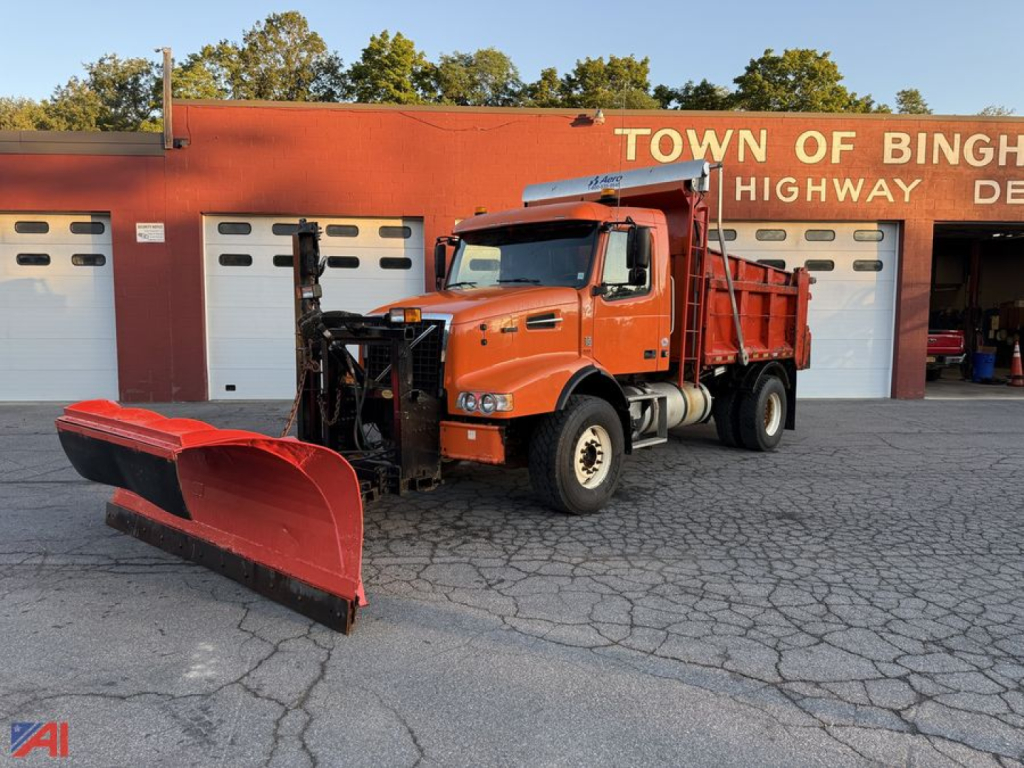
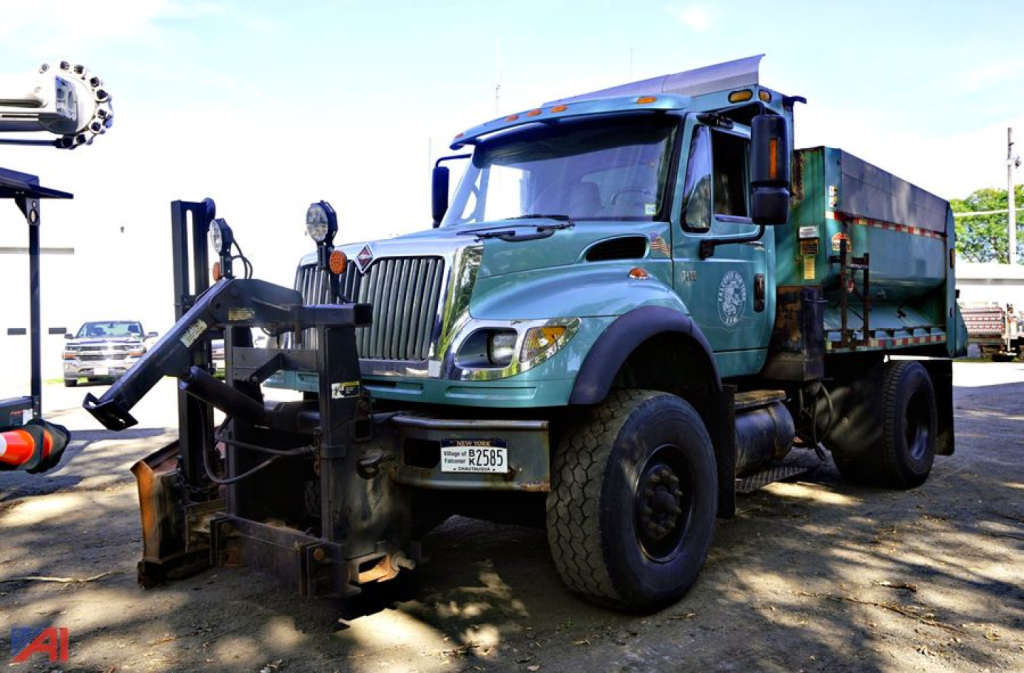
Yes. Many vocational chassis are ordered with front frame extensions, heavier front axles, central hydraulics and plow hitches. Bodies can be paired with tailgate or under-tailgate spreaders, and stainless components help with salt exposure. Verify hydraulic flow and control valves support both dump and winter equipment, and plan for lighting, strobe packages and heated mirrors for storm operations.