
International Dump Trucks For Sale in New York
Shop International dump trucks for hauling, municipal work, plowing, and site jobs. Compare GVWR, axle setups, body specs, and hydraulic systems.
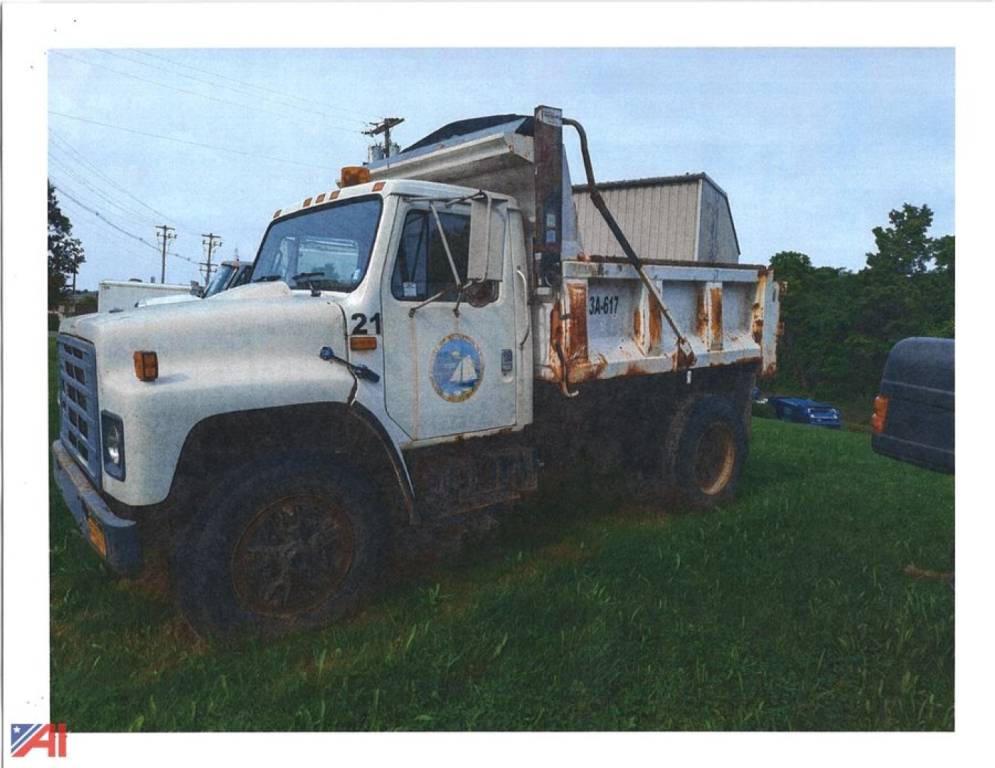
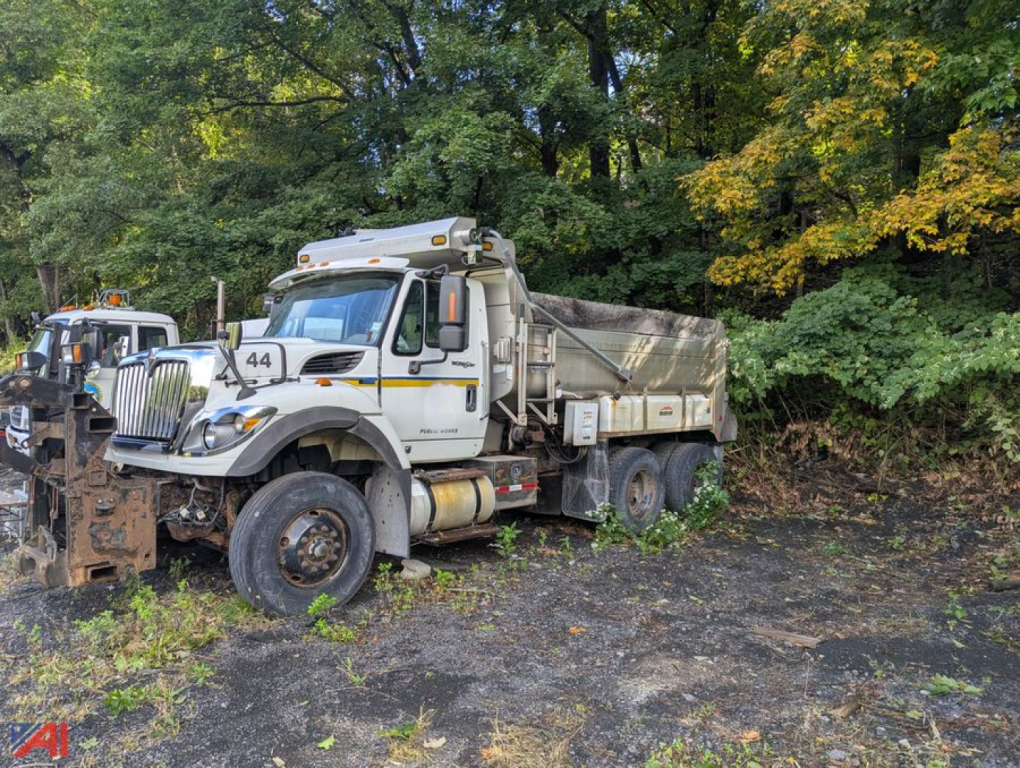
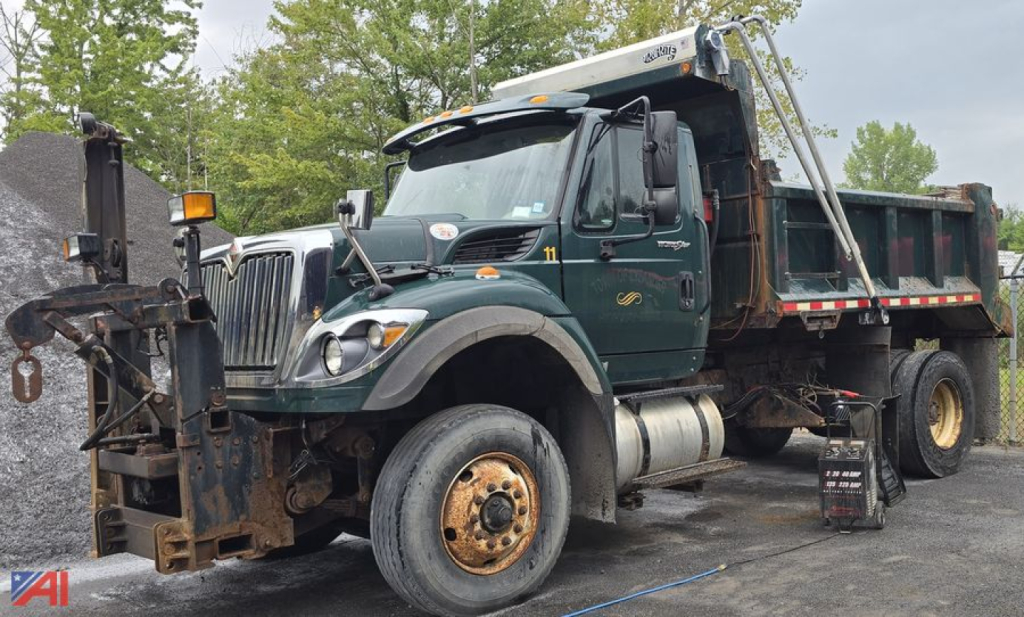
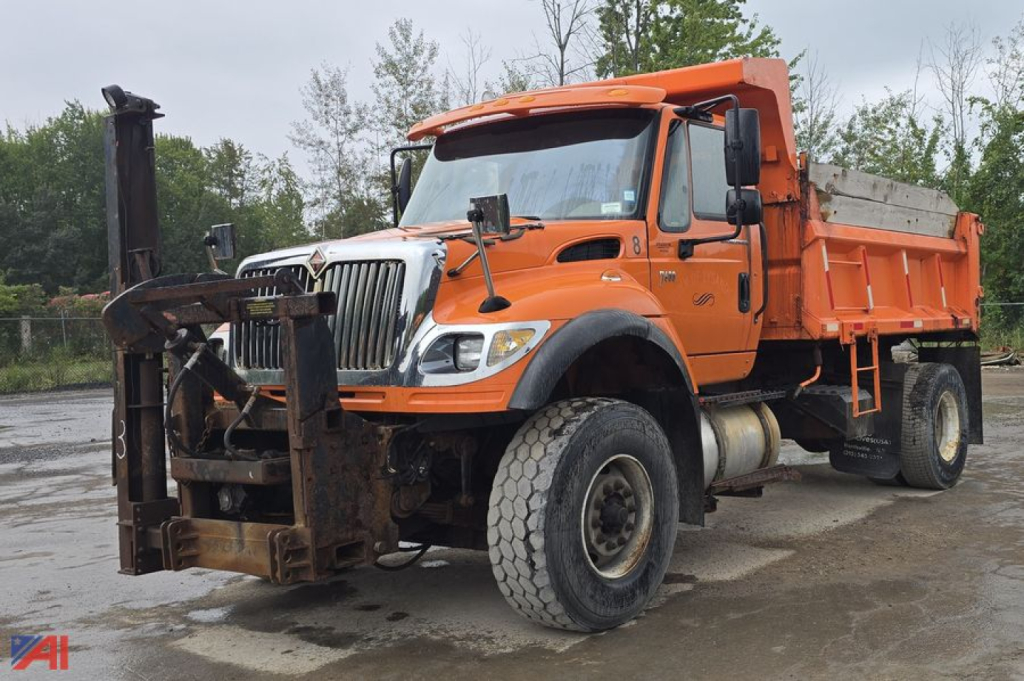
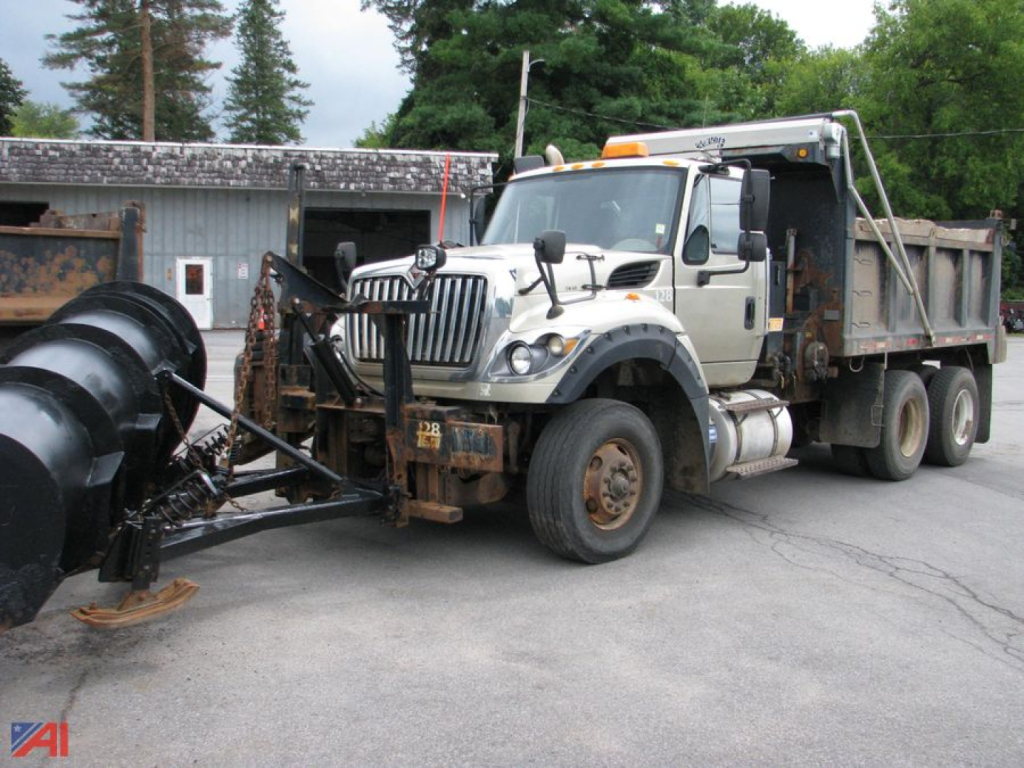
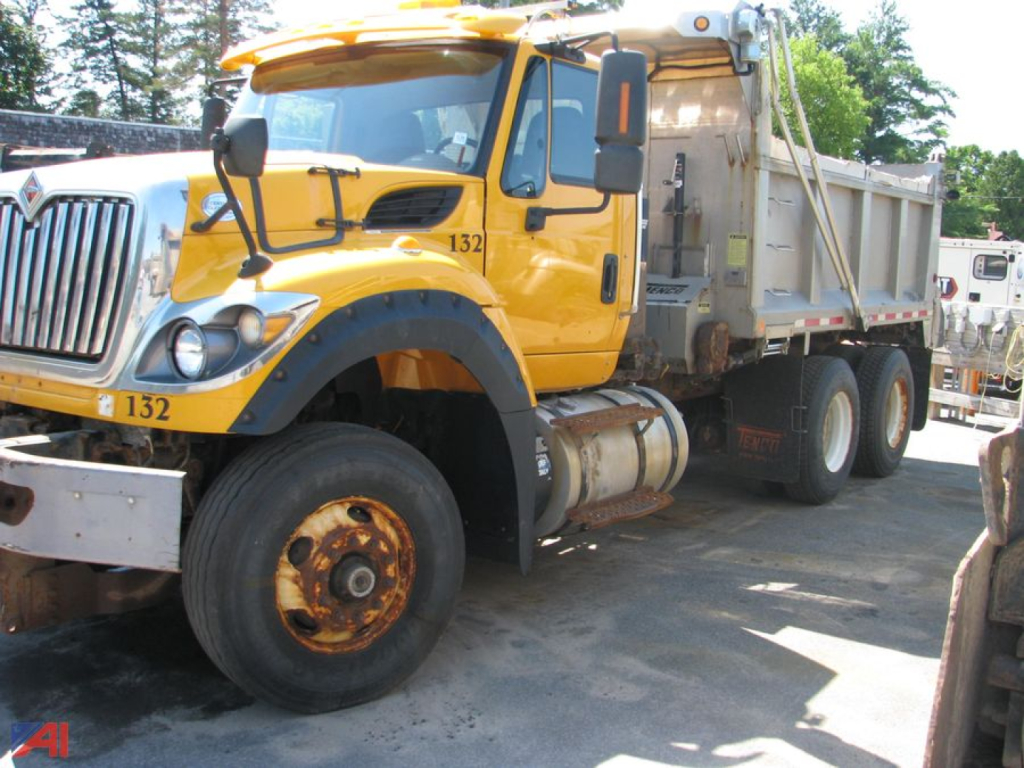
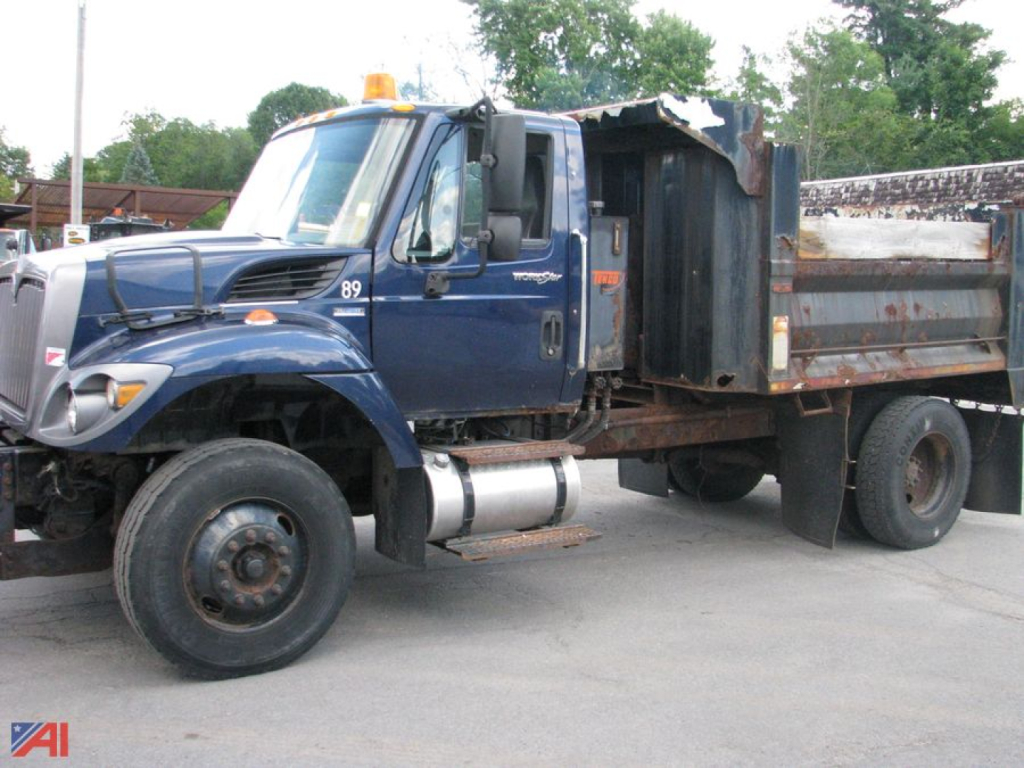
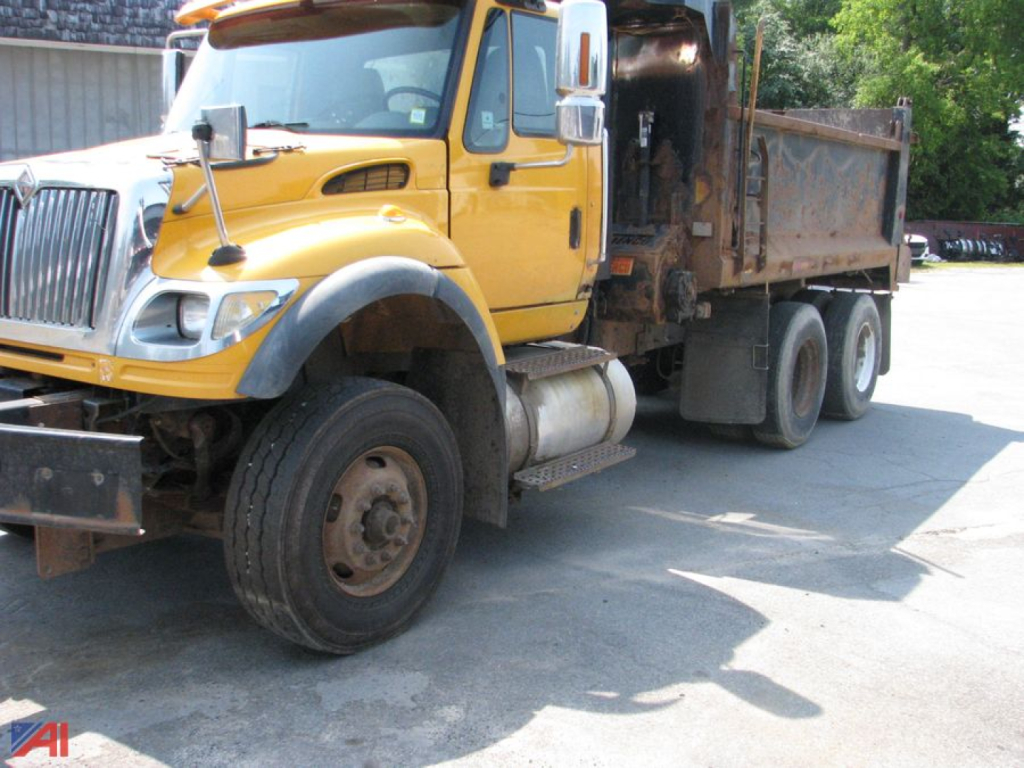
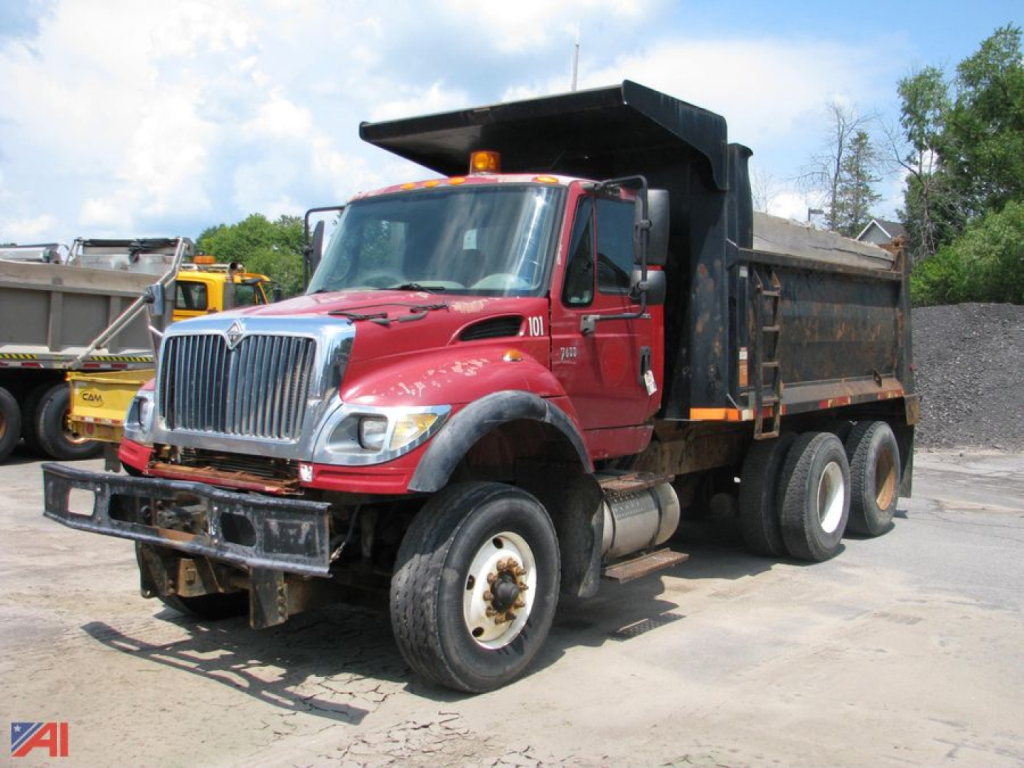
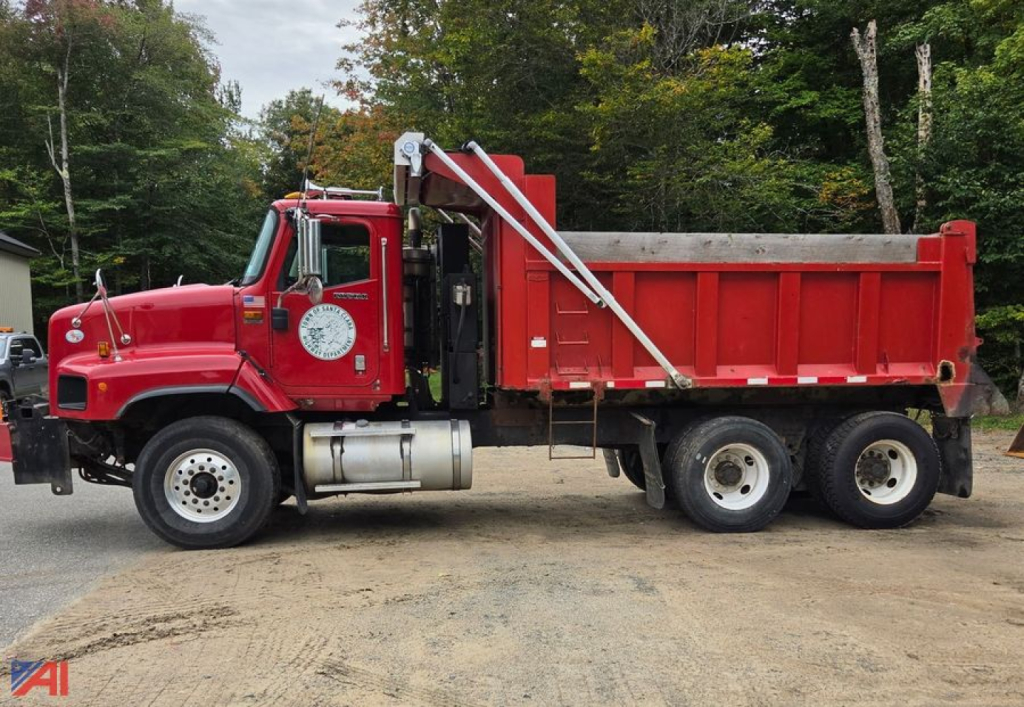
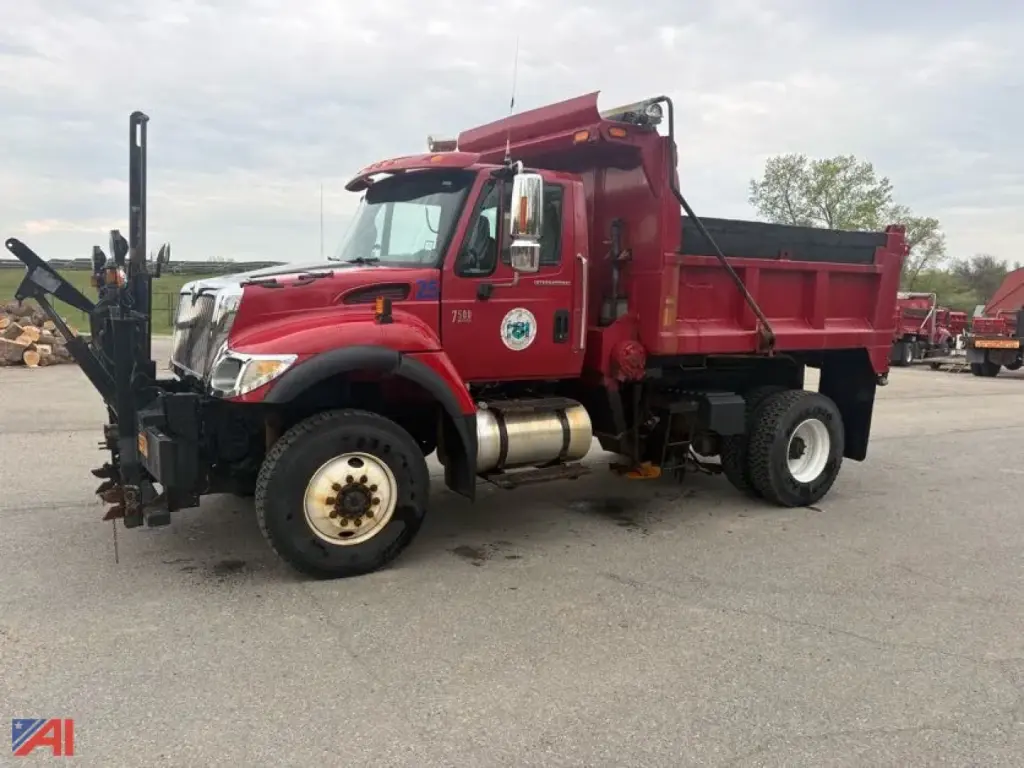
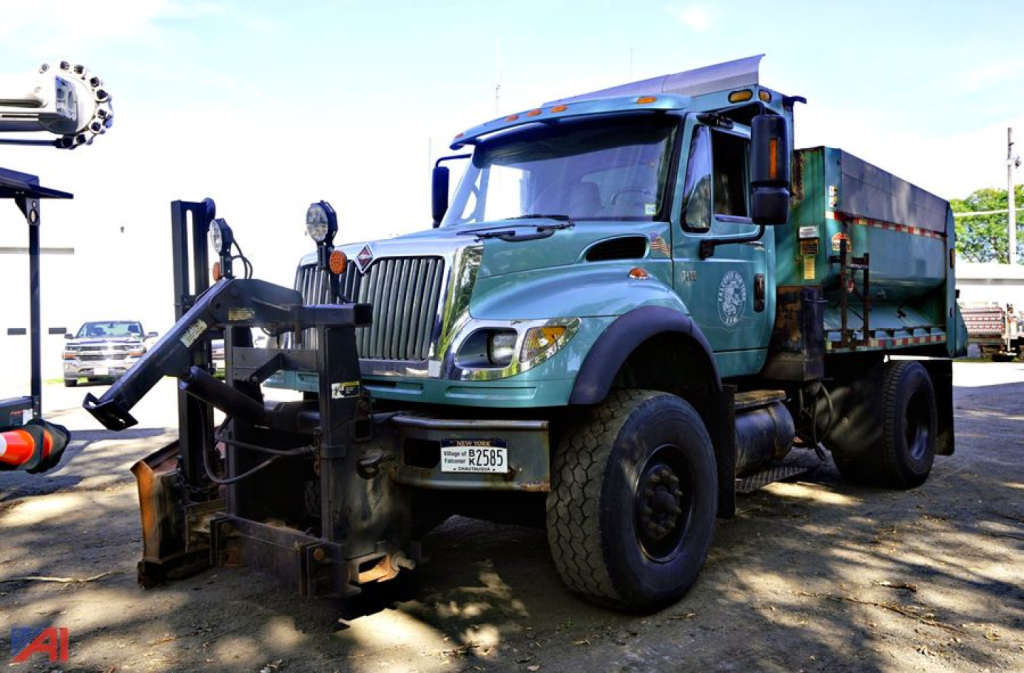
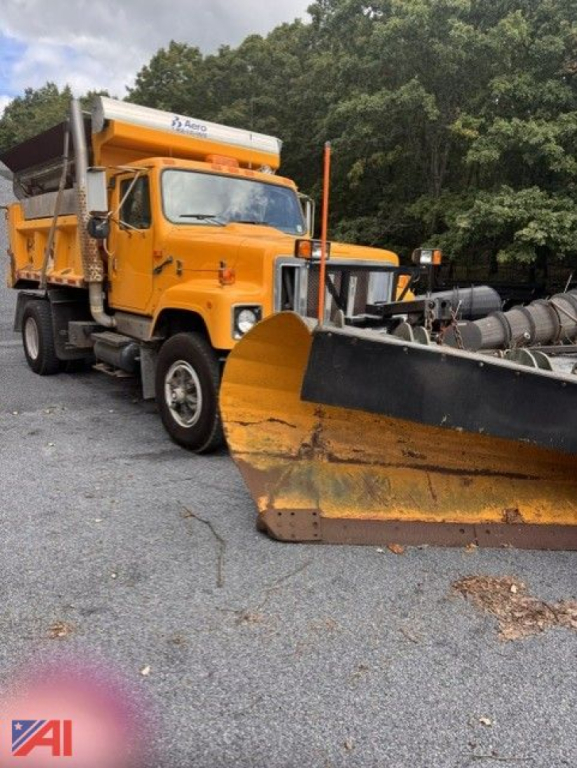
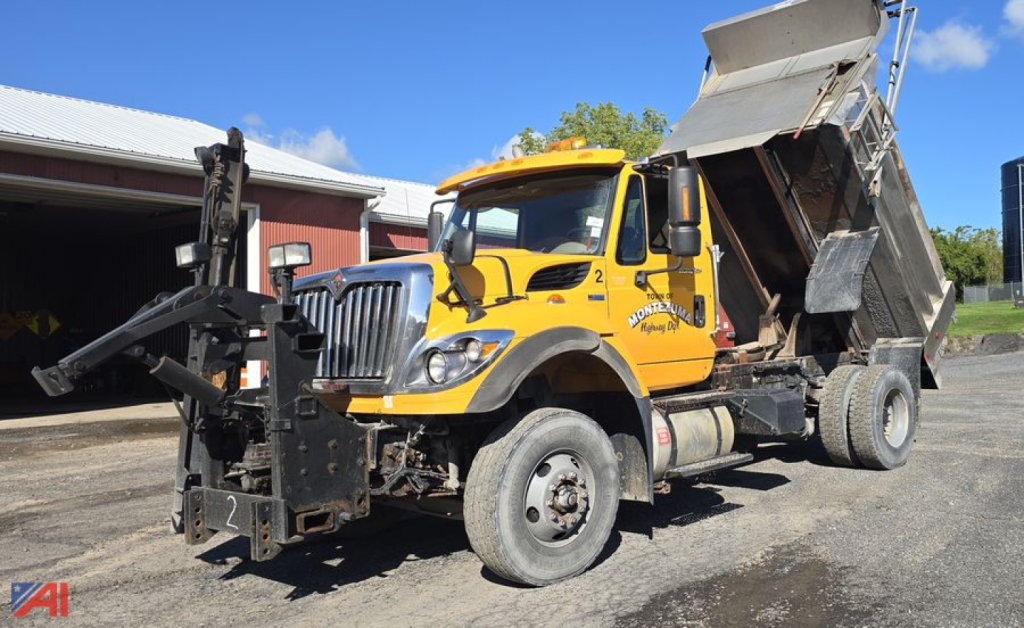
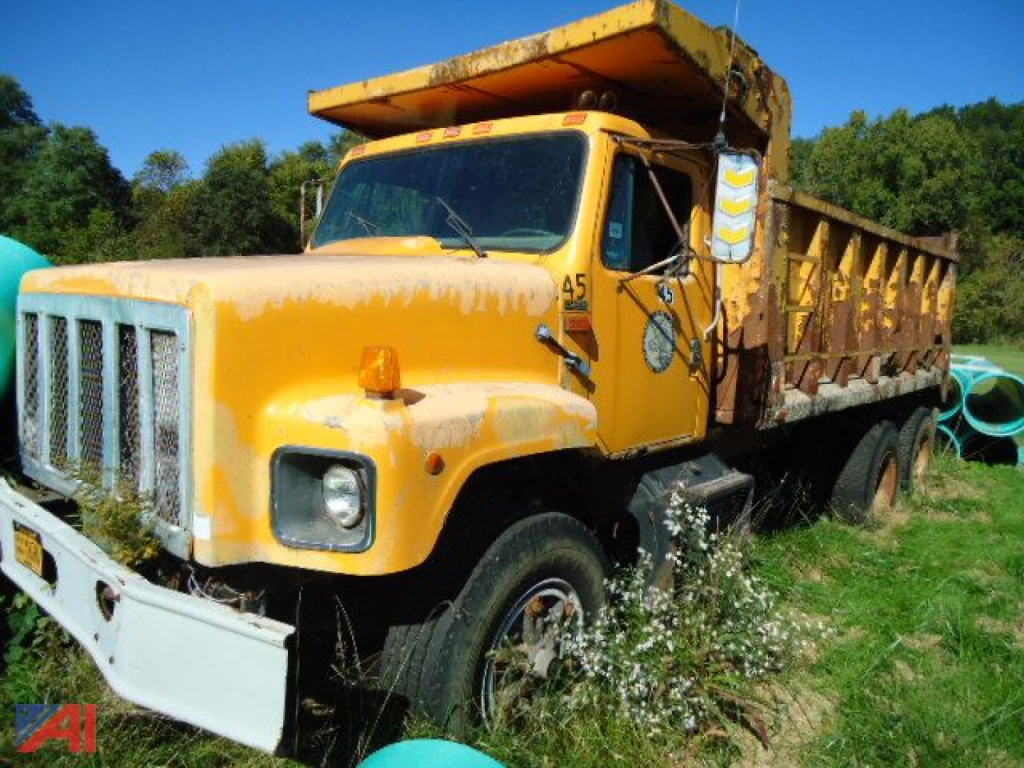
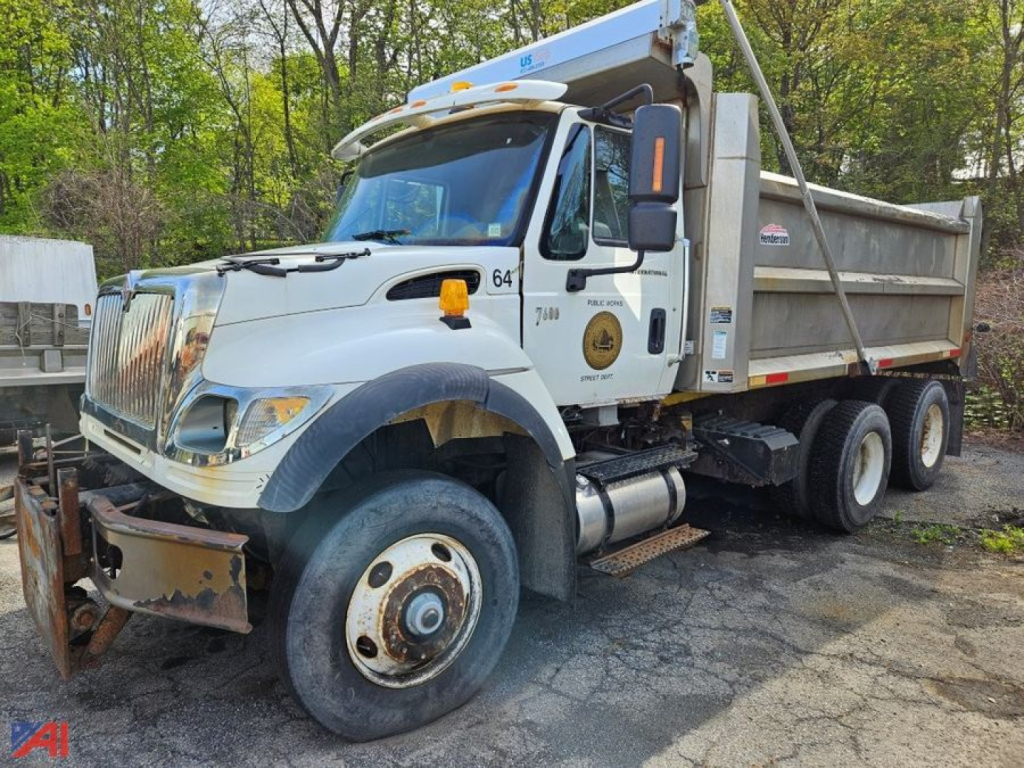
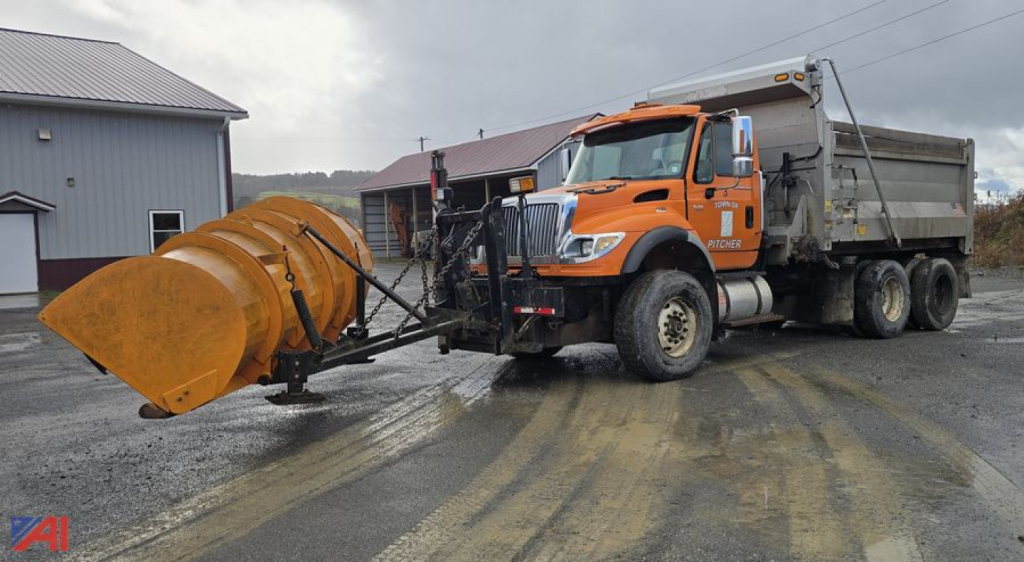
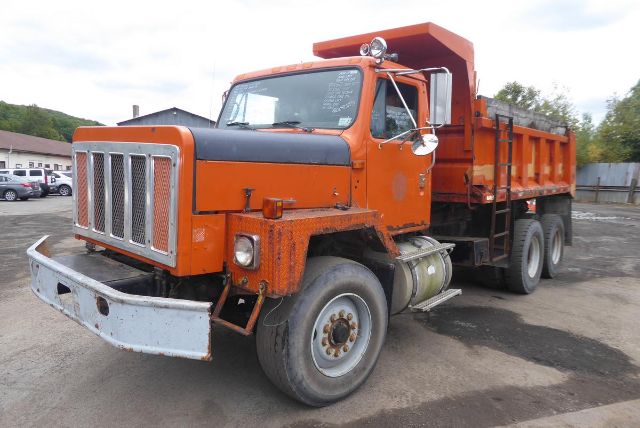
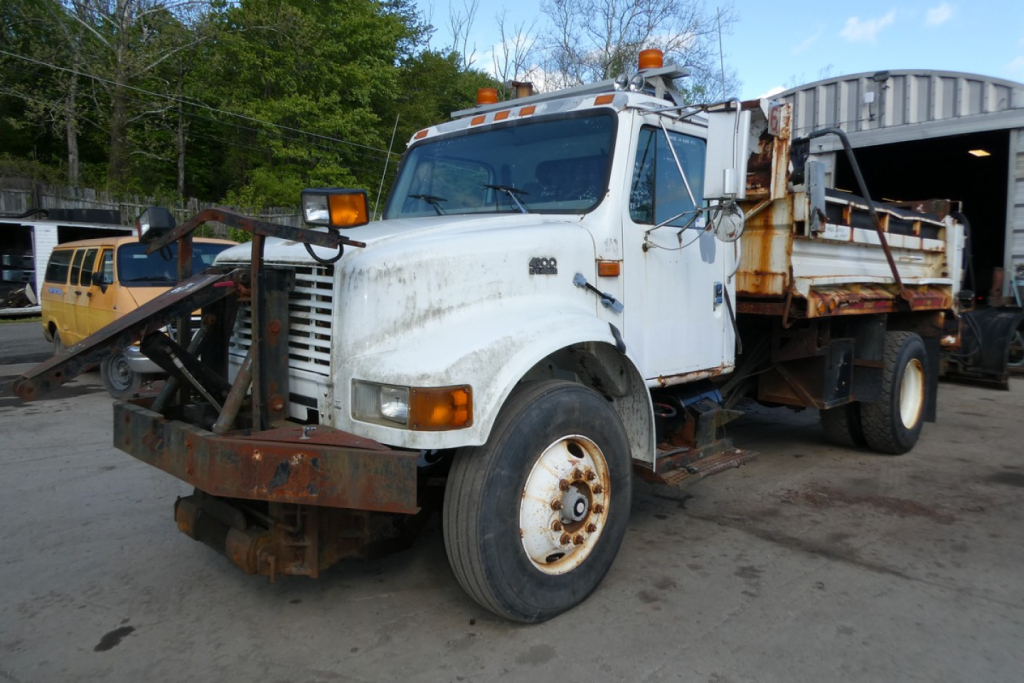
Selling a international dump truck? List your international dump truck for sale and reach thousands of commercial buyers.
International Dump Trucks in New York
A buyer should start with class and axle configuration. Single-axle International dump trucks are easier to maneuver in town, on tight residential routes, and around municipal facilities, and they are often spec'd in the 25,500 to 33,000 GVWR range. Tandem-axle trucks push much farther on payload and durability, with heavier rear suspensions, double frames, and 6x4 drivetrains better suited for off-road jobsite conditions. Body size is just as important as chassis rating. Many medium-duty units carry 8 to 11 foot steel dump bodies, while heavier tandems may run 14 foot bodies with taller sides and scissor or telescopic hoists. Steel bodies remain the standard for abrasive material, and buyers should inspect floor thickness, crossmember condition, hinge points, tailgate hardware, and any signs of cylinder seepage or frame cracking near the hoist mount.
Powertrain choices on International dump trucks vary widely by age and application. Older and mid-era trucks frequently use DT466, T444E, or larger Cummins engines, paired with Allison automatics, Fuller manuals, or Spicer transmissions. For stop-and-go municipal work, plowing, and mixed-driver fleets, an Allison automatic is often preferred for ease of operation and PTO integration. Manual transmissions still appeal to operators who want more control on grades or in rough terrain. Hydraulic layout deserves close attention because many dump trucks are doing more than raising a body. A truck may have a wet kit or front-engine PTO running the dump body, plow, wing, sander, or spinner, and that adds value only if the system is cleanly installed and functioning properly. Buyers should verify PTO operation, pump type, valve response, hoist speed, and whether the truck uses a central hydraulic system for multi-season attachments.
Condition matters more on a dump truck than on many other truck categories because corrosion, overloading, and hydraulic wear tend to show up in expensive places. On New York trucks, check cab mounts, brake lines, spring hangers, frame rails, spreader components, and the underside of the dump body for rust and patchwork. Heated bodies, air-operated tailgates, tarp systems, and plow gear can be valuable additions, but only if they are complete and serviceable. A strong International dump truck should match the material being hauled, the road or site conditions it will face, and the licensing or bridge-law limits that apply to the route. Buyers comparing listings should pay closest attention to GVWR, axle ratings, wheelbase, cab-to-axle measurement, body dimensions, hoist style, brake type, and evidence of frame or hydraulic repairs.
Frequently Asked Questions about International Dump Trucks in New York
What is the best International dump truck setup for municipal or snow work?
For municipal duty, a single-axle International dump truck with a steel body, automatic transmission, front plow setup, and hydraulics for a spreader is often the most practical configuration. Trucks in the medium-duty range are easier to maneuver on city streets, in parking lots, and around cul-de-sacs, while still carrying enough salt, sand, or patch material for daily routes. A heated body, air-operated tailgate, and central hydraulic system are strong advantages for winter service because they support plow, sander, and dump functions from one chassis.
How do I choose between a single-axle and tandem-axle International dump truck?
The decision comes down to payload, route conditions, and operating space. A single-axle truck is typically better for urban work, landscape material delivery, and municipal service because it turns tighter, weighs less, and is usually less expensive to maintain. A tandem-axle truck is the better fit for heavier aggregate, demolition debris, or rougher jobsite use because it offers higher rear axle ratings, better traction in a 6x4 configuration, and stronger frame capacity for larger dump bodies.
Which engines are common in used International dump trucks?
Common engines include the International DT466 and T444E in medium-duty trucks, with some heavier models equipped with Cummins engines such as the N14. The DT466 has long been popular because of its durability and broad parts support in vocational service. Engine choice should be evaluated alongside the transmission, axle ratio, and intended load because horsepower alone does not tell the full story on launch performance, PTO compatibility, or road speed.
What should I inspect first on a used International dump truck?
Start with the frame, dump body, and hydraulic system because those areas are directly affected by overloading and hard vocational use. Look for rust, cracked frame sections, hoist mount repairs, leaking cylinders, worn hinge pins, and tailgate issues. After that, inspect brakes, suspension, steering components, PTO function, and any plow or spreader equipment. On trucks from snow-belt states, corrosion under the cab and around body supports can be just as important as engine condition.
Why does cab-to-axle measurement matter on an International dump truck?
Cab-to-axle measurement helps determine what body length the chassis can properly support and how the truck will balance the load. A mismatch between wheelbase, cab-to-axle, and dump body size can hurt weight distribution, steering feel, and axle compliance. Buyers planning to swap bodies or add equipment should confirm cab-to-axle, wheelbase, frame length, and hoist placement before assuming a chassis will accept the setup they want.