
2000 Dump Trucks For Sale in New York
Shop 2000 dump trucks for sale in New York. Compare body sizes, axle setups, plow readiness, hydraulics, GVWR, and drivetrain specs.
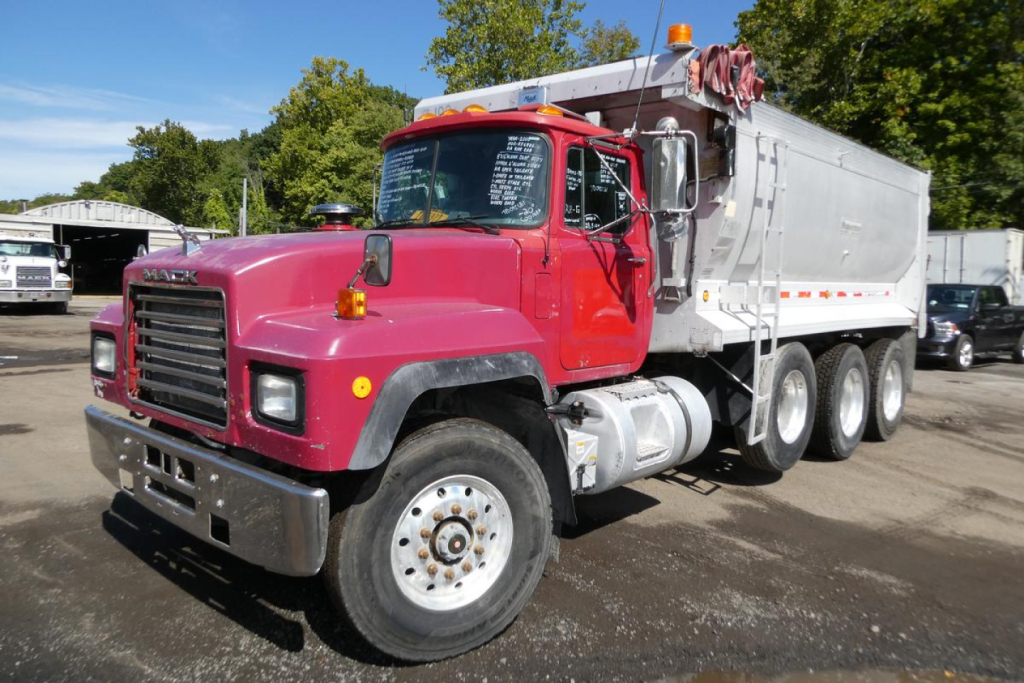
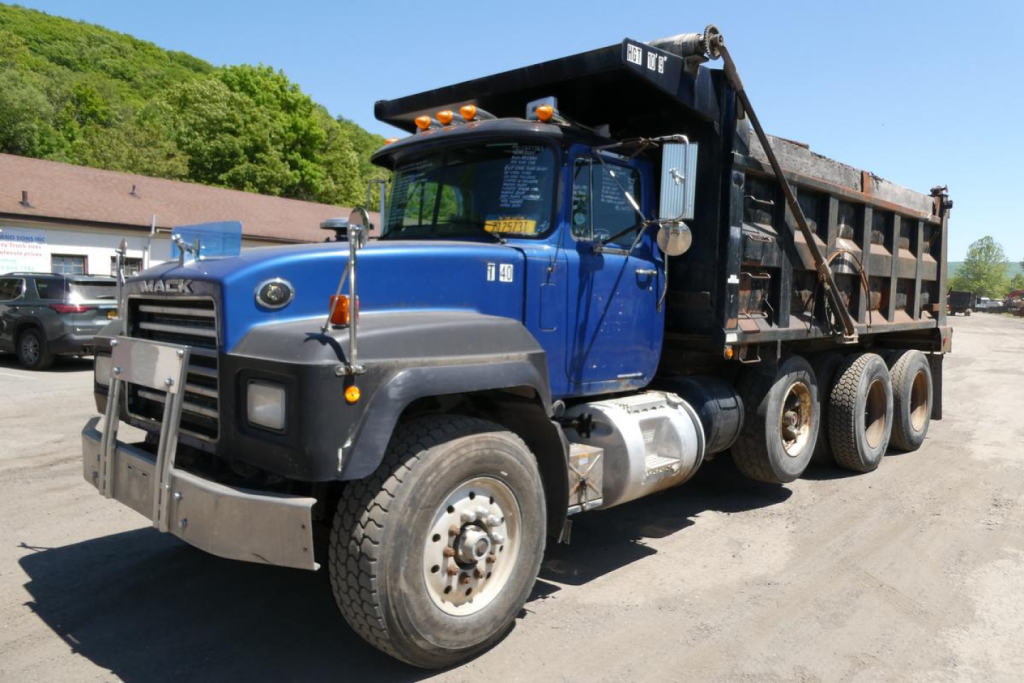
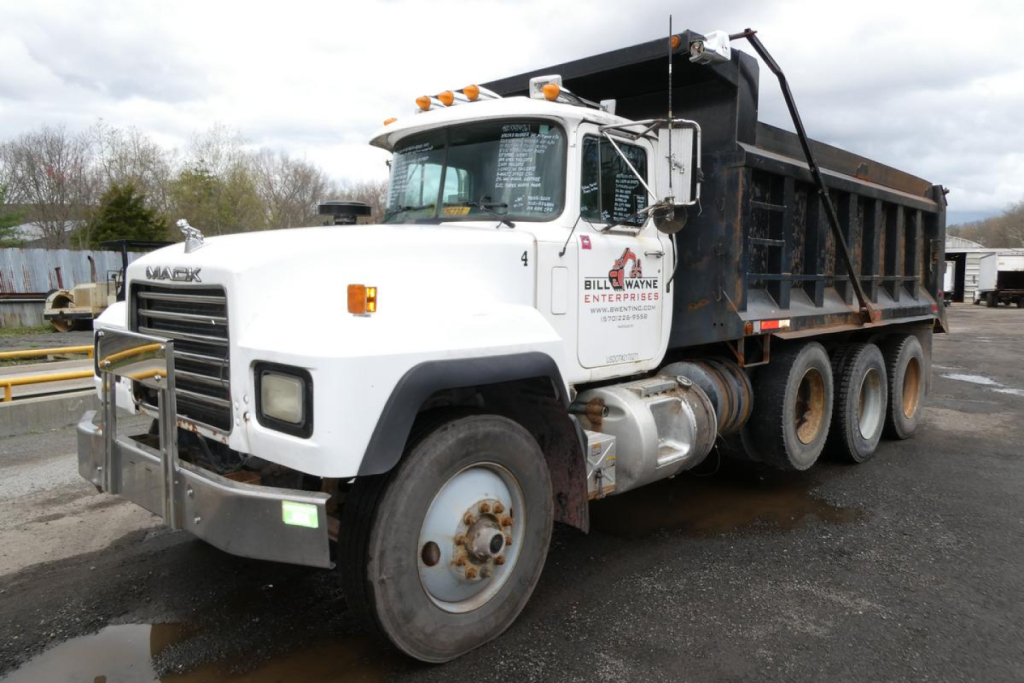
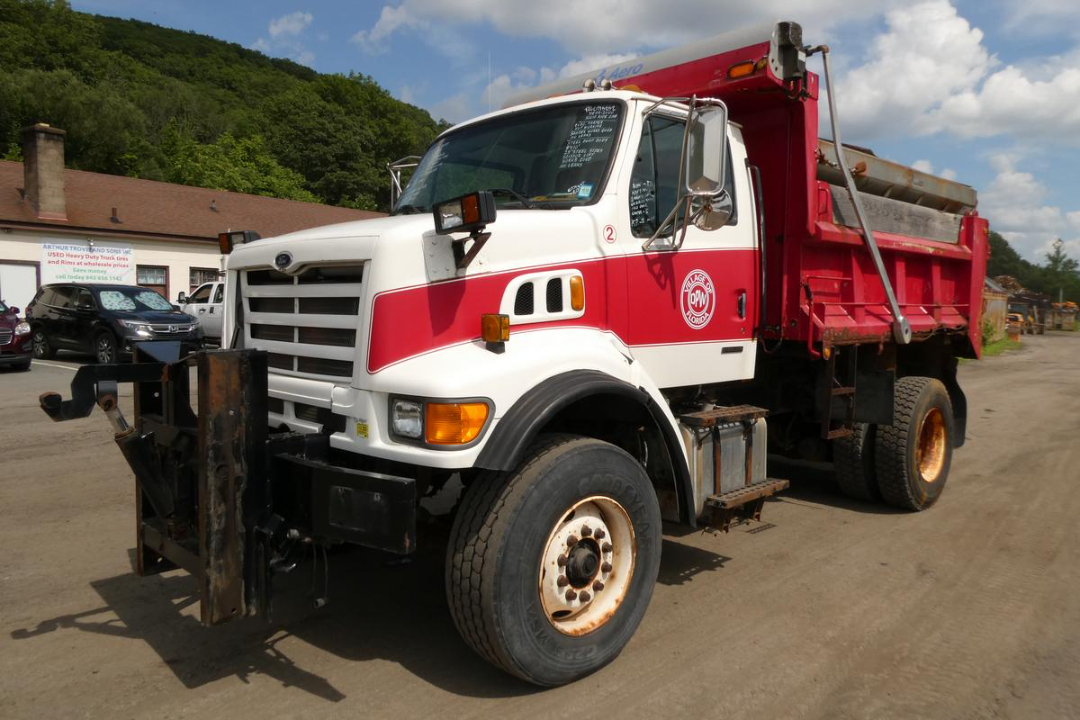
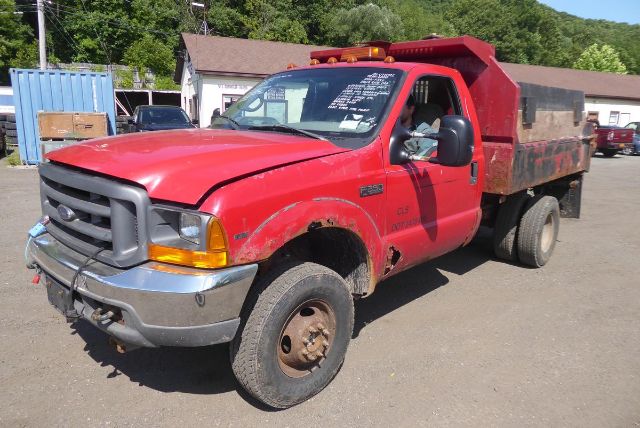
Selling a 2000 dump truck? List your 2000 dump truck for sale and reach thousands of commercial buyers.
2000 Dump Trucks in New York
On a 2000 model year dump truck, the condition of the hoist, PTO, pump, and body usually tells you more than the odometer alone. Buyers should inspect whether the truck uses a telescopic front-mount cylinder, underbody hoist, or scissor lift, and check for slow lift, seepage, twisted subframes, cracked mounts, and worn hinge pins. Body material matters too. Steel bodies hold up well in demolition, scrap, and rough material loading, while aluminum bodies reduce tare weight and can improve payload for salt, mulch, or lighter bulk products. Tailgate style is another buying point, especially if the truck may handle asphalt, sand, or winter materials. Look for air-operated tailgates, coal chutes, spreader compatibility, and signs of floor wear at the rear where corrosion and impact damage usually show up first.
New York buyers also need to think about rust exposure and seasonal equipment integration. Many dump trucks in this market have seen plows, wing setups, sanders, or combination hydraulic circuits. That can be a major advantage if the truck already has front plow mounts, central hydraulics, lighting provisions, or controls for a sander, but it also means the front frame horns, electrical system, and hydraulic plumbing deserve close inspection. Check spring packs, steering components, crossmembers, cab mounts, brake lines, and body supports for corrosion. On heavier trucks, review rear axle ratings, suspension type, transmission model, ratio, and tire size to make sure the truck fits the work. A 9-speed or 10-speed manual with a vocational rear ratio may be ideal for jobsite work and winter traction, while an automatic may be preferable for stop-and-go municipal use.
A used 2000 dump truck can still be a solid earner if the chassis and hydraulics match the intended application. Buyers comparing listings should pay close attention to wheelbase, cab-to-axle, body length, single-frame versus double-frame construction, brake type, and actual operating history. A truck that spent its life hauling light landscape material is a different machine from one that ran salt routes or carried dense aggregate every day. Also known simply as a dump body truck or dump bed truck, this equipment class covers everything from compact one-ton dumps to true vocational rigs. The right choice comes down to payload target, maneuverability, road weight limits, and how much fabrication or reconditioning you are prepared to take on after purchase.
Frequently Asked Questions about 2000 Dump Trucks in New York
What should I inspect first on a 2000 dump truck?
Start with the dump system and the frame. The PTO, hydraulic pump, hoses, control valve, hoist cylinder, hinges, and body mounts should all be checked for leaks, slow operation, weld repairs, and structural damage. After that, inspect the frame rails, crossmembers, suspension hangers, brake system, and cab mounts for corrosion or cracking. On older dump trucks, a sound chassis and working hoist are usually more important than cosmetic condition.
Is a steel or aluminum dump body better on an older dump truck?
It depends on the material being hauled. Steel bodies are generally preferred for demolition, riprap, scrap, and other abusive loads because they resist impact better. Aluminum bodies are lighter and can improve legal payload, which is useful for mulch, topsoil, salt, and other lower-density material. On a used 2000 dump truck, the better choice is often the body with the cleaner floor, straighter sides, and fewer structural repairs rather than the material alone.
Are 2000 dump trucks in New York likely to have plow or sander equipment?
Yes, many dump trucks in New York were used in municipal or contractor snow service and may have plow frames, hydraulic circuits, spreader controls, or lighting already installed. That can add value if winter work is part of your operation. It also means you should inspect the front frame area, wiring, alternator output, hydraulic plumbing, and rust around mounts and brackets because snow-duty use often accelerates corrosion and wear.
What axle and brake setup is best for a used dump truck?
For lighter landscape or property maintenance work, a smaller chassis with hydraulic brakes may be enough. For aggregate, paving, municipal hauling, or frequent loaded operation, a heavier single-axle dump with air brakes, higher rear axle capacity, and vocational suspension is usually the better fit. The best setup depends on legal GVWR, body size, material density, and the roads the truck will run on.
How important are wheelbase and cab-to-axle measurements on a dump truck?
They are critical because they determine body fit, turning radius, weight distribution, and how the truck handles a loaded box. A shorter wheelbase is easier to maneuver in urban streets and tight jobsites, while a longer wheelbase can support a larger body and improve stability with certain loads. Cab-to-axle measurement is especially important if you plan to change bodies, add equipment, or confirm that the truck is correctly matched to the dump bed already installed.