
2000 Dump Trucks For Sale
Shop 2000 dump trucks for sale. Compare GVWR, axle ratings, body size, PTO hydraulics, and pre-emissions diesel specs for vocational hauling.
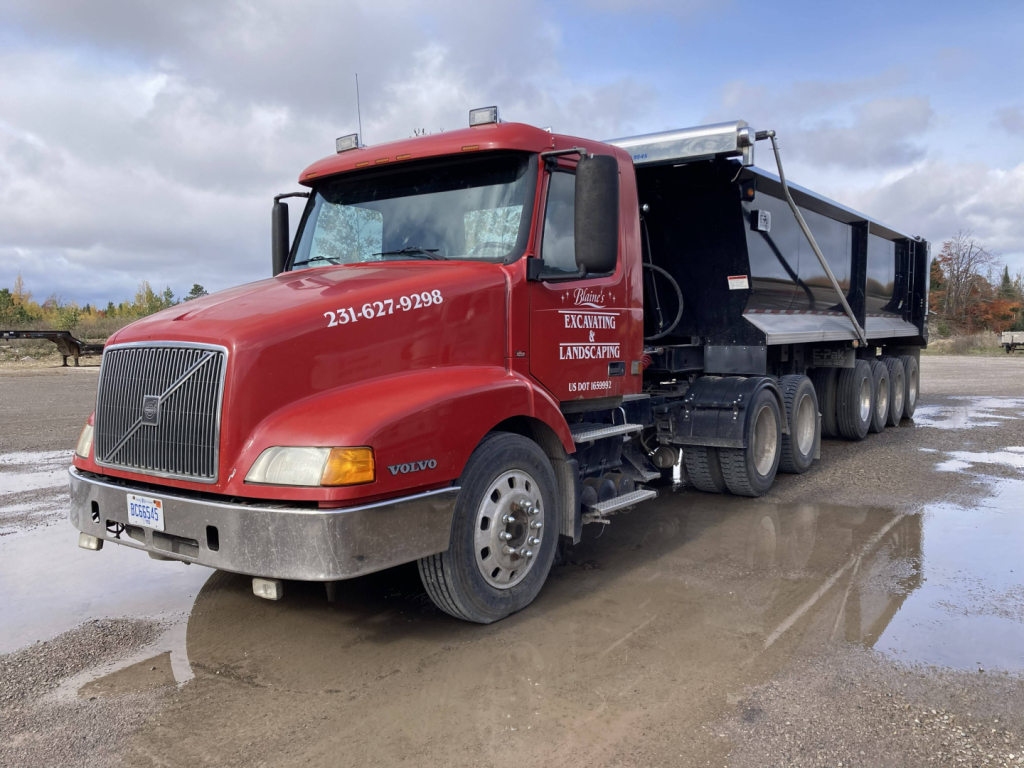
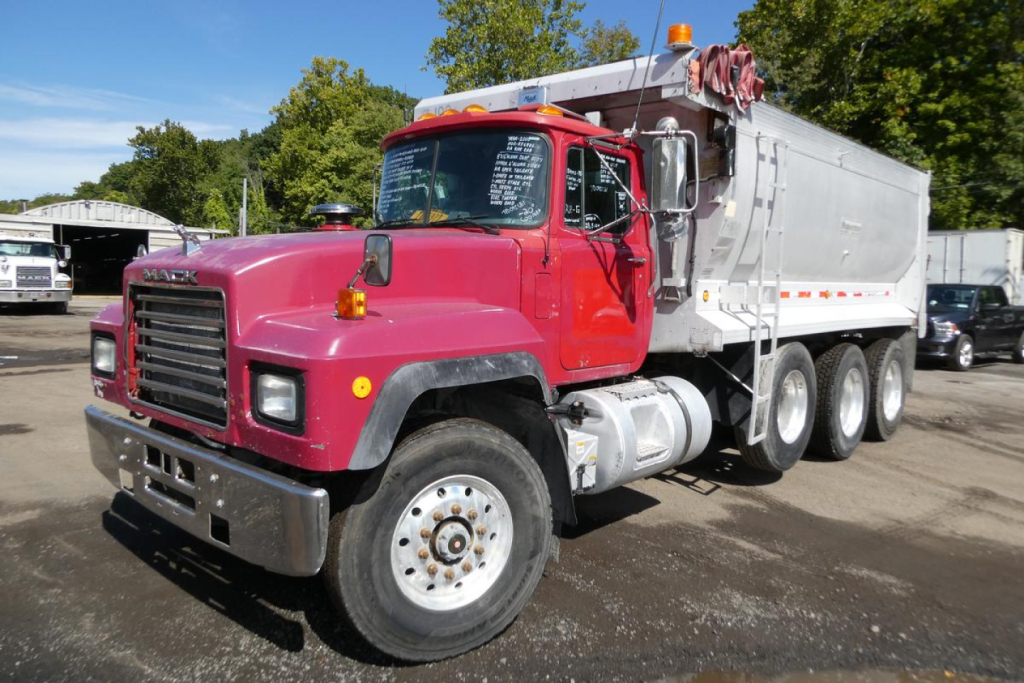
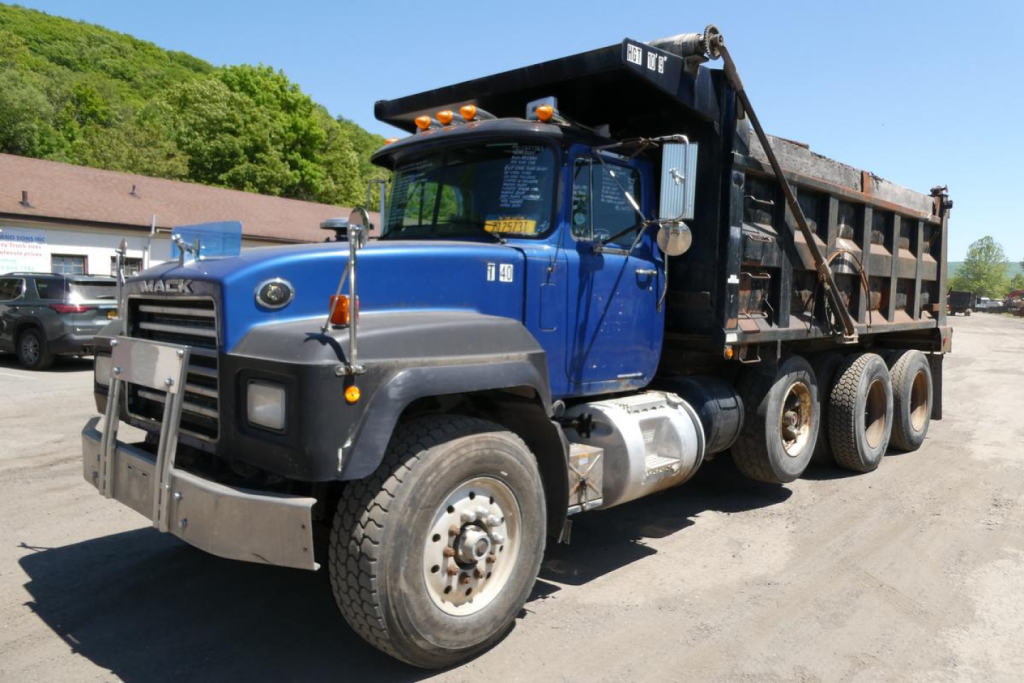
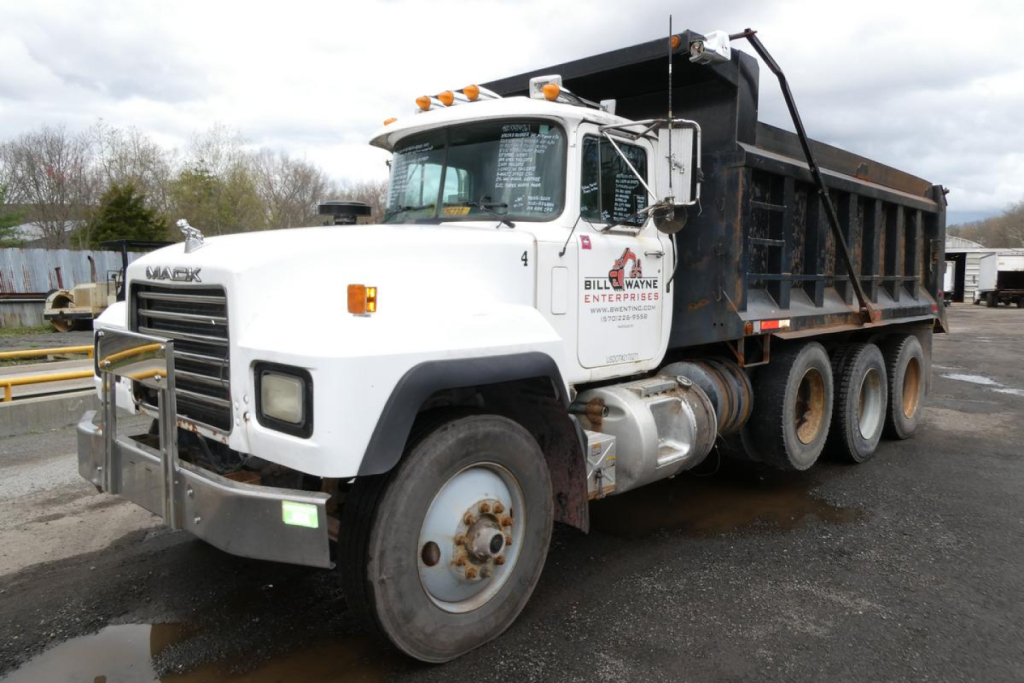
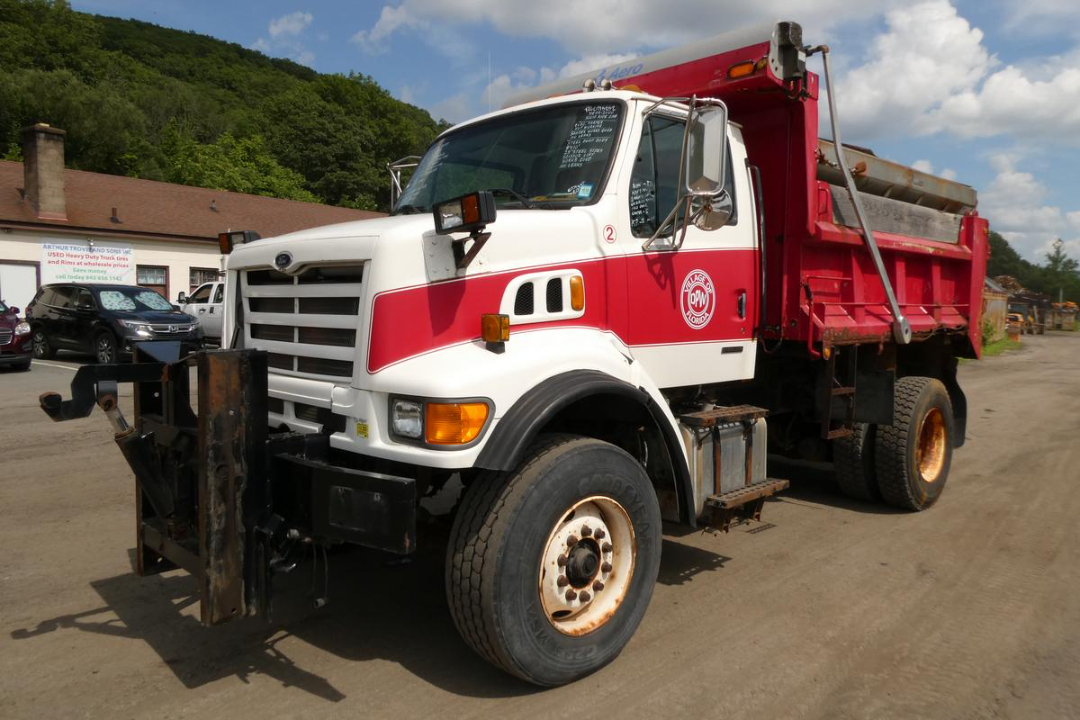
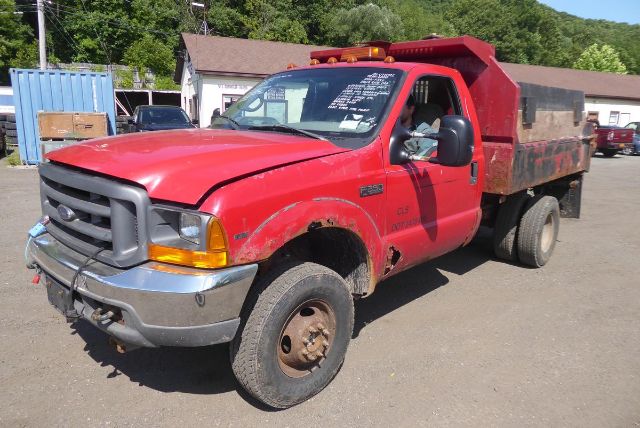
Selling a 2000 dump truck? List your 2000 dump truck for sale and reach thousands of commercial buyers.
2000 Dump Trucks
The first buying decision is usually axle layout and GVWR. A single-axle 2000 dump truck is often the better fit for tighter jobsites, shorter wheelbases, and lower operating cost, while tandem-axle trucks bring more legal payload and better suitability for heavier material. Front axle ratings, rear axle ratings, suspension type, and rear ratio all affect how the truck will perform under load. Lower gearing helps with launch and gradeability, especially with stone, dirt, or asphalt, while an automatic transmission can simplify operation in urban or municipal routes. Buyers should also look closely at wheelbase, cab-to-axle, and body length to make sure the truck matches the material density and maneuverability requirements of the work.
Body and hydraulic specs matter as much as the chassis. Typical 2000 dump trucks may carry steel or aluminum dump bodies, and many vocational buyers prefer to compare side height, floor thickness, hoist design, tailgate style, and tarp setup before looking at cosmetics. A single-ram telescopic hoist, underbody hoist, or scissor lift each changes maintenance access and lifting characteristics. If the truck will handle hot mix, demolition debris, mulch, or snow operations, details like body material, liner condition, spreader controls, plow mounts, wet kit plumbing, and PTO engagement become important quickly. On older units, buyers should inspect hinge points, cylinder pins, frame condition, crossmembers, and any signs of cracking or previous weld repair around the body saddles and hoist mounts.
For a used 2000 dump truck, condition is usually defined by maintenance history and vocational wear rather than age alone. Engine hours, idle time, transmission behavior, brake type, steering play, and the health of the hydraulic system are often more important than odometer reading by itself. Rust around the cab corners, frame rails, spring hangers, and body sills can be a deciding factor in snow-belt markets. A careful buyer should verify PTO operation, dump cycle speed, tailgate function, differential specs, and title or registration class before purchase. When the chassis, body, and hydraulics are matched correctly, a 2000 dump truck can still be a productive platform for construction hauling, municipal support, farm use, and seasonal plow or spreader work.
Frequently Asked Questions about 2000 Dump Trucks
What should I check first on a 2000 dump truck?
Start with the frame, hoist, and hydraulic system because vocational wear is often more critical than model year. Check for rust, cracked welds, bent crossmembers, cylinder leaks, sloppy hinge pins, and any signs of frame repair near the hoist or body mounts. After that, verify axle ratings, GVWR, suspension type, rear ratio, PTO engagement, and transmission operation so the truck matches the payload and route profile you expect.
Are 2000 dump trucks typically pre-emissions?
Yes. Most 2000 dump trucks are pre-emissions diesel trucks, which usually means no DPF, DEF, or SCR system. That appeals to many buyers because the engines are mechanically simpler and often easier to diagnose and maintain in vocational service. The tradeoff is that condition varies widely by prior use, and older engines still need careful inspection for blow-by, leaks, cooling system health, and cold-start behavior.
Is a single-axle or tandem-axle dump truck better for my work?
A single-axle dump truck is generally better for tighter access, lighter payloads, municipal work, and lower acquisition and operating cost. A tandem-axle dump truck is better suited for heavier material, higher legal payload, and more demanding construction applications. The right choice depends on bridge laws, material density, jobsite access, and whether you need maneuverability or payload capacity to drive profitability.
What dump body features matter most on an older truck?
Body construction and hoist design are key. Buyers should compare steel versus aluminum bodies, side height, floor condition, tailgate operation, tarp system, and the type of hoist used. It is also important to inspect the body subframe, hinge area, and cylinder mounting points because these areas absorb repeated stress. If the truck will be used for snow work or municipal duty, plow mounts, spreader controls, and wetline plumbing can add real value.
How important are rear ratio and transmission choice on a dump truck?
They are very important because dump trucks spend much of their life starting under load, maneuvering on jobsites, and running short routes. A deeper rear ratio improves low-speed pulling power and gradeability, while the transmission choice affects drivability and maintenance. Automatic transmissions are common in municipal and stop-and-go applications, while manual transmissions can still appeal to buyers who want direct control and simpler mechanical layout.