
2021 Commercial Trucks For Sale in New York
Browse 2021 trucks for sale in New York. Compare specs, body styles, GVWR, axle setups, engines, and features for local or regional work.
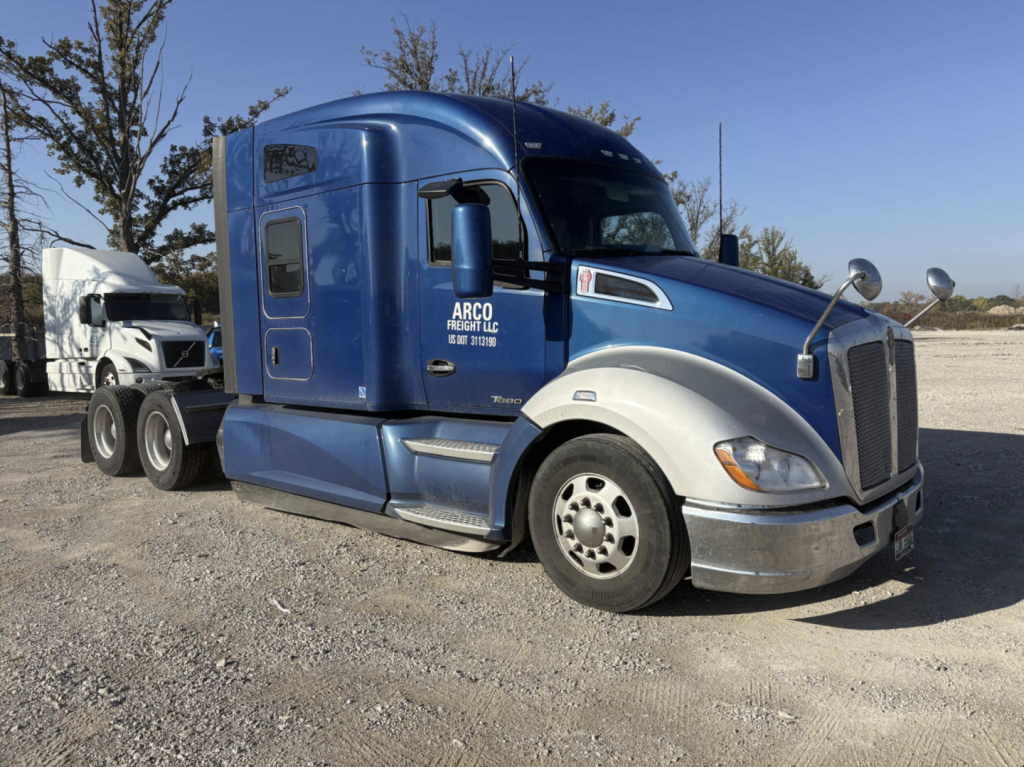
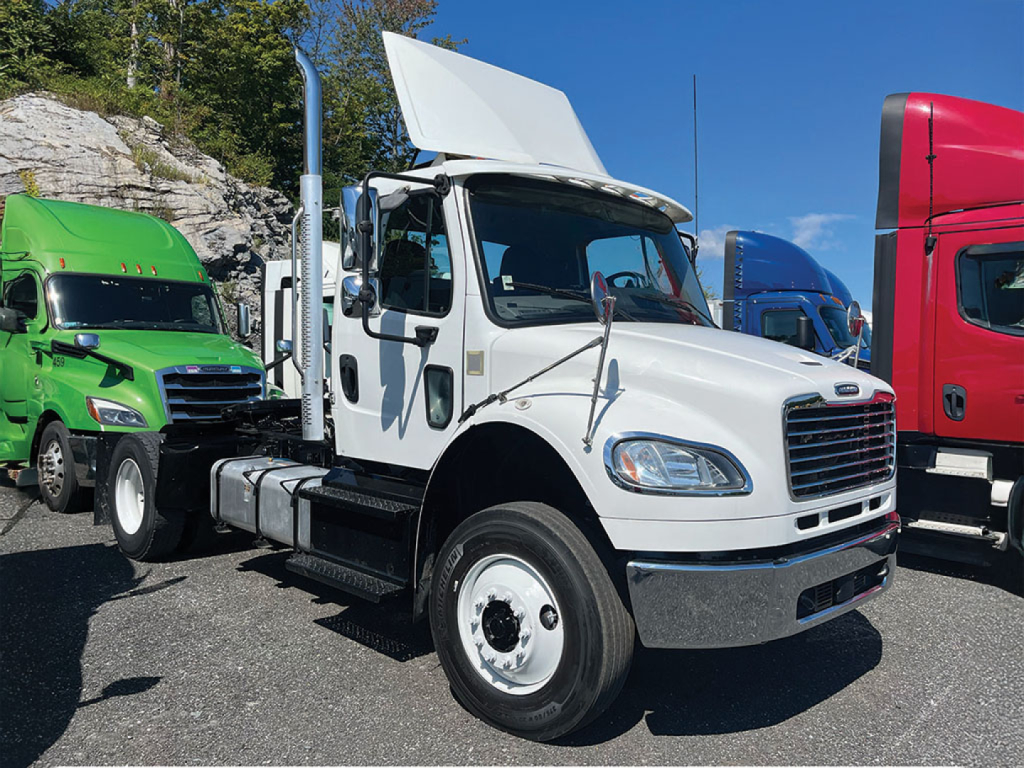
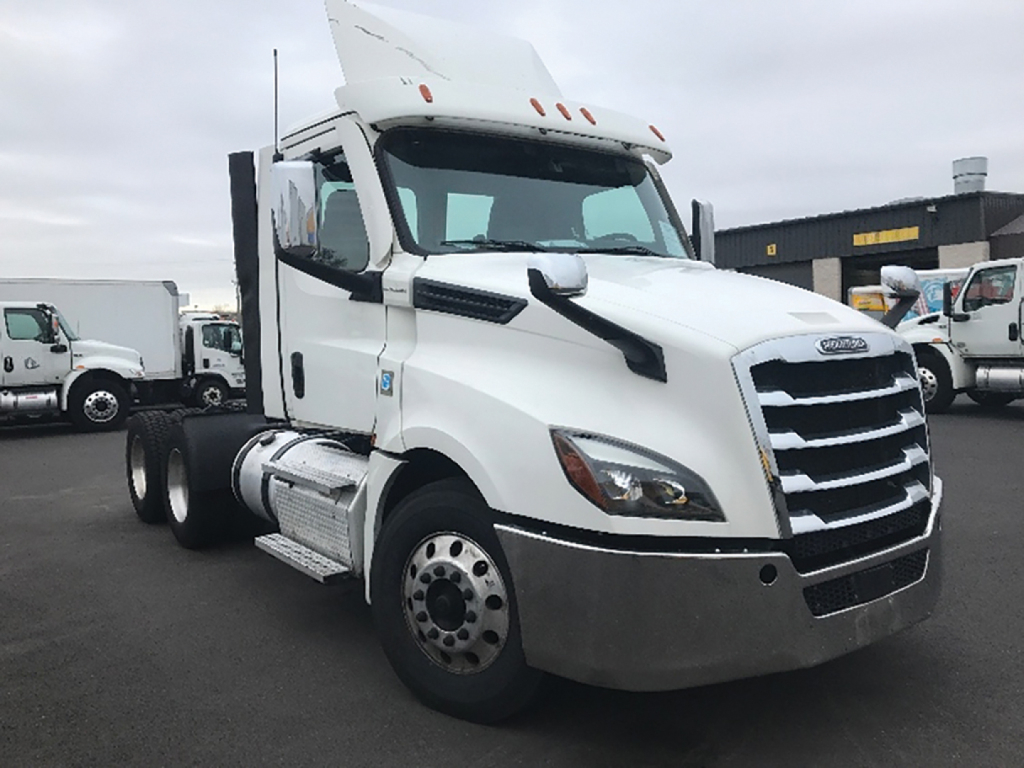
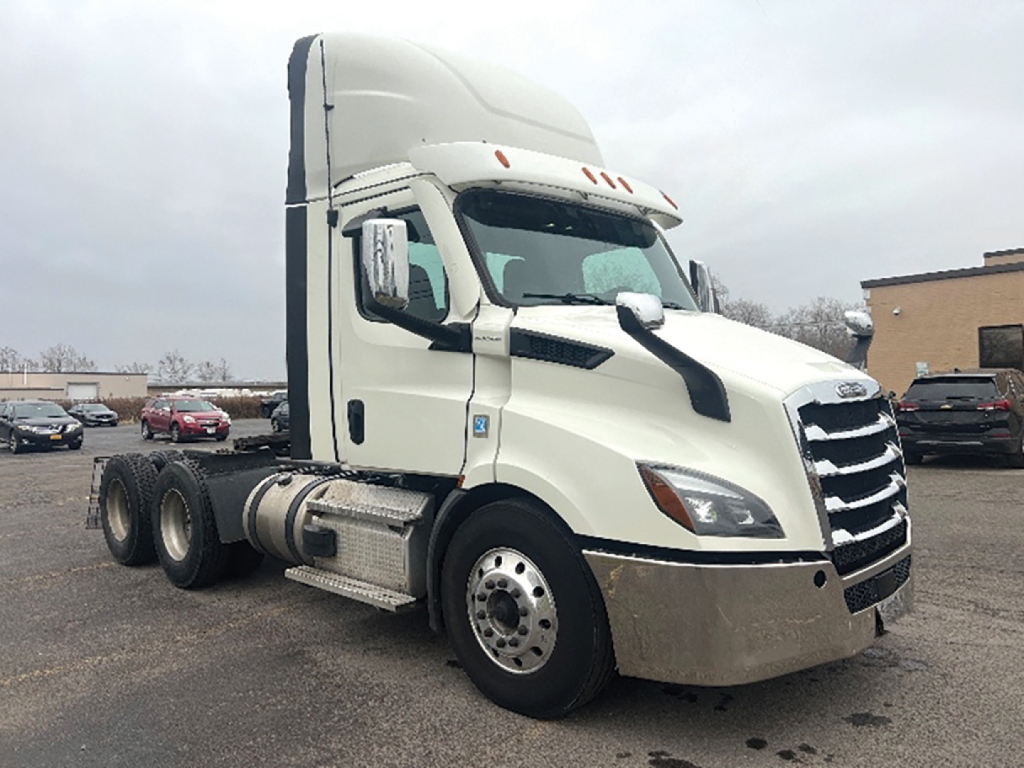

Selling a 2021 commercial truck? List your 2021 commercial truck for sale and reach thousands of commercial buyers.
2021 Commercial Trucks in New York
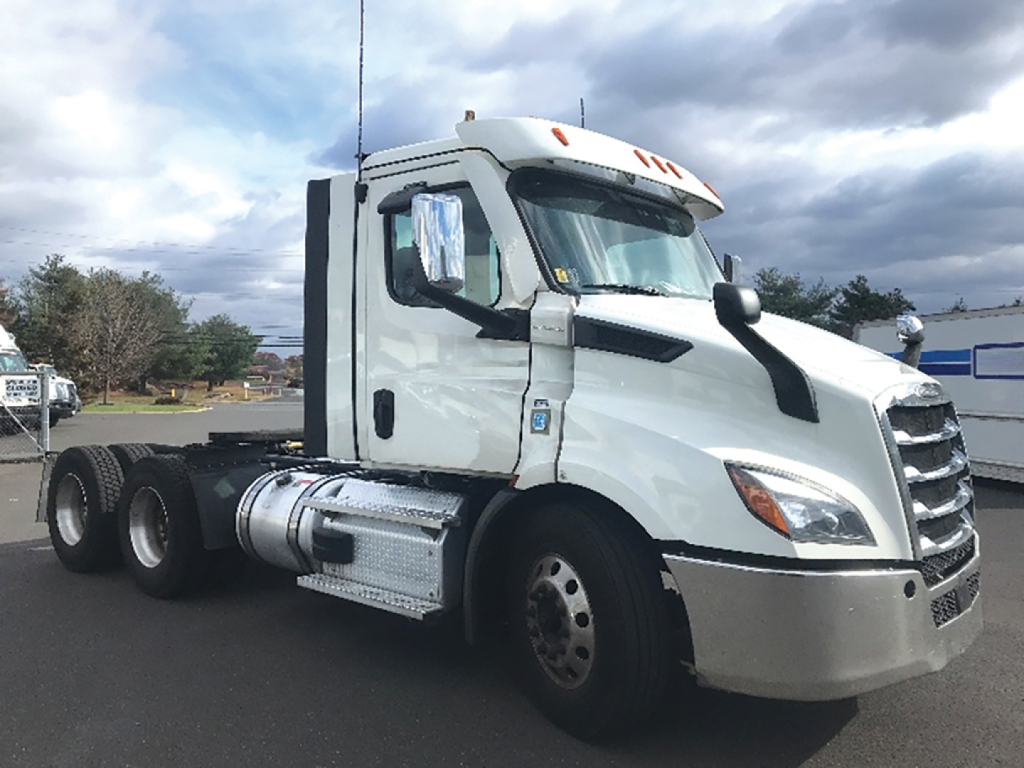
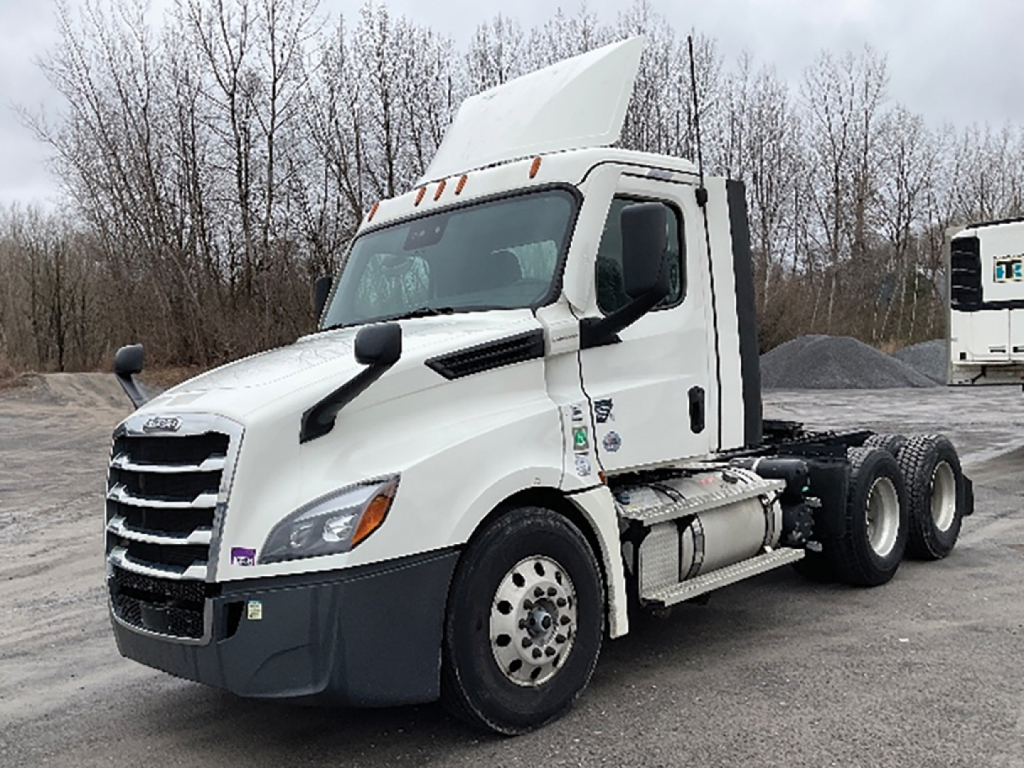
The right configuration starts with the job. Day cab conventionals are common for port work, regional freight, municipal support, construction support, and short-haul trailer moves. Buyers comparing 2021 trucks should focus on GVWR or GVW target, axle configuration, wheelbase, cab-to-axle measurement, and suspension type before getting distracted by appearance. A 4x2 or single-axle truck can make sense for lighter regional applications and tighter city maneuvering, while a 6x4 tandem axle setup is still the standard for heavier vocational work and highway tractor duty. Engine ratings in this class often fall in the 350 to 505 horsepower range, with torque, rear axle ratio, and transmission calibration making a major difference in startability, fuel economy, and road speed.
Powertrain choice matters more in 2021 trucks because many buyers are specifically looking for predictable emissions performance and lower operating cost. Common engines in this era include Detroit DD13 and DD15, Cummins X12 and X15, Paccar MX series, Volvo D11 and D13, and similar late-model platforms depending on make and application. Automated manual transmissions became the default choice in many fleet-spec trucks by 2021, especially for regional haul and stop-and-go service, while manual transmissions still appeal to some vocational buyers. Look closely at aftertreatment service history, idle hours, engine brake spec, and any signs of repeated fault-code events. In New York service, rust around cab mounts, battery boxes, frame crossmembers, air tanks, and brake components deserves the same attention as mileage.
A good 2021 truck listing should give enough detail to judge how it was spec'd and how it was used. Buyers should compare brake type, tire size, wheel material, front axle rating, rear axle rating, fuel capacity, and the presence of useful features like air ride suspension, locking differentials, PTO provisions, disc brakes, collision mitigation, lane departure warning, and adaptive cruise where equipped. If the truck is intended for body installation, wheelbase and frame condition are critical. If it will stay in tractor service, fifth wheel type, kingpin setting compatibility, and frame layout matter more. The best 2021 trucks are not simply the newest-looking units. They are the ones with a spec package that matches the route, payload, and maintenance plan.
Frequently Asked Questions about 2021 Commercial Trucks in New York
What should I look for first when buying a 2021 used truck in New York?
Start with the truck’s intended application and confirm that the axle configuration, wheelbase, GVWR, and powertrain match that job. After that, review maintenance records, engine hours, aftertreatment history, brake and tire condition, and any signs of rust or corrosion from Northeast service. In New York, frame condition, brake system health, and inspection readiness are especially important because road salt and urban stop-and-go operation can accelerate wear even on newer trucks.
Are 2021 trucks more likely to have automated manual transmissions?
Yes. By the 2021 model year, many fleet and regional-haul trucks were ordered with automated manual transmissions such as Detroit DT12, Volvo I-Shift, Eaton Endurant, and similar platforms. These transmissions can improve fuel economy, reduce driver fatigue, and standardize performance across multiple operators. Buyers should still confirm software calibration, clutch condition where applicable, and service history because shift quality and long-term durability depend heavily on maintenance and proper operation.
Is mileage or engine hours more important on a 2021 truck?
Both matter, but they tell different parts of the story. Mileage reflects road use, while engine hours reveal idle time and low-speed duty cycles that can increase wear on emissions components and engines. A 2021 truck with moderate miles but very high hours may have spent a lot of time in urban traffic, PTO work, or extended idling. Comparing miles to hours helps buyers judge how the truck was actually used instead of relying on odometer reading alone.
What engines are common in 2021 trucks?
Common engines in 2021 trucks include Detroit DD13 and DD15, Cummins X12 and X15, Volvo D11 and D13, and Paccar MX-11 or MX-13 depending on make and model. These engines are generally well known across the industry, but the best choice depends on service network support, expected load, terrain, and maintenance philosophy. Buyers should review horsepower, torque, rear axle ratio, and transmission pairing together because that full combination determines drivability and fuel performance more than the engine badge alone.
Why does wheelbase matter so much on a 2021 truck?
Wheelbase affects turning radius, bridge law flexibility, body fitment, ride quality, and weight distribution. A shorter wheelbase is often preferred for city delivery, terminal work, and tight job sites, while a longer wheelbase may be needed for certain bodies, larger fuel capacity, or improved ride stability. On tractors, wheelbase also interacts with fifth wheel position and kingpin settings, which can affect trailer swing clearance and axle loading.