
2021 Conventional Sleeper Trucks For Sale in New York
Shop 2021 conventional sleeper trucks in New York. Compare aero cabs, sleeper sizes, powertrains, axle ratios, and highway spec options.
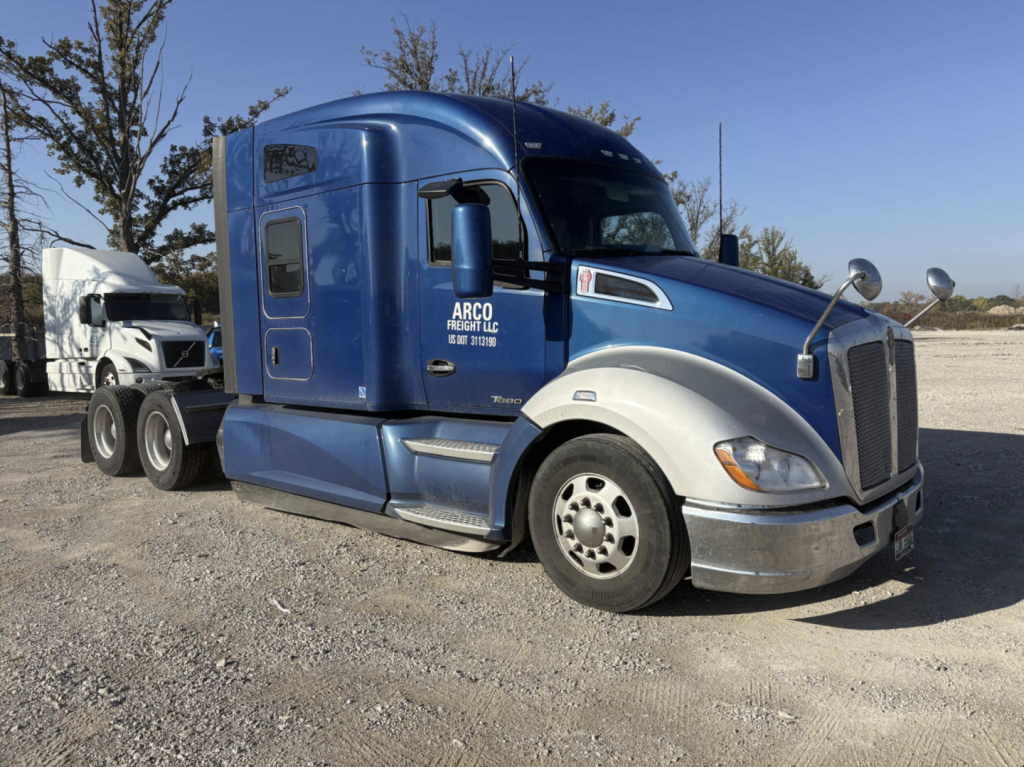

Have 2021 conventional sleeper truck to sell? List it here to reach thousands of buyers.
2021 Conventional Sleeper Trucks in New York
The biggest buying decisions usually start with the powertrain. A 2021 conventional sleeper will commonly be spec'd with engines in the 400 to 505 horsepower range, paired with automated manual transmissions or 10-speed and 12-speed manuals, depending on fleet history and driver preference. Rear axle ratings around 40,000 pounds are standard, and axle ratios like 2.64, 3.08, 3.25, or 3.36 are common on fuel-mileage focused trucks, while deeper ratios may show up on heavier or more specialized applications. Wheelbases often land in the low-220-inch to mid-230-inch range, and sleeper sizes typically range from 54-inch mid-roof to 72-inch raised-roof configurations. Buyers should match horsepower, transmission programming, and rear ratio to average gross weight and terrain, because a truck built for light dry van freight will drive very differently from one expected to pull heavier loads through upstate grades and winter conditions.
Sleeper layout and chassis spec deserve the same attention as engine hours and odometer readings. Raised-roof sleepers with double bunks, bunk heaters, refrigerators, inverters, and APU prep can make a major difference in team service or extended over-the-road use. Air ride suspension, air slide fifth wheels, dual aluminum fuel tanks, disc or aluminum wheels, and fairing packages are all common on this category and directly affect ride quality, versatility, and operating cost. For New York buyers, corrosion exposure is worth checking closely, especially on frame rails, crossmembers, battery boxes, deck plates, and cab skirts due to road salt. It also pays to confirm idle management setup, emissions service history, and any fault-code pattern tied to DPF, DOC, SCR, or EGR systems, since downtime in an emissions-era sleeper can get expensive quickly.
A well-matched 2021 conventional sleeper truck can still offer modern aerodynamics, strong parts support, and a cab environment drivers want to stay in. The best values are usually found by looking beyond badge preference and focusing on application fit: sleeper size, wheelbase, fuel capacity, axle ratio, transmission type, and maintenance documentation. For buyers hauling van, reefer, or general freight, this model year often sits in a practical sweet spot between updated technology and proven service history. The closer the truck's original spec is to your freight, routes, and driver expectations, the better chance it has of delivering low-cost, stable service over the long run.
Frequently Asked Questions about 2021 Conventional Sleeper Trucks in New York
What should I look for first when buying a 2021 conventional sleeper truck?
Start with the original operating spec, not just the brand or mileage. Engine rating, transmission type, rear axle ratio, sleeper size, wheelbase, and fuel capacity tell you what the truck was built to do. A highway aero spec with a tall overdrive and 2.64 or 3.08 ratio may be excellent for light, steady interstate freight but less suitable for heavier Northeast loads or frequent stop-and-go operation. After that, review maintenance records, emissions history, tire condition, brake wear, and any signs of corrosion or frame damage.
Is a 2021 conventional sleeper better with an automated transmission or a manual?
For most buyers, an automated manual transmission is the more practical choice in a 2021 sleeper because it supports fuel economy, simplifies driver onboarding, and is now standard in many fleet specs. A manual still appeals to some owner-operators and can work well in certain applications, but resale demand generally leans toward automatics in this model year. The key is less about manual versus automatic and more about how the transmission is calibrated to the engine, rear ratio, and intended gross weight.
What sleeper size is best for long-haul work?
A 72-inch raised-roof sleeper is a common choice for true over-the-road service because it gives more standing room, storage, and space for double-bunk or premium interior layouts. A 54-inch or 66-inch mid-roof sleeper can still be a very good fit for regional routes, slip-seat operations with occasional layovers, or buyers trying to keep weight and cost under control. The best sleeper size depends on trip length, whether the truck runs solo or team, and how important onboard amenities are to driver retention.
How important is axle ratio on a 2021 sleeper tractor?
Axle ratio is one of the most important but most overlooked specs on a sleeper tractor. It directly affects cruise RPM, launch performance, gradeability, and fuel consumption. Lower numerical ratios such as 2.64 or 3.08 are typically used for fuel-efficient highway operation, while 3.36, 3.55, or deeper ratios can provide better pull for heavier freight or more demanding terrain. A mismatch between axle ratio and actual work can make an otherwise good truck feel underpowered, busy at cruise, or unnecessarily expensive to operate.
What extra checks matter for a sleeper truck operating in New York?
For a New York buyer, corrosion inspection should be taken seriously because winter road treatment can accelerate rust on frames, brackets, air tanks, fuel tank straps, electrical connections, and cab-mounted accessories. It is also smart to inspect fairings, bumper structure, and lighting for urban and regional damage, since many Northeast trucks see tighter docks and heavier traffic exposure. If the truck has an APU, bunk heater, or refrigerator, confirm they function properly because those systems are often expensive to sort out after purchase.