
1998 Commercial Trucks For Sale in New York
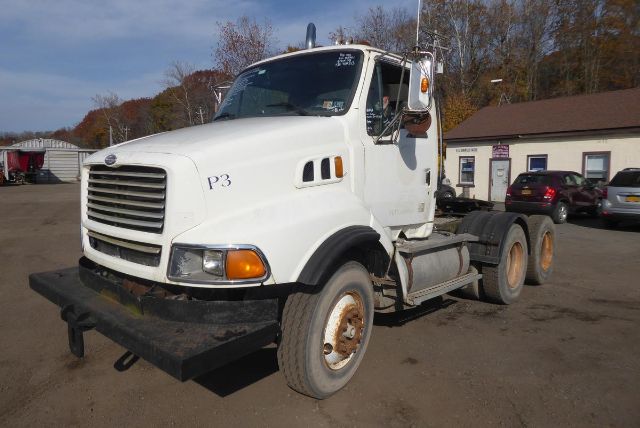
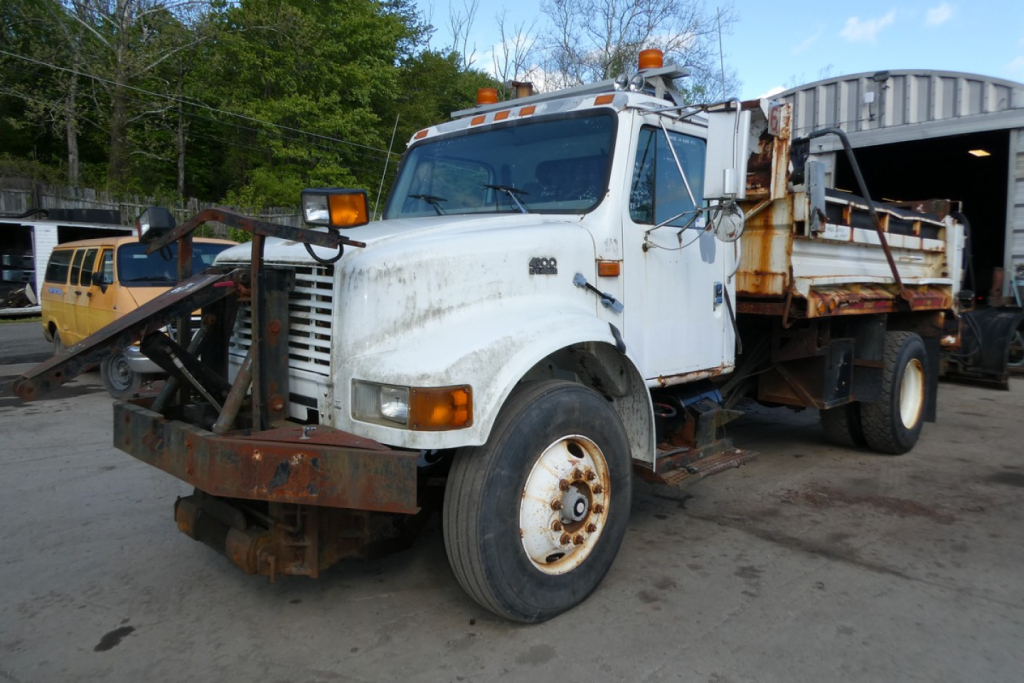
Browse 1998 trucks for sale in New York, including dump, day cab, and vocational models with specs that matter for hauling, municipal, and local work.
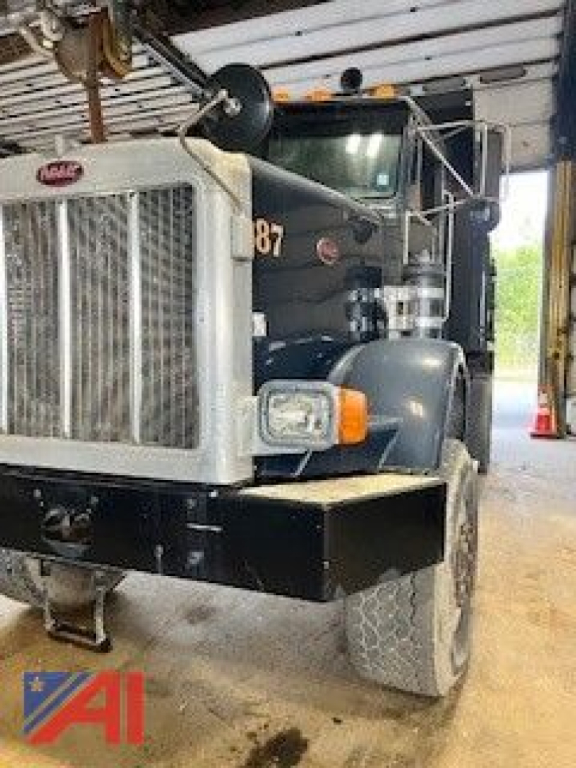
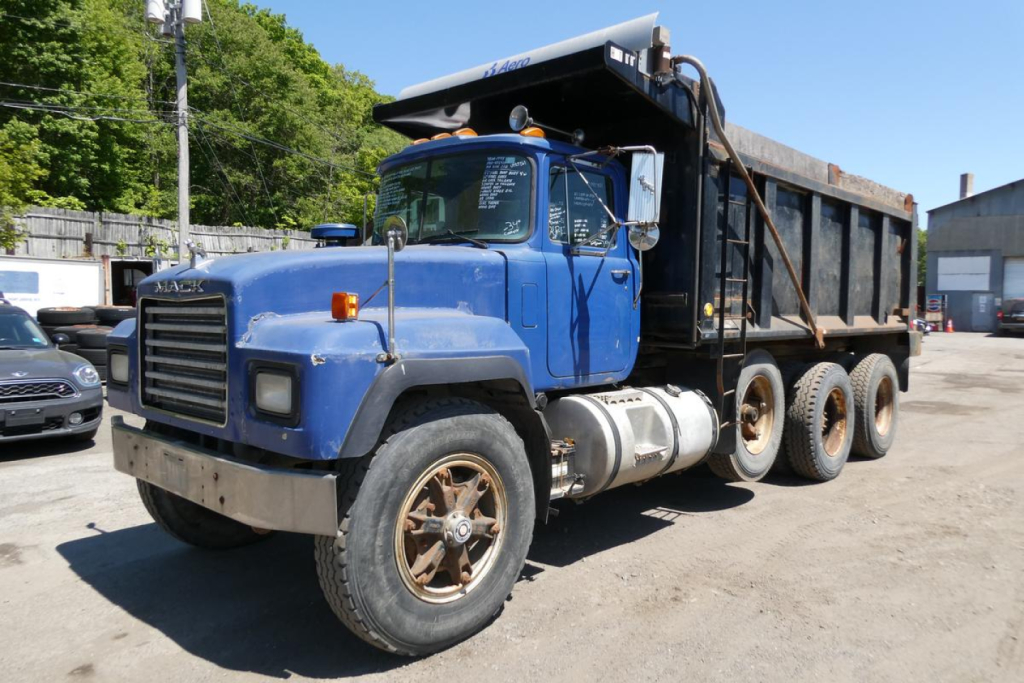
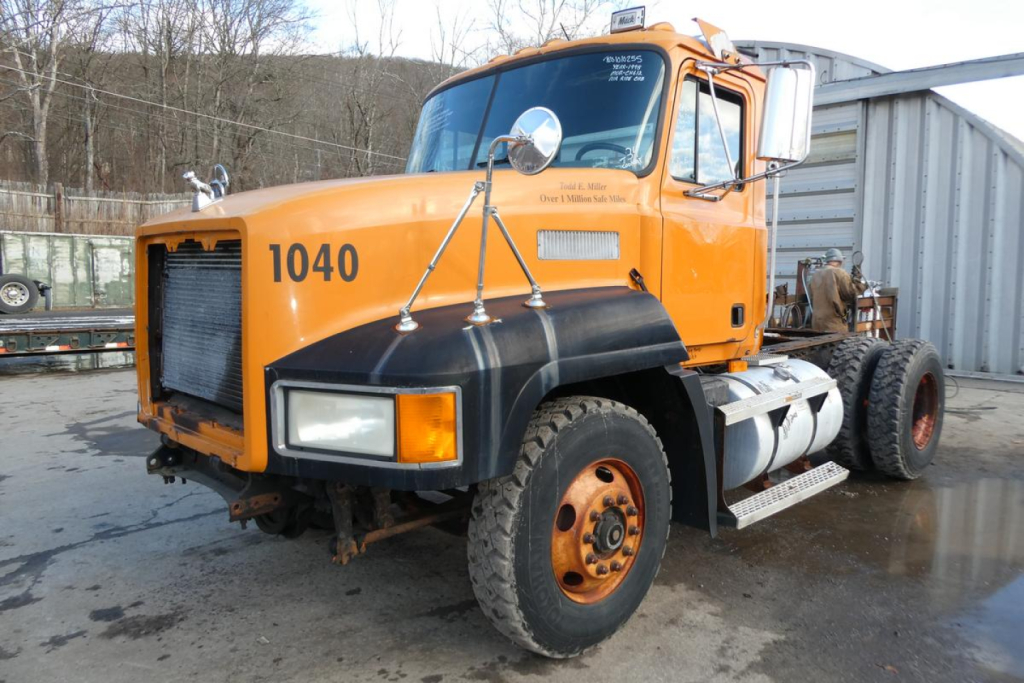
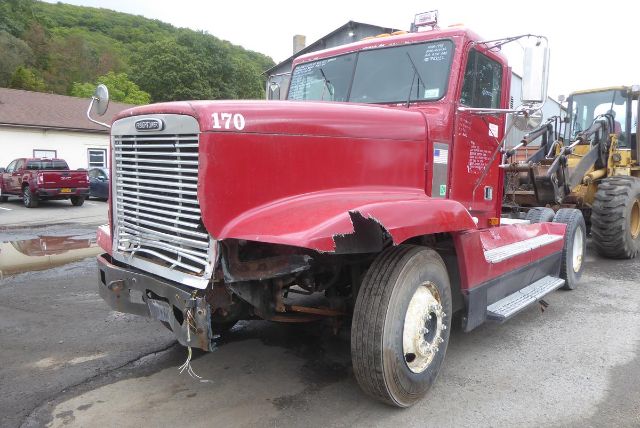
Selling a 1998 commercial truck? List your 1998 commercial truck for sale and reach thousands of commercial buyers.
1998 Commercial Trucks in New York
Specs vary widely because 1998 trucks cover everything from medium-duty chassis to tandem-axle vocational units. Common configurations include single-axle 4x2 trucks for local delivery, dump, utility, and landscape work, along with heavier tandem setups for construction and municipal use. Buyers in New York should pay close attention to GVWR, front and rear axle ratings, spring versus air-ride suspension, wheelbase, cab-to-axle, and PTO or wet kit provisions if the truck will run a dump body, plow, hoist, compressor, or other auxiliary equipment. For dump and vocational trucks, body condition, hoist cylinder leaks, tailgate operation, and whether the truck has a single, double, or partial double frame are all practical buying points.
Rust evaluation is especially important on older trucks in the Northeast. Frame rails, crossmembers, cab mounts, brake lines, fuel tank straps, spring hangers, and body sills deserve a close look. If the truck has seen snow and salt service, inspect plow mounts, hydraulic plumbing, spreader controls, and front axle loading history. Engine choice on a 1998 truck often comes down to proven medium-duty diesel platforms, but buyers should still verify cold-start behavior, blow-by, oil and coolant condition, transmission engagement, clutch feel, and differential noise under load. Odometer readings on older vocational trucks can be misleading if the real story is engine hours, PTO hours, and idle time, so hour meter data can be just as valuable as mileage.
The best 1998 trucks for sale are usually the ones matched to a narrow job, not expected to do everything. A well-kept 1998 dump truck can still be productive for snow work, aggregate, demolition, or property maintenance. A straight truck from this era can fit local delivery, equipment hauling, or municipal support roles if axle ratings and body specs line up with the job. Buyers comparing listings should think in terms of total reconditioning cost, parts availability, registration class, and downtime exposure. On a truck this age, a clean frame, sound hydraulics, and a properly operating drivetrain often have more value than cosmetic appearance.
Frequently Asked Questions about 1998 Commercial Trucks in New York
Are 1998 trucks a good buy for commercial use?
A 1998 truck can be a good buy when it is purchased for the right duty cycle and inspected carefully. These trucks are often best suited for local, seasonal, municipal, farm, or backup service where lower purchase price matters more than late-model comfort or emissions technology. The key is to budget for reconditioning and verify structural condition, brake system health, drivetrain performance, and parts support before purchase.
What should I inspect first on a 1998 truck in New York?
Start with rust and structural integrity. In New York, frame rails, crossmembers, cab mounts, suspension hangers, brake lines, hydraulic lines, dump body supports, and floor structure can all be affected by corrosion. After that, inspect the engine for blow-by and leaks, confirm transmission operation, test brakes and steering, and check whether PTO, hoist, plow, or other hydraulic systems work correctly under load.
Are pre-emissions 1998 diesel trucks easier to maintain?
Many 1998 diesel trucks are simpler than newer emissions-era models because they typically do not have DPF, SCR, or DEF systems. That can reduce diagnostic complexity and make them attractive to buyers who use independent repair shops or handle some maintenance in-house. Simpler does not always mean cheaper, though, because age-related issues such as seals, wiring, injectors, cooling systems, and hard-to-find parts can still drive repair costs.
What specs matter most when buying a 1998 dump or vocational truck?
The most important specs are GVWR, axle ratings, wheelbase, cab-to-axle, suspension type, transmission, PTO setup, and frame design. For a dump truck, body size, steel condition, hoist cylinder performance, tailgate function, and whether the truck has a double or partial double frame are critical. Those details determine payload, upfit compatibility, and how well the truck will hold up in construction, municipal, or snow-plow service.
How do I compare mileage on older trucks with vocational use?
Mileage alone does not tell the full story on an older vocational truck. A truck with relatively low miles may still have high engine hours, heavy PTO use, and long idle time, all of which affect engine and hydraulic wear. When possible, compare odometer readings with hour meter data, maintenance records, and visible wear on pedals, seat, controls, dump hoist components, and driveline parts to get a more accurate picture of actual use.