
1998 Commercial Trucks For Sale
1998 trucks and semi trucks for sale with pre-emissions engines. Understand ELD exemption, common specs, and key inspections before you buy.
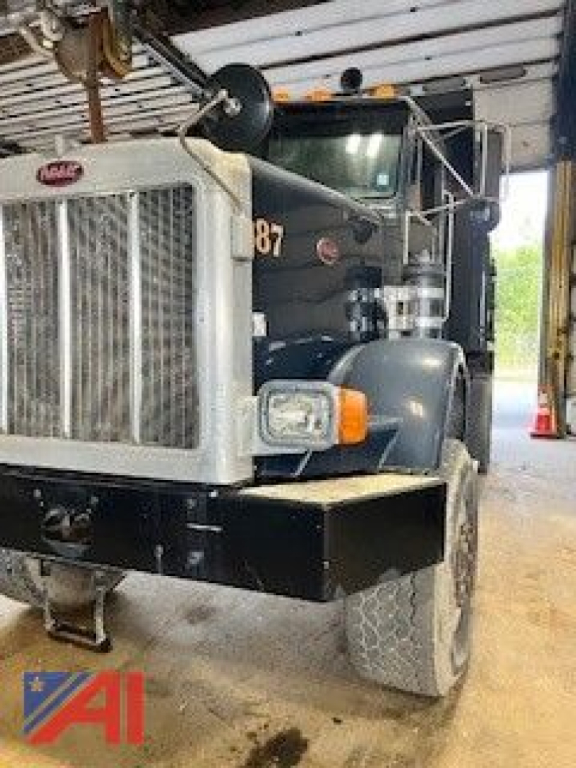
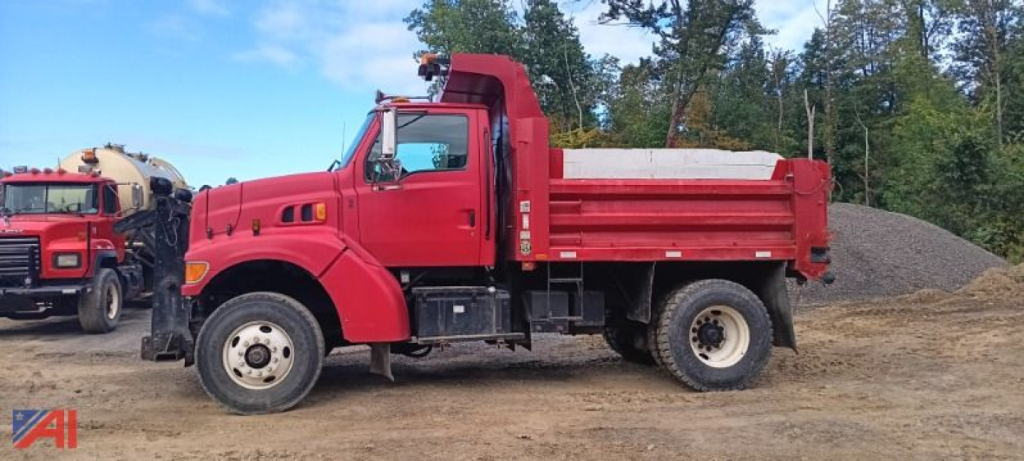
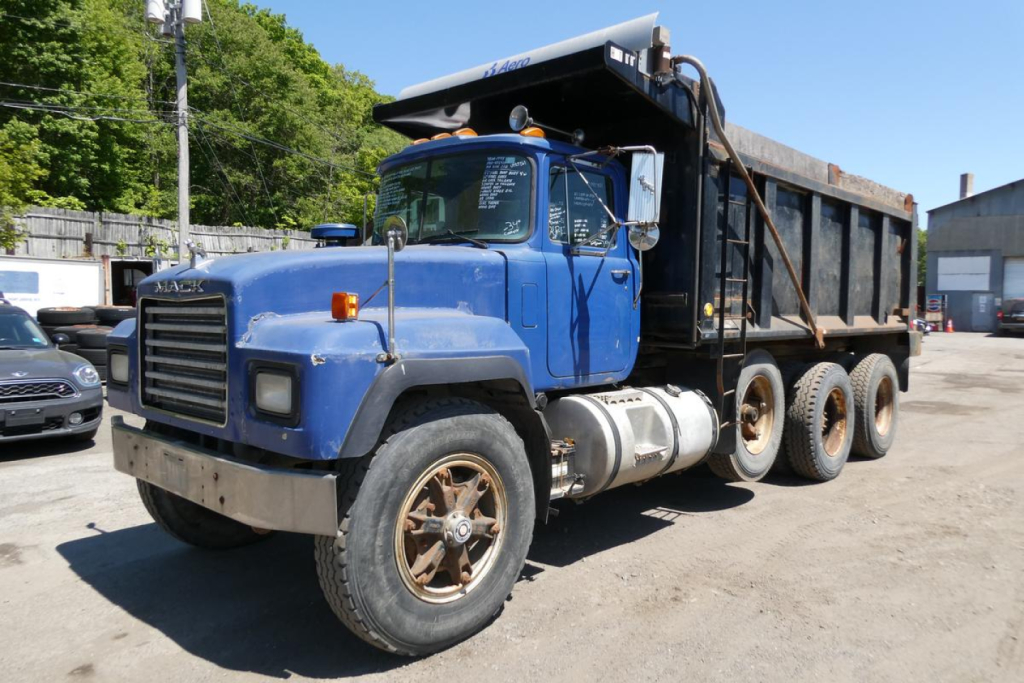
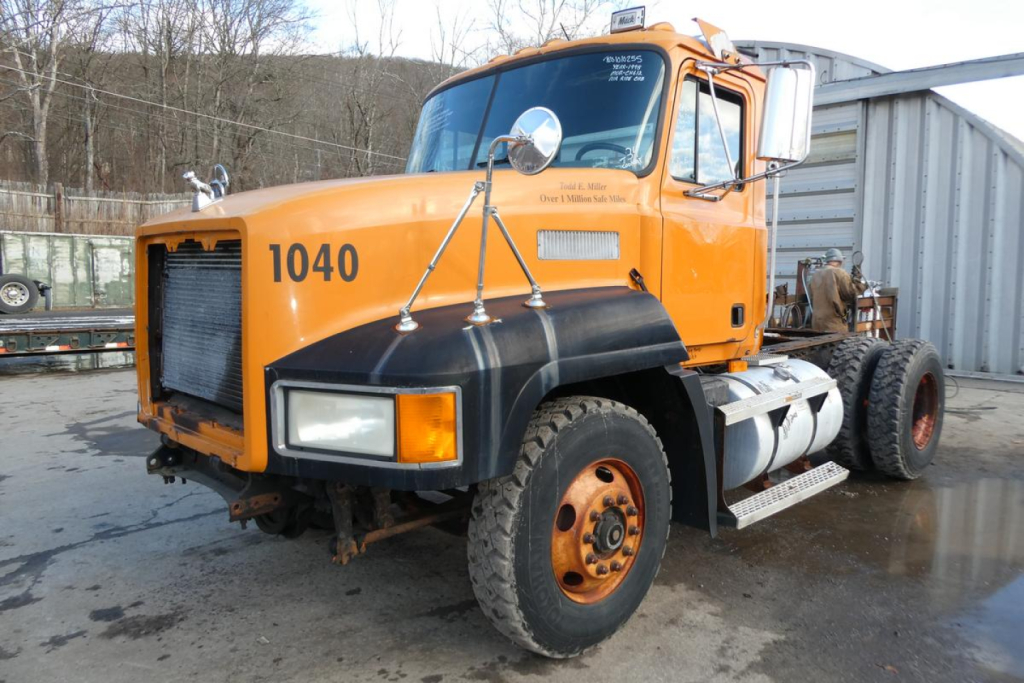
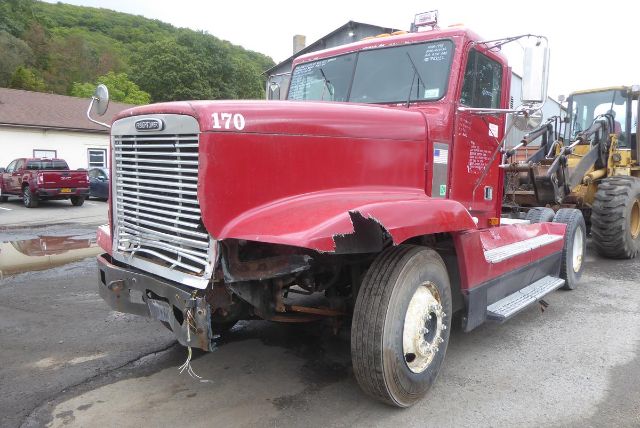
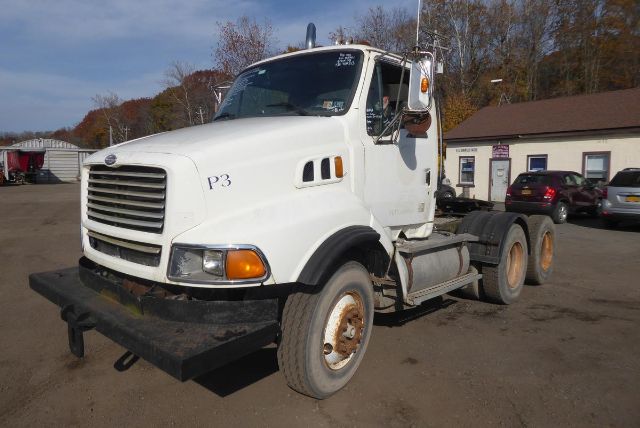
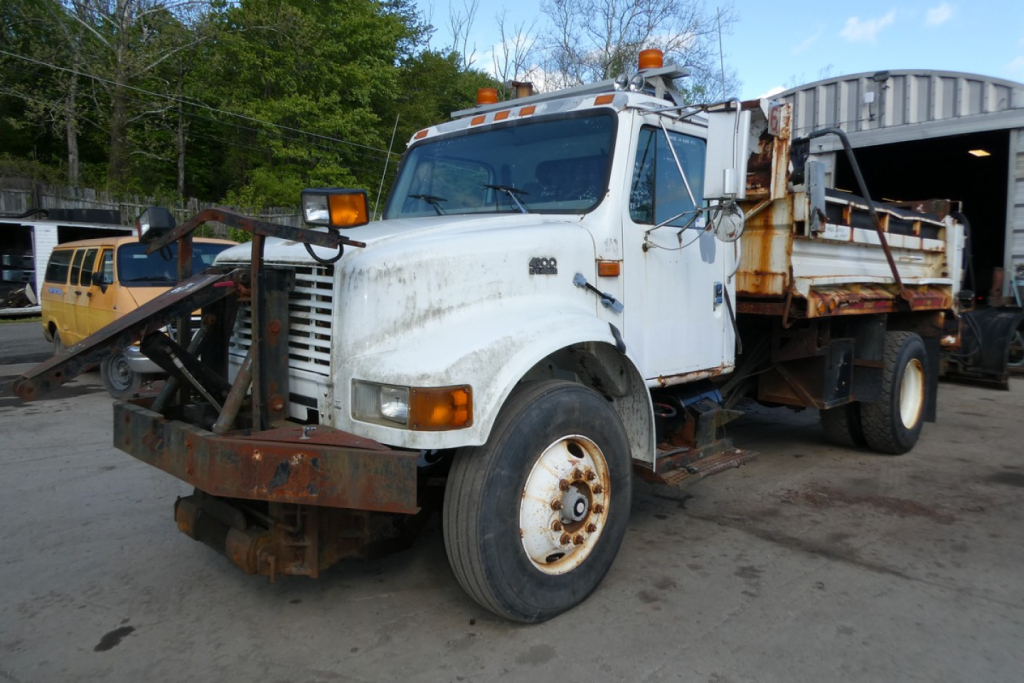
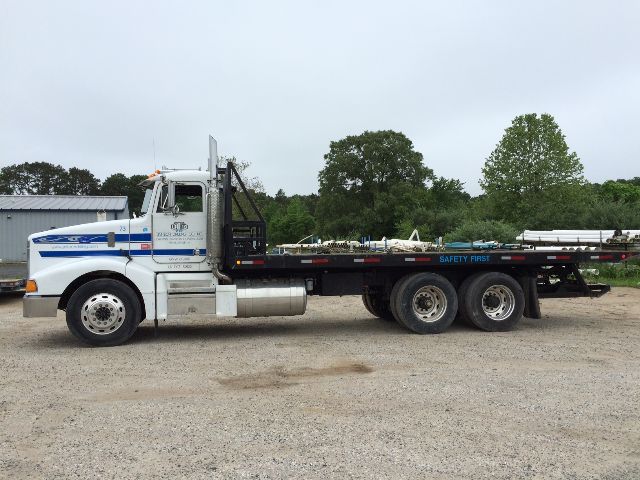
Selling a 1998 commercial truck? List your 1998 commercial truck for sale and reach thousands of commercial buyers.
1998 Commercial Trucks
Common 1998 semi truck power options include the Detroit Series 60 12.7, Cummins N14 Celect Plus and M11, and Caterpillar 3406E and C12. These engines are known for mechanical simplicity compared to later EGR and aftertreatment designs, but they have their own watchouts: N14 ECM solder and sensor issues, 3406E injector and wiring harness wear, and coolant management on all platforms. Drivetrains often pair Eaton Fuller 9-, 10-, 13-, or 18-speed manuals with 40k tandems, 3.55 to 3.90 rears, and 22.5 tires. Expect J1587-J1708 data links and early ABS. Electronic controls are present, but diagnostics and parts remain widely available. Safety tech is basic by modern standards. Collision mitigation, lane departure, and disc brakes are uncommon; you are typically looking at drum brakes, manual HVAC controls, and analog gauges.
Inspection matters more than model badge. Verify blow-by and oil pressure hot, pull an oil sample, run an ECM report where possible, and confirm overheads and injector calibrations are current. Check frame rails for rust jacking, crossmember cracks, and fifth wheel condition. Inspect suspension bushings, torque rods, spring hangers, airbags, and ride height control valves. On steer axles, assess kingpins and wheel bearings. Cooling packages on older trucks can hide leaks at charge-air coolers and radiators, so pressure-test and look for soot trails. Electrical harnesses and grounds age, so inspect loom, connectors, and cab pass-throughs. If you plan to claim ELD exemption, confirm the engine’s EPA tag year and keep documentation in the cab.
Applications span day cab regional haul, farm and construction vocational builds like dumps or roll-offs, and budget long-haul sleepers. Many 1998 trucks are candidates for export or repower projects. Expect heavier clutches, more cab noise, and less aero efficiency than late-model tractors, which affects fuel burn and driver comfort. Parts support for major engines, transmissions, axles, and brake components is still strong, though some cab trim and dash pieces may be limited. Some lenders cap age on financing, so plan for larger down payments or cash buys, and verify insurance requirements for older equipment.
Frequently Asked Questions about 1998 Commercial Trucks
Are 1998 trucks ELD-exempt?
Usually yes if the engine model year is 1999 or older. ELD rules are based on engine year, not the chassis VIN year. Confirm the EPA engine label or OEM documentation and keep a copy in the cab. If a 1998 truck was repowered with a 2000 or newer engine, it likely loses the exemption.
Can I run a 1998 truck in California or at the ports?
California’s Truck and Bus Regulation generally requires 2010 or newer diesel engines for most on-road uses, and ports enforce strict drayage rules. A 1998 engine typically does not comply. Some limited-use, off-road, agricultural, or private property operations may be allowed, and repowers can restore compliance. Check CARB rules before purchase.
What engines and transmissions are common in 1998 semi trucks?
You will commonly see Detroit Series 60 12.7, Cummins N14 Celect Plus and M11, and Caterpillar 3406E or C12 paired with Eaton Fuller 9-, 10-, 13-, or 18-speed manuals. Rear axles are often 40k tandems with 3.55 to 3.90 ratios. Expect J1587-J1708 diagnostics and early ABS systems rather than modern J1939 and advanced safety tech.
What should I inspect on a 1998 truck before purchase?
Focus on engine health with a hot test, blow-by check, oil sample, and ECM report if available. Inspect frames for rust and cracks, verify suspension bushings and torque rods, check the fifth wheel, and test the cooling and charge-air system for leaks. Evaluate electrical harness condition and grounds. Confirm brake lining thickness, drum condition, and ABS functionality.
Are parts still available for 1998 models?
Yes for core components. Engines, transmissions, axles, clutches, wheel ends, brake parts, and many sensors remain readily available from OEM and aftermarket sources. Some cab interior pieces, trim, and proprietary electronics may be limited, but service-critical parts for Series 60, N14, 3406E, and Eaton Fuller gearboxes are still widely supported.