
1998 International Trucks For Sale
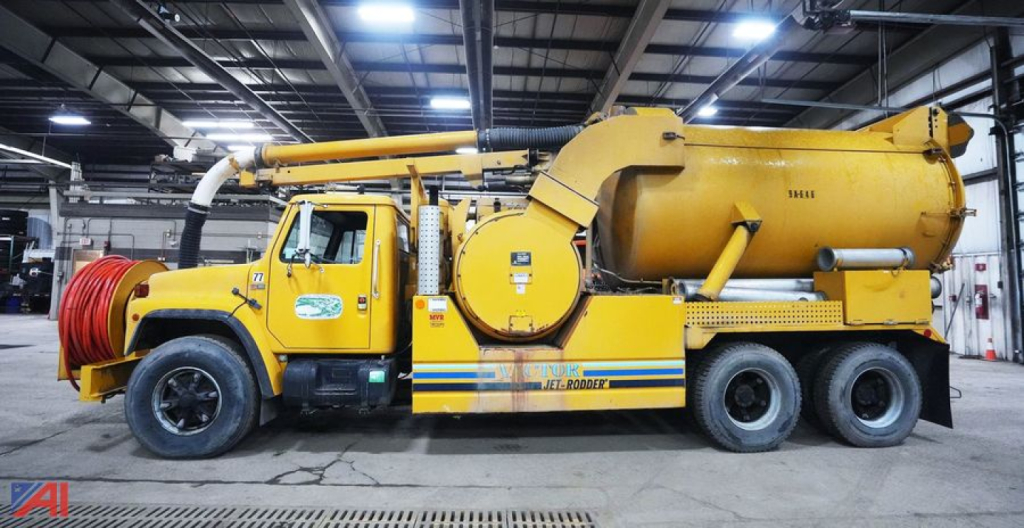
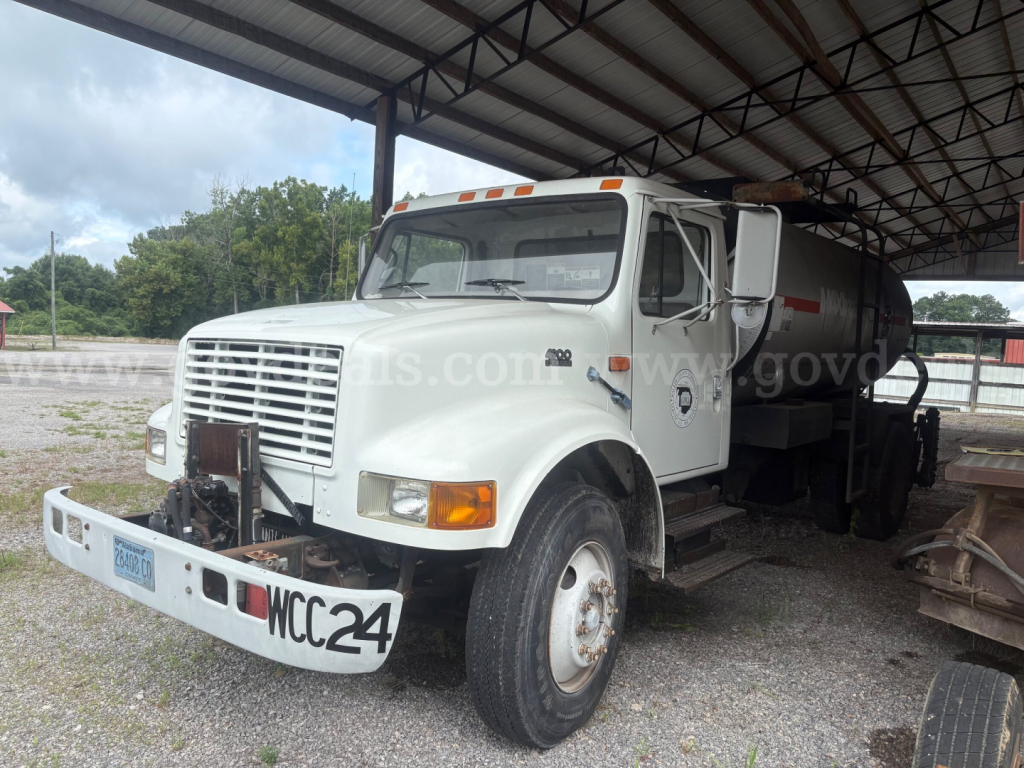
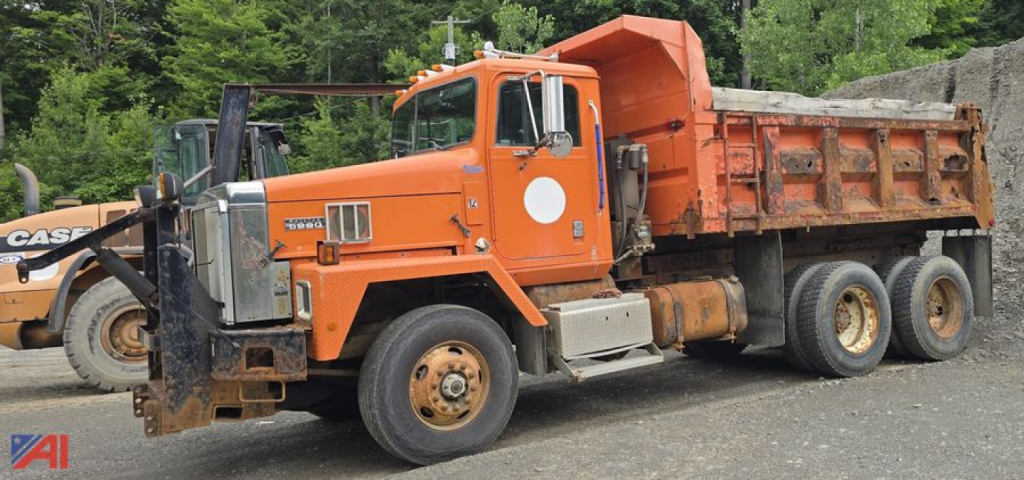
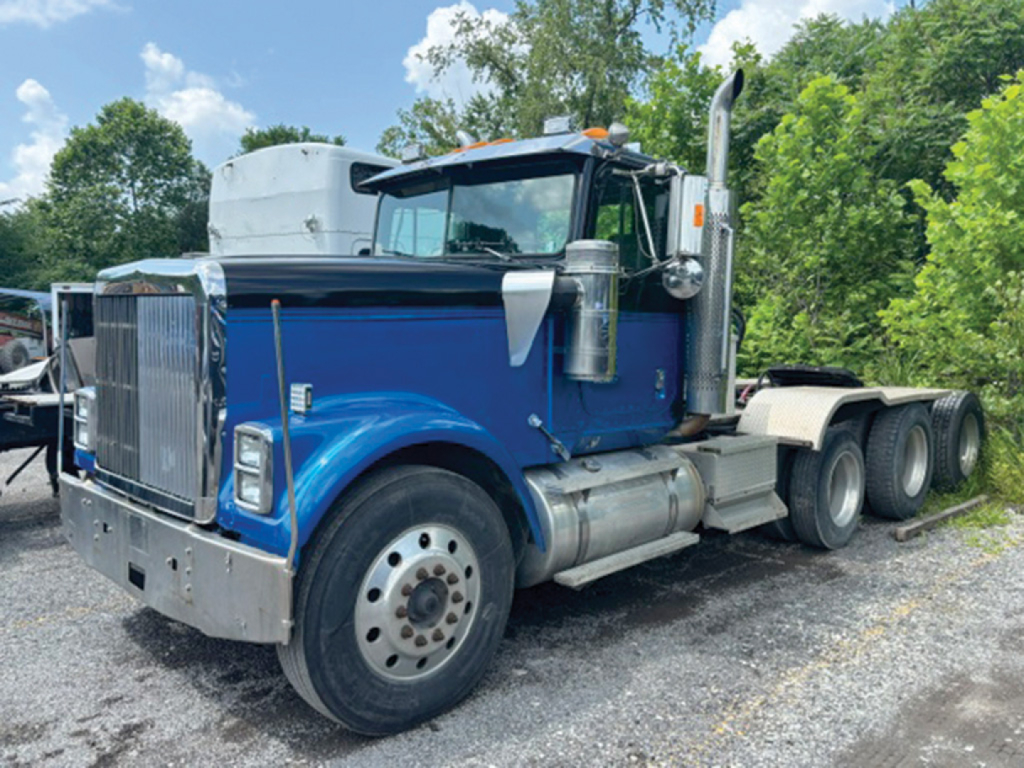
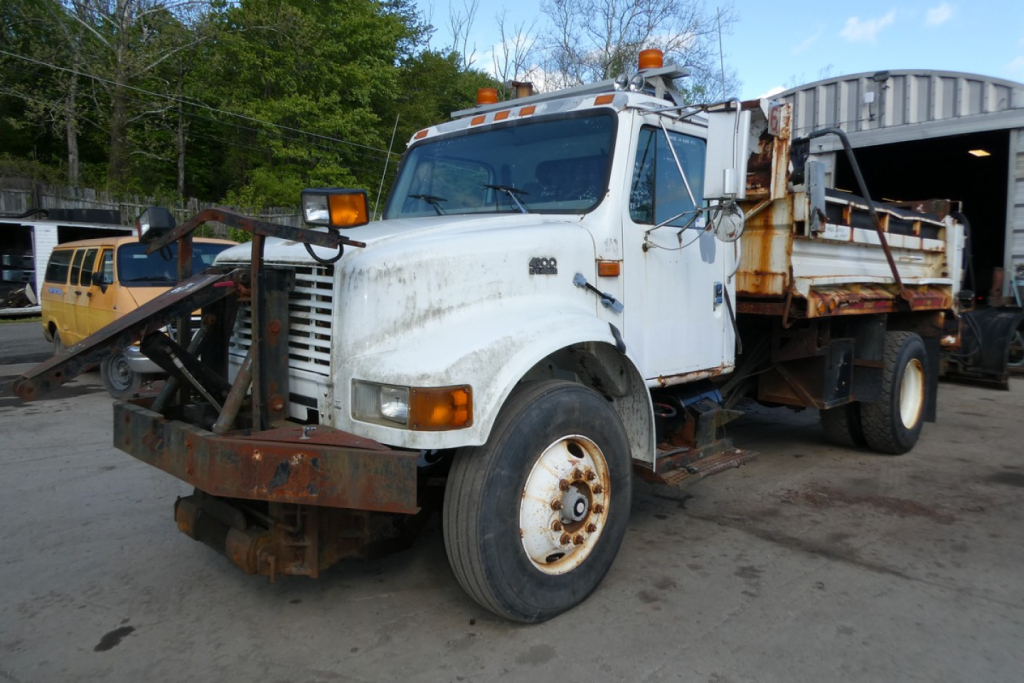
Have 1998 international truck to sell? List it here to reach thousands of buyers.
1998 International Trucks
For many buyers, the first decision is medium-duty versus heavy-duty. A 1998 International 4700, 4900, or similar platform is commonly used for box truck bodies, flatbeds, service trucks, stake beds, or light dump applications. Heavy-duty models such as the 8100, 8200, 8300, 9400, or 9900 are more likely to appear in tandem-axle vocational work or highway tractor service. Diesel engines from International and Cummins are common in this model year range, and transmissions may be manual, automatic, or automated depending on the original build. Buyers should pay attention to horsepower and torque ratings, rear axle ratio, brake type, and whether the truck is spring ride, air ride, or walking beam, since those specs directly affect payload, road speed, driver comfort, and operating cost.
A 1998 International truck is often bought for value, simplicity, and body upfit potential. Many were spec'd as cab and chassis units, which makes them relevant for contractors, municipalities, farmers, towing operations, and regional fleets that need a platform for a dump body, utility body, rollback, crane, or van body. On older Internationals, frame condition, crossmember integrity, steering and suspension wear, electrical health, and brake system condition deserve close inspection. If the truck is a tractor, look at wheelbase, fifth wheel type, sliding versus fixed setup, and front axle set-back or set-forward layout. If it is a vocational unit, verify PTO operation, hoist condition, hydraulic leaks, and how the body was mounted to the frame.
Because these trucks are now well into used-equipment territory, emissions complexity is usually lower than on newer models, but age-related issues become the tradeoff. Service records, rust exposure, injector and turbo history, cooling system condition, driveline wear, and tire date codes can tell you more than the odometer by itself. A well-spec'd 1998 International truck can still make sense for seasonal work, farm use, local hauling, or as a backup unit, especially when parts support and mechanical accessibility are priorities. The best purchase is usually the truck with the right axle, frame, and drivetrain for the intended body or route, not simply the lowest upfront price.
Frequently Asked Questions about 1998 International Trucks
What are the most common uses for a 1998 International truck?
1998 International trucks are commonly used in medium-duty delivery, dump work, municipal service, flatbed hauling, utility service, towing, and regional tractor applications. The exact use depends on the original chassis spec. Single-axle models often suit box, stake, service, or light dump bodies, while tandem-axle and heavier platforms are more common in construction, equipment hauling, and tractor duty.
Which specs matter most when buying a 1998 International truck?
The most important specs are GVWR, axle ratings, wheelbase, engine, transmission, suspension, and rear axle ratio. These determine payload capacity, legal operating weight, body compatibility, cruising speed, and how well the truck handles stop-and-go or off-road work. On an older truck, frame condition and brake system type are also critical because repair costs can quickly change the value of the unit.
Are 1998 International trucks good for body swaps or custom upfits?
Yes, many 1998 International trucks are good candidates for body swaps and vocational upfits because they were originally sold in cab and chassis configurations with straightforward frame layouts. Buyers should confirm wheelbase, frame rail dimensions, PTO provision, suspension capacity, and any frame modifications before planning a dump body, service body, rollback, or van installation. A clean, uncut frame is usually more desirable for repurposing.
What should I inspect first on an older International truck?
Start with the frame, cab mounts, suspension, steering components, brakes, tires, and driveline. Then review engine condition, cooling system health, transmission operation, and any hydraulic or PTO equipment if the truck is vocational. Rust, deferred maintenance, and wiring repairs are common value drivers on trucks from this period, so a thorough undercarriage inspection is often more important than appearance.
Do 1998 International trucks still make sense for commercial work?
They can still make sense for commercial work when the operating profile is local, seasonal, agricultural, or backup duty and when the truck has the right spec for the job. Older Internationals are often valued for mechanical simplicity and lower acquisition cost. The key is to budget for age-related repairs and choose a truck whose chassis, engine, and axle setup already match the intended workload.