
1998 Dump Trucks For Sale
Shop 1998 dump trucks for hauling, site work, and municipal use. Compare body size, axle setup, engine, transmission, and PTO specs.
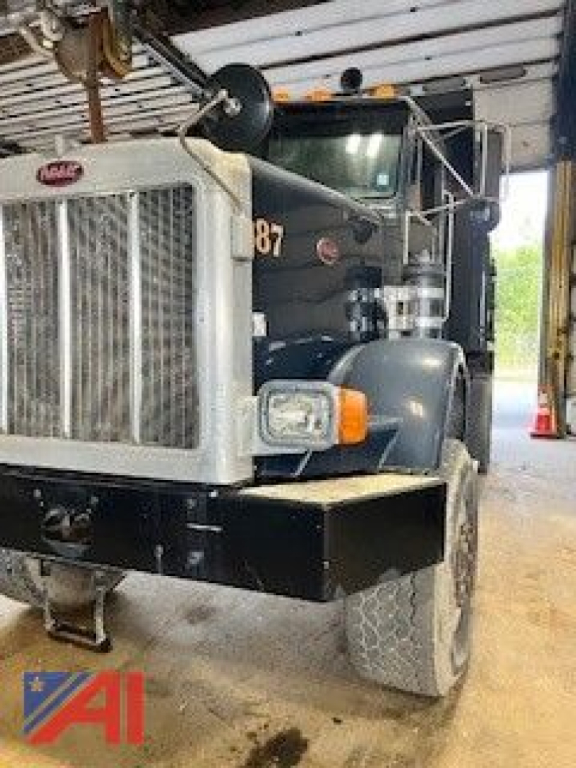
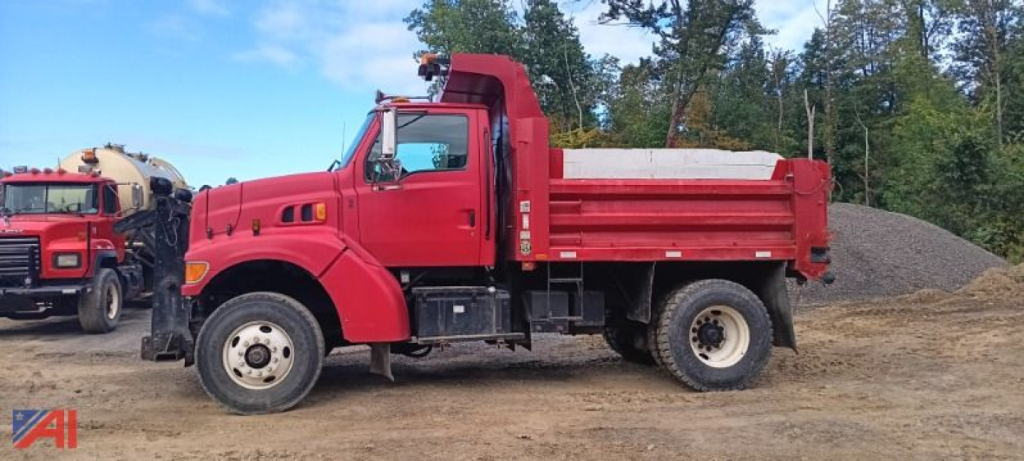
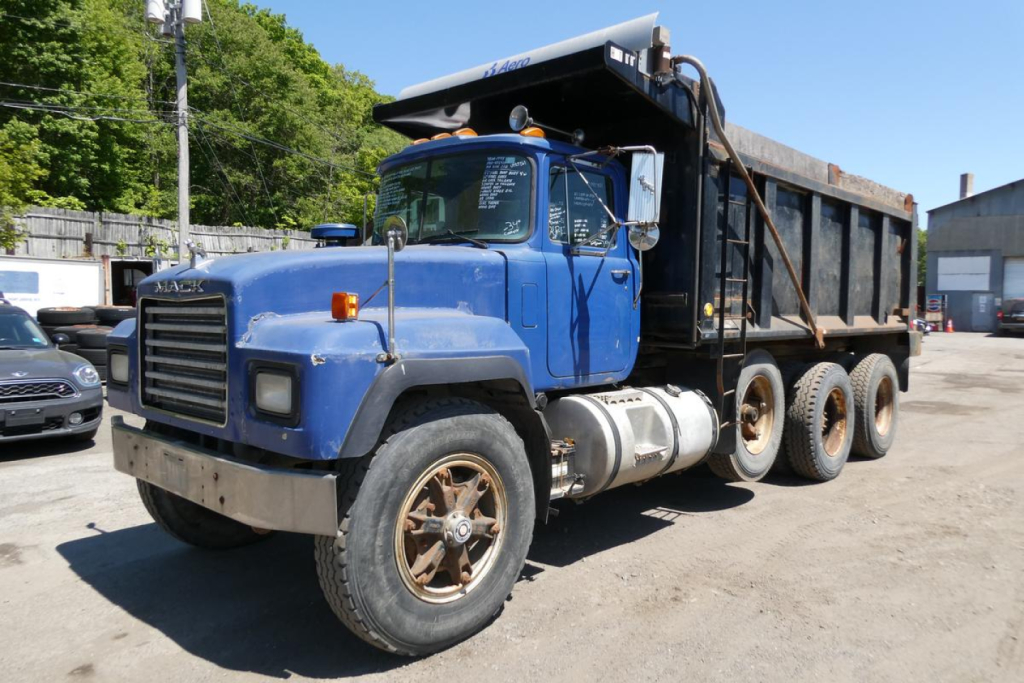
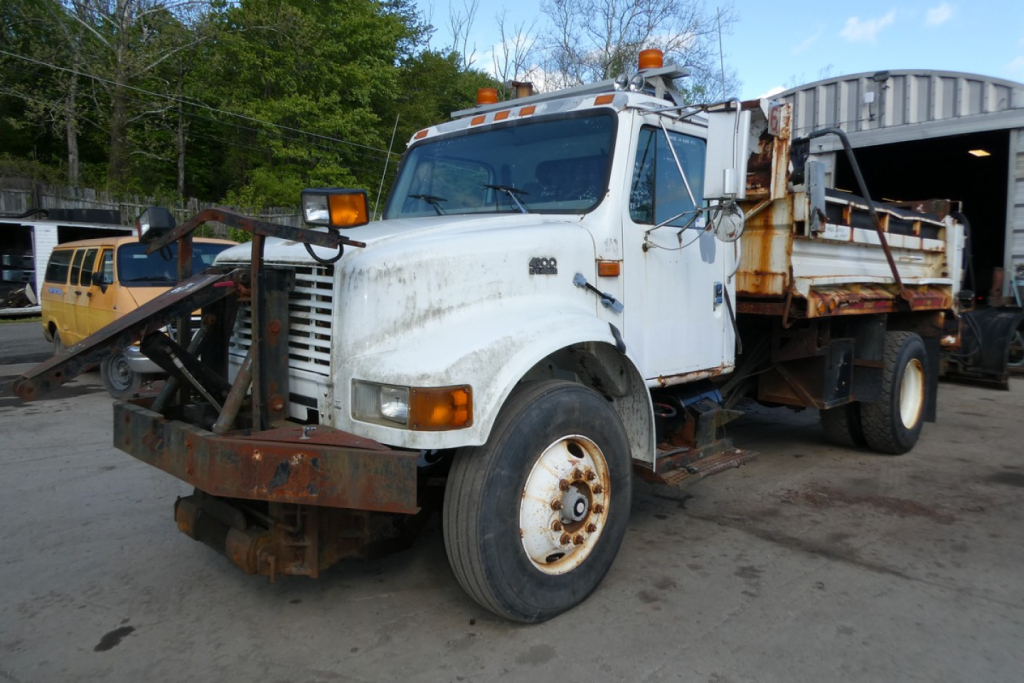
Selling a 1998 dump truck? List your 1998 dump truck for sale and reach thousands of commercial buyers.
1998 Dump Trucks
Body configuration matters as much as the cab and chassis. Common setups include single-axle municipal and landscape dumps, tandem axle construction trucks, and tri-axle or lift-axle configurations for higher legal payloads depending on the state. Buyers should compare body length, side height, steel thickness, floor condition, tailgate style, and hoist capacity. A 10 to 12 foot body is common on lighter single-axle trucks, while 14 to 16 foot bodies are often seen on tandem and tri-axle applications. If the truck is intended for rock, demolition, or abrasive aggregate, look closely for Hardox-type liners, patched floors, bowing sidewalls, and wear around the tailgate pins and top rail.
Powertrain specs on a 1998 dump truck often reflect the truck's original duty cycle. You will commonly see diesel engines from Cummins, Caterpillar, Detroit Diesel, Mack, or International paired with manual transmissions, though some automatic and automated options exist in lighter classes. Rear axle ratio, suspension type, and axle ratings have a direct effect on jobsite performance and legal payload. Spring suspensions remain common in dump applications because of durability, while heavier vocational rears, locking differentials, and double-frame construction are important on rough terrain. Buyers should also confirm front axle capacity, pusher or tag axle operation if equipped, and tire size to make sure the truck matches local bridge laws and intended material density.
The best 1998 dump truck for sale is the one that fits the work without forcing expensive reconfiguration. For paving and aggregate, prioritize body integrity, hoist speed, and axle ratings. For snow and municipal service, look for front plow provisions, hydraulic controls, central hydraulics, or combination dump and spreader compatibility. For farm, site prep, and small contractor use, a lighter single-axle truck may offer lower operating cost and easier maneuverability. In any case, service records, engine hours if available, PTO engagement quality, and signs of hard off-road use are usually more important than brand alone on a truck of this age.
Frequently Asked Questions about 1998 Dump Trucks
What should I inspect first on a 1998 dump truck?
Start with the frame, dump body, and hydraulic system. Check for rust-through, welded repairs, cracked crossmembers, body mount damage, hoist leaks, and worn hinge pins. Then verify PTO engagement, tailgate operation, brake function, and axle or suspension wear. On an older dump truck, structural condition usually matters more than paint or interior appearance.
Are 1998 dump trucks easier to maintain than newer models?
In many cases, yes. A 1998 dump truck often has fewer emissions components and less electronic complexity than later trucks, which can simplify diagnosis and repair. That does not automatically make it lower cost to own, because age-related wear on hydraulics, wiring, suspension, and drivetrain can still be significant. The real advantage is mechanical simplicity if the truck has been maintained well.
What axle setup is best for a 1998 dump truck?
The best axle setup depends on payload, jobsite access, and state weight laws. Single-axle dump trucks are easier to maneuver and often suit landscaping, municipal, and light construction work. Tandem axle trucks handle heavier material and harsher conditions. Tri-axle, tag axle, or pusher axle configurations can increase legal payload, but they add maintenance points and may not be necessary for every operation.
What transmission is common in a 1998 dump truck?
Manual transmissions are very common in 1998 dump trucks, especially in heavier vocational applications. Many buyers still prefer manual gearboxes for durability, control on grades, and lower replacement cost. Some medium-duty dump trucks from this era may have automatic transmissions, which can be useful in stop-and-go municipal or snow work. The right choice depends on driver preference, route conditions, and maintenance history.
How do I know if a 1998 dump truck is suited for heavy material like rock or asphalt?
Look at the body construction, axle ratings, suspension, and hoist design. Heavy material applications usually require a stronger floor, heavier sidewalls, robust tailgate hardware, and enough hoist capacity to raise a full load safely. Tandem or tri-axle trucks with vocational suspensions and appropriate rear ratios are generally better suited for dense materials than lighter single-axle units. Tire condition and legal payload capacity should also be verified before putting the truck into aggregate service.