
Cab and Chassis Trucks For Sale in New York
Shop cab and chassis trucks for sale in New York. Compare wheelbase, cab-to-axle, GVWR, axle ratings, frame specs, and upfit suitability.
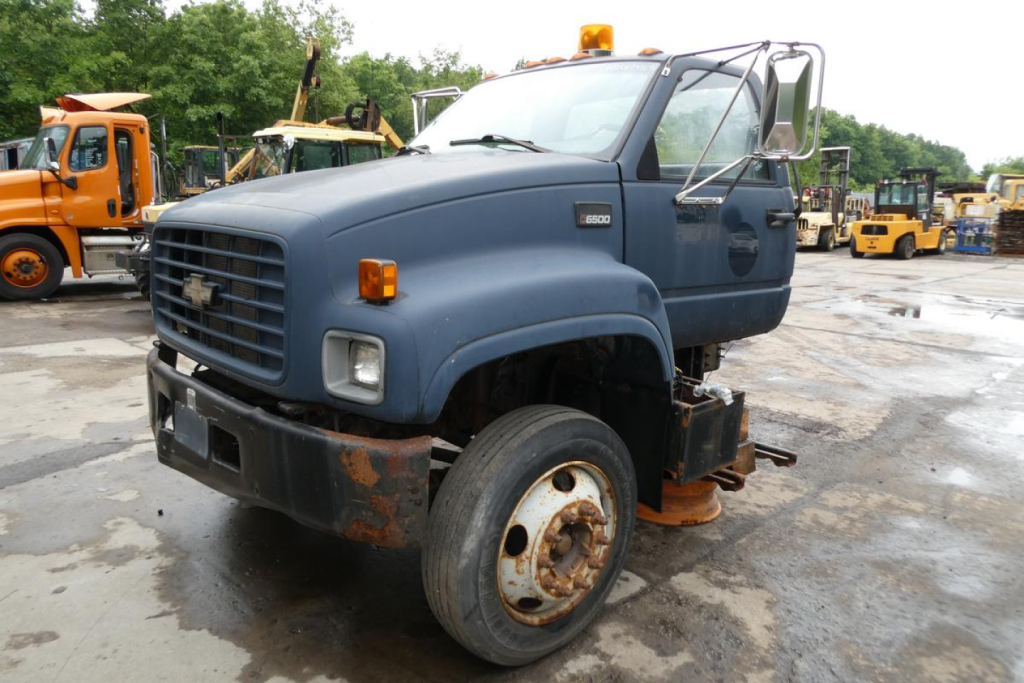
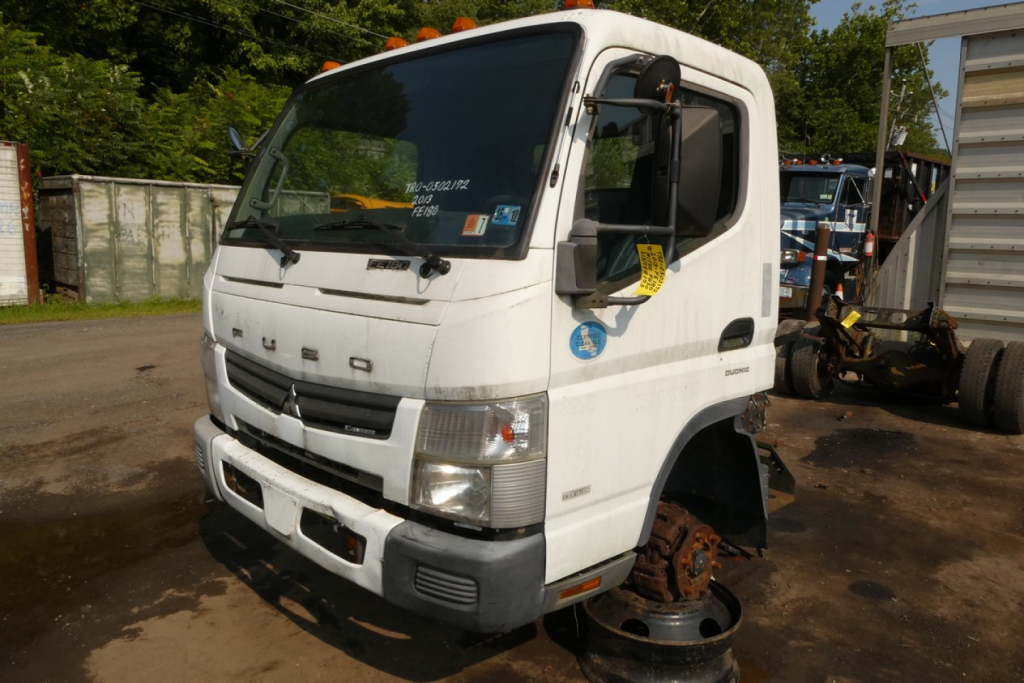
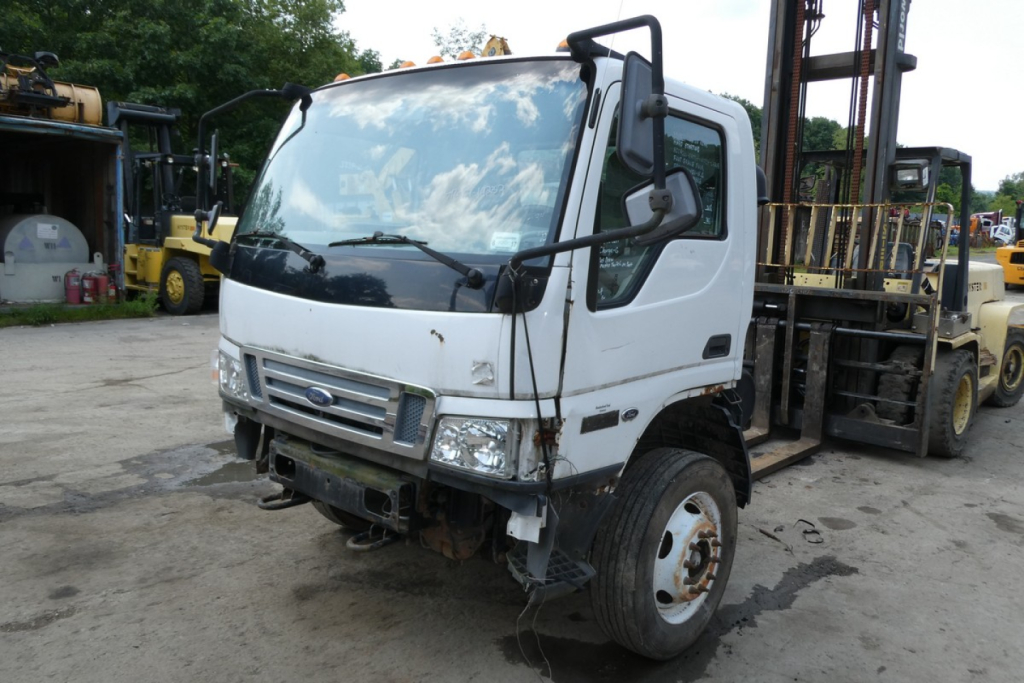
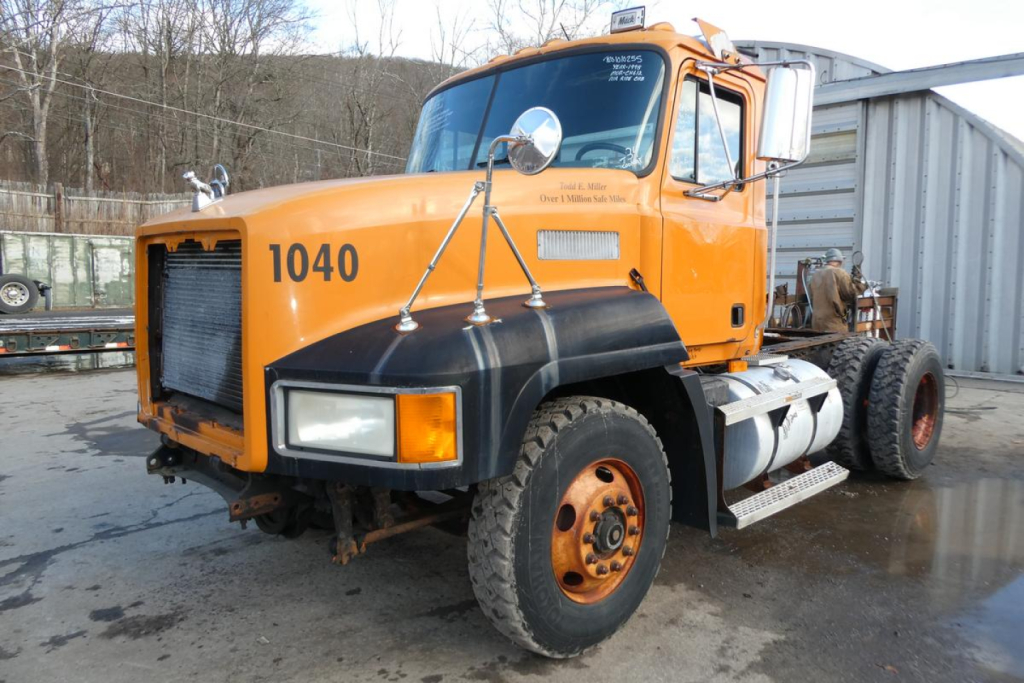
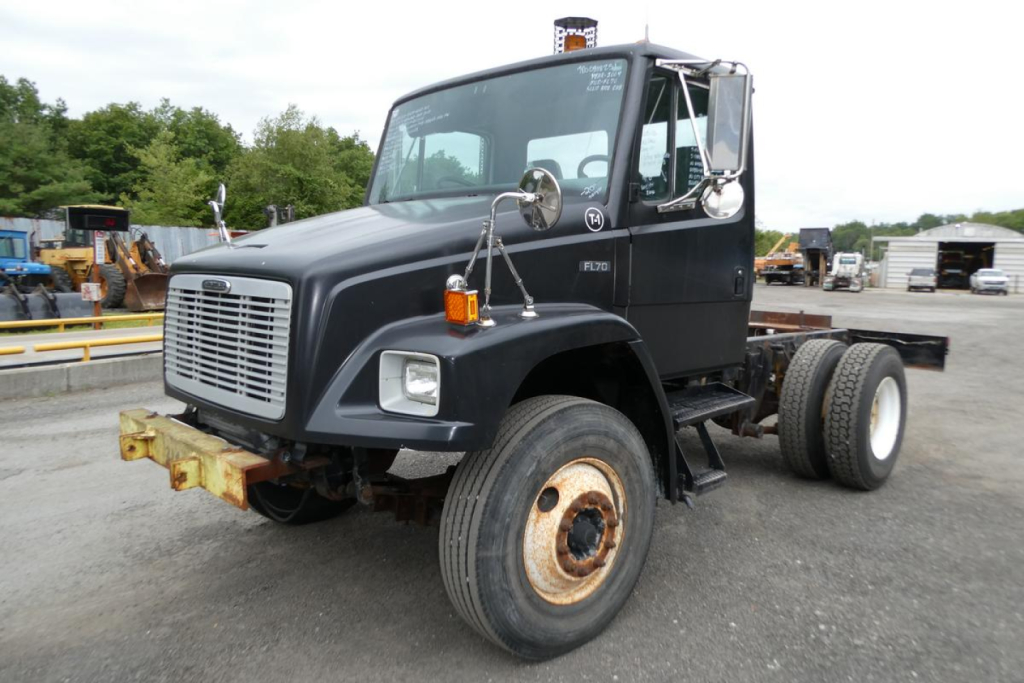
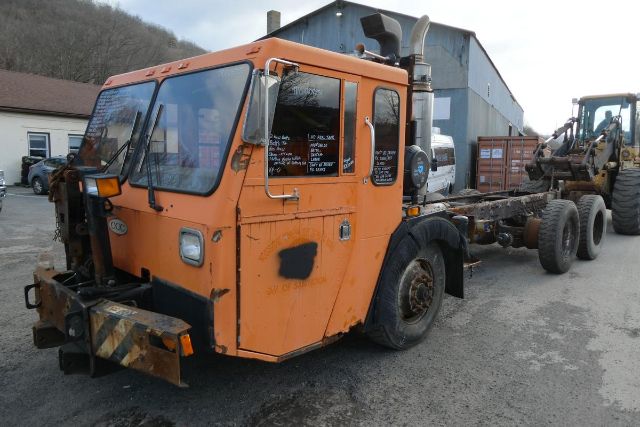
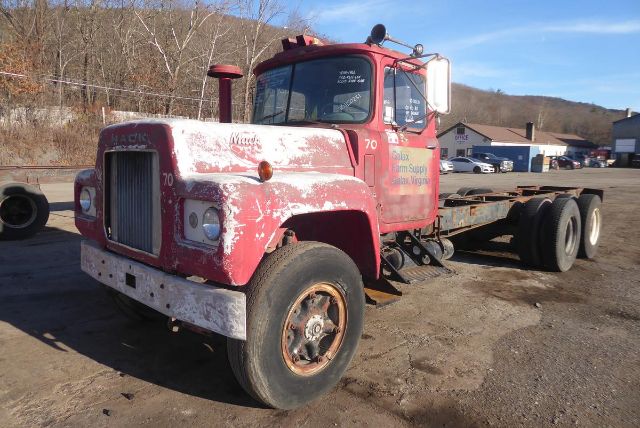
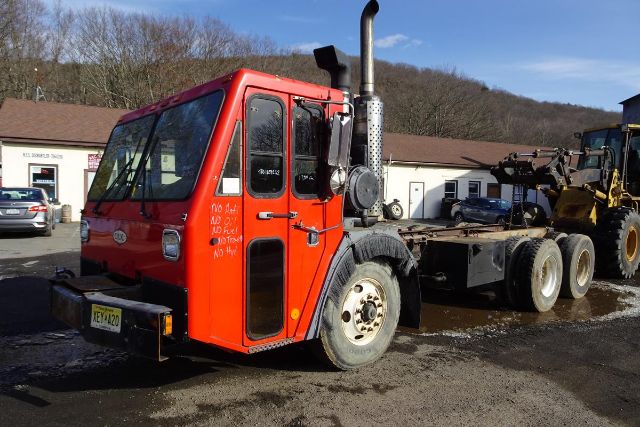
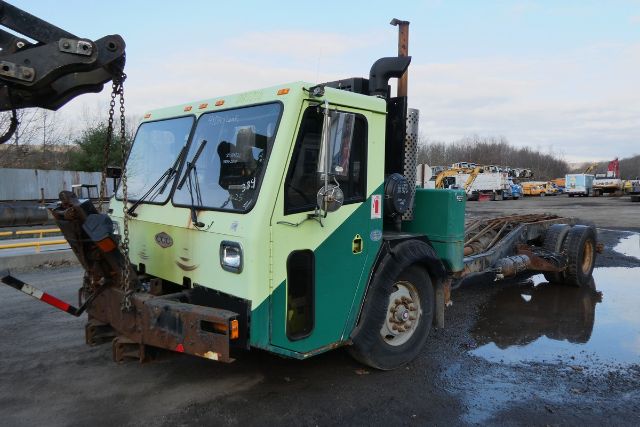
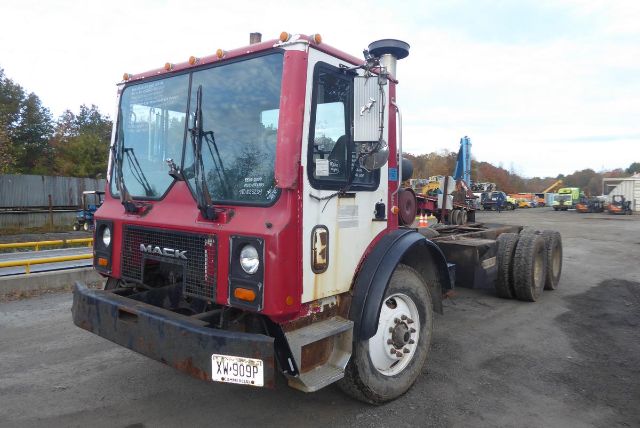
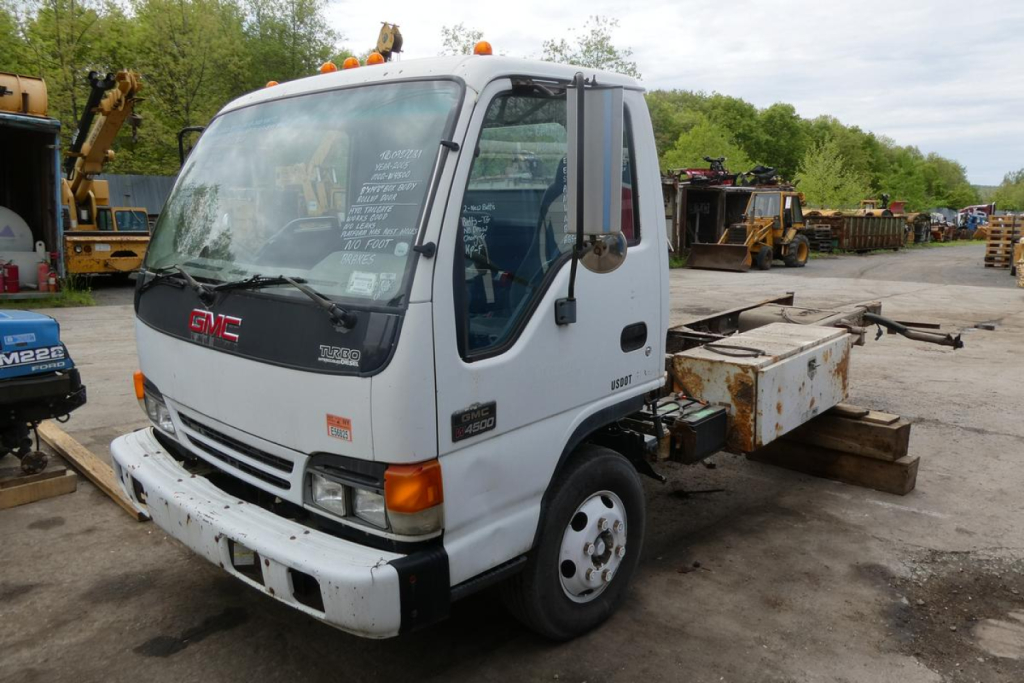
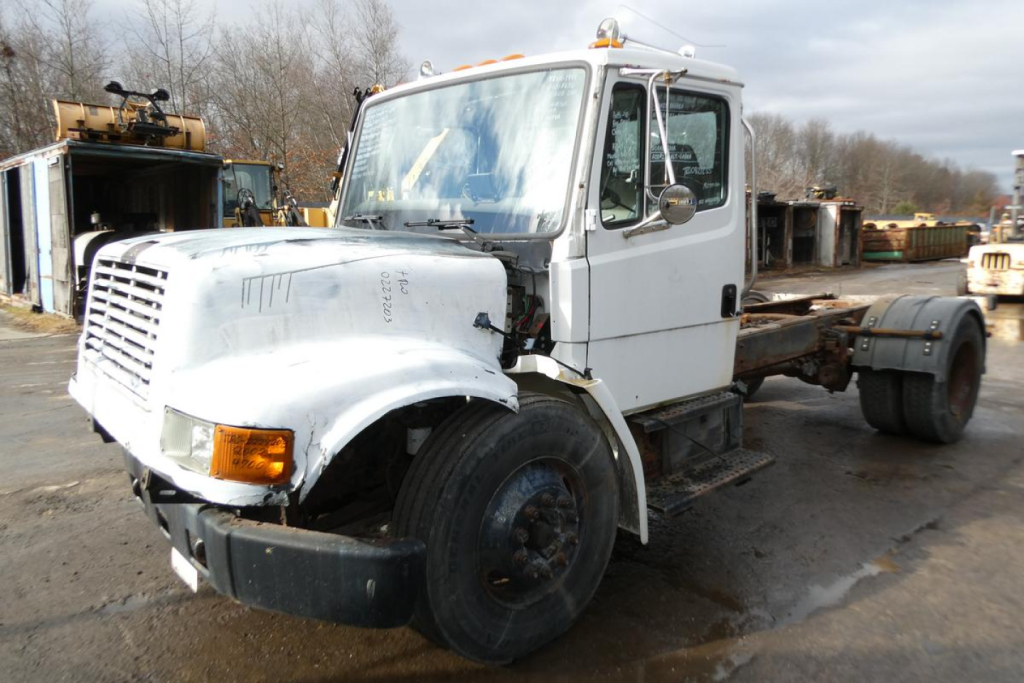
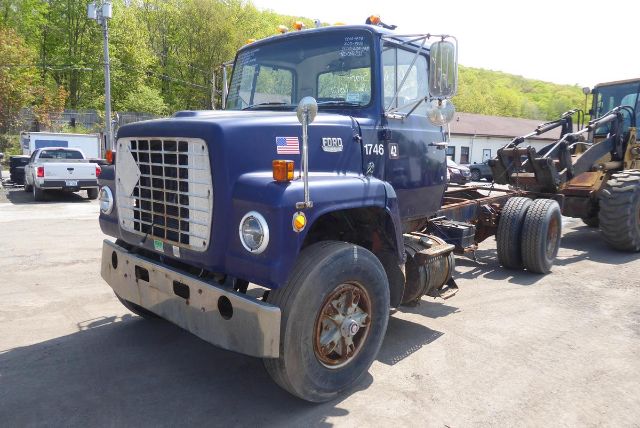
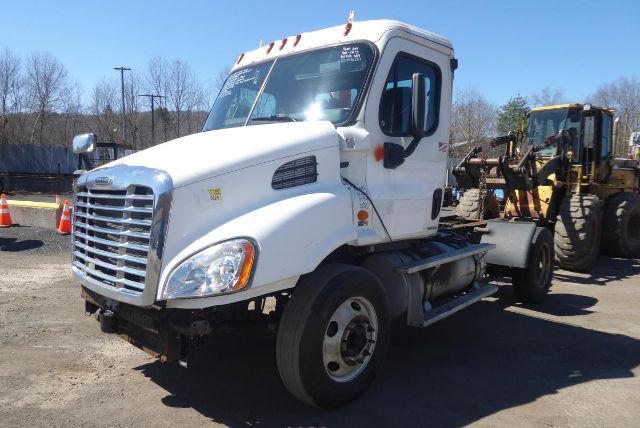
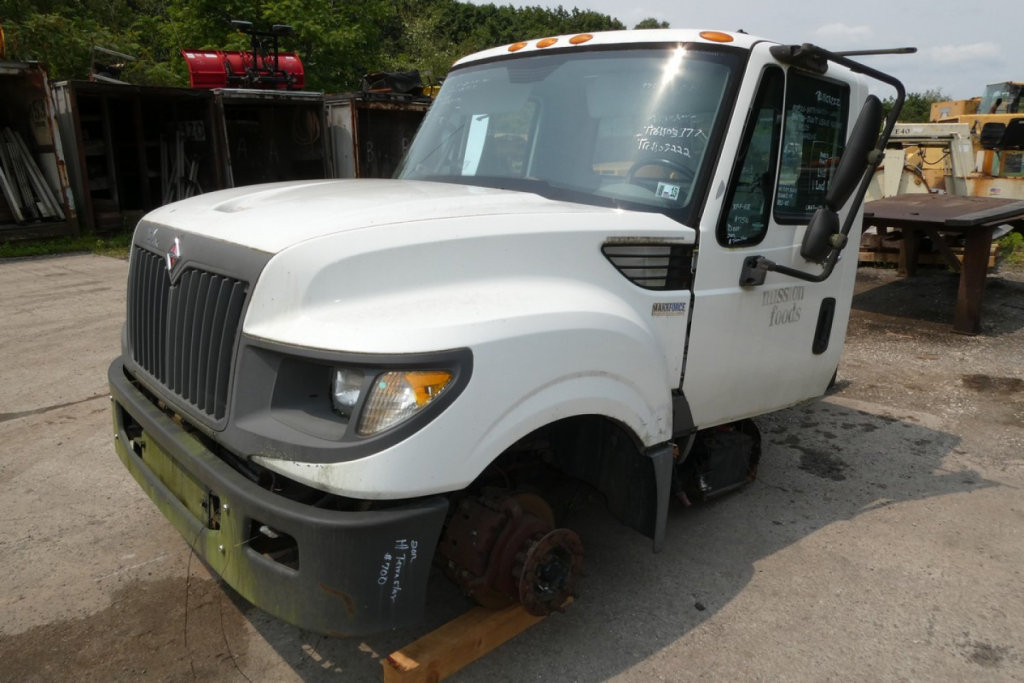
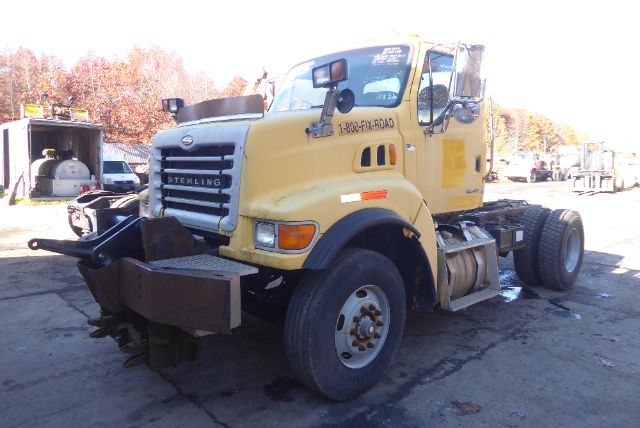
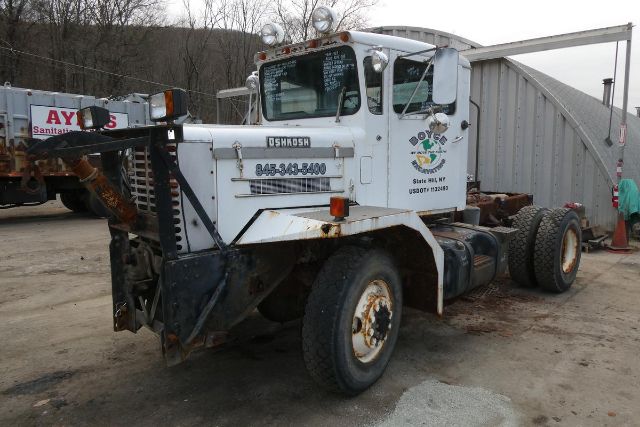
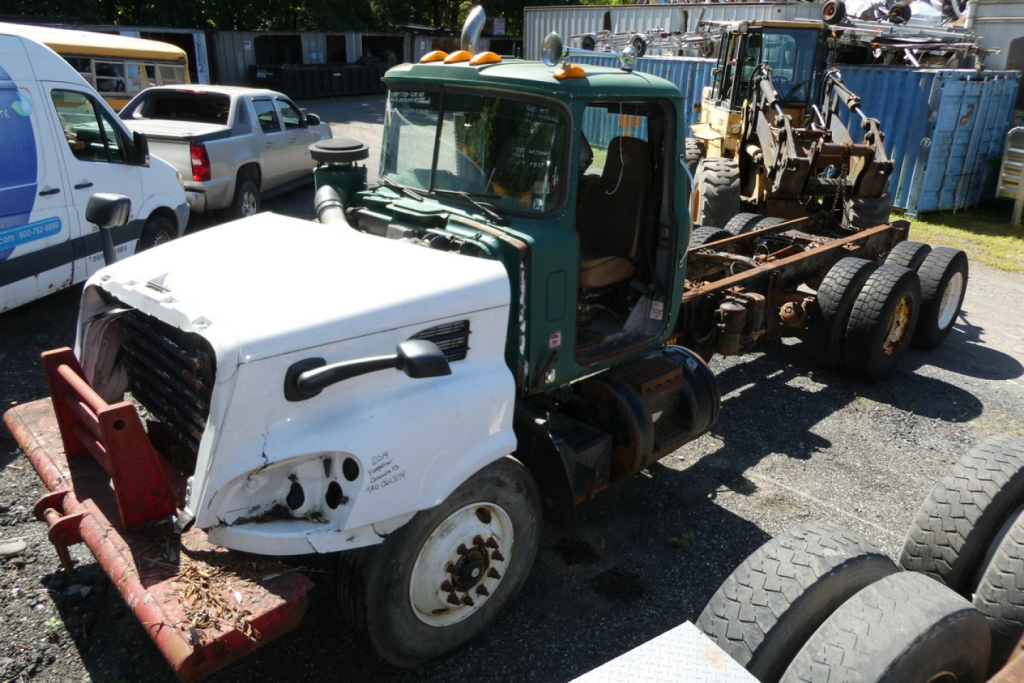
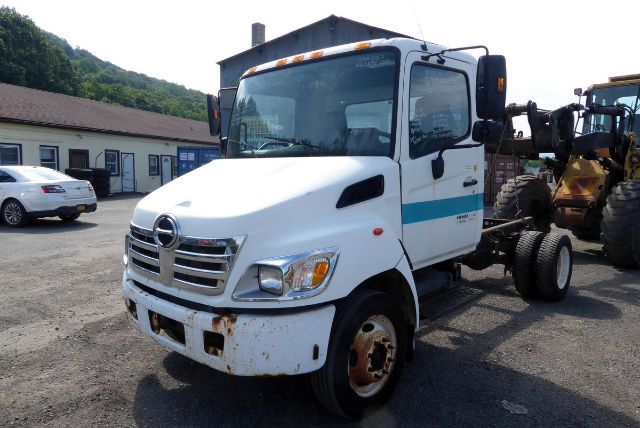
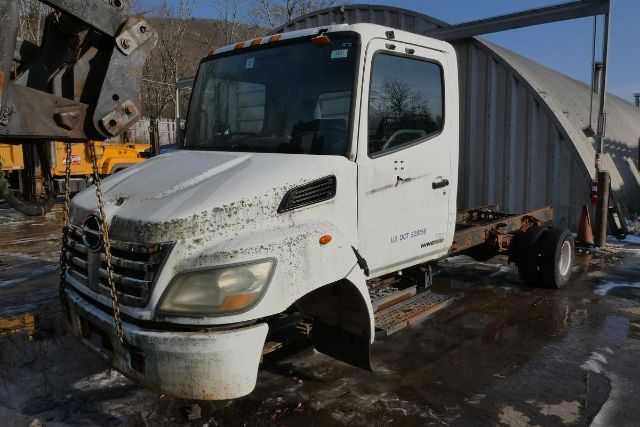
Selling a cab and chassis truck? List your cab and chassis truck for sale and reach thousands of commercial buyers.
Cab and Chassis Trucks in New York
A short cab-to-axle chassis is often the right fit for compact vocational bodies, municipal work, or city delivery where turning radius matters. Longer CA dimensions are more suitable for dump, landscape, storage, or rollback applications that need additional body length. Single-axle cab and chassis trucks commonly fall in the medium-duty range with GVWRs around 26,000 to 35,000 pounds, while tandem-axle configurations move into heavier vocational work with rear axle ratings in the 40,000-pound class and GVWRs well above that. Frame construction matters just as much as the numbers on paper. Buyers should pay attention to single versus double frame rails, frame extensions, bolt-on versus welded modifications, and any signs the chassis has already been altered for a previous body.
Powertrain choice should match the intended duty cycle. Many cab and chassis trucks in this segment use diesel engines from Caterpillar, Cummins, Mack, and similar vocational platforms, often paired with Allison automatic transmissions for stop-and-go work, PTO operation, and driver-friendly control. Manual transmissions still appeal in certain municipal, farm, and severe-service applications where simplicity and lower acquisition cost matter. Rear axle ratio, suspension type, and brake system also shape how the truck performs once upfitted. Spring and rubber block suspensions are common on vocational chassis because they handle concentrated body weight and harsh jobsite conditions well, while air brakes are typical as GVWR climbs.
For New York buyers, application and regulation should be considered together. Tight urban routes, municipal contracts, bridge law compliance, seasonal road restrictions, and body-builder availability can all affect the right chassis choice. A clean spec sheet is not enough by itself. Verify that the cab-to-axle works with the exact body you plan to install, confirm PTO compatibility if hydraulic equipment is involved, and check front axle capacity because plows, cranes, and heavy utility bodies can overload the steer axle before the rear is at limit. A well-matched cab and chassis truck is less about brand alone and more about getting the correct frame, axle, and dimensional package for the upfit and the work ahead.
Frequently Asked Questions about Cab and Chassis Trucks in New York
What is the most important measurement on a cab and chassis truck?
Cab-to-axle is usually the first measurement buyers should confirm because it determines what body length and configuration can be installed. Wheelbase, cab-to-end, and frame height matter too, but CA is the dimension most body builders use to match the chassis to a dump body, box, flatbed, wrecker, utility body, or tank. If the CA is wrong, the body may not fit correctly or the finished truck may have poor weight distribution.
How do I choose between a single-axle and tandem-axle cab and chassis?
A single-axle cab and chassis is generally better for lighter vocational work, tighter maneuvering, lower empty weight, and lower operating cost. A tandem-axle chassis is the better choice when the body, payload, or application will push rear axle capacity higher, such as heavy dump, roll-off, hooklift, tanker, or severe-service municipal work. The decision should be based on finished vehicle weight, expected payload, local road rules, and the axle spacing needed for compliance.
Can any cab and chassis truck be turned into a dump truck or flatbed?
Not every chassis is a good candidate for every body. The frame length, frame section, axle ratings, suspension, PTO provisions, transmission compatibility, and intended weight distribution all have to match the upfit. A truck may physically accept a body but still be a poor fit if the front axle is too light, the wheelbase is wrong, or the frame has been modified in a way that limits body installation. Matching the chassis to the body builder's requirements is the safest approach.
Why do frame type and previous modifications matter on used cab and chassis trucks?
Frame condition directly affects durability, alignment, and upfit cost. Buyers should look for double frame rails on heavier applications, inspect any frame extensions, and note whether modifications were bolted or welded. Previous body installations can leave drilled rails, added brackets, corrosion points, or stress areas that complicate the next upfit. A used cab and chassis can still be an excellent value, but the frame should be inspected with the same attention given to the engine and transmission.
What powertrain features matter most for vocational cab and chassis work?
For most vocational applications, torque delivery, transmission type, PTO capability, rear axle ratio, and brake configuration matter more than peak horsepower alone. Allison automatic transmissions are popular because they work well in stop-and-go service and with hydraulic equipment. Lower rear axle ratios can help with startability and jobsite performance, while proper PTO setup is critical for dump bodies, cranes, pumps, and wreckers. The best powertrain is the one that matches the body, terrain, and duty cycle rather than simply having the highest horsepower rating.