
Freightliner Cab and Chassis Trucks For Sale in New York
Shop Freightliner cab and chassis trucks for sale in New York. Compare wheelbase, CA, GVWR, axle ratings, engines, PTO, and upfit options.
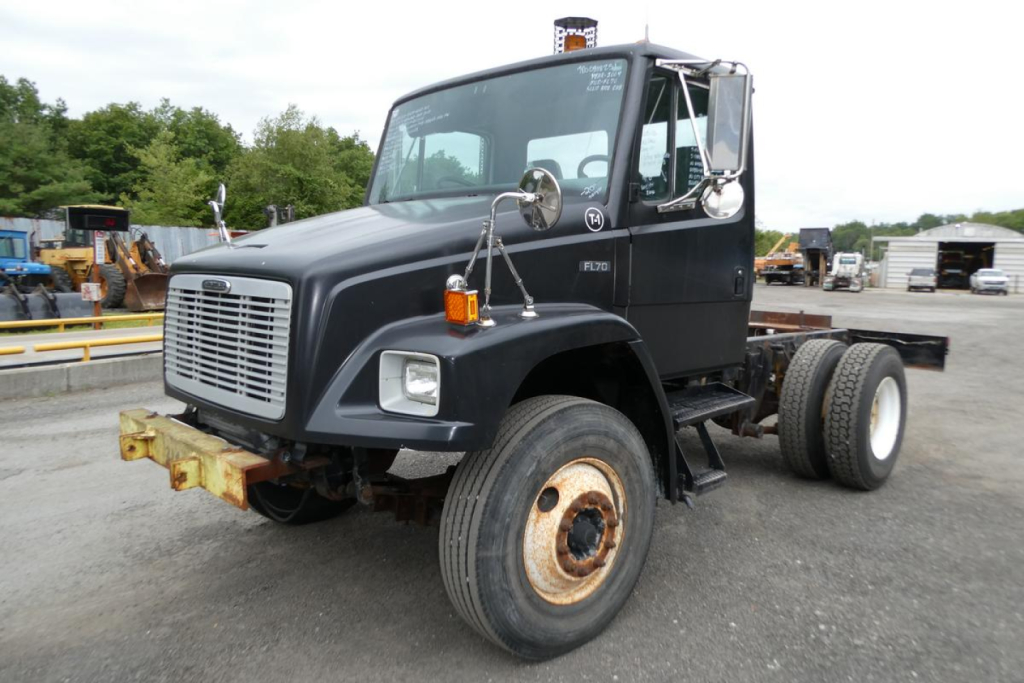
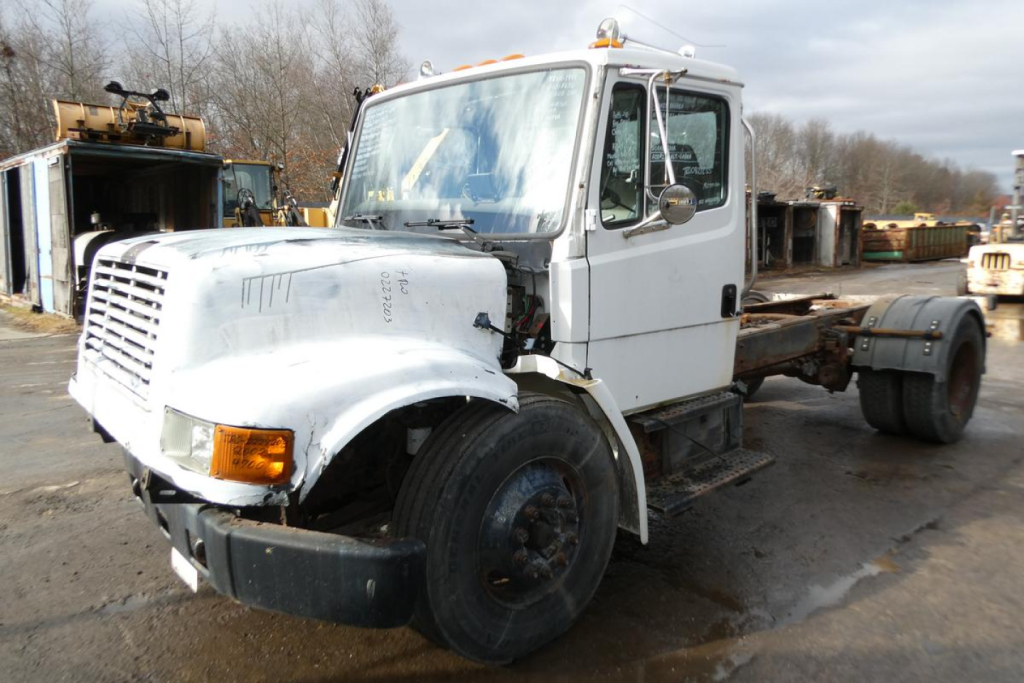
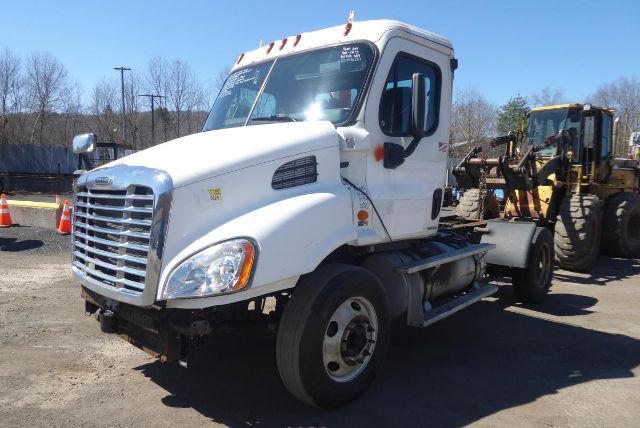
Selling a freightliner cab and chassis truck? List your freightliner cab and chassis truck for sale and reach thousands of commercial buyers.
Freightliner Cab and Chassis Trucks in New York
The first numbers to study are axle ratings, suspension, and frame layout. Typical Freightliner cab and chassis specs in this class include single-axle 4x2 configurations with front axles around 10,000 to 12,000 pounds and rear axles in the 21,000 to 23,000 pound range, often putting the truck at 31,000 to 33,000 GVWR. Wheelbase and cab-to-axle dimensions matter because they determine what body length and weight distribution the truck can carry without creating bridge law or turning-radius problems. Buyers should also check whether the truck has a single frame, partial double frame, or frame extension, especially if it will carry a dump hoist, hydraulic equipment, a salt spreader, or other concentrated rear weight.
Powertrain choice depends on the job cycle. Older Freightliner FL-series cab and chassis trucks often show up with Cummins ISC or Caterpillar 3126 engines paired with Allison automatic transmissions, a common combination for stop-and-go municipal, plow, utility, and contractor work. Newer Freightliner vocational chassis may use Detroit power and air-ride suspensions, which can improve ride quality and make sense for longer regional miles or lighter body applications. Rear axle ratio is another practical buying point. A deep ratio supports low-speed pulling and PTO work, while a faster ratio better fits road speed and fuel economy. If the truck will run hydraulics, verify PTO location, transmission compatibility, and whether the existing pump, shafting, and controls match the body you plan to install.
Condition matters more on a cab and chassis than on many other truck categories because the value is tied to how cleanly it can accept an upfit. Look closely at rail corrosion, crossmember condition, previous body removal, electrical integrity, and whether the truck has been drilled, welded, or stretched. In New York, rust, frame scaling, and winter equipment wear deserve extra attention, especially on ex-municipal units with plow mounts, spreader hydraulics, or heavy seasonal use. Brake type, tire size, suspension wear, and cab condition all affect total cost once the body work starts. A well-matched Freightliner cab and chassis can be one of the most efficient ways to build a truck around a specific job, but only if the frame dimensions, axle package, and driveline are right for the body going on the back.
Frequently Asked Questions about Freightliner Cab and Chassis Trucks in New York
What is the most important measurement on a Freightliner cab and chassis truck?
The most important measurement is usually cab-to-axle, often called CA, because it determines what body length will fit correctly on the frame. Wheelbase also matters, but CA is the key dimension body installers use when matching the truck to a dump body, utility body, van body, flatbed, or hooklift. Buyers should also review cab-to-end, axle spread, and rear overhang to make sure the finished truck will balance properly and meet operating requirements.
What GVWR range is common for Freightliner cab and chassis trucks?
Many Freightliner cab and chassis trucks on the used market fall in the 31,000 to 33,000 pound GVWR range, especially single-axle vocational units. That setup often includes a 10,000 to 12,000 pound front axle and a 21,000 to 23,000 pound rear axle. This range is popular because it supports a wide variety of commercial bodies while staying in a practical size for local delivery, municipal work, and contractor applications.
Are Allison automatic transmissions common in Freightliner cab and chassis trucks?
Yes. Allison automatics are very common in medium-duty Freightliner cab and chassis applications because they work well in stop-and-go duty cycles and are well suited for PTO-driven equipment. They are especially common on trucks used for plowing, sanding, utility service, landscaping, and local vocational work. Buyers should still confirm the exact transmission model, PTO openings, and hydraulic compatibility before planning an upfit.
What should buyers in New York check on a used cab and chassis truck?
New York buyers should pay close attention to frame rust, brake line condition, spring and suspension wear, crossmembers, and signs of corrosion around body mounts and rear frame sections. Trucks that have spent time in snow and salt service can have hidden wear in airlines, wiring, hydraulic components, and mounting hardware. It is also smart to inspect plow attachments, front frame horns, and PTO equipment if the truck has municipal or winter-service history.
Can a Freightliner cab and chassis be converted into different body types?
Yes, as long as the frame length, axle ratings, suspension, and intended body weight match the application. Freightliner cab and chassis trucks are commonly used for dump bodies, service bodies, stake beds, box bodies, flatbeds, and specialty vocational equipment. The truck should be evaluated for frame modifications, PTO setup, fuel tank placement, and any previous extensions or reinforcements before committing to a specific body installation.