
2005 Cab and Chassis Trucks For Sale in New York
Browse 2005 cab and chassis trucks for sale in New York. Compare GVWR, wheelbase, cab-to-axle, engine, transmission, and upfit readiness.
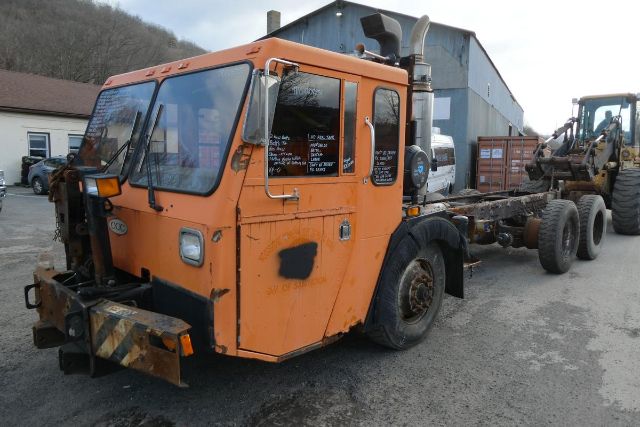
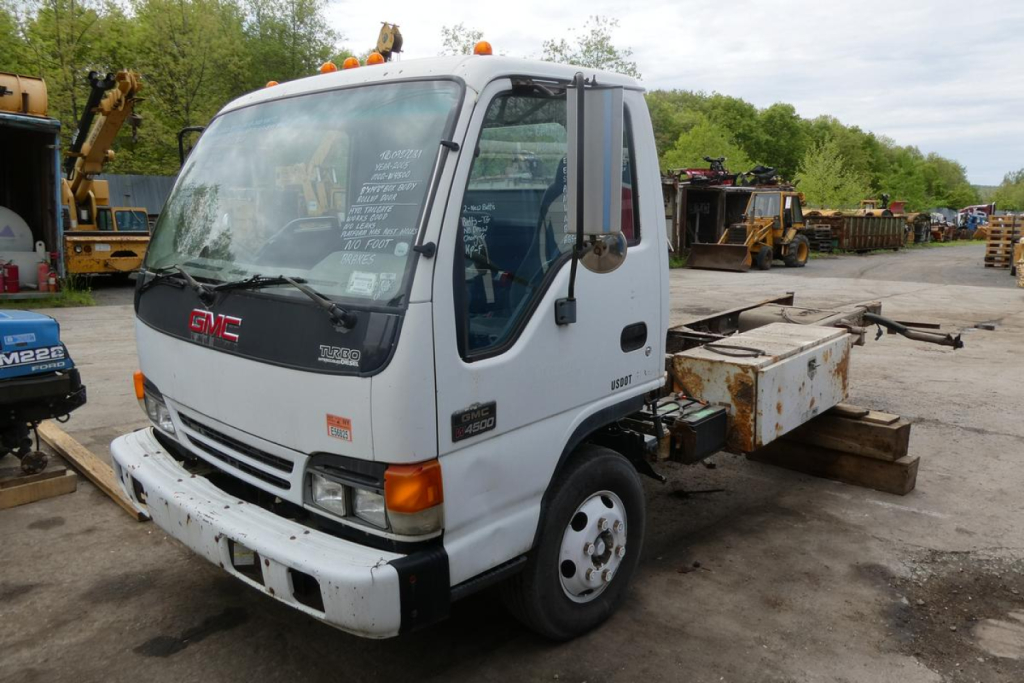
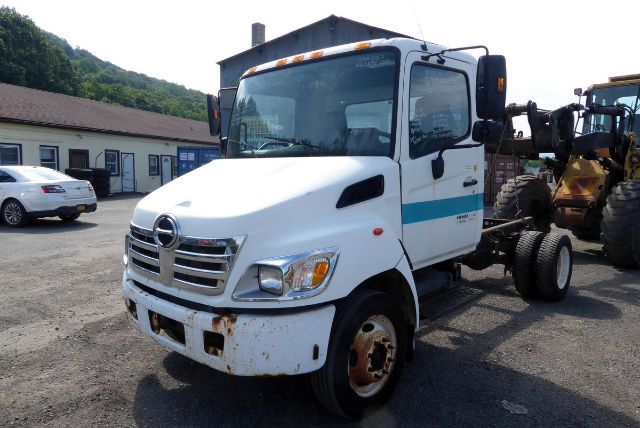
Selling a 2005 cab and chassis truck? List your 2005 cab and chassis truck for sale and reach thousands of commercial buyers.
2005 Cab and Chassis Trucks in New York
Most 2005 cab and chassis trucks on the market fall into medium-duty and vocational configurations, with common diesel engines from Mack, Caterpillar, International, Cummins, and Isuzu depending on the size class. You will also see a wide range of transmissions, from Allison automatics for stop-and-go municipal or delivery work to manual gearboxes in more basic vocational setups. Rear axle ratings, suspension type, and brake configuration deserve close attention. Spring suspension, Camelback, rubber block, and air ride all change how the truck handles payload and body application. A single-frame truck may suit lighter upfits, while a double-frame chassis is often preferred for heavier bodies and more severe service.
A buyer comparing 2005 cab and chassis trucks should look closely at usable frame length, PTO provisions, axle ratio, tire size, and front axle capacity. A truck with the right cab-to-axle can save significant fabrication cost, while the wrong dimensions can turn a good deal into an expensive rework. On older chassis, corrosion, frame repairs, crossmember condition, wiring integrity, and brake system health are major factors, particularly in New York where road salt can shorten the life of rails, tanks, lines, and mounting hardware. If the plan is to add a dump, hooklift, service body, or refrigerated body, confirm clearance, frame height, and transmission or engine compatibility for PTO or hydraulic operation.
The 2005 model year remains relevant because many of these trucks were built before later emissions complexity, which appeals to buyers who want a simpler platform to maintain. That does not automatically make every unit a better value. Service history, idle hours, previous application, and evidence of proper upfit removal matter more than age alone. A well-matched 2005 cab and chassis truck can still be a practical platform for local fleets, contractors, landscapers, municipalities, and body builders that need a straightforward chassis with known dimensions and vocational flexibility.
Frequently Asked Questions about 2005 Cab and Chassis Trucks in New York
What is the most important measurement on a 2005 cab and chassis truck?
Cab-to-axle is usually the first number to verify because it determines what body length and body type the chassis can accept. Wheelbase, cab-to-end, and frame height also matter, but cab-to-axle is the measurement body installers use first when matching the truck to a dump body, van body, flatbed, service body, or rollback. If that dimension is wrong, installation can require frame modification, relocation of components, or a different body altogether.
Are 2005 cab and chassis trucks good for vocational upfits?
Yes, many 2005 cab and chassis trucks are well suited for vocational work because they were offered in durable medium-duty and severe-service configurations with straightforward chassis layouts. Buyers often use them for dump bodies, utility bodies, landscape bodies, stake beds, tow bodies, and municipal applications. The best candidates have the correct axle ratings, a clean and straight frame, suitable PTO capability, and suspension matched to the intended payload and duty cycle.
What should New York buyers inspect on an older cab and chassis truck?
Rust and corrosion should be inspected carefully on any older chassis operated in New York. Focus on frame rails, crossmembers, spring hangers, brake lines, air tanks, fuel tanks, wiring, cab mounts, and any areas where a previous body was mounted or removed. Corrosion around drilled frame holes, welded extensions, and rear suspension mounting points can affect both safety and upfit cost. A truck that looks usable at first glance can become expensive if the frame or brake system needs major reconditioning.
Is an automatic or manual transmission better in a 2005 cab and chassis truck?
That depends on the application. Allison automatic transmissions are common in delivery, municipal, and stop-and-go work because they reduce driver fatigue and usually pair well with PTO-driven equipment. Manual transmissions can still be a solid choice in simpler vocational setups where lower acquisition cost and direct driver control matter more. The right transmission is the one that matches route conditions, body equipment, driver availability, and maintenance capability.
Why do buyers still shop for 2005 cab and chassis trucks?
Many buyers look at 2005 models because they can offer a simpler diesel platform than later trucks with more emissions hardware. That can make them attractive for fleets and owner-operators who want a straightforward chassis for a specific body installation. The real value comes from condition, dimensions, and application fit, not just the model year. A properly maintained 2005 chassis with the right specs can still perform well in local and vocational service.