
2005 Cab and Chassis Trucks For Sale
Shop 2005 cab and chassis trucks for body-upfit flexibility, medium-duty diesel power, and vocational configurations for work-ready builds.
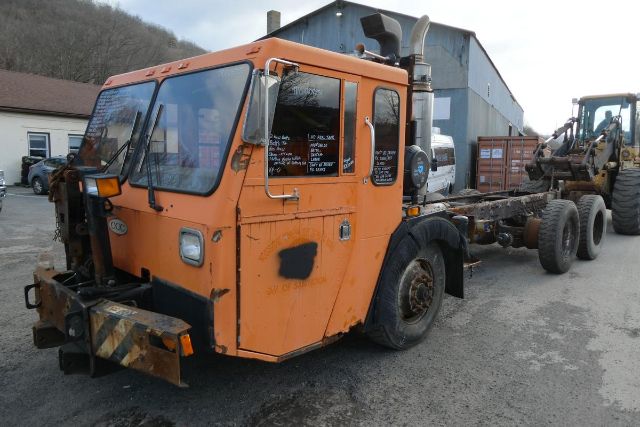
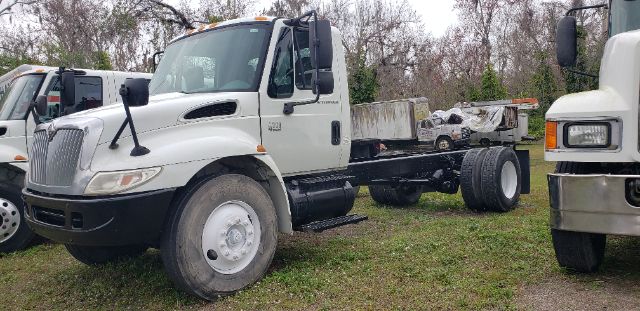
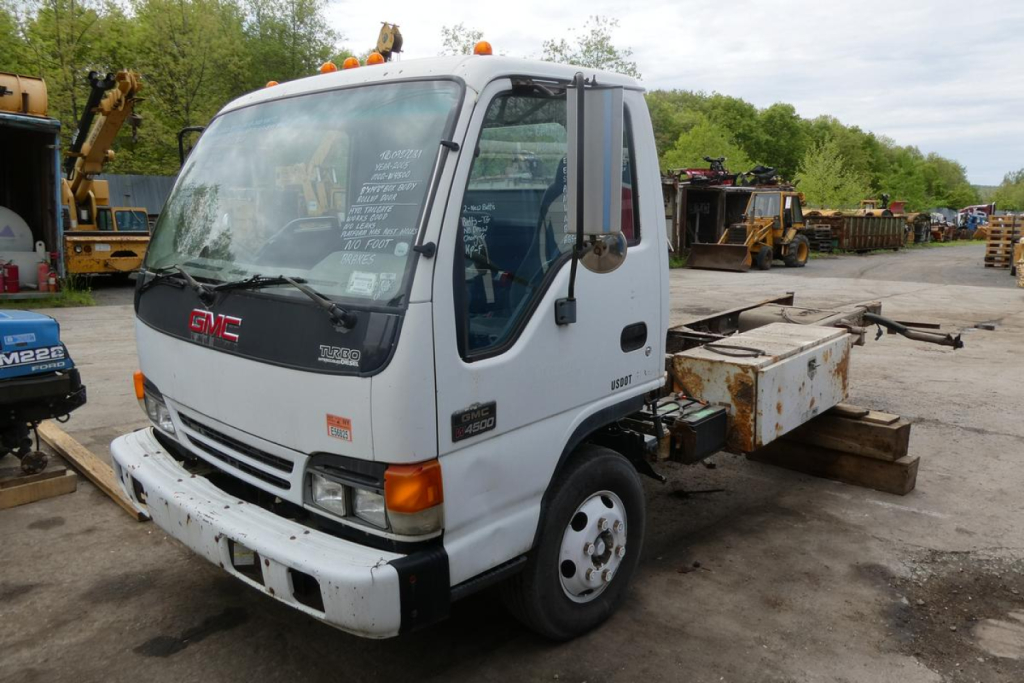
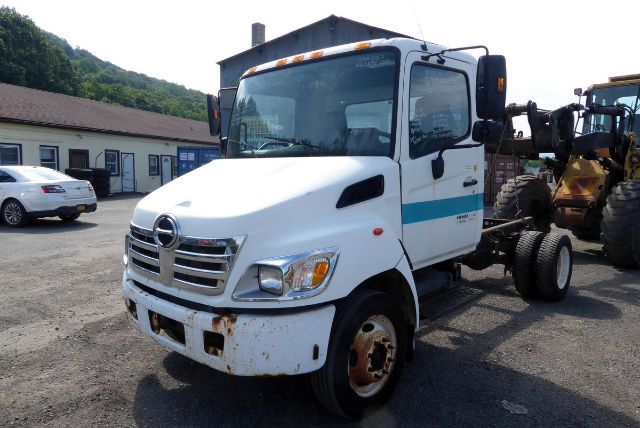
Selling a 2005 cab and chassis truck? List your 2005 cab and chassis truck for sale and reach thousands of commercial buyers.
2005 Cab and Chassis Trucks
The first buying decision is usually wheelbase and frame. A cab and chassis has to match the body builder's dimensional requirements, including axle-to-back-of-cab, rear overhang, and clear frame space for hoists, outriggers, toolboxes, tanks, or liftgates. On a 2005 truck, buyers should confirm frame condition carefully, especially in rust-belt regions where corrosion around spring hangers, crossmembers, fuel tank mounts, and brake line routing can turn a simple upfit into an expensive repair. If the truck already has PTO provisions, upgraded alternator output, or a transmission compatible with vocational work, that can materially improve value for dump, crane, or hydraulic applications.
Powertrain choices in 2005 cab and chassis trucks vary widely by class. Medium-duty models commonly came with diesel engines from Cummins, Caterpillar, International, Mercedes-Benz, or Duramax-equipped GM platforms, while gas engines were still common in lighter GVWR ranges. Manual and automatic transmissions were both widely available, and rear axle ratios matter because they affect launch, towing, and highway speed once the body and payload are added. Buyers should compare front axle capacity, suspension type, brake configuration, and wheel size with the finished application in mind. A truck carrying a utility body with compressors and reels has very different weight distribution needs than a flatbed hauling pallets or a hooklift cycling containers.
Because these are 2005 model year trucks, emissions and electronics deserve extra attention. Many units predate the more complex emissions systems found on later trucks, which can appeal to buyers seeking simpler maintenance, but age still brings its own inspection points. Look closely at injector performance, cooling system history, transmission operation, steering play, wiring integrity, and signs of previous frame modifications. Cab and chassis trucks from this era can still be highly productive when the spec matches the job, but the best purchase is the one with enough capacity, the right wheelbase, and a clean path to the body installation you plan to run.
Frequently Asked Questions about 2005 Cab and Chassis Trucks
What is the main advantage of a 2005 cab and chassis truck compared with a completed body truck?
The main advantage is upfit flexibility. A 2005 cab and chassis truck gives the buyer a usable powertrain, cab, and frame without locking the unit into a single body style. That makes it easier to install a dump body, flatbed, utility body, service body, box, or other vocational equipment that matches the work. It also allows the buyer to focus on wheelbase, GVWR, axle ratings, and PTO compatibility before committing to the final build.
What should I measure before installing a body on a 2005 cab and chassis truck?
The critical measurements are wheelbase, axle-to-back-of-cab, usable frame length, frame height, rear overhang allowance, and cab-to-axle dimensions required by the body manufacturer. Buyers should also verify frame rail condition, existing hole patterns, and any obstructions such as exhaust routing, DEF retrofits, battery boxes, fuel tanks, or crossmember placement. A body that fits on paper can still create clearance or weight distribution problems if the chassis dimensions are off.
Are 2005 cab and chassis trucks good for vocational use today?
Yes, many 2005 cab and chassis trucks still serve well in vocational roles if the truck has the right capacity and has been maintained properly. These trucks are often used for local or regional work where body spec, hydraulic capability, and durability matter more than modern cab features. The key is evaluating frame corrosion, suspension wear, brake condition, drivetrain health, and how well the chassis matches the intended payload and body style.
What GVWR range is common for cab and chassis trucks?
Cab and chassis trucks span a wide GVWR range, from lighter Class 3 and Class 4 units used for service bodies and small flatbeds up to heavier medium-duty and severe-duty chassis for dump, crane, municipal, and utility applications. On a 2005 model, the correct GVWR depends on the finished body, tool load, material weight, trailer use, and any auxiliary equipment such as compressors, generators, or lift systems. Buyers should always size the truck for real operating weight, not just empty chassis weight.
What condition issues matter most on an older 2005 cab and chassis truck?
The most important condition issues are frame rust, previous frame alterations, engine and transmission health, brake system condition, steering and suspension wear, and electrical integrity for body integration. On an older chassis, buyers should inspect for cracks near hangers and crossmembers, corrosion around fuel and brake components, and evidence of hard vocational use. A solid chassis with clean mounting space and correct axle ratings is usually more valuable than a cheaper truck that needs structural repair before it can be upfitted.