
Mack Cab and Chassis Trucks For Sale in New York
Shop Mack cab and chassis trucks in New York. Compare wheelbases, axle ratings, engines, suspensions, and body-ready vocational specs.
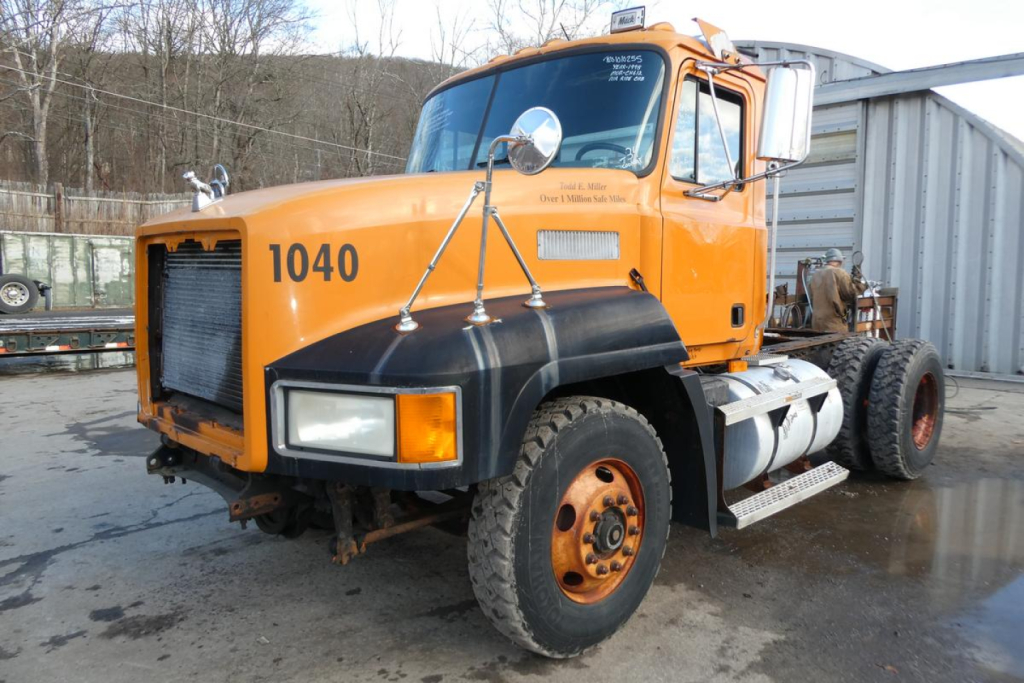
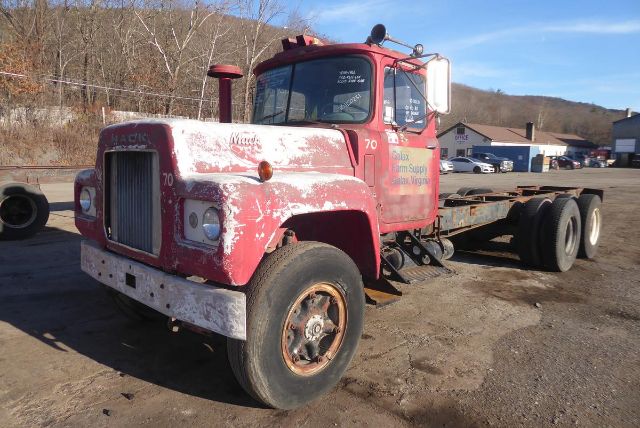
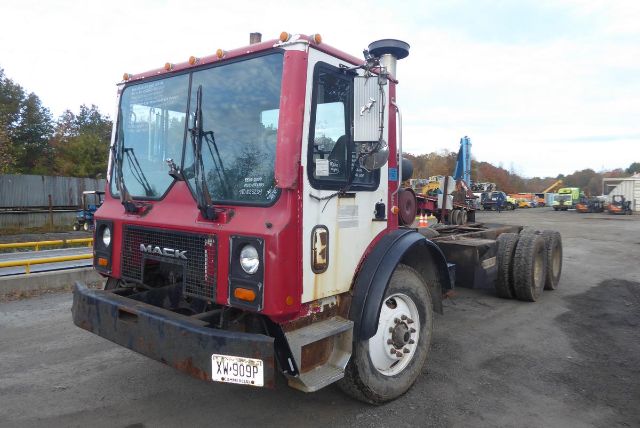
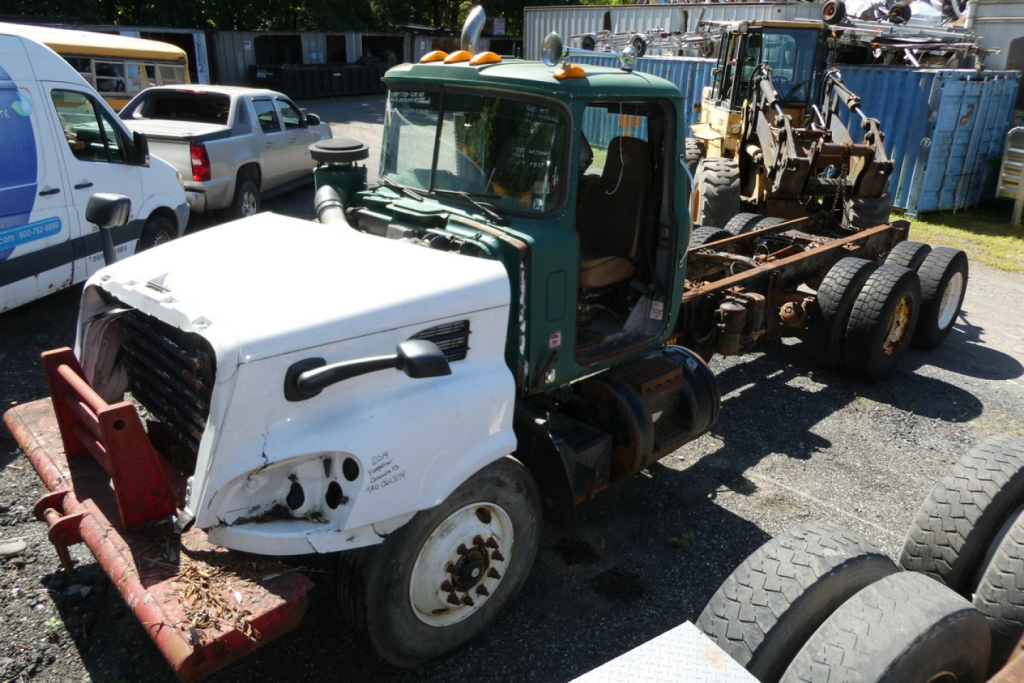
Selling a mack cab and chassis truck? List your mack cab and chassis truck for sale and reach thousands of commercial buyers.
Mack Cab and Chassis Trucks in New York
Wheelbase, axle configuration, and suspension setup usually separate a good candidate from an expensive rework. Single-axle 4x2 chassis can suit lighter dump, flatbed, or service applications, while tandem 6x4 trucks are more typical for heavier dump, refuse, and construction use. Mack Camelback suspension is especially common on older vocational chassis and remains well regarded for durability under high load and off-road jobsite use, though it rides stiffer than air ride. Double-frame construction, front axle ratings in the 12,000 to 20,000 pound range, and rear ratings from roughly 23,000 to 44,000 pounds are all specs that directly affect legal payload and body choice. If the truck already has wetline hydraulics or a PTO setup, that can reduce installation cost for dump or hydraulic body applications.
Powertrain selection on Mack cab and chassis trucks varies widely by era. Older trucks may carry mechanical Mack diesels paired with Mack 5-speed or 2-stick transmissions, while later RD and MR models often use Mack E7 or AI-series engines with Fuller manuals or Allison automatics. For stop-and-go refuse or municipal routes, an Allison automatic can be a strong advantage. For dump and construction work, many buyers still prefer manual transmissions with low gears and proven rear ratios in the mid-4s to high-5s, depending on terrain and payload. Engine brake availability, air-to-air cooling, hub-pilot wheels, and tire sizing also matter because they affect operating cost, serviceability, and how well the truck matches regional hauling conditions.
Condition matters as much as specification on used Mack chassis, especially in Northeast markets where corrosion can affect cabs, tanks, crossmembers, brake components, and frame integrity. A serious buyer should inspect frame rails for cracks or repairs, confirm cab mounting points and floor structure, and check whether the truck is single frame or double frame from front to rear. On body-ready trucks, pay attention to cab-to-end length, existing PTO provisions, steering feel, brake condition, and suspension wear. Mack cab and chassis trucks remain attractive because the base platform is purpose-built for vocational work, parts support is strong, and many upfitters are familiar with their layouts. The best unit is usually the one with the right axle ratings, wheelbase, and frame condition for the body you plan to install.
Frequently Asked Questions about Mack Cab and Chassis Trucks in New York
What is the most important measurement on a Mack cab and chassis truck?
Cab-to-axle length is usually the most important measurement because it determines what body size and body type can be installed without major frame modification. Wheelbase also matters, but cab-to-axle is the number body installers use first when matching a dump body, rollback, utility body, refuse packer, or flatbed. Buyers should also verify cab-to-end and overall frame rail condition before assuming a chassis is body-ready.
Are Mack Camelback suspension trucks good for vocational work?
Yes. Mack Camelback suspension has a long reputation in dump, refuse, and construction service because it is simple, durable, and well suited for heavy loads and uneven surfaces. The tradeoff is ride quality, which is generally harsher than air ride. Buyers who prioritize payload, durability, and off-road jobsite performance often view Camelback as a strong advantage on a vocational Mack chassis.
Should I choose a manual or automatic transmission on a Mack cab and chassis truck?
It depends on the application. Manual transmissions are common in dump and construction work where gear control, low-speed pulling power, and lower upfront cost are priorities. Allison automatics are popular in refuse, municipal, and stop-start applications because they reduce driver fatigue and simplify operation. The right choice depends on route type, driver pool, PTO needs, and how often the truck will operate in traffic or on jobsites.
What axle ratings are common on Mack cab and chassis trucks?
Vocational Mack chassis often carry front axle ratings from about 12,000 to 20,000 pounds and rear axle ratings from about 23,000 to 44,000 pounds, depending on whether the truck is a single-axle or tandem configuration. These ratings affect legal GVWR, payload capacity, body compatibility, and bridge law considerations. Buyers should match axle ratings to the planned body, material type, and local operating requirements instead of shopping by horsepower alone.
What should I inspect first on a used Mack cab and chassis in New York?
Start with frame condition, cab corrosion, brake system health, and suspension wear. In New York and other Northeast markets, rust can affect cabs, air tanks, spring hangers, crossmembers, and electrical connections. Buyers should also inspect for frame cracks near suspension mounting points, confirm PTO or wetline functionality if hydraulic equipment is planned, and review whether the truck has a single or double frame. A chassis with the right dimensions but poor structural condition can quickly become an expensive project.