
2004 Cab and Chassis Trucks For Sale in New York
Browse 2004 cab and chassis trucks for sale in New York. Compare wheelbase, cab-to-axle, GVWR, drivetrain, and upfit-ready frame specs.
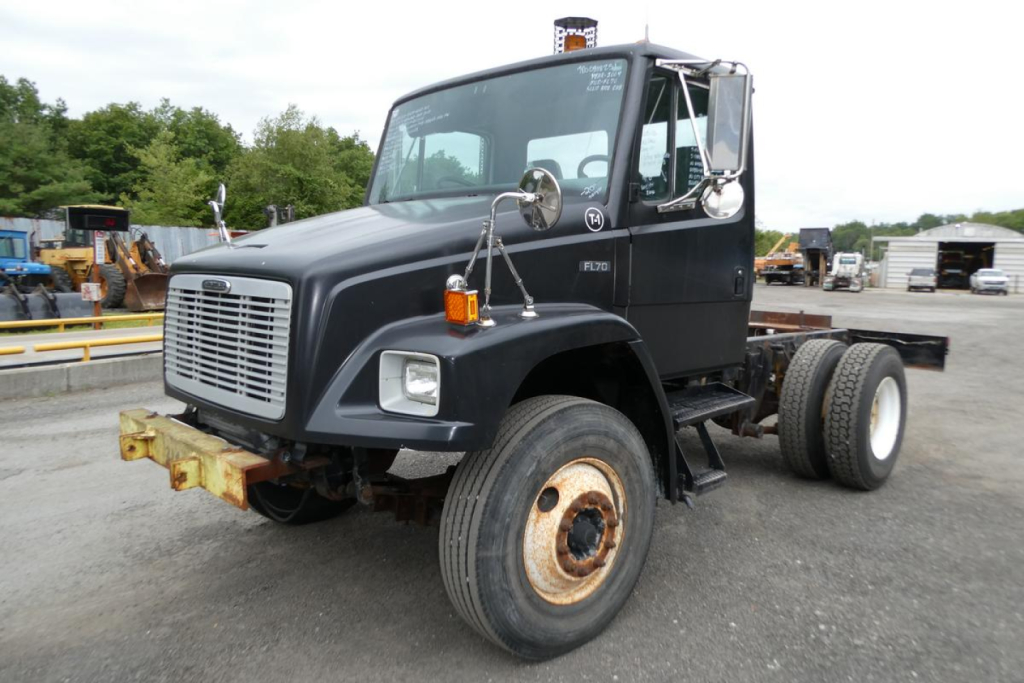
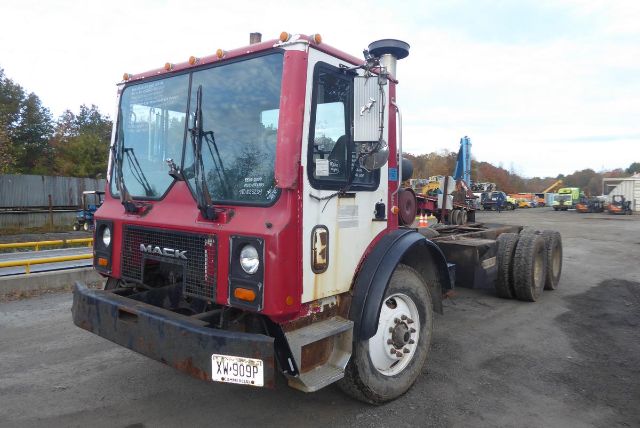
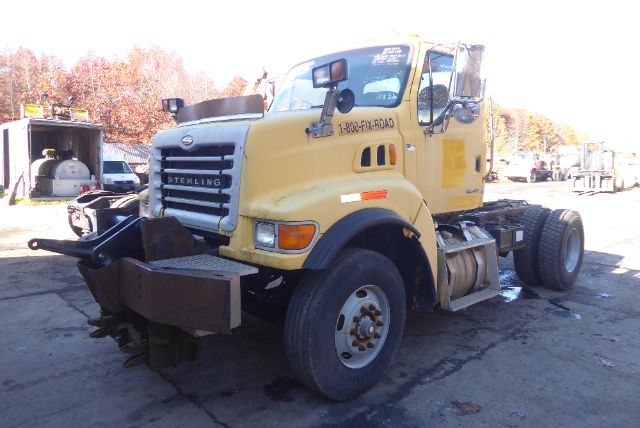
Selling a 2004 cab and chassis truck? List your 2004 cab and chassis truck for sale and reach thousands of commercial buyers.
2004 Cab and Chassis Trucks in New York
In this age range, buyers will commonly see medium-duty and vocational chassis with diesel engines from International, Mack, Cummins, Caterpillar, and Detroit, paired with Allison automatics or Fuller manual transmissions. GVWR can vary widely, from lighter Class 5-6 platforms suited to delivery or utility work up to heavy tandem-axle chassis designed for dump, snow and ice, or severe-service applications. Rear axle ratings, suspension type, and gear ratio matter more than many buyers expect. A 4.30 or 4.64 ratio can make sense for local vocational work, while heavier applications may lean toward more aggressive gearing. Spring, Camelback, rubber block, and air suspension setups each change ride quality, payload behavior, and body compatibility.
For New York buyers, corrosion and prior municipal use deserve extra attention on a 2004 cab and chassis. Frame condition, crossmembers, spring hangers, brake lines, wiring, and PTO provisions should be inspected closely, especially on trucks that may have carried spreaders, plows, or hydraulic equipment. If the truck is being repurposed, confirm the frame has not been cut, stretched poorly, or drilled excessively, and check for cracks around suspension mounts and rear axle areas. Brake type, tire size, hub-pilot versus stud-pilot wheels, and axle spacing also affect long-term operating cost and body installation.
A good 2004 cab and chassis truck can still be a practical route into a work-ready build if the hard points are right. Buyers should match the chassis to the intended body length, payload, and PTO or hydraulic demand before looking at cosmetic condition. Engine hours can matter as much as odometer miles on vocational trucks, and service history is especially valuable on older diesel platforms. The best purchase is usually the chassis with the correct wheelbase, axle rating, transmission, and frame spec for the job, because those are the expensive items to change later.
Frequently Asked Questions about 2004 Cab and Chassis Trucks in New York
What should I check first on a 2004 cab and chassis truck?
Start with cab-to-axle, wheelbase, GVWR, axle ratings, and frame condition. Those measurements determine what body will fit and how the truck will perform once upfitted. On a 2004 model, inspect the frame rails for rust, cracks, poor repairs, and extra holes from prior body mounts. If the truck needs a PTO-driven application, confirm the transmission and engine setup can support that equipment.
What is the difference between cab-to-axle and wheelbase on a cab and chassis truck?
Wheelbase is the distance between the front axle and rear axle centerline. Cab-to-axle is the distance from the back of the cab to the center of the rear axle. For body installation, cab-to-axle is often the key measurement because body manufacturers use it to match body length and mounting position. A truck can have a similar wheelbase to another unit but a different cab-to-axle measurement depending on axle placement and frame layout.
Are 2004 cab and chassis trucks good for dump bodies or utility bodies?
They can be, if the axle ratings, frame design, and transmission spec match the job. A utility body or flatbed may work well on a medium-duty single-axle chassis with a moderate GVWR and spring suspension. A dump body usually needs heavier rear axle capacity, stronger frame rails, PTO compatibility, and suspension suited for concentrated loads. The intended payload matters more than the model year.
Why do frame type and suspension matter so much on a used cab and chassis?
Frame type affects strength, body mounting, and resistance to twisting under load. A double-frame chassis is common in severe-service applications because it handles concentrated body stress better than a lighter single-frame setup. Suspension also changes how the truck carries weight and handles rough jobsite use. Spring and vocational rubber block suspensions are common on heavier applications, while air ride may be preferred for ride quality or more sensitive cargo and equipment.
Is mileage the best way to judge a 2004 vocational chassis?
No. On a cab and chassis truck, engine hours, idle time, maintenance records, and application history are often just as important as odometer mileage. A municipal or utility truck may show relatively low miles but still have extensive engine hours from PTO work, idling, or stop-and-go service. A complete inspection should include the engine, transmission, rear axles, brakes, steering, and the entire frame and electrical system.