
2004 Cab and Chassis Trucks For Sale
Browse 2004 cab and chassis trucks for sale. Compare wheelbase, CA, GVWR, axle setups, drivetrain options, and upfit compatibility.
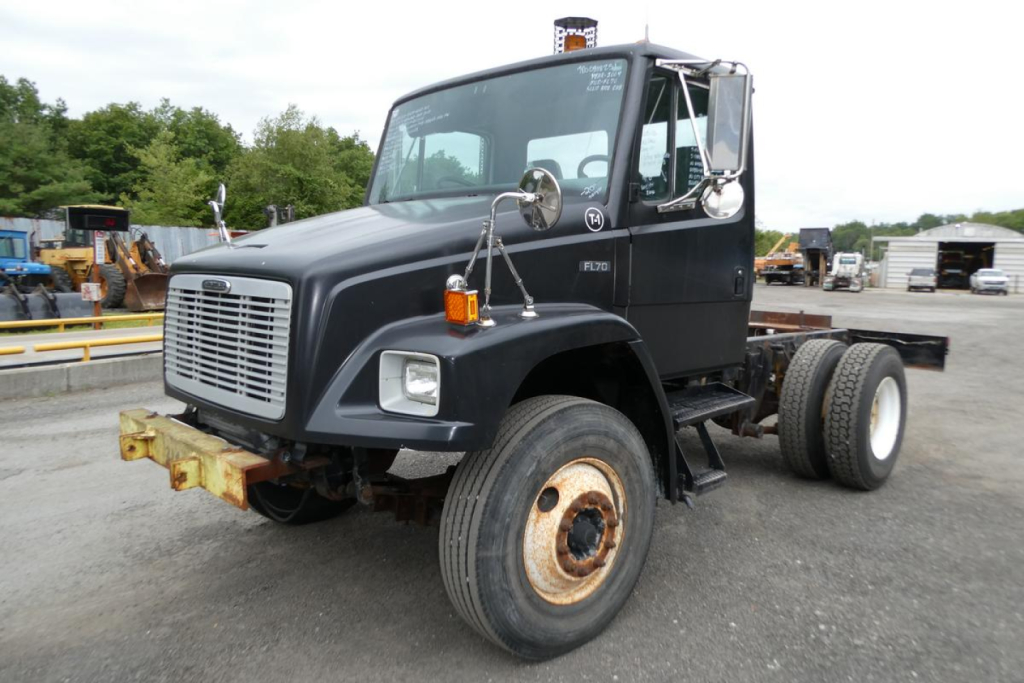
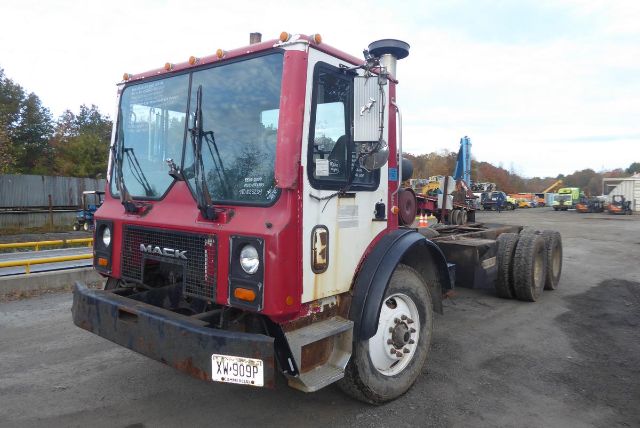
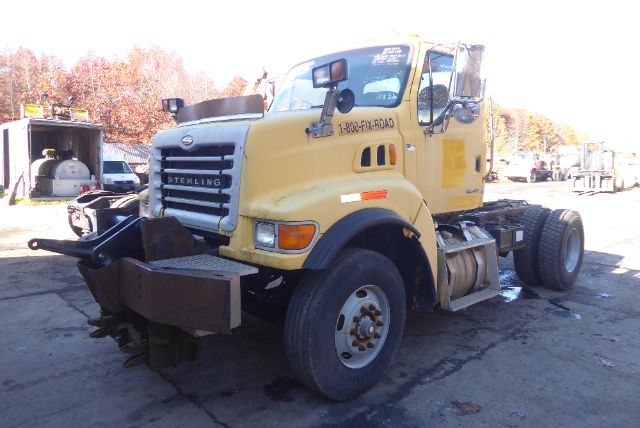
Selling a 2004 cab and chassis truck? List your 2004 cab and chassis truck for sale and reach thousands of commercial buyers.
2004 Cab and Chassis Trucks
In this year range, powertrains vary widely by class. Medium-duty 2004 cab and chassis trucks often carry engines from Caterpillar, Cummins, International, or Mercedes-Benz, paired with Allison automatics or manual transmissions depending on the intended work cycle. Heavier spec units may show tandem axles, double-frame sections, PTO capability, and higher rear axle ratios suited for dump, mixer, or hydraulic applications. If the truck will run a pump, winch, hoist, compressor, or blower, confirm the PTO opening, transmission compatibility, and whether a wet kit or hydraulic plumbing has already been installed. Buyers should also verify front axle rating and frame reinforcement before planning any crane, utility, or other concentrated-load body.
The best way to shop this category is by upfit requirements, not just by make or engine. A short CA dimension may suit a dump or rollback, while a longer wheelbase and cleaner frame can make more sense for a van body or stake configuration. Frame condition matters as much as drivetrain condition. Look closely for extra frame holes, corrosion, prior frame extensions, splice repairs, or removed equipment that may affect the next installation. On 2004 models, it is also smart to inspect spring packs or air ride components, steering wear, brake condition, electrical integrity, and the availability of mounting space for toolboxes, outriggers, tanks, or battery boxes.
A well-matched 2004 cab and chassis can still deliver strong value in municipal, construction, towing, delivery, agricultural, and utility service. These trucks are also commonly referred to as chassis cabs or cab & chassis trucks. The right purchase depends less on the badge and more on whether the truck's axle ratings, frame length, drivetrain spec, and PTO setup align with the body and duty cycle you plan to run. Buyers comparing listings should focus on fitment data first, then engine hours, maintenance history, suspension type, and evidence of prior vocational use.
Frequently Asked Questions about 2004 Cab and Chassis Trucks
What should I measure first when buying a 2004 cab and chassis truck?
Start with cab-to-axle, wheelbase, and GVWR. Cab-to-axle determines body fit, wheelbase affects load distribution and turning radius, and GVWR sets the truck's legal operating capacity. If you are replacing an existing body, also compare frame width, rear overhang, axle placement, and cab-to-end measurement so the installation does not require costly frame modifications.
Are 2004 cab and chassis trucks good for vocational upfits?
Yes, many 2004 cab and chassis trucks remain desirable for vocational work because they offer simpler electronics and, in many cases, pre-emissions diesel engines. That can make them attractive for service bodies, dump bodies, rollbacks, and other applications where uptime and ease of repair matter. The key is confirming that the frame, axle ratings, suspension, and PTO provisions match the intended body and hydraulic demand.
How important is PTO compatibility on a cab and chassis truck?
PTO compatibility is critical if the truck will power hydraulic or mechanical equipment. A dump hoist, winch, crane, blower, compressor, or pump may require a specific transmission opening, gear ratio, and hydraulic setup. Before buying, confirm the transmission model, PTO opening location, existing controls, and whether the truck already has a pump, reservoir, lines, or wet kit components installed.
What condition issues matter most on an older cab and chassis truck?
Frame condition is one of the biggest concerns because many cab and chassis trucks have already carried specialized equipment. Inspect for rust scale, cracked crossmembers, non-factory holes, welded repairs, and frame extensions. Also check steering components, brake system condition, suspension wear, driveline joints, electrical splices, and signs of hard PTO or hydraulic service. Cosmetic wear is expected, but structural and fitment issues can change the economics of the truck quickly.
What is the difference between a cab and chassis truck and a road tractor?
A cab and chassis truck is built to accept a permanent body or vocational upfit on open frame rails. A road tractor is designed primarily to pull a semi-trailer through a fifth wheel. Some used truck listings blur the line because former tractors may be converted or extended, but a true cab and chassis should be evaluated based on frame layout, body-mounting suitability, axle ratings, and vocational equipment compatibility rather than tractor features alone.