
1997 Commercial Trucks For Sale in New York
Explore 1997 trucks in New York, from day cabs to dumps and box trucks. Get specs, frame and engine insights, corrosion checks, payload and upkeep tips.
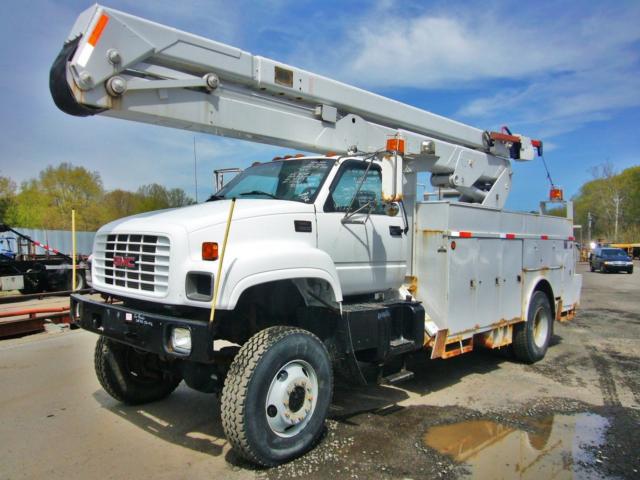
Looking for the easiest place to sell your 1997 commercial truck? List it here to reach thousands of buyers.
1997 Commercial Trucks in New York
Chassis condition is the make or break factor in this model year, especially in a salt state. Inspect frame rails for scaling and rust jacking between liners on double frames, look closely at crossmembers, spring hangers, fifth wheel plates or body subframes, cab mounts, and battery box supports. Aluminum cabs and wheels cut corrosion and weight, stainless fasteners and steps help, but watch for galvanic corrosion at mixed metal joints. Most 1997 units run S cam drum brakes with automatic slack adjusters and ABS, verify sensor and tone ring condition. Note wheel ends, hub piloted rims simplify service compared to older stud piloted Budd patterns. Air system health matters in winter, check steel and nylon lines, air tanks for pitting, and dryer performance.
Common engines include Detroit Series 60 11.1 or 12.7, Cummins N14 and ISM, and Caterpillar 3406E or C12 in heavy duty, with DT466E, 8.3, and 5.9 platforms in medium duty. These pre EGR designs are valued for durability and easier upkeep, but cooling systems, injectors, and head gaskets must be evaluated carefully. Pairings typically include Eaton Fuller 9, 10, or 13 speed manuals, with Allison automatics common on urban box trucks and some dumps. Rear ratios around 3.55 to 4.10 suit highway or regional work, vocational specs trend deeper. Confirm PTO provisions for dumps or wet kits, assess driveline angles and u joint life, and verify block heaters and fuel heater arrangements for New York winters.
For straight trucks, floor strength and thermal integrity drive value. Dry van and box bodies with hardwood or laminated floors and 12 inch crossmember spacing handle forklift point loads better than 16 inch spacing, look for 24 inch scuff liners, intact rub rails, and solid rear threshold plates. Reefer bodies from this era can run well if the foam insulation has not absorbed moisture, check door seals, vapor barrier, drain paths, and pull down performance, and verify hours on Thermo King or Carrier units and condenser condition. Dump bodies should show sound hoists, hinge pins, and AR steel floors without excessive wave or thinning. Tare weight varies widely, aluminum wheels, aluminum fuel tanks, and air ride tandems can trim weight, but make sure the curb weight still aligns with the payload you need under New York bridge formula and the 80,000 pound interstate limit.
Frequently Asked Questions about 1997 Commercial Trucks in New York
Which 1997 truck engines are most sought after, and what are the trade offs?
Detroit Series 60, Cummins N14, and Caterpillar 3406E or C12 are popular for parts availability, broad dealer support, and solid fuel economy for the era. The upside is simpler emissions systems and predictable rebuild paths, the trade off is age related wear, potential cooling and injector work, and the need to verify oil samples, blow by, and cold start quality. Medium duty buyers often favor DT466E or 5.9 and 8.3 platforms for easy serviceability and lower operating cost, provided electronics and harnesses remain clean and intact.
How does New York corrosion affect a 1997 truck, and what should I inspect first?
Road salt accelerates rust on frames, crossmembers, spring hangers, brake hardware, air tanks, and cab mounts. Start with the frame between liners on double frame vocational specs, then check rear suspension torque rod brackets, fifth wheel or body mounting points, and battery box and step assemblies. Pull drums to inspect backing plates and cam bushings if service history is thin, examine wiring connectors for green corrosion, and look for galvanic activity where aluminum meets steel around cab mounts and body fasteners.
What should I look for in floor strength on a 1997 box or reefer truck?
Confirm crossmember spacing and floor material, 12 inch centers with hardwood or laminated floors support forklifts better than wider spacing. Inspect for crushed boards, popped fasteners, cracked threshold plates, and damaged scuff liners that expose sidewalls. On reefers, thermal integrity depends on dry insulation, tight door gaskets, and a sound vapor barrier, use a temperature pull down test, check for moisture stains at seams and rivet lines, and verify the reefer unit holds setpoint under load without short cycling.
Are 1997 trucks compliant for operation in New York and nearby regions?
In New York, heavy duty diesels from 1997 are commonly inspected for safety and smoke opacity, not for modern aftertreatment. They are generally legal statewide, including regional work, but local restrictions can apply in urban zones and some facilities may impose age or emissions rules. If you plan to operate in California or certain ports, confirm local regulations, many CARB drayage and fleet rules require newer engines or retrofit solutions that a 1997 platform may not meet.
What gearing and transmissions work best for regional hauling in New York?
For mixed highway and secondary roads, many buyers prefer a 10 or 13 speed Eaton Fuller with rear ratios around 3.55 to 3.90 depending on tire size and target cruise speed. This keeps engines like a Series 60 or N14 in the efficient RPM band on grades common in the Northeast without overspinning on the Thruway. Urban box trucks benefit from Allison automatics for stop and go work, and dump trucks typically use deeper ratios for launch torque, paired with PTO ready transmissions for hoist operation.