
1997 Commercial Trucks For Sale
Expert guide to 1997 trucks, covering engines, tare weight, corrosion checks, floor strength, and reefer thermal integrity for informed buying.
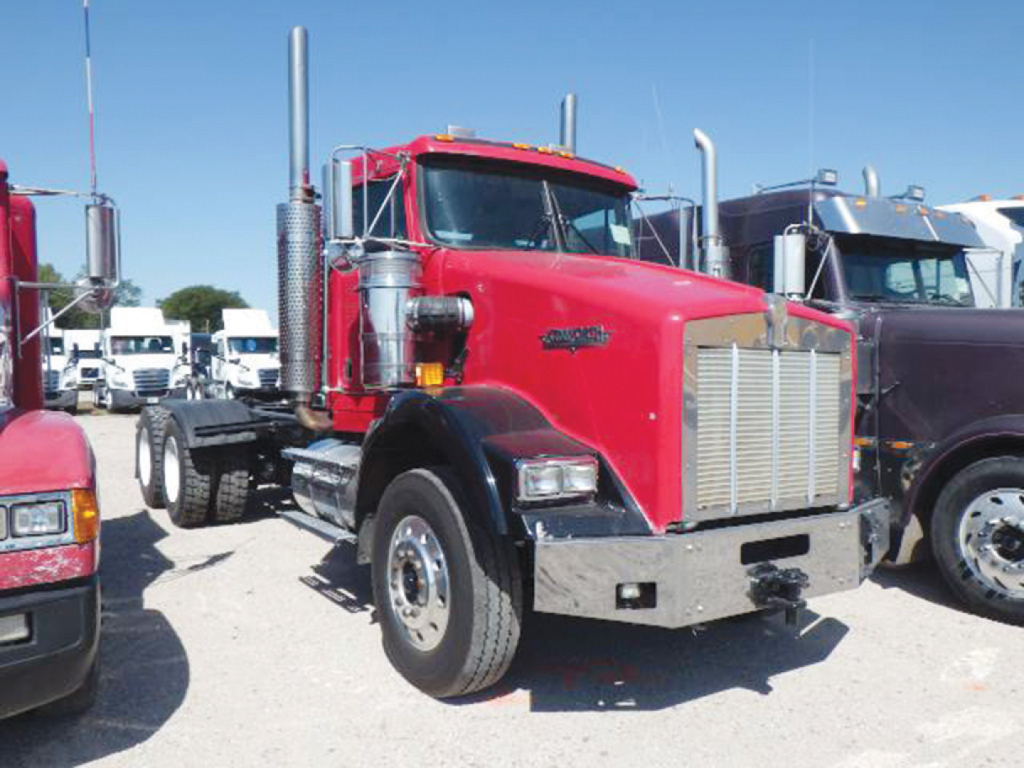
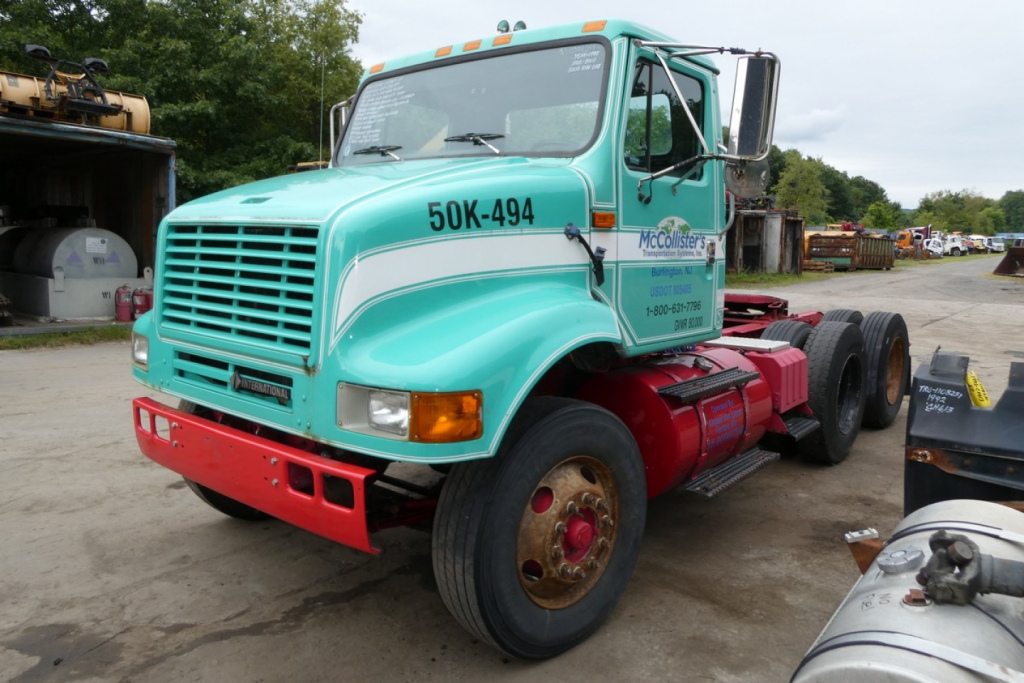
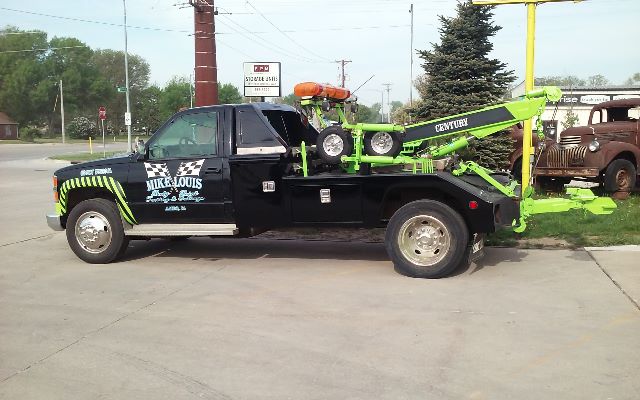
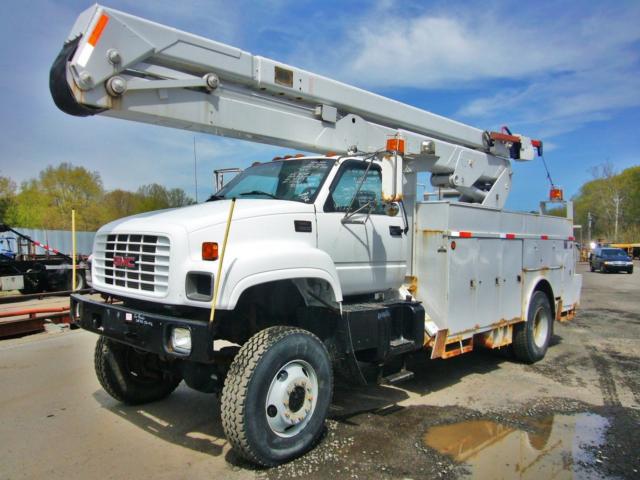
Selling a 1997 commercial truck? List your 1997 commercial truck for sale and reach thousands of commercial buyers.
1997 Commercial Trucks
Chassis longevity on a 1997 model is all about corrosion resistance and prior use. Inspect frame rails for scaling, pitting at suspension hangers, and crack repairs near crossmembers and fifth wheel brackets. Cab floors, steps, battery boxes, and air tanks are frequent rust points, especially on units that saw road salt. Aluminum cabs resist rust yet can suffer galvanic corrosion where aluminum meets steel fasteners, look for white oxidation and loose joints. Verify the condition of wiring looms and connectors, aged insulation and moisture ingress cause intermittent faults. A tight driveline with minimal yoke play, a dry transmission and rear axles, and responsive power divider engagement are strong indicators of remaining service life.
For 1997 straight trucks with van or reefer bodies, floor strength and thermal integrity drive value. Forklift-rated floors should show solid crossmember spacing, typically 12 inch centers, intact hardwood nailers or aluminum planks around 1.25 to 1.50 inches, and no soft spots at rear thresholds. Scuff liners 12 to 24 inches high protect sidewalls, logistic posts and e-track should be tight and free of pull-outs. Reefer bodies depend on foam insulation and sealed joints, check for panel delamination, crushed corners, compromised door gaskets, and ice trails that suggest air leaks. T floors promote airflow, inspect channels for corrosion and blockage. Perform a pull-down test, confirm the unit reaches and holds setpoint, note engine hours, condenser coil condition, and refrigerant type, many units from this era use R404A.
Brake and safety equipment on 1997 trucks varies by build date and vehicle type. Many tractors from this year include ABS, some straight trucks may not, verify via dash indicators and wheel speed sensors. Expect S cam drum brakes, inspect linings, drums, and slack adjusters, and confirm air system integrity, dryer performance, and leak rates. Cooling systems on wet liner engines need proper SCA or nitrite management to prevent cavitation, test coolant and check for electrolysis. Match wheelbase and axle ratings to your freight and routes, longer wheelbases ride well yet add weight and turning radius, deeper gearing helps heavy or hilly duty cycles yet raises cruise RPM. Given the age, prioritize corrosion-free structure, strong floors on bodied trucks, verified thermal performance on reefers, and a tare weight that preserves the payload your operation requires.
Frequently Asked Questions about 1997 Commercial Trucks
Which engines are common in 1997 Class 8 trucks and what are the trade-offs?
The Cummins N14, Detroit Diesel Series 60, and Caterpillar 3406E dominate this model year. These pre-EGR engines are simpler to maintain and generally fuel efficient when properly geared. The trade-offs are age-related, pay close attention to oil consumption, blow-by, injector and turbo condition, and documentation of in-frame rebuilds. Parts support remains strong, but component originality and maintenance discipline matter more than hours or miles alone.
How should I evaluate corrosion on a 1997 truck before purchase?
Start with frame rails and crossmembers, look for flaking scale, deep pitting near spring hangers and fifth wheel brackets, and evidence of crack repairs or added fishplates. Check cab floors, steps, battery boxes, and air tanks for rust, and inspect aluminum to steel interfaces for galvanic corrosion. Review brake lines and wiring harness routing for chafe points. A clean undercarriage with intact coatings and uniform fasteners usually indicates lower corrosion risk and easier future maintenance.
What indicates good floor strength and interior durability on a 1997 van or reefer straight truck?
Look for tight crossmember spacing around 12 inch centers, sound hardwood or aluminum plank floors without deflection, and intact rear thresholds with no rot under the dock plate area. Verify scuff liners and logistics tracks are solidly attached, and that posts are not bowed. For liftgate-equipped units, inspect reinforcement plates and welds. A strong floor resists pallet jack ruts and reduces body twist that can shorten door hardware life.
How do I verify thermal integrity on a 1997 reefer body?
Inspect door seals, corner caps, and panel seams for gaps or delamination, then run a pull-down and hold test to your typical setpoint. Check for even airflow over a clean T floor, confirm the evaporator and condenser coils are free of oil staining that could indicate leaks, and review engine hours and service logs on the refrigeration unit. Excessive ice buildup, damp insulation, or stains under the body suggest air and moisture intrusion that will raise fuel burn and reduce hold time.
What tare weight should I expect from 1997 tractors and straight trucks?
A typical 1997 6x4 day cab tractor lands around 15,500 to 17,000 pounds depending on wheelbase, suspensions, and wheel choices. Sleeper tractors usually add 1,000 to 2,000 pounds. Straight trucks vary widely with body length, floor design, liftgates, and reefer gear, many medium to heavy-duty units fall between 16,000 and 22,000 pounds empty. Aluminum wheels and hubs, air ride suspensions, and spec discipline can trim several hundred pounds and improve payload capacity.