
2006 Commercial Trucks For Sale in New York
Shop 2006 trucks for sale in New York. Compare specs, applications, axle setups, engines, GVWR, body types, and regional-duty needs.
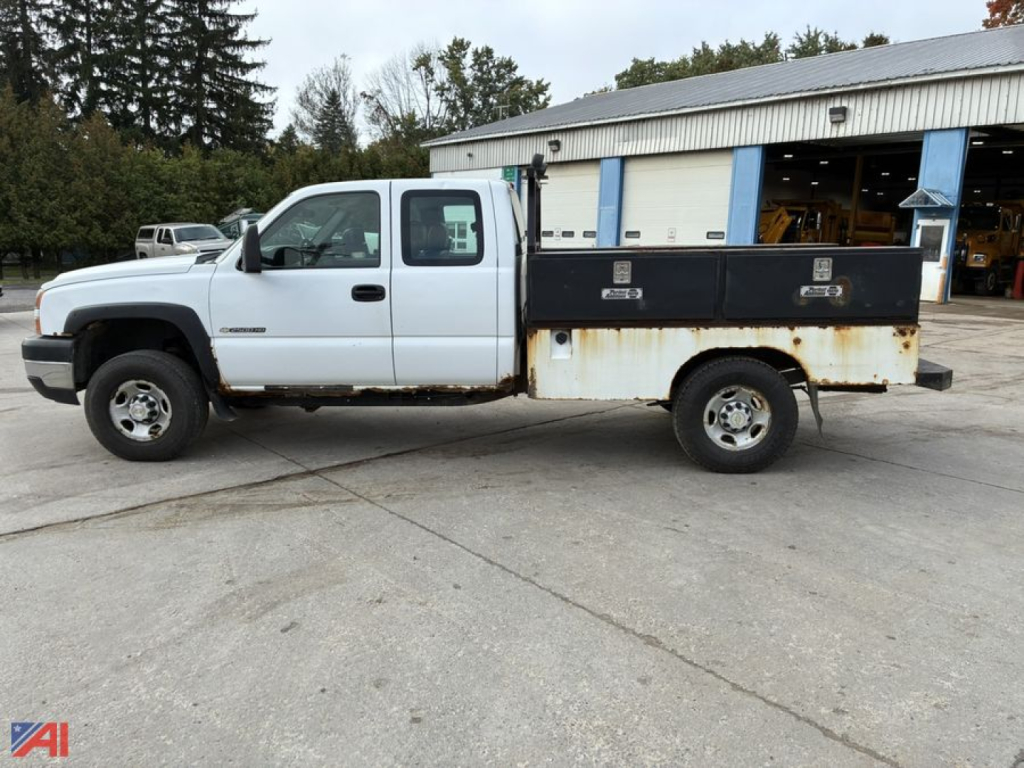
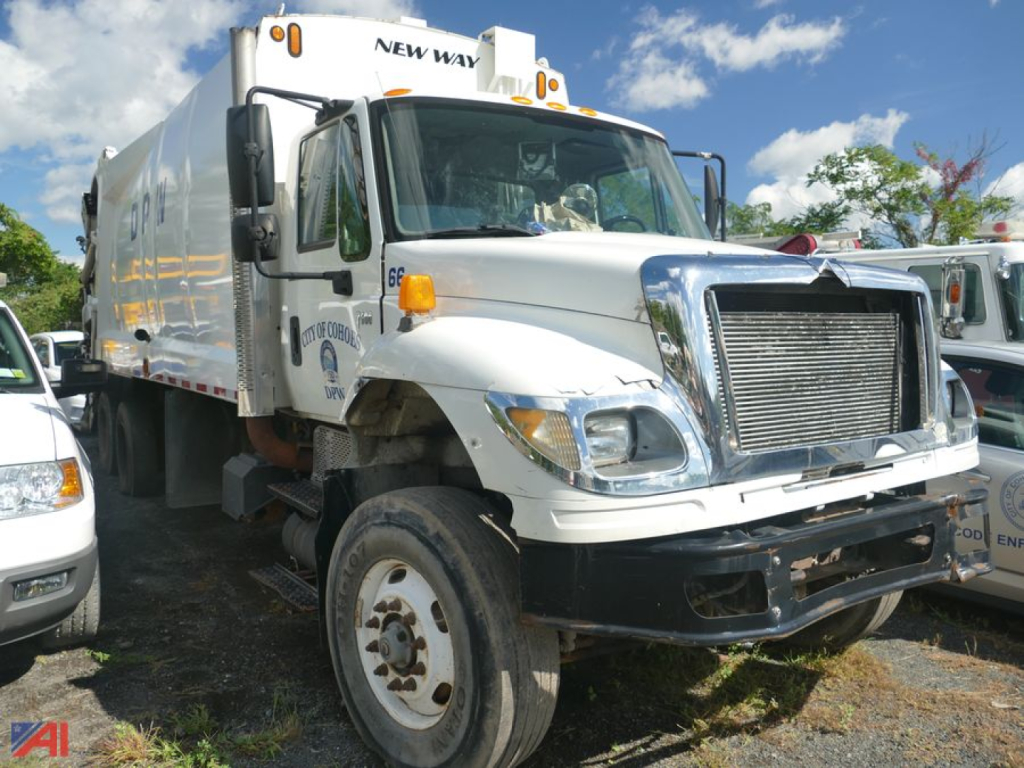
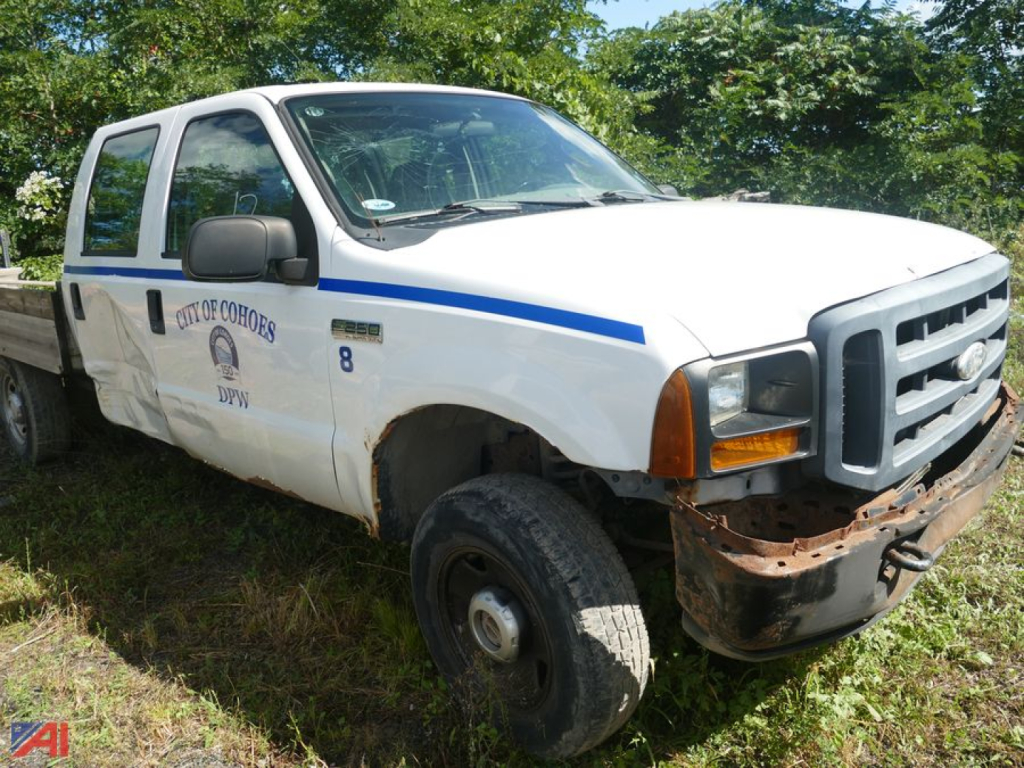
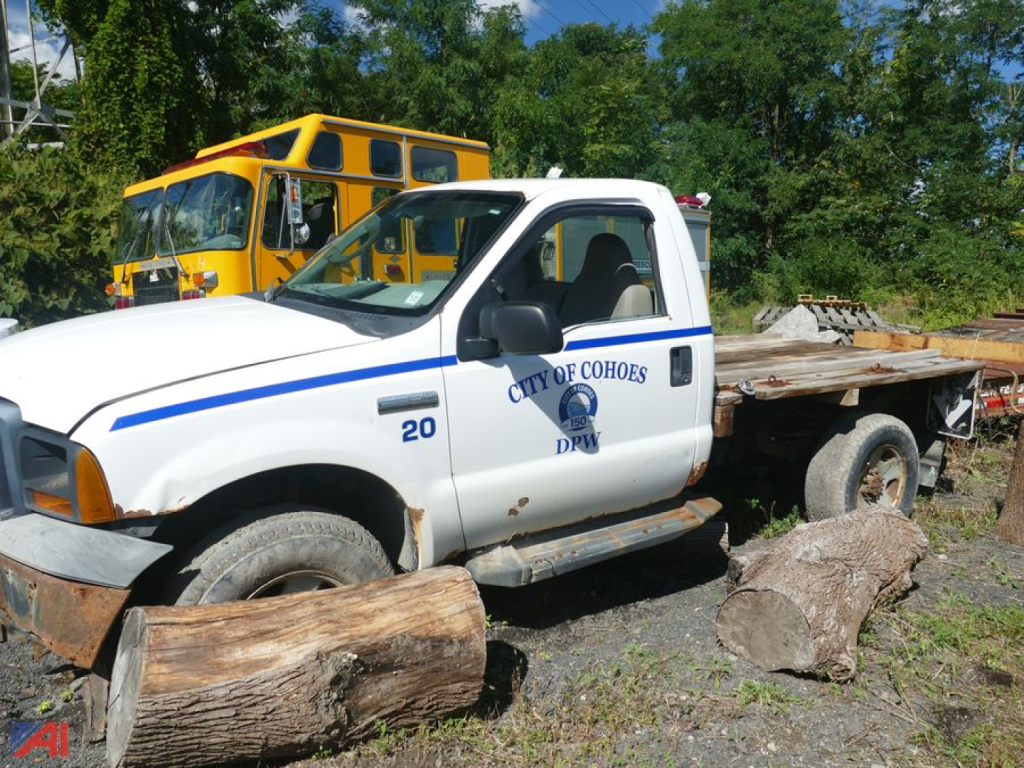
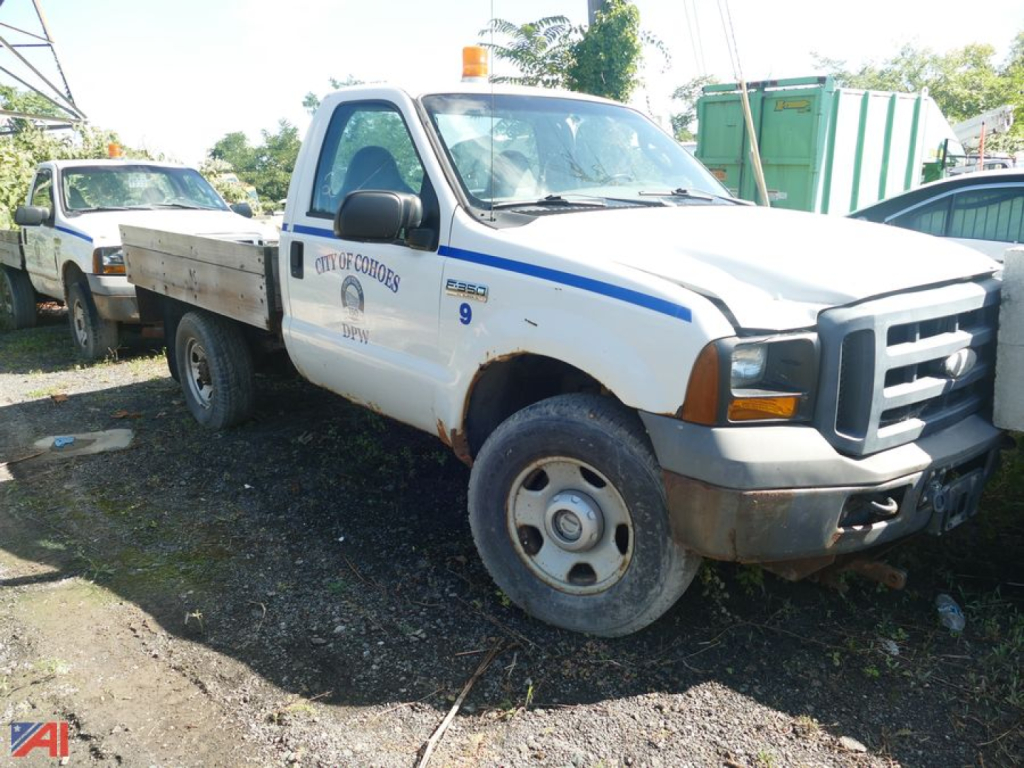
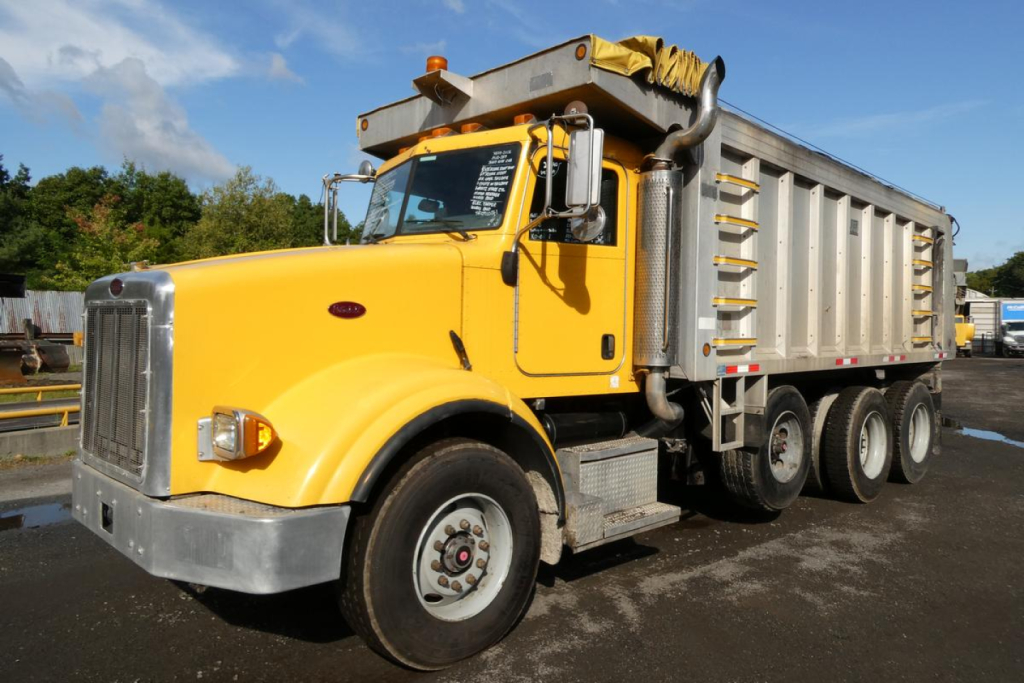
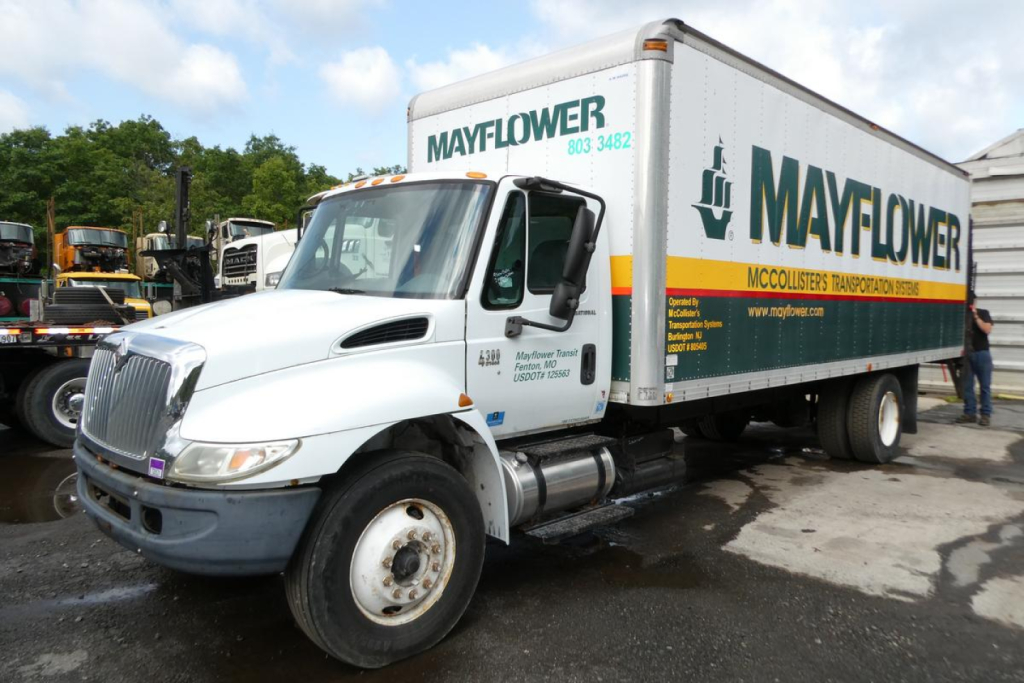
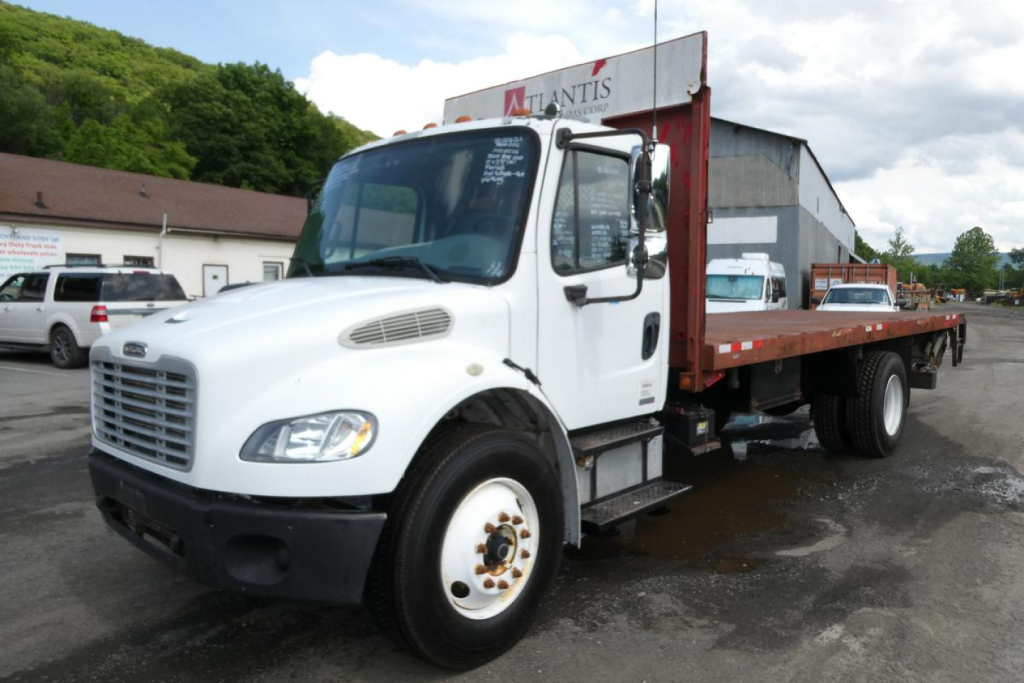
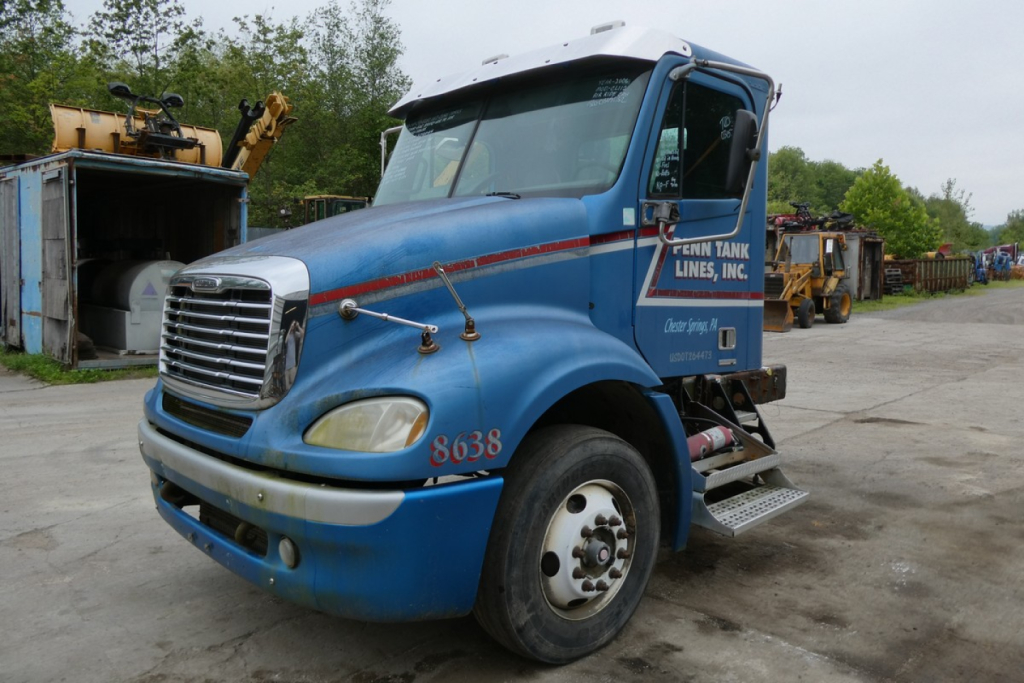
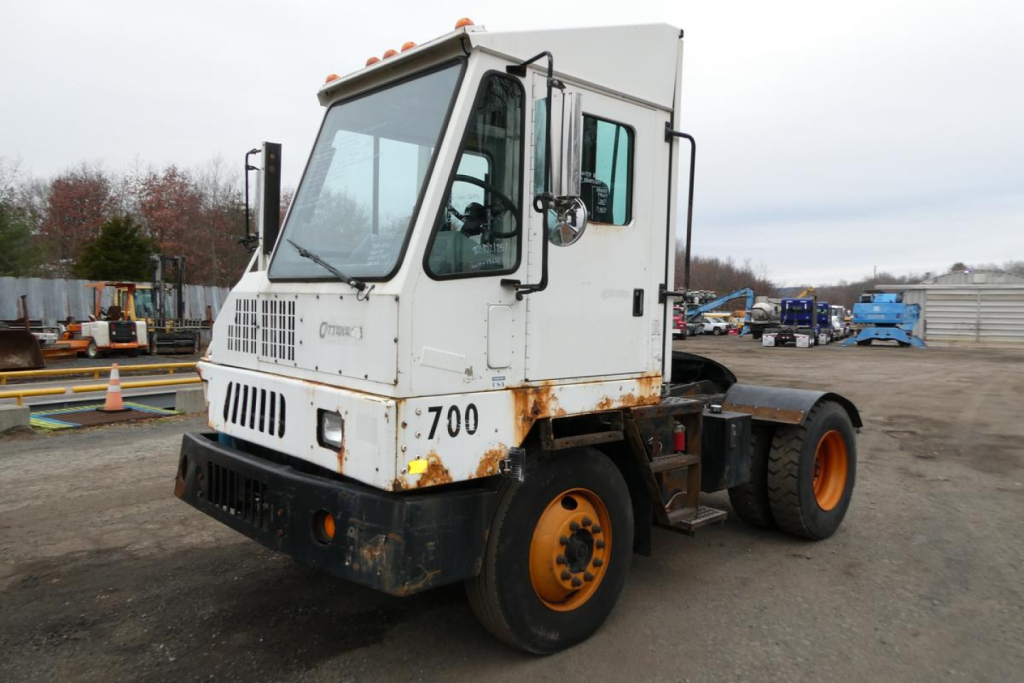
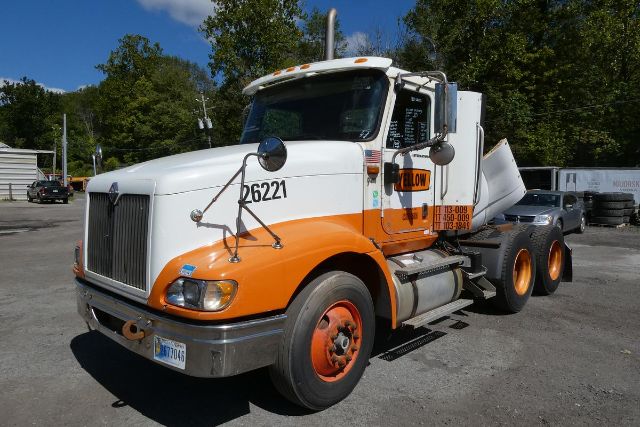
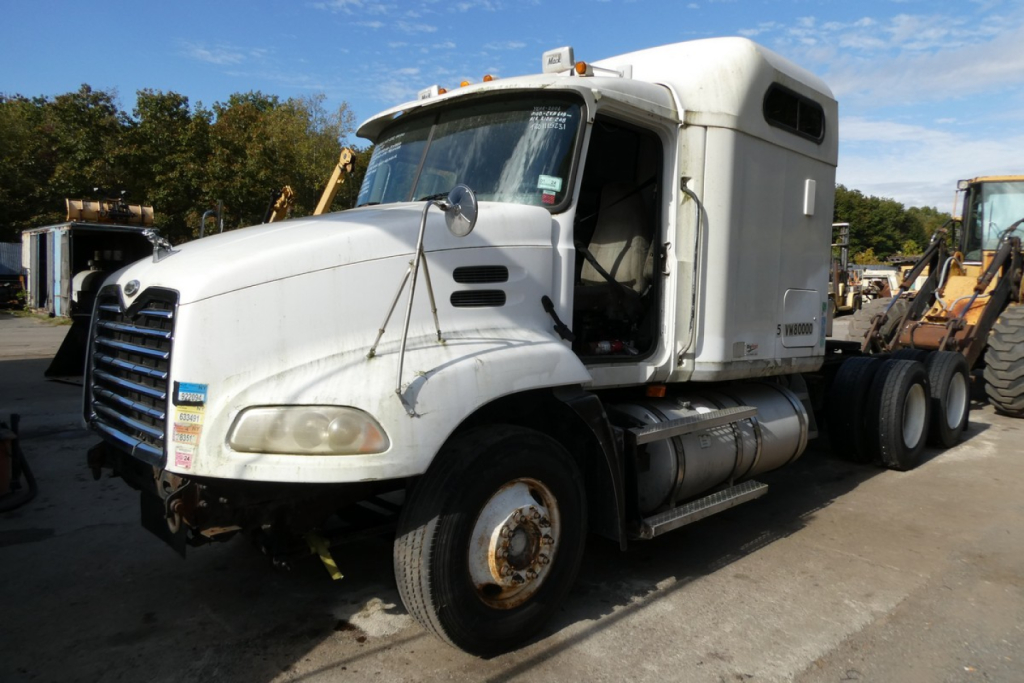

Selling a 2006 commercial truck? List your 2006 commercial truck for sale and reach thousands of commercial buyers.
2006 Commercial Trucks in New York
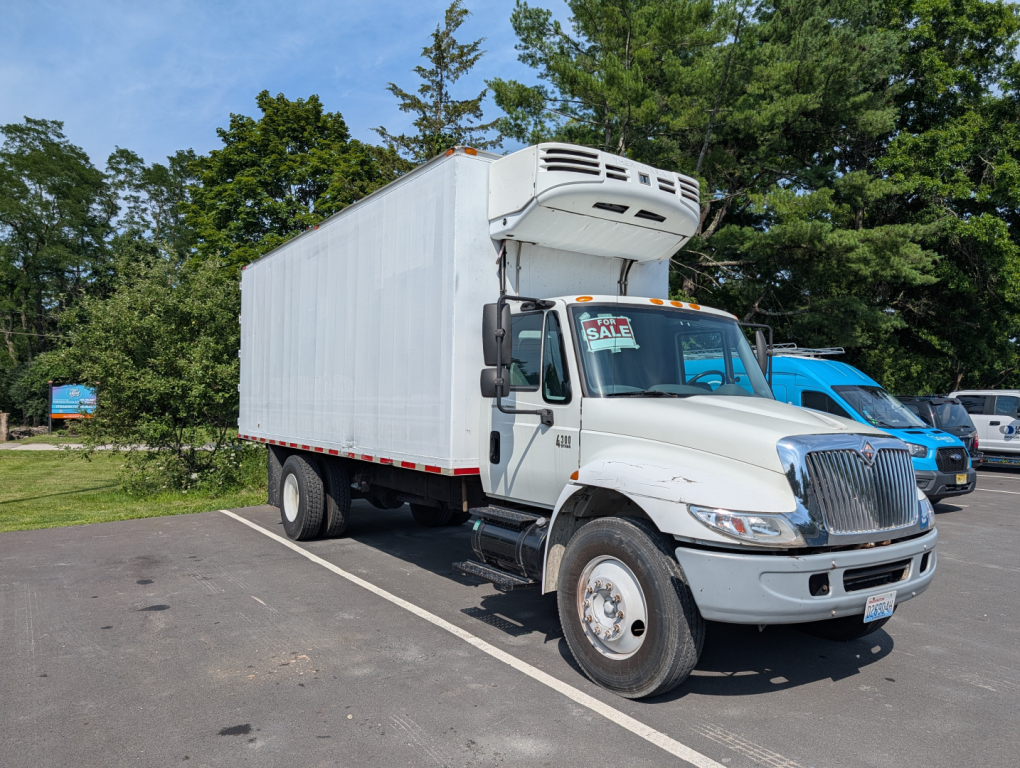
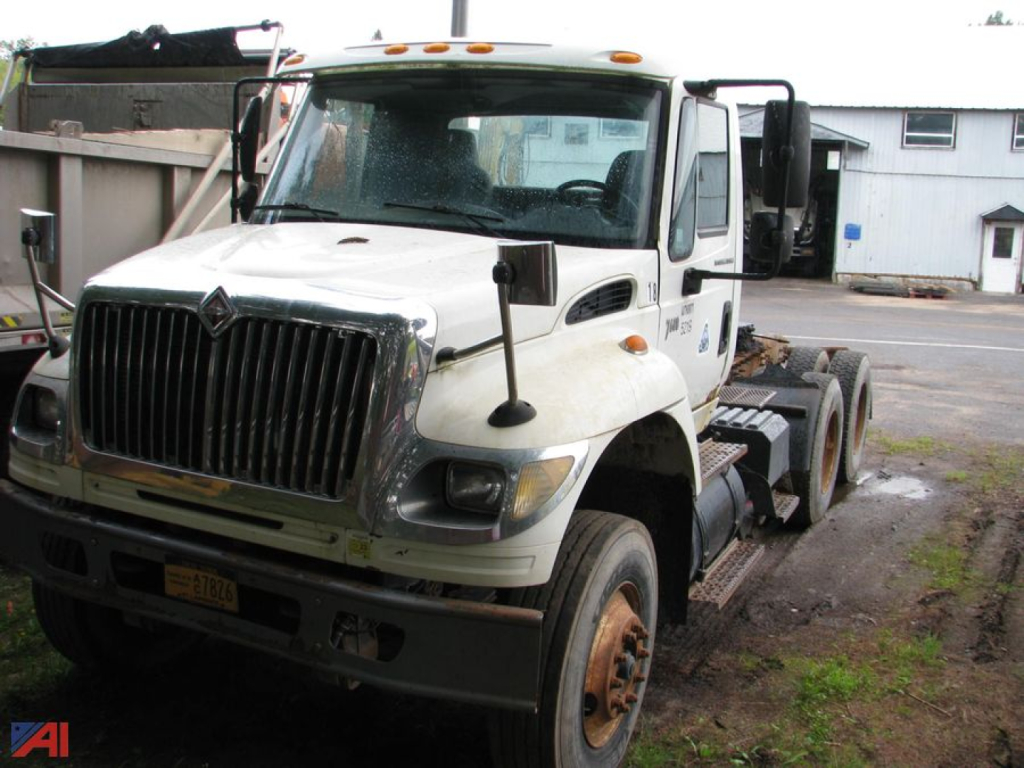
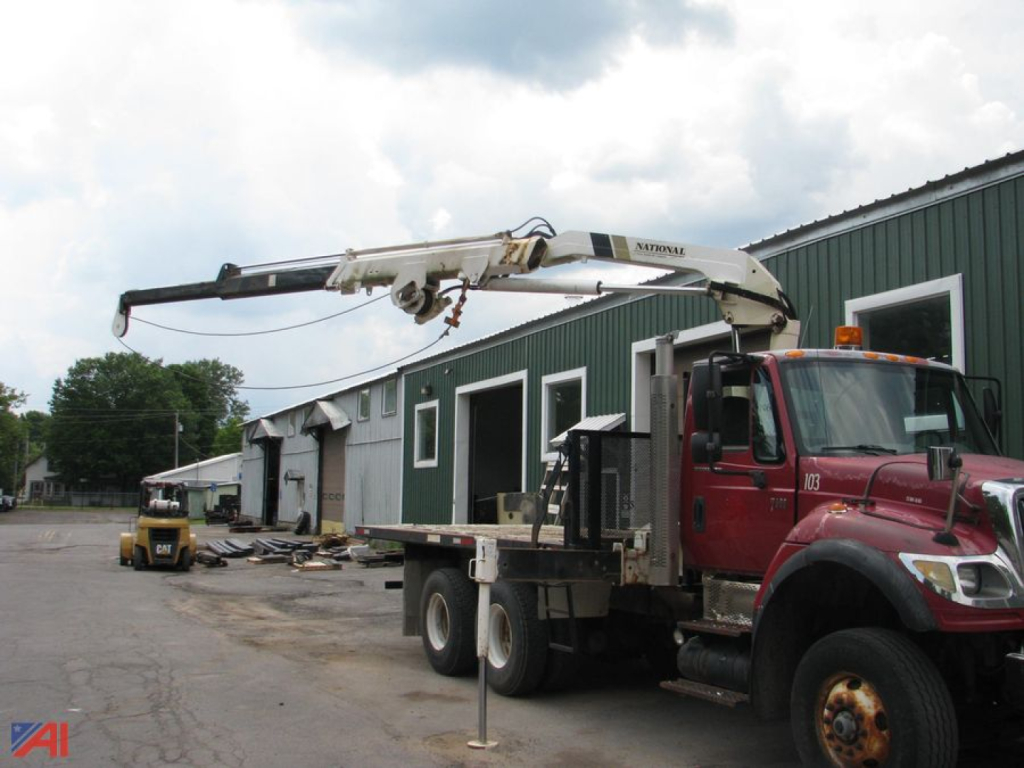
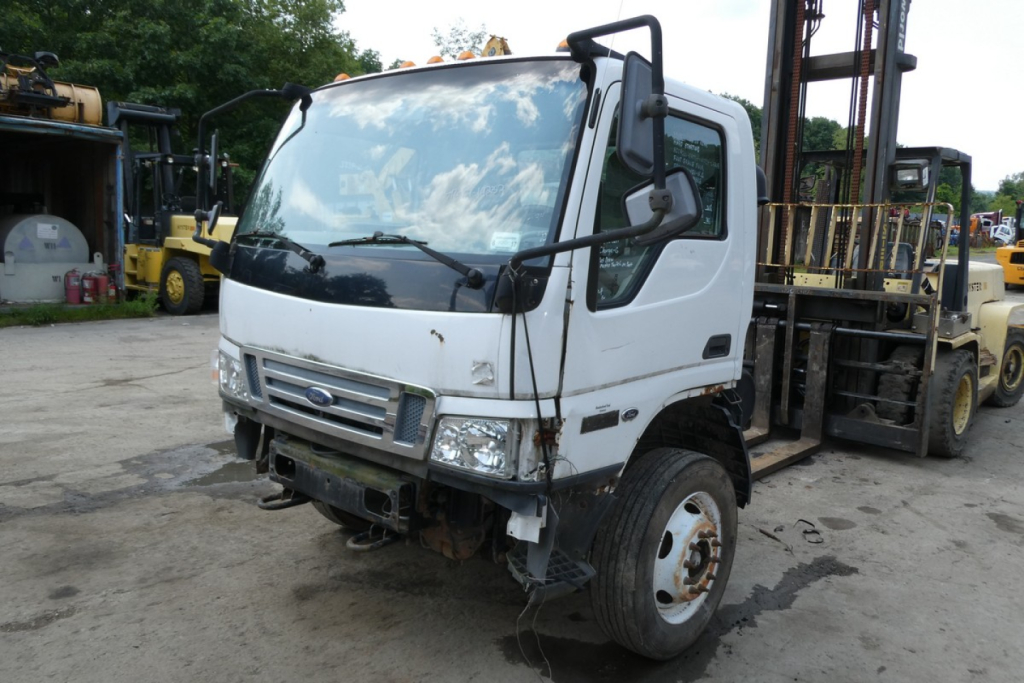
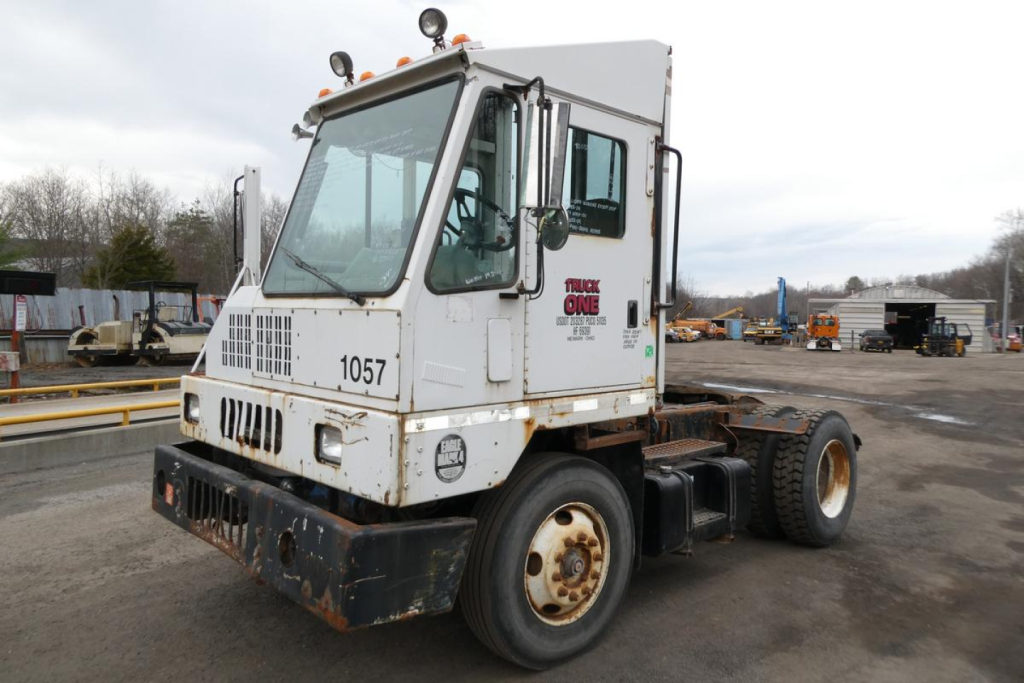
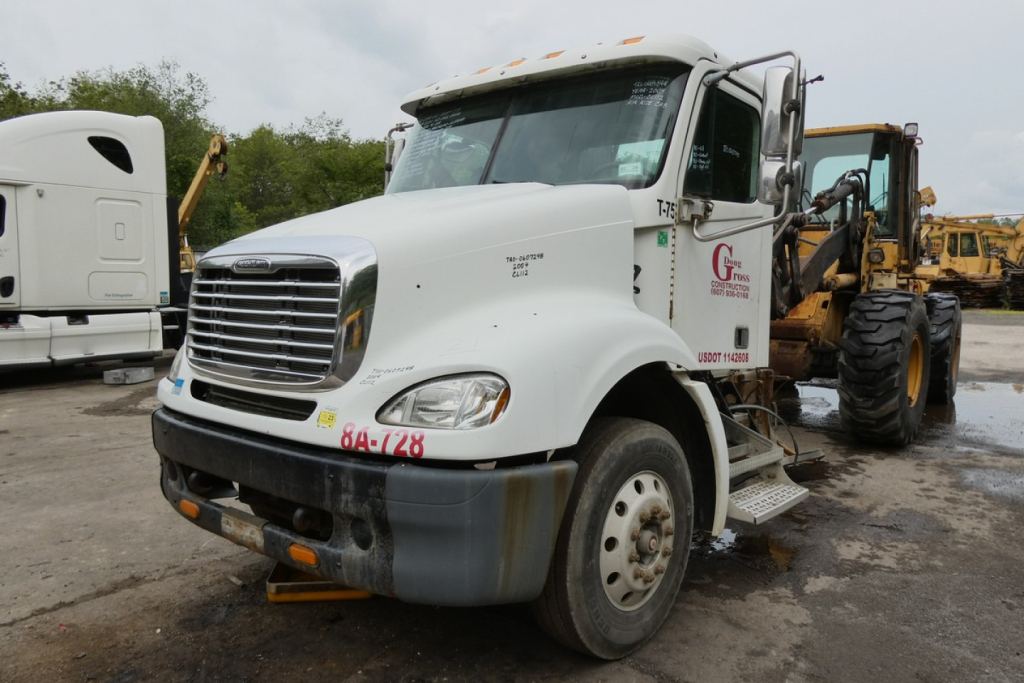
For a 2006 truck, start with vocation and weight class. A single-axle day cab or cab-and-chassis may be suited for local routes, box bodies, hooklift setups, or utility work, while tandem-axle dump and vocational trucks are more common in aggregate, paving, snow, and site service. Common checkpoints include GVWR, front axle capacity, rear axle rating, wheelbase, cab-to-axle, suspension type, and brake setup. On highway tractors, buyers typically compare engine horsepower, torque, rear ratio, 4x2 versus 6x4 configuration, and whether the truck has a stationary or sliding fifth wheel. On vocational units, body condition, hoist performance, frame condition, PTO operation, plow gear, hydraulics, and underbody corrosion often matter more than odometer reading alone.
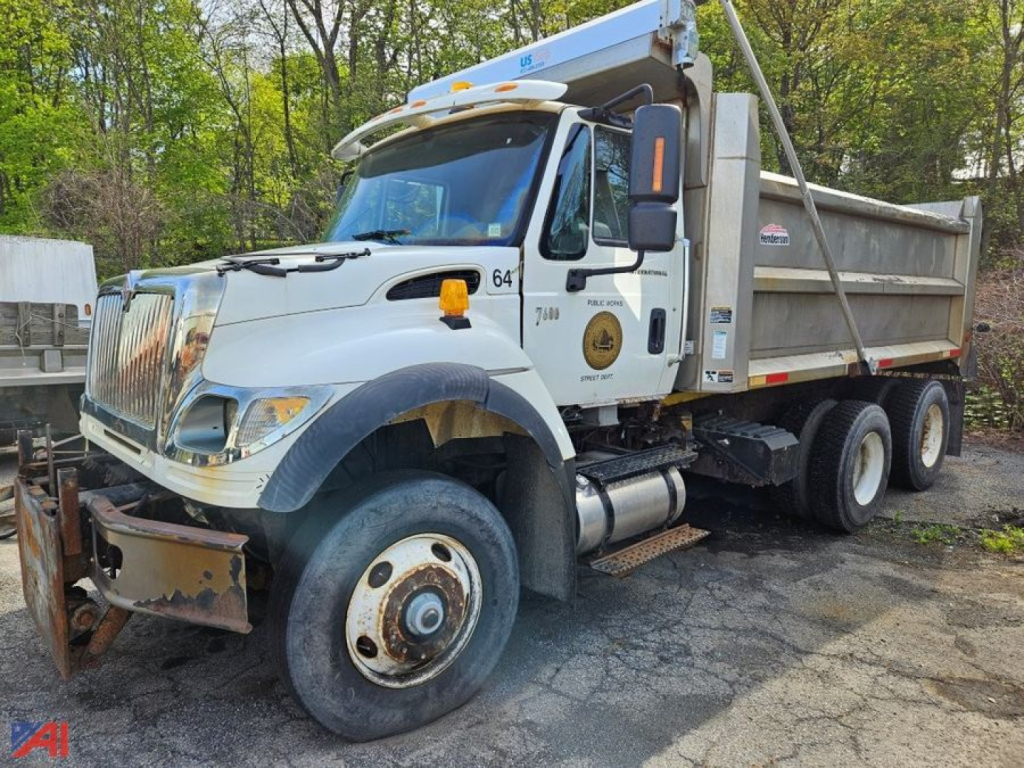
Because this is a 2006 model year in New York, rust and seasonal-use wear deserve close attention. Trucks that have seen snow, road salt, municipal duty, or plow service should be inspected carefully at the frame rails, spring hangers, cab mounts, crossmembers, electrical connections, brake lines, and body supports. Dump trucks and chassis with spreaders or plows often show accelerated wear in the front frame section, hydraulic systems, and attachment points. Buyers should also look for engine hours if available, not just miles, especially on municipal and jobsite trucks that spend long periods idling. Service records, emissions equipment configuration, tire date codes, and signs of prior frame repair can tell you more about remaining life than the badge on the hood.
The strongest 2006 truck purchase is one with a clear fit for its intended route, payload, and operating environment. A regional day cab should be evaluated for drivetrain efficiency, wheelbase, and maneuverability. A dump or severe-duty chassis should be judged on axle capacity, body integrity, PTO function, and front-end wear. A cab-and-chassis should be measured for upfit compatibility, including frame length, cab-to-axle, and available PTO provisions. If the truck will stay in New York, it also makes sense to factor in bridge law compliance, local road conditions, and the practical availability of replacement parts for the engine, transmission, suspension, and brake system. A well-matched 2006 truck can still be a productive asset when the spec is right and the condition has been verified closely.
Frequently Asked Questions about 2006 Commercial Trucks in New York
What should I inspect first on a 2006 used truck in New York?
Start with frame condition, corrosion, drivetrain health, and application-specific wear. In New York, road salt and winter service can accelerate rust on frame rails, crossmembers, brake lines, wiring, cab mounts, and body supports. After that, confirm engine operation, transmission function, axle ratings, suspension condition, and any hydraulic or PTO equipment. On dump trucks or municipal units, inspect plow mounts, hoists, spreader components, and front-end wear closely because those areas often show the hardest service.
Is a 2006 truck too old for commercial work?
A 2006 truck is not automatically too old for commercial work if the truck has the right spec and has been maintained properly. Many 2006 trucks remain useful in construction, farm, municipal, local delivery, and short-haul applications where annual mileage is manageable and downtime risk is understood. The better measure is condition, parts support, and service history. A clean, correctly spec'd 2006 truck can outperform a newer but poorly maintained unit.
What specs matter most when comparing 2006 trucks for sale?
The most important specs depend on the truck type, but buyers usually start with GVWR, axle configuration, wheelbase, engine horsepower, transmission type, rear axle ratio, suspension, and brake system. For cab-and-chassis trucks, cab-to-axle and frame length are critical because they determine body compatibility. For tractors, the key issues are drivetrain ratio, fifth wheel setup, and intended route. For dump and vocational trucks, front axle capacity, body condition, PTO operation, and hydraulic performance are usually more important than cosmetic appearance.
Are 2006 dump trucks and municipal trucks riskier to buy than highway trucks?
They can be, mainly because vocational and municipal trucks often see harsher duty cycles. A 2006 dump truck, plow truck, or municipal chassis may have lower miles than a road tractor but much more idle time, heavier loading, and greater exposure to corrosion, hydraulics wear, and front-end stress. That does not make them a poor choice. It means buyers should place more emphasis on maintenance records, hours, frame condition, steering components, hoist operation, and attachment wear than on mileage alone.
Why does wheelbase and cab-to-axle matter on a 2006 truck?
Wheelbase and cab-to-axle dimensions directly affect body fit, turning radius, bridge compliance, and weight distribution. On a 2006 cab-and-chassis, the wrong cab-to-axle can limit your ability to mount the body you need or force expensive modifications. On tractors, wheelbase affects maneuverability in urban New York routes and can influence how the truck handles with different trailer lengths. On vocational trucks, these dimensions also help determine stability, body overhang, and usable payload placement.