
2006 Freightliner Trucks For Sale in New York
Browse 2006 Freightliner trucks in New York. Compare Columbia, Business Class, FL and M2 models by engine, axle, cab, and application.
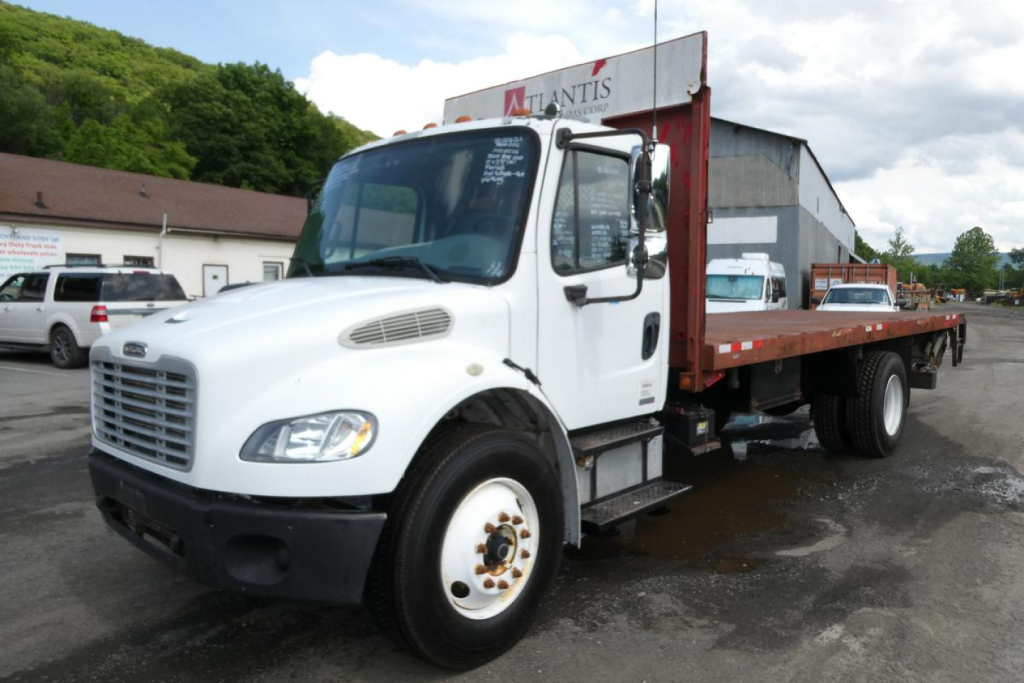
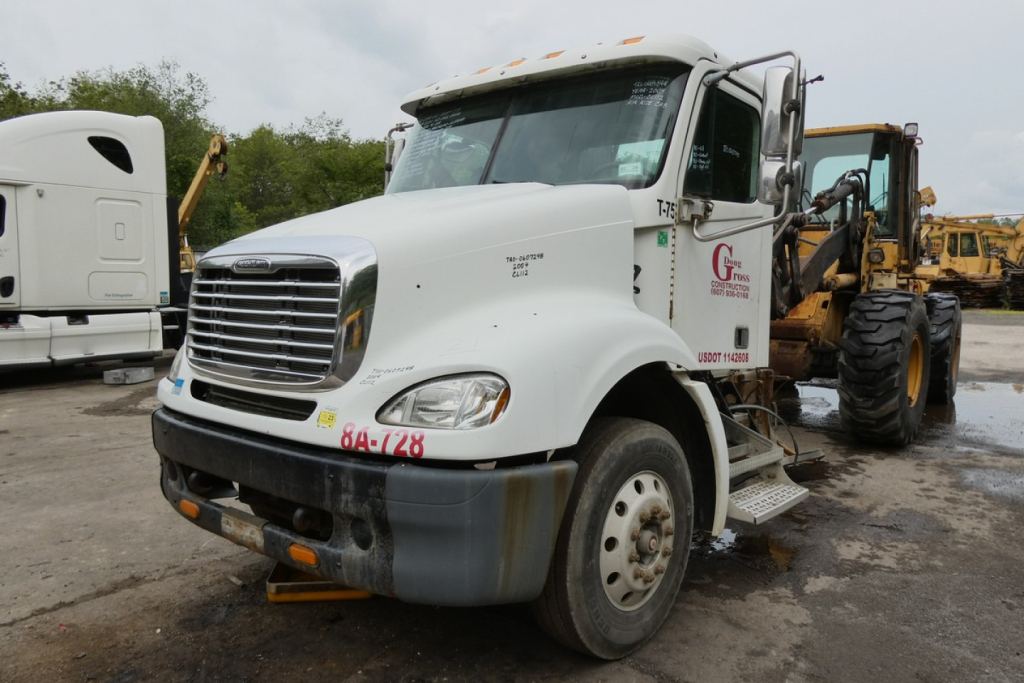
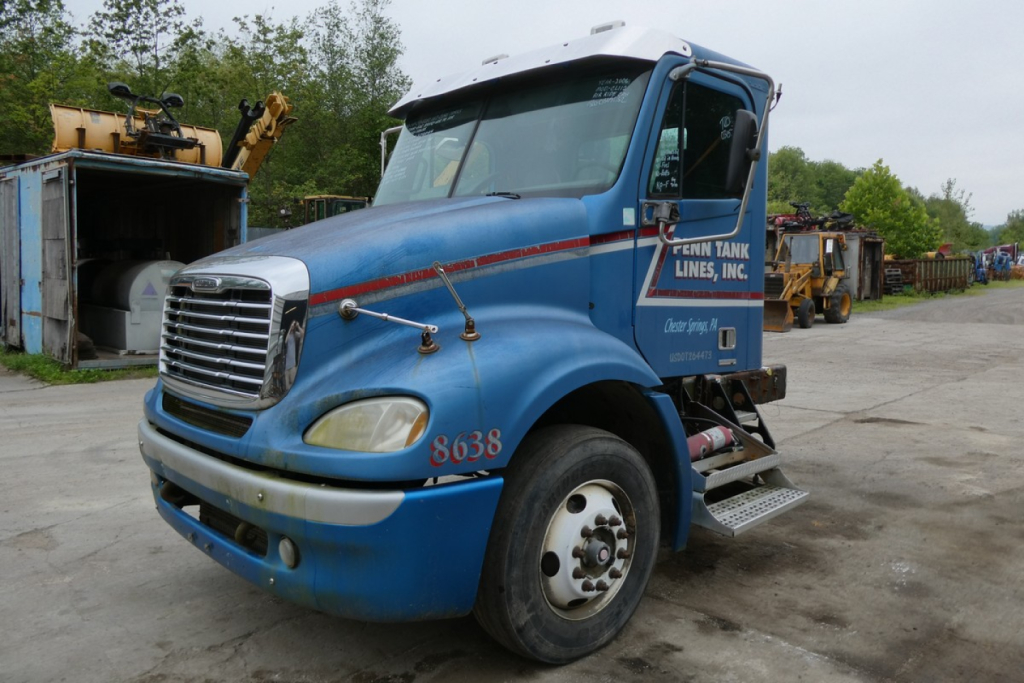
Selling a 2006 freightliner truck? List your 2006 freightliner truck for sale and reach thousands of commercial buyers.
2006 Freightliner Trucks in New York
Engine choice matters more on a 2006 Freightliner than almost any cosmetic factor. Depending on the model, these trucks may carry Detroit Diesel, Mercedes-Benz, Caterpillar, or Cummins power. Buyers should confirm horsepower, torque, engine brake setup, and the availability of service history, especially if the truck has high idle hours or has spent time in stop-and-go municipal or construction work. Transmission options in this year commonly include Eaton Fuller 8LL, 9-speed, 10-speed, 13-speed, and automatic or automated setups in medium-duty applications. Rear axle ratios, suspension type, and wheelbase all affect how the truck will perform. A low-ratio highway tractor may be efficient on linehaul but poorly suited for heavy local starts, while a spring suspension vocational truck with a shorter wheelbase may be better for jobsite maneuverability and body equipment.
For New York buyers, rust and corrosion inspection should be part of the first walkaround. Pay close attention to cab mounts, battery box supports, crossmembers, brake backing plates, hangers, air tanks, frame flanges, and wiring exposed to road salt. On body trucks, inspect hoist mounts, subframes, tank saddles, and any area where dissimilar metals trap moisture. If the truck is a tractor, look at fifth wheel wear, slider operation, frame drilling, and signs of prior frame repairs. On medium-duty Freightliner M2 or FL models, front axle capacity, hydraulic versus air brake configuration, and CDL implications can change the truck’s usefulness. On tandem tractors and heavier vocational units, verify suspension rating, inter-axle lock operation, and PTO or wet kit compatibility if auxiliary equipment is involved.
A good 2006 Freightliner is often bought on spec discipline rather than badge alone. Match GVWR, GCWR, cab style, and axle layout to the actual load and route. Check for emissions equipment differences by engine family, review ECM miles against the odometer when possible, and inspect for deferred maintenance in cooling systems, clutch linkage, driveline angles, and suspension wear. Freightliner parts support remains a major advantage, and many 2006 models are familiar to independent shops across the Northeast. For buyers comparing multiple used trucks, the best value usually comes from a clean frame, correct gearing, and a drivetrain that fits the job without expensive reconfiguration.
Frequently Asked Questions about 2006 Freightliner Trucks in New York
What are the most common 2006 Freightliner truck models buyers should expect to see?
Common 2006 Freightliner trucks include the Columbia and Century Class for highway tractor use, the Business Class M2 for medium-duty and vocational work, and older FL-series configurations still active in municipal, delivery, and specialty body applications. The exact model matters because cab layout, frame options, axle capacities, and engine availability differ significantly between a road tractor and a vocational chassis.
What should I inspect first on a used 2006 Freightliner truck in New York?
Start with the frame, cab structure, and corrosion-prone components. In New York, road salt can accelerate rust on crossmembers, cab mounts, suspension hangers, air tanks, brake components, electrical grounds, and body mounting points. After that, verify engine condition, transmission operation, axle ratings, brake type, and any signs of prior frame repair or hard vocational use.
Are 2006 Freightliner trucks good for vocational applications?
Yes, many 2006 Freightliner trucks are well suited for vocational work if the chassis was originally spec'd for it. Buyers should look for double-frame or reinforced frame sections, PTO capability, proper wheelbase for the body, correct front and rear axle ratings, and suspension matched to payload and terrain. A highway-spec tractor converted for vocational duty may not hold up as well as a purpose-built chassis.
Which drivetrain specs matter most on a 2006 Freightliner?
The most important drivetrain specs are engine make and horsepower, transmission type, rear axle ratio, suspension rating, and axle capacity. Those numbers determine startability, cruising RPM, payload handling, and how well the truck fits regional hauling, city delivery, construction, tanker work, or tractor service. On older trucks, the right gearing and axle setup usually matter more than appearance.
Is parts and service support still strong for a 2006 Freightliner truck?
Parts support is generally one of the strengths of older Freightliner trucks. Many chassis, brake, suspension, and drivetrain components are widely available through dealer networks, aftermarket suppliers, and heavy-duty salvage channels. Service familiarity is also good because independent diesel shops commonly know these platforms, especially M2, Columbia, Century, and FL-series trucks.