
Service/Utility Trucks For Sale in New York
Browse service and utility trucks for sale, including mechanic bodies, crane trucks, and work-ready service units for field repair and fleet support.
Selling a service/utility truck? List your service/utility truck for sale and reach thousands of commercial buyers.
Service/Utility Trucks in New York
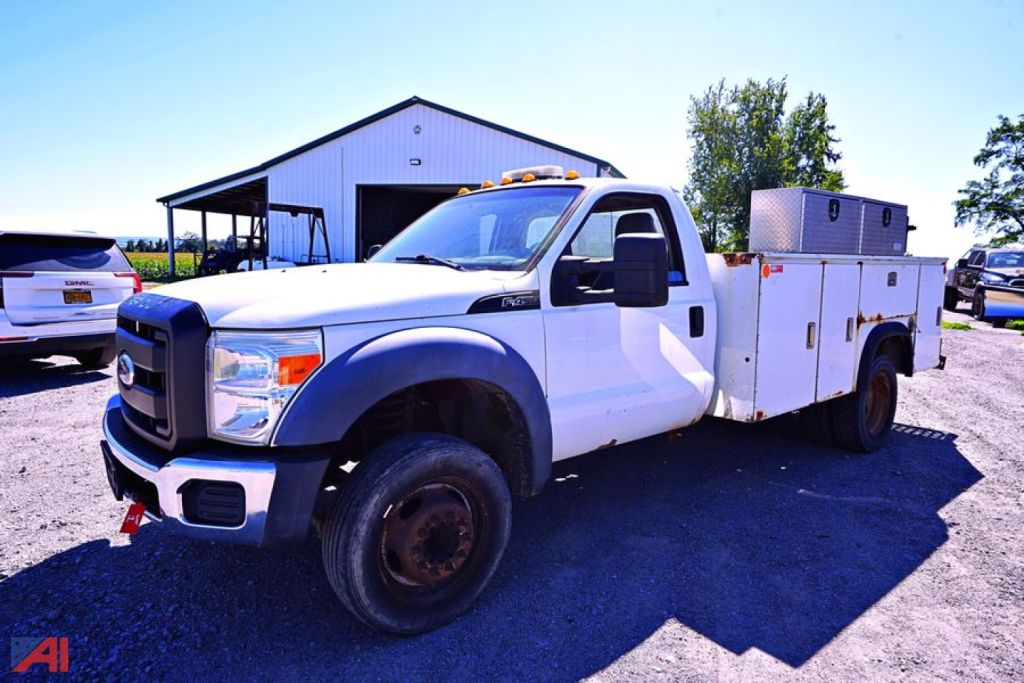
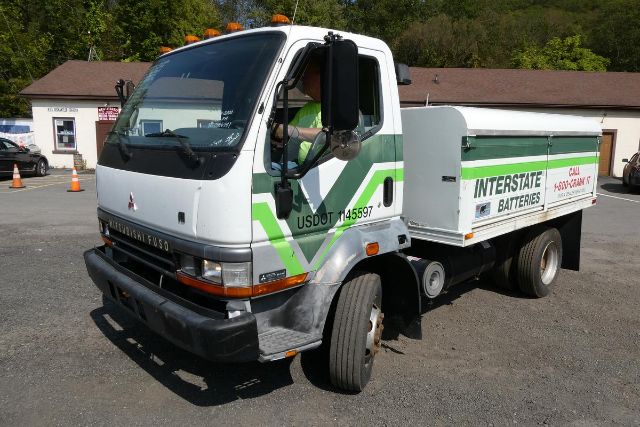
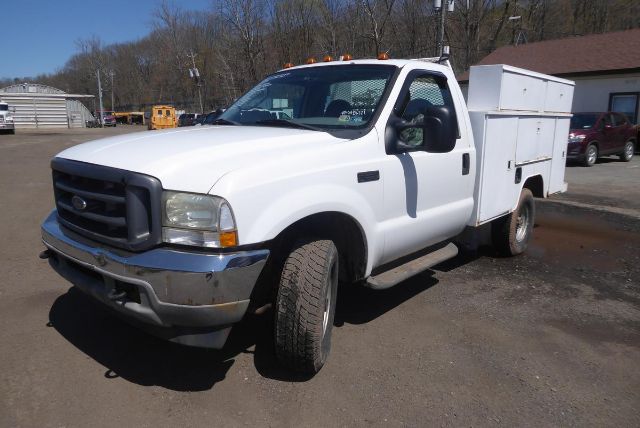
For most buyers, the first decision is chassis size and body style. Lighter units such as Ford F-350 or Chevrolet/GMC 3500 models are common for local service work, building maintenance, and mixed on-road use. Medium-duty chassis like Mitsubishi Fuso, Isuzu, Ford F-450 through F-750, Chevrolet 4500, or Ram 4500 and 5500 step up payload, compartment volume, and body durability. In New York, buyers often look closely at GVWR, wheelbase, and overall length because these trucks may need to work in tight municipal yards, city streets, and older industrial sites. Four-wheel drive can matter on seasonal roads, snow conditions, and utility easements, while 4x2 trucks generally offer lower operating cost and simpler maintenance.
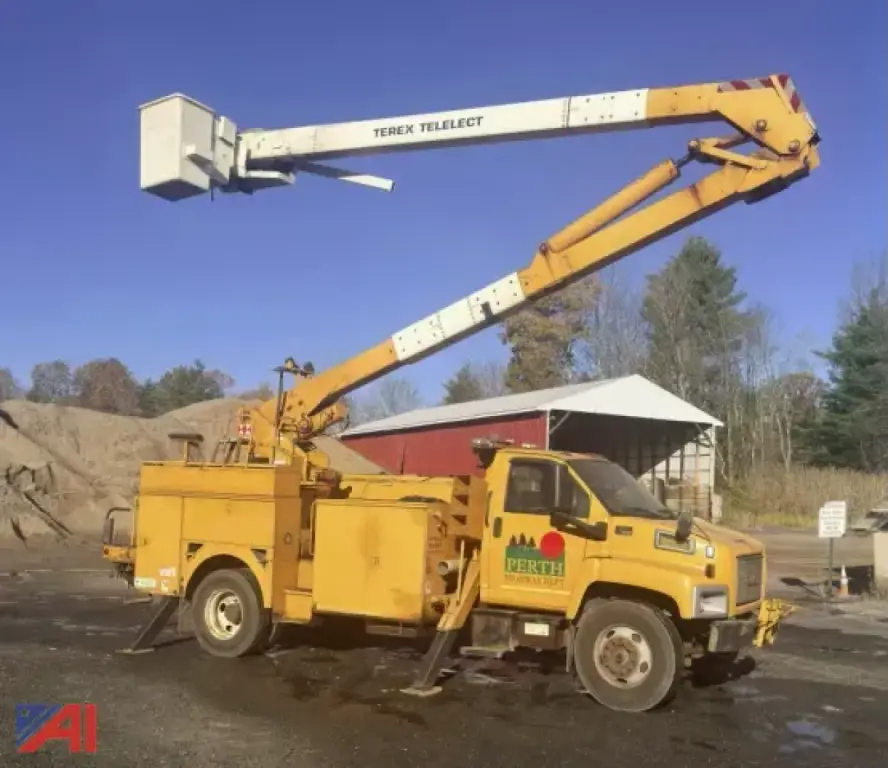
Body configuration matters as much as the chassis. Common features include side-pack compartments, ladder racks, vice mounts, pintle hitches, inverter or generator setups, air compressor provisions, work lights, and fuel transfer tanks where regulations and application allow. Some service trucks include cranes for lifting compressors, pumps, small engines, or jobsite materials. Buyers should inspect compartment structure, door seals, latch condition, rust around body mounts, and the condition of the bed floor or cargo deck. On crane-equipped units, pay attention to crane rating, boom condition, hydraulic performance, PTO operation, and any signs of frame reinforcement or fatigue. If the truck will support technicians daily, small details like compartment depth, lockability, shelving layout, and cab-to-axle dimensions have a direct effect on productivity.
Powertrain needs depend on route profile and payload. Gas engines are common in lighter service trucks and can be a good fit for shorter routes and lower annual miles. Diesel power is more common in medium-duty units where torque, longevity, and heavier body loads matter more. Automatic transmissions dominate this category, and many older trucks still run spring suspension, hydraulic brakes, and single rear axles. A smart evaluation includes axle ratings, tire size, brake type, electrical system capacity, and any upfit-specific components that may be expensive to replace. The best service or utility truck is not just the right make or model. It is the one with the right body layout, payload margin, and jobsite access for the work you need it to perform.
Frequently Asked Questions about Service/Utility Trucks in New York
What is the difference between a service truck and a utility truck?
The terms are often used interchangeably, but a service truck usually refers to a field support truck set up for tools, repair parts, and jobsite equipment, while a utility truck can describe a broader range of compartment-body trucks used by contractors, municipalities, and utility companies. Some buyers also use mechanic truck for heavier service bodies equipped with cranes, compressors, or welders. In practice, the important distinction is the body configuration, payload, and installed equipment rather than the label itself.
What should I check first on a used service or utility truck?
Start with the body, not just the cab and engine. Inspect compartment floors, hinges, locks, door alignment, rust at body mounts, and the condition of shelving or drawer systems. Then review GVWR, axle ratings, wheelbase, and cab-to-axle dimensions to confirm the chassis properly matches the body. On work-ready units, also check PTO operation, auxiliary lighting, inverter systems, compressors, cranes, fuel tanks, and trailer connections because upfit repairs can add cost quickly.
Is 4x4 important on a utility truck in New York?
For many New York applications, 4x4 is highly useful but not always required. It helps on snow-covered roads, gravel lots, utility easements, parks, and rural service routes where traction matters. For highway-based municipal work, urban maintenance, or paved commercial routes, a 4x2 truck may be more cost-effective and easier to maintain. The right choice depends on how often the truck leaves pavement, winter operating demands, and whether the added front axle weight reduces usable payload for your application.
Are crane-equipped utility trucks worth buying?
A crane-equipped service truck can add major value when technicians regularly lift pumps, generators, motors, toolboxes, or fabricated parts in the field. The tradeoff is added weight, more hydraulic components, and greater inspection responsibility. Buyers should verify crane capacity, reach, stability equipment, PTO function, and the condition of the pedestal, outriggers, and reinforcement areas on the body and frame. If lifting is only occasional, a standard utility body may provide better payload efficiency and lower maintenance cost.
What size service body is best for fleet work?
The best size depends on the technician’s parts load, tool volume, and towing needs. A 9-foot body on a one-ton chassis is common for general maintenance and light contractor service. Larger bodies on medium-duty chassis give more compartment space, better payload capacity, and room for cranes or compressors, which suits utility contractors and municipal departments. Buyers should match body length and compartment count to the daily work package rather than simply choosing the largest truck, because oversized units can be harder to maneuver and more expensive to operate.