
Ford Service/Utility Trucks For Sale in New York
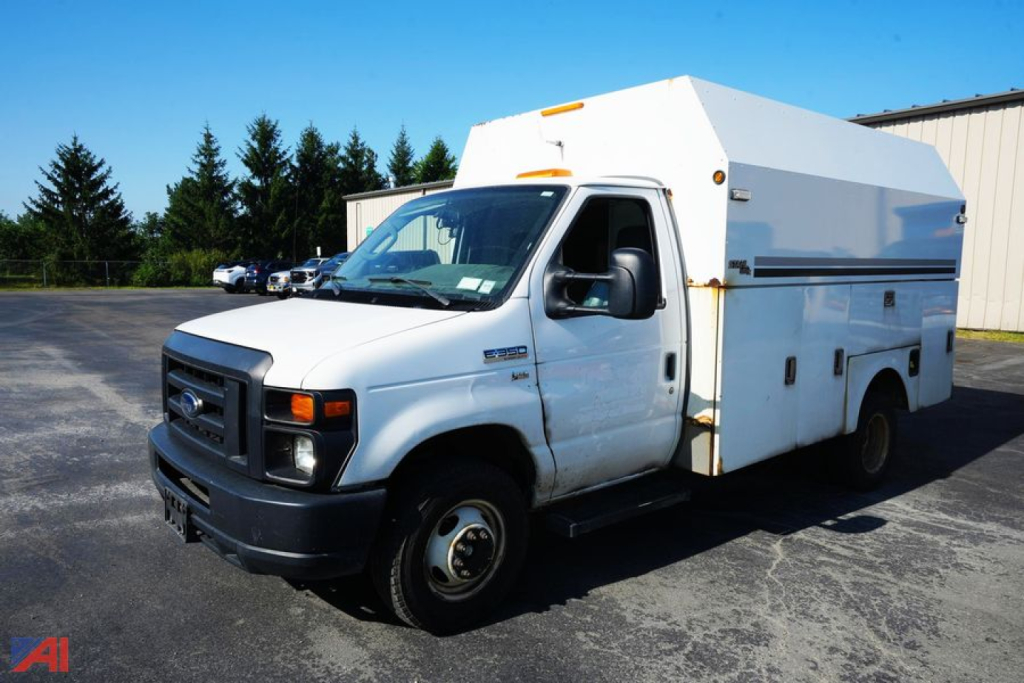
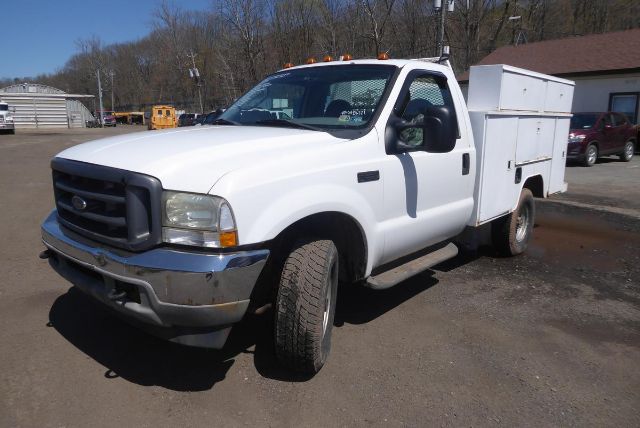
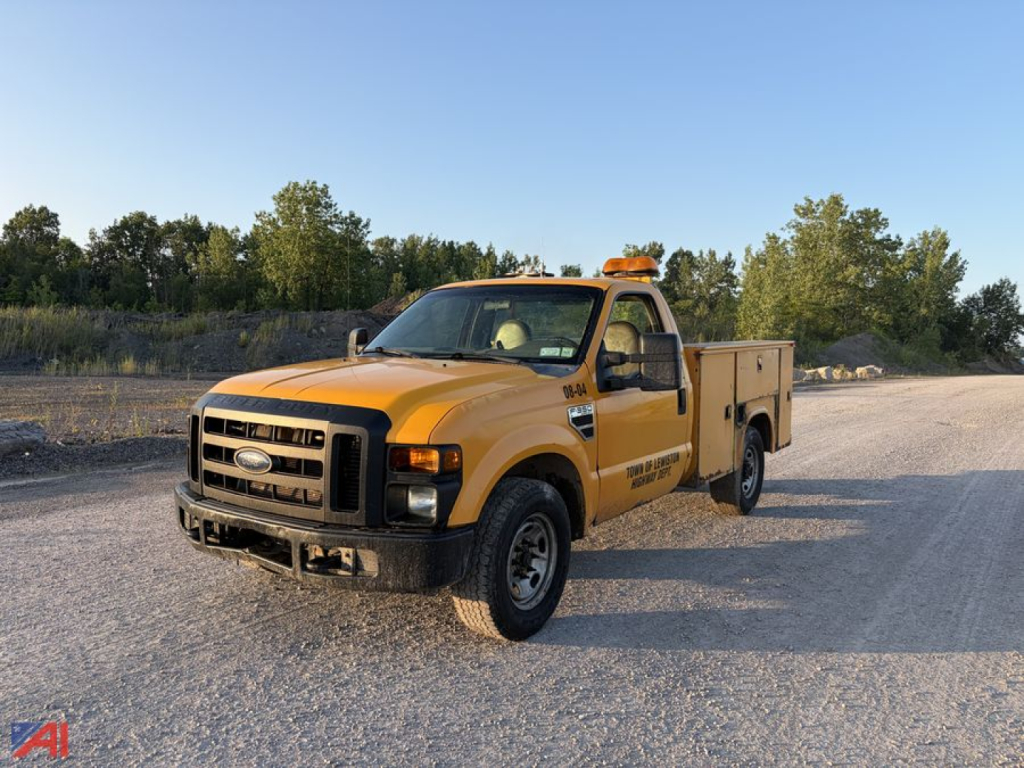
Have ford service/utility truck to sell? List it here to reach thousands of buyers.
Ford Service/Utility Trucks in New York
The utility body, also known as a service body, is what separates these trucks from a standard pickup. Buyers should pay close attention to compartment count, body length, material, and upfit details. Steel bodies are common and durable, but they add weight. Aluminum bodies help protect payload and resist corrosion, which matters in a state where road salt can shorten body life. Common features include curbside and streetside compartments, ladder racks, headache racks, pintle hitches, receiver hitches, inverter systems, work lights, backup alarms, and locking tool storage. Some trucks are equipped with cranes, air compressors, plows, or fuel lube packages, and those options can make a big difference in value if they match the intended job. Cab-to-axle measurement is especially important when replacing or comparing bodies because it affects fitment and usable compartment space.
A smart buyer also evaluates axle ratio, suspension, brake type, wheelbase, and GVWR alongside the body equipment. Ford service trucks often appear in 4x2 and 4x4 versions, and 4x4 is a major advantage for snow-season service, off-pavement access, and municipal work in upstate New York. Gas engines can be a good fit for fleets with lower annual miles, more idle time, and simpler maintenance priorities. Diesel can make more sense when the truck regularly carries heavier loads, powers PTO-driven equipment, or spends more time towing. Check for signs of rust at cab corners, rocker panels, bed mounts, compartment floors, and underbody supports, especially on older Northeast trucks. Buyers should also inspect door latches, seals, hinge condition, electrical upfit wiring, and the functionality of any onboard compressor, plow gear, crane, or transfer tank.
For most operations, the best Ford utility truck is the one whose body configuration already matches the work order. A truck with the right compartment layout, payload rating, hitch setup, and drivetrain can go straight to the jobsite with minimal rework. Buyers comparing listings should look beyond model year alone and focus on service history, idle hours if auxiliary equipment is installed, the condition of the utility body, and whether the chassis specs support the tools and materials carried every day. In this category, fit-for-purpose matters more than appearance, and a well-configured Ford service truck can stay productive for years in demanding fleet use.
Frequently Asked Questions about Ford Service/Utility Trucks in New York
What is a Ford service or utility truck used for?
A Ford service or utility truck is designed to carry tools, parts, and jobsite equipment in exterior side compartments built into a service body. These trucks are commonly used by contractors, electricians, plumbers, HVAC technicians, telecom crews, municipal departments, and maintenance fleets. Many are also equipped for towing, snow work, field repair, or mobile fueling depending on the body upfit and chassis rating.
What should I check when buying a used Ford utility truck in New York?
Start with rust and body condition because Northeast road salt can affect the cab, frame, compartment floors, hinges, and body mounts. Then verify the chassis specs, including GVWR, axle configuration, wheelbase, cab-to-axle measurement, and drivetrain. It is also important to inspect all compartment doors, locks, wiring, lighting, and any installed equipment such as plows, cranes, compressors, inverters, or transfer tanks. A clean upfit and solid service history usually matter more than cosmetic appearance alone.
Is a Ford F-350 enough for a service body, or should I look at an F-450 or F-550?
That depends on the weight of the body and the tools carried every day. An F-350 can work well for lighter service applications, especially when maneuverability and lower operating cost matter. An F-450 or F-550 is often a better choice when the truck has a larger body, heavier inventory load, crane service, fuel tanks, or regular towing duty. The right choice comes down to payload, rear axle capacity, and how the truck is actually used in the field.
Are gas or diesel Ford utility trucks better for service work?
Gas engines are often preferred for lighter-duty service applications with frequent stops, more idle time, and lower annual mileage because they are generally simpler to maintain. Diesel engines can be a better fit for heavier payloads, sustained towing, and applications that need stronger low-end torque or PTO-related work. Buyers should compare total operating cost, expected mileage, and the actual weight of the truck once the service body and equipment are installed.
Why does cab-to-axle measurement matter on a Ford utility truck?
Cab-to-axle measurement determines which service body lengths and configurations will properly fit the chassis. It affects compartment layout, body overhang, and sometimes hitch and bumper setup. If a buyer plans to replace the body, transfer an existing utility body, or compare listings with different wheelbases, cab-to-axle is one of the most important dimensions to confirm.