
Peterbilt Trucks For Sale in New York
Shop Peterbilt trucks for sale in New York, including day cabs, sleepers, dump and vocational models with PACCAR or CAT power.
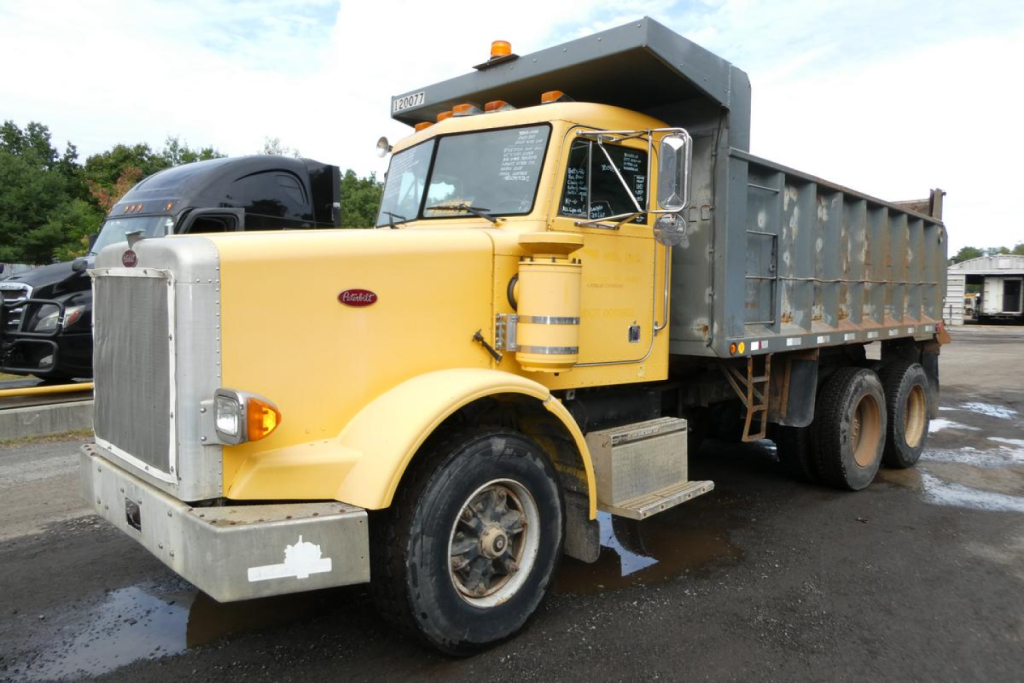
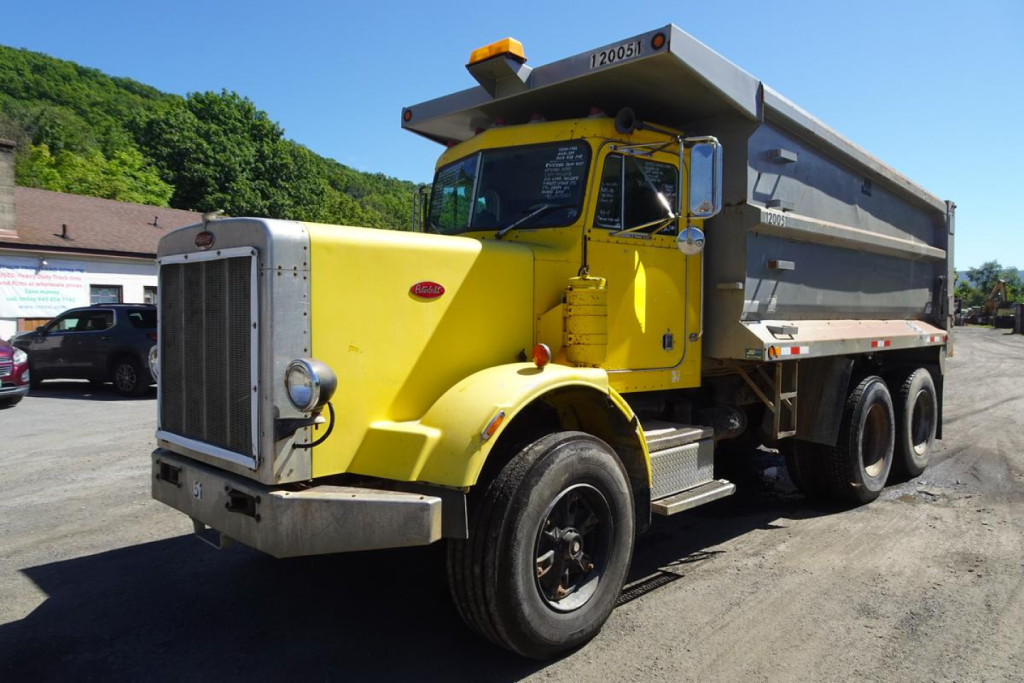
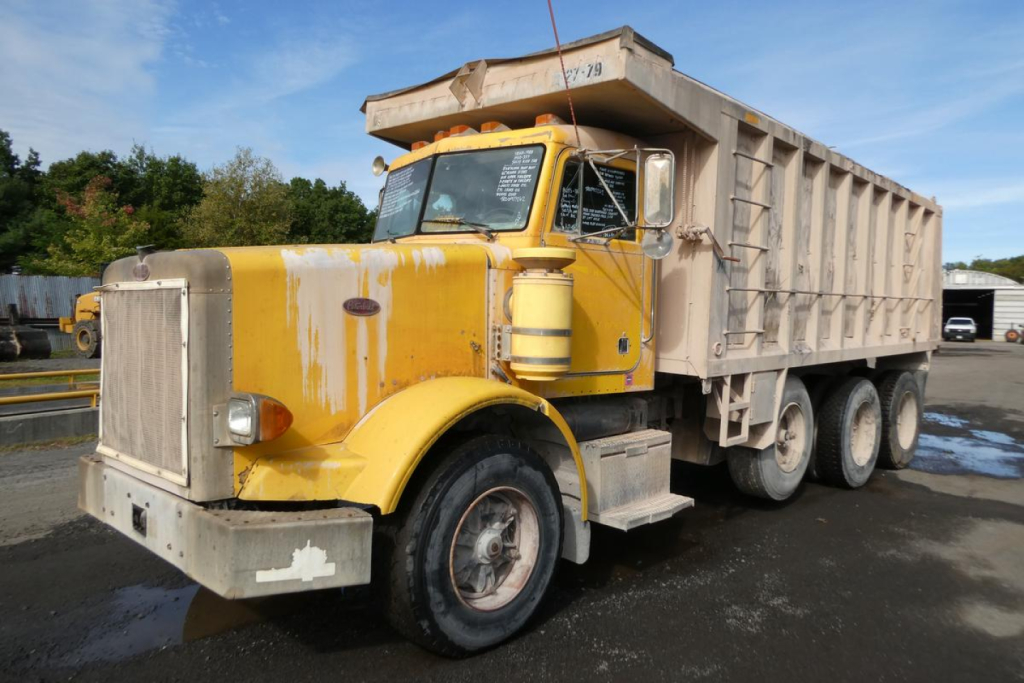
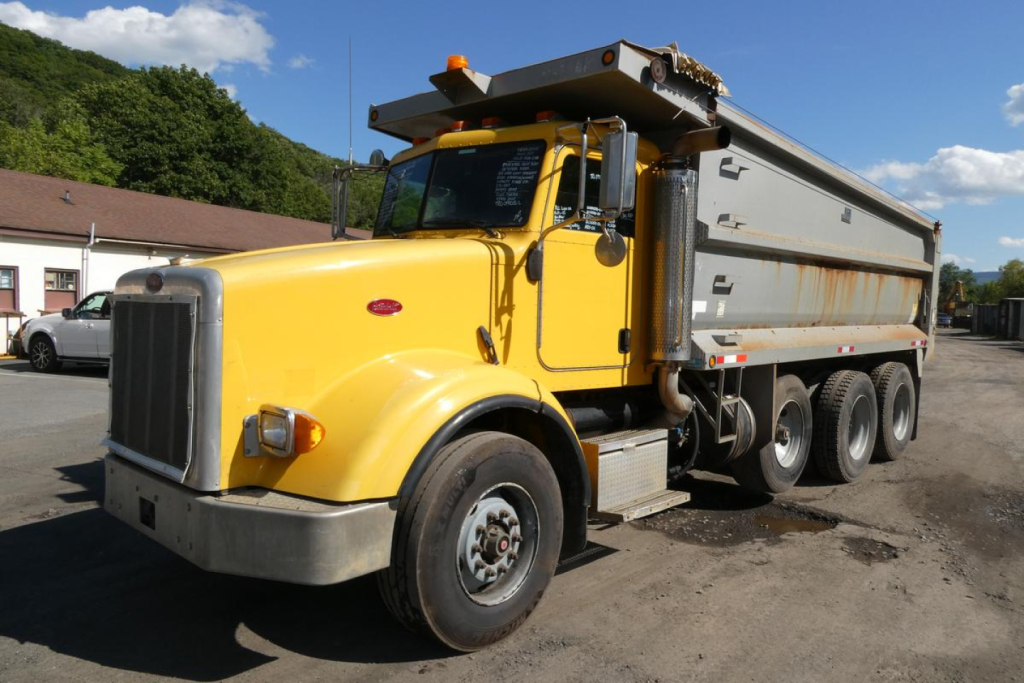
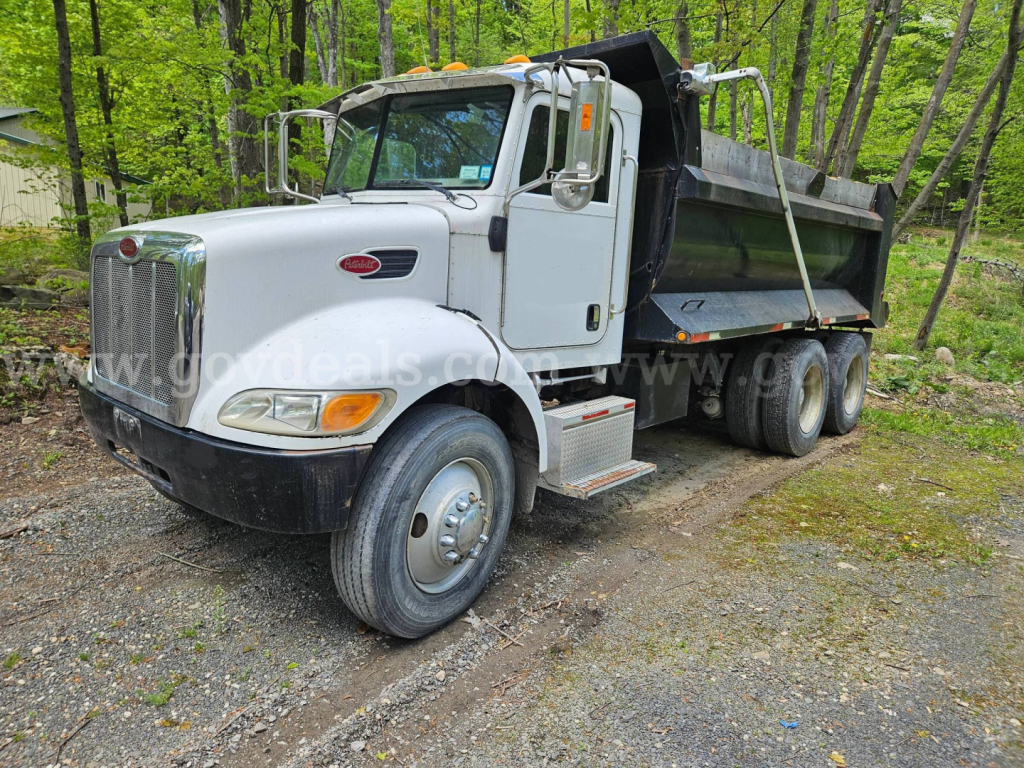
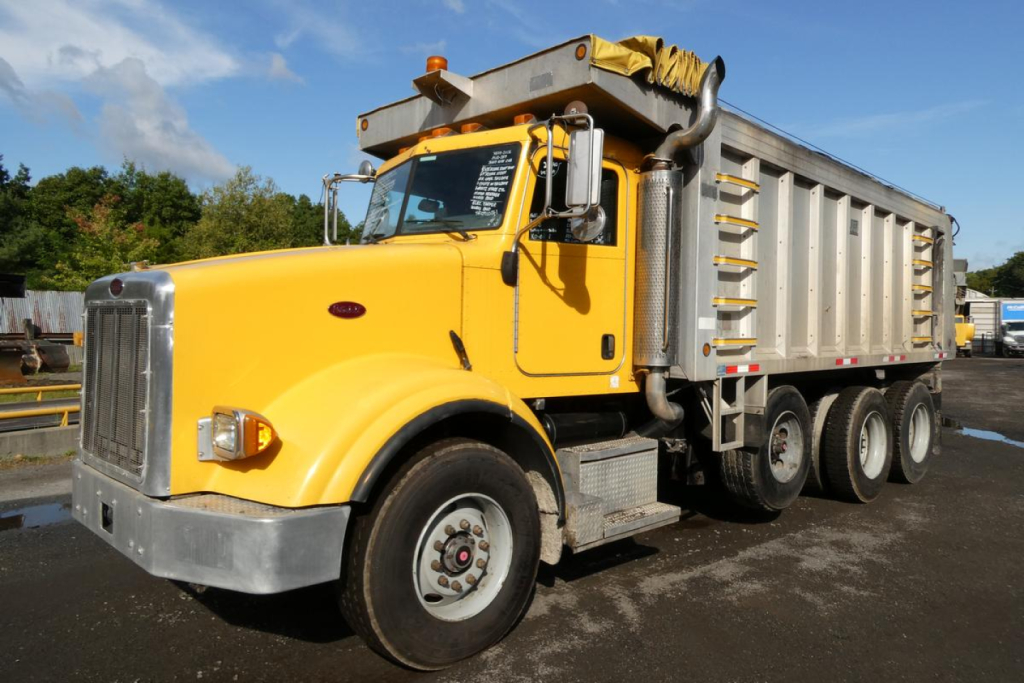
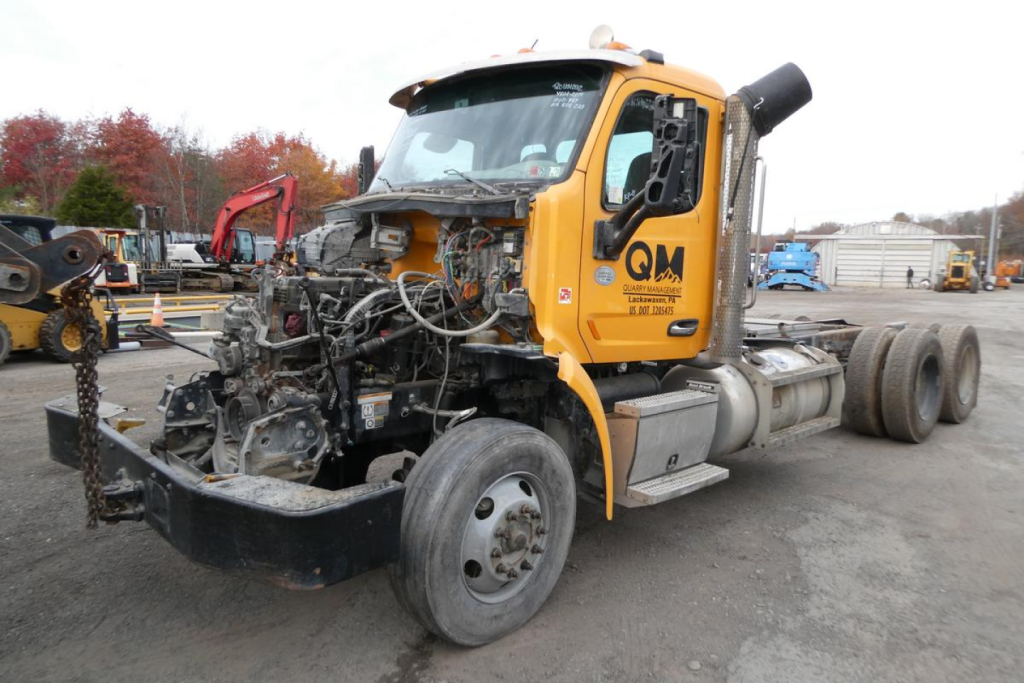
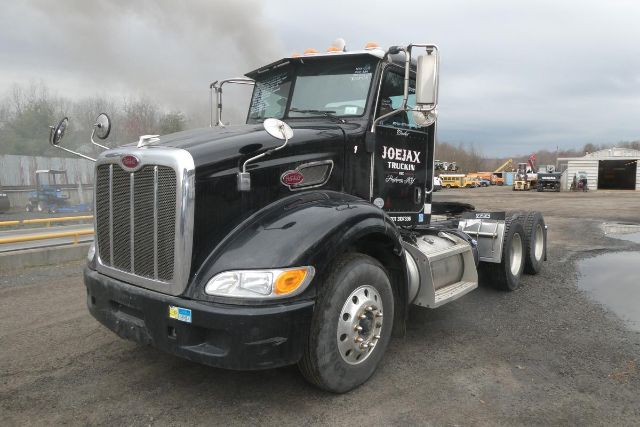
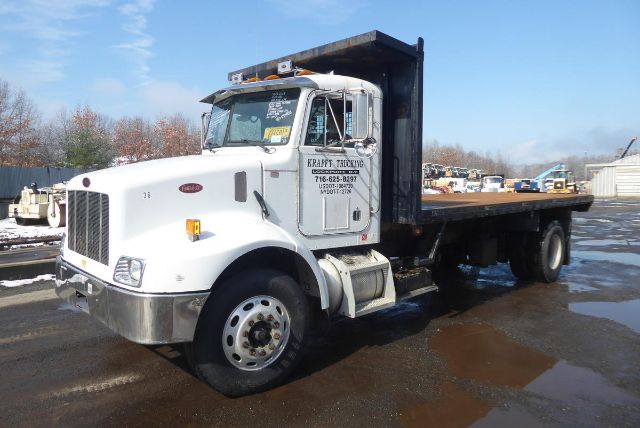

Selling a peterbilt truck? List your peterbilt truck for sale and reach thousands of commercial buyers.
Peterbilt Trucks in New York
Powertrain choices matter more than badge preference. Peterbilt trucks on the used market commonly show up with PACCAR MX-13, Caterpillar C15 or C7, and sometimes Cummins power depending on model year and application. Horsepower can range from around 300 hp in medium-duty and vocational setups to 500 hp or more in linehaul tractors. Transmission choices often include Fuller 9-speed and 10-speed manuals, plus 12-speed automated manuals in newer highway tractors. Pay close attention to rear axle ratio, axle configuration, and suspension type. Ratios like 2.80 or 2.93 favor lower cruise rpm and fuel economy, while deeper ratios such as 5.38 are better suited for dump bodies, PTO work, and stop-and-go vocational service. Common setups include 6x4 tandem axle sleepers, 4x2 day cabs, and single axle vocational trucks with double-frame reinforcement when body or hydraulic loads demand it.
Cab layout and chassis dimensions should be reviewed as closely as engine specs. New York buyers often need to balance turning radius, bridge and axle restrictions, and trailer compatibility. Wheelbase, cab-to-axle, and fifth wheel position affect how a Peterbilt fits a dry van, flatbed, dump body, or pintle-hook application. Sleeper models may include 67-inch high-roof double bunk configurations for over-the-road work, while day cabs are better for local and regional lanes where payload, maneuverability, and lower tare weight matter. On vocational trucks, details like PTO provision, wetline plumbing, frame type, and body condition are critical. On highway tractors, look at fairings, fuel capacity, suspension wear, brake condition, emissions system history, and whether the truck has a stationary or air-slide fifth wheel.
Peterbilt is also known for a driver-friendly cab, premium interior feel, and strong resale appeal, but condition still decides value. A buyer should inspect engine brake operation, DEF and aftertreatment performance on newer emissions-equipped units, suspension bushings, air system integrity, and frame condition around crossmembers, hangers, and body mounts. Tire spec, wheel material, front axle rating, and rear axle capacity should line up with the intended freight. For New York operations, that may mean a lighter day cab for metro and short-haul work, a tandem axle sleeper for Northeast linehaul, or a vocational Peterbilt with the right PTO and axle ratio for construction and municipal jobs. The best Peterbilt truck is usually the one with the right chassis spec for the route, body, and weight profile, not simply the newest model on the page.
Frequently Asked Questions about Peterbilt Trucks in New York
What are the most common Peterbilt truck types buyers look for in New York?
The most common Peterbilt trucks in New York are highway day cabs, conventional sleeper tractors, and vocational models such as dump or flatbed dump trucks. Day cabs are popular for regional freight, port drayage, and local delivery routes because they are lighter and easier to maneuver in tighter traffic corridors. Sleeper models are common in Northeast linehaul and long-distance service, while vocational trucks are used in construction, paving, landscaping, and municipal work where PTO capability, heavier axle ratios, and body compatibility matter.
Which engines are commonly found in used Peterbilt trucks?
Used Peterbilt trucks are commonly equipped with PACCAR MX-series engines, Caterpillar engines in older model years, and Cummins engines in many fleets and owner-operator specs. The PACCAR MX-13 is common in later-model highway tractors and is often paired with automated transmissions for fuel economy and driver ease. Older Peterbilt tractors may carry Caterpillar C15 power, which remains desirable for buyers looking for a pre-emissions or simpler emissions-era spec, while medium-duty and vocational trucks may use engines such as the CAT C7 depending on the chassis and body application.
How important is axle ratio when buying a Peterbilt truck?
Axle ratio is one of the most important spec decisions because it directly affects launch performance, gradeability, cruising rpm, and fuel economy. A highway tractor with a 2.80, 2.93, or 3.36 ratio is generally aimed at linehaul or regional freight where road speed and efficiency are priorities. A vocational Peterbilt with a deeper ratio like 5.38 is better suited for dump work, heavy starts, PTO applications, and low-speed operation. The ratio needs to match the transmission, tire size, and the actual weight and terrain the truck will see.
What should buyers inspect on a used Peterbilt 579 or similar late-model highway tractor?
On a late-model Peterbilt 579 or similar highway tractor, buyers should inspect the emissions system carefully, including DEF components, sensors, aftertreatment history, and any active warning lights or derate conditions. It is also smart to review transmission operation, clutch calibration on automated manuals, front-end wear, air ride suspension condition, and brake life. Check the wheelbase and fifth wheel setup against the trailers being pulled, and confirm that tire sizes, axle ratings, and suspension capacity fit the intended lane and payload.
Are Peterbilt vocational trucks different from Peterbilt highway tractors in what buyers should prioritize?
Yes. Vocational Peterbilt trucks should be evaluated first on chassis strength, PTO and hydraulic setup, frame design, axle ratings, and how well the truck matches the body and job cycle. Buyers should verify whether the truck has a double frame, the correct rear ratio, and the right suspension for severe service. Highway tractors are judged more heavily on fuel economy spec, sleeper size, fairings, ride quality, and long-term powertrain efficiency. Both need a full mechanical inspection, but vocational buyers usually focus more on body integration and work-ready chassis details.