
Bucket Trucks For Sale in New York
Bucket trucks for sale in New York, compare insulated booms, working height, side reach, GVWR, corrosion protection, and cold weather hydraulics.
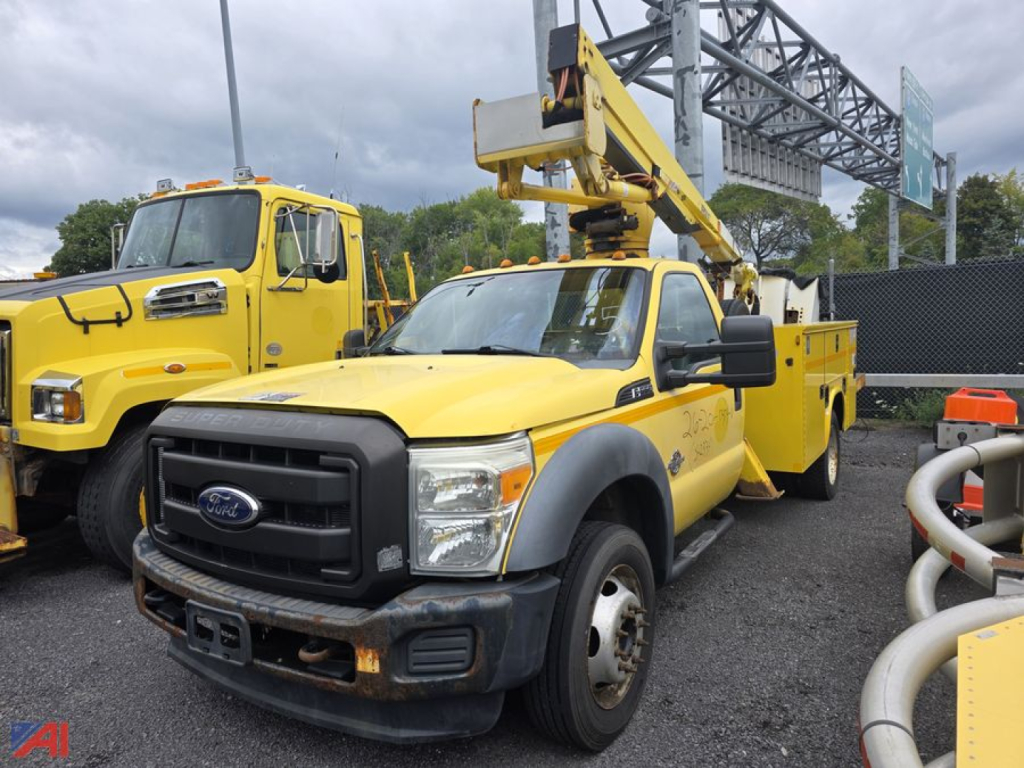
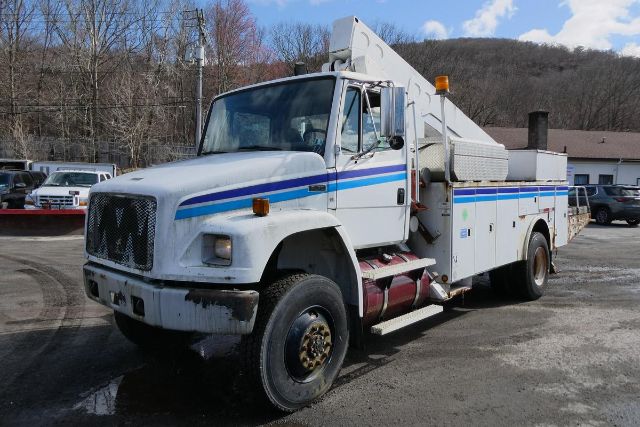
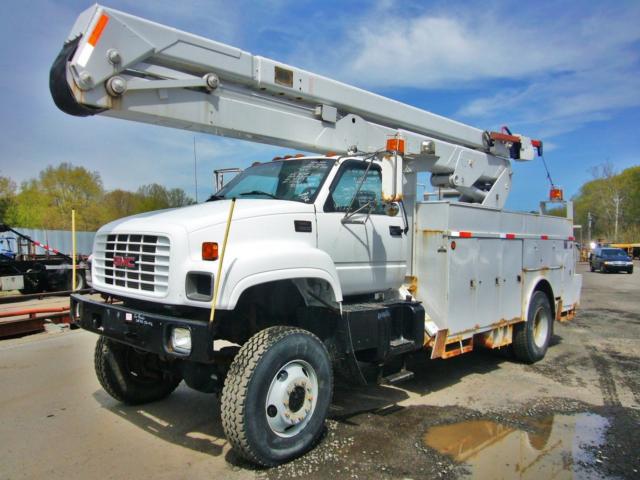
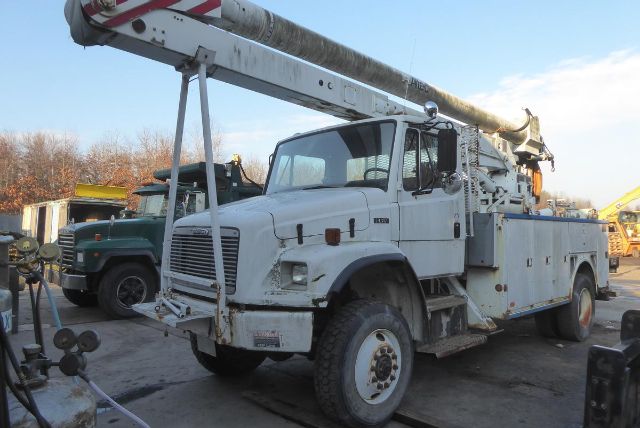
Selling a bucket truck? List your bucket truck for sale and reach thousands of commercial buyers.
Bucket Trucks in New York
Tare weight drives payload, axle ratings, and CDL requirements. Aluminum or fiberglass service bodies cut weight and resist corrosion, steel bodies offer higher puncture resistance and lower initial cost but need better coatings. A Class 5 or 6 chassis keeps curb weight down and is common for 34 to 45 foot work heights, Class 7 to 8 supports 55 to 75 foot units, larger jibs, and more tools. Verify front and rear axle ratings against the boom pedestal and bucket stow location, short wheelbases help in city work but can concentrate loads. Match the power take off to the transmission, a hot shift PTO or clutch pump should supply adequate hydraulic flow at a low engine speed to reduce idle time and noise. For upstate winters and jobsite access, 4x4, limited slip differentials, and appropriate tire spec improve traction and reduce setup time.
Thermal integrity matters on New York routes that start before sunrise in freezing temperatures. Cold weather hydraulic packages, low pour point fluids, tank heaters, and return line filtration sustain smooth control response and protect seals. Look for electric over hydraulic controls with proportional valves and well sealed Deutsch connectors, water intrusion ruins signal quality and corrodes pins. Insulated units must maintain dielectric integrity, fiberglass booms, bucket liners, and non conductive hoses need documented ANSI A92.2 testing at prescribed intervals. Verify upper and lower controls, emergency descent, interlocks, and load holding valves, then check that the alternator, batteries, and block heater support repeated boom cycles and lighting on long winter shifts.
Corrosion resistance is a major differentiator for bucket trucks for sale in New York because of salt exposure. E coated or galvanneal bodies, powder coat with proper mil thickness, stainless fasteners, sealed harnesses, and undercoated frames extend service life. Fiberglass booms should show sound gelcoat with no fiber bloom, UV damage, or soft spots, bucket rims and floors should be free of cracks and have intact liners. Outrigger cylinders and pins need grease passages that are accessible with body doors closed, outrigger pads should store in trays that drain so floor panels do not stay wet. A clean subframe, quality body to frame isolation, and drain paths under the deck keep moisture away from the floor, preserving floor strength and reducing rot and rust migration over time.
Frequently Asked Questions about Bucket Trucks in New York
How do I size working height and side reach for a bucket truck job profile?
Start with the highest routine task, then confirm the required side reach without over relying on truck repositioning. Distribution line work and municipal lighting often falls in the 34 to 45 foot class, vegetation management commonly uses 50 to 60 foot with strong side reach, transmission or sign work can push 60 to 75 feet or more. Review the platform capacity at maximum reach, check up and over capability for obstacles, and ensure your typical street or alley setup allows full outrigger deployment within posted parking constraints.
When should I choose an insulated bucket truck and what ratings matter?
Choose insulated units when working on or near energized conductors or in environments with potential electrical contact. Verify ANSI A92.2 classification and dielectric test records for the boom, bucket liner, and lower controls. Category C insulating units are commonly specified for electric utility work, the unit should show current test dates and proper creepage distances, non conductive hoses, and clean, undamaged fiberglass. Non insulated units are suitable for sign, lighting, and tree care away from conductors, they cost less and carry less weight.
What chassis GVWR affects CDL requirements in New York?
A CDL is required when the GVWR or actual weight of the single vehicle exceeds 26,000 pounds in combination with other factors, and additional endorsements may apply for air brakes. Many 34 to 45 foot bucket trucks on Class 5 or 6 chassis stay under the CDL threshold when lightly outfitted, larger 55 to 75 foot units on Class 7 or 8 chassis typically require a CDL. Always verify the door tag GVWR, axle ratings, and the fully equipped curb weight with body, tools, and crew to understand payload and compliance. New York also requires annual safety inspections and adherence to applicable DOT rules for commercial operation.
How can I protect a bucket truck from corrosion in New York winters?
Select bodies with e coat or galvanneal construction, robust powder coat, stainless hinges and latches, and sealed harnesses. Specify undercoating, cavity wax, and dielectric grease on connectors, then wash the chassis, outriggers, and boom base frequently to remove salt. Keep drain holes open in toolboxes and deck areas, store outrigger pads in trays that shed water, and touch up paint and gelcoat chips promptly. Regular lubrication of outrigger pins and rotation bearings helps push contaminants out and slows wear.
What winter performance features should I look for in hydraulics and controls?
Cold rated hydraulic fluid, a reservoir heater, and a return line filter with a clog indicator keep flow consistent and protect components. A PTO or clutch pump sized for target flow at low engine rpm reduces warm up time and fuel use. Look for proportional electric over hydraulic controls with sealed connectors, a strong alternator, dual batteries, and a block heater for reliable cold starts. Confirm that emergency descent functions without engine power and that the control system and hoses are rated for the lowest ambient temperatures you expect.