
Day Cab Trucks For Sale in New York
Have day cab truck to sell? List it here to reach thousands of buyers.
Day Cab Trucks in New York
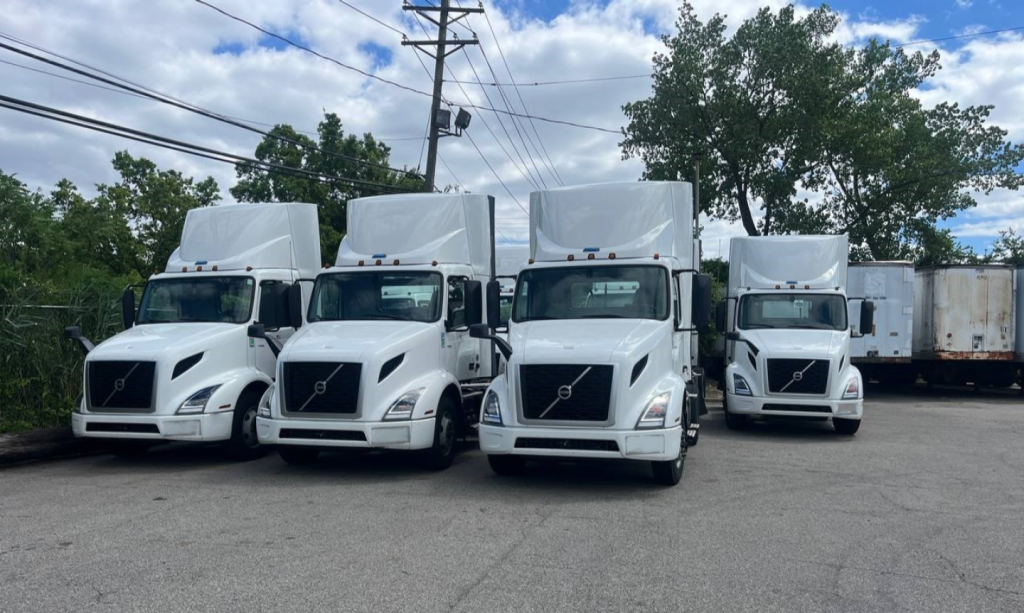
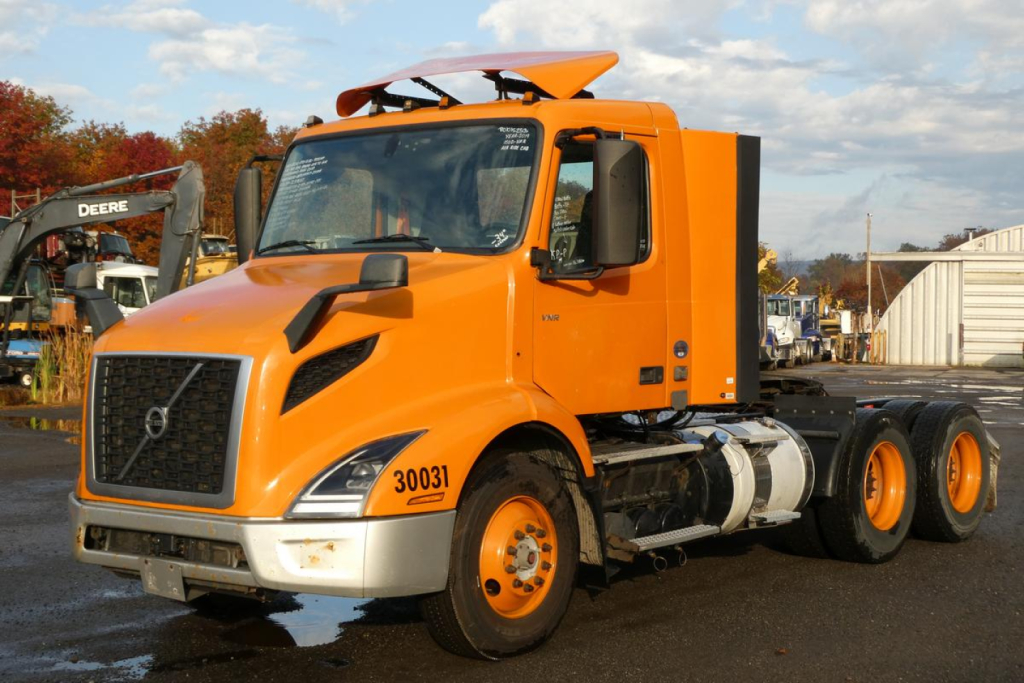
The main buying decision usually starts with axle and wheelbase. A 6x4 tandem axle day cab is common for heavier regional freight, while lighter applications may lean toward a single axle setup for lower operating cost and easier bridge-law management. Wheelbase affects both ride and maneuverability, and cab-to-axle length determines how well the tractor matches the trailer type and kingpin setting you plan to pull. Fifth wheel style, sliding versus fixed, also matters if your operation swaps trailer lengths or runs mixed dry van, reefer, flatbed, or container chassis. In urban and port environments, buyers should pay close attention to frame length, turning clearance, and suspension type, especially if the truck will see rough yards, frequent backing, or high stop-and-go mileage.
Powertrain choice is where operating cost is won or lost. Most modern day cabs in this class use 11 to 13 liter diesel engines paired with automated manual transmissions, though manual gearboxes still appear in vocational or older regional fleets. Horsepower in the 350 to 450 range is typical, with rear axle ratios selected for either low-speed startability or fuel-efficient highway cruise. For New York and surrounding states, emissions system condition is a serious inspection item. Buyers should evaluate DEF and aftertreatment service history, engine brake operation, transmission behavior, and any fault codes before purchase. Front axle ratings around 12,000 pounds and rear ratings around 40,000 pounds are common on tandem units, and tire size, brake type, and suspension design all affect uptime and maintenance cost. Air ride suspension and air disc brakes are increasingly common on later-model regional tractors because they improve ride quality, stopping consistency, and driver acceptance.
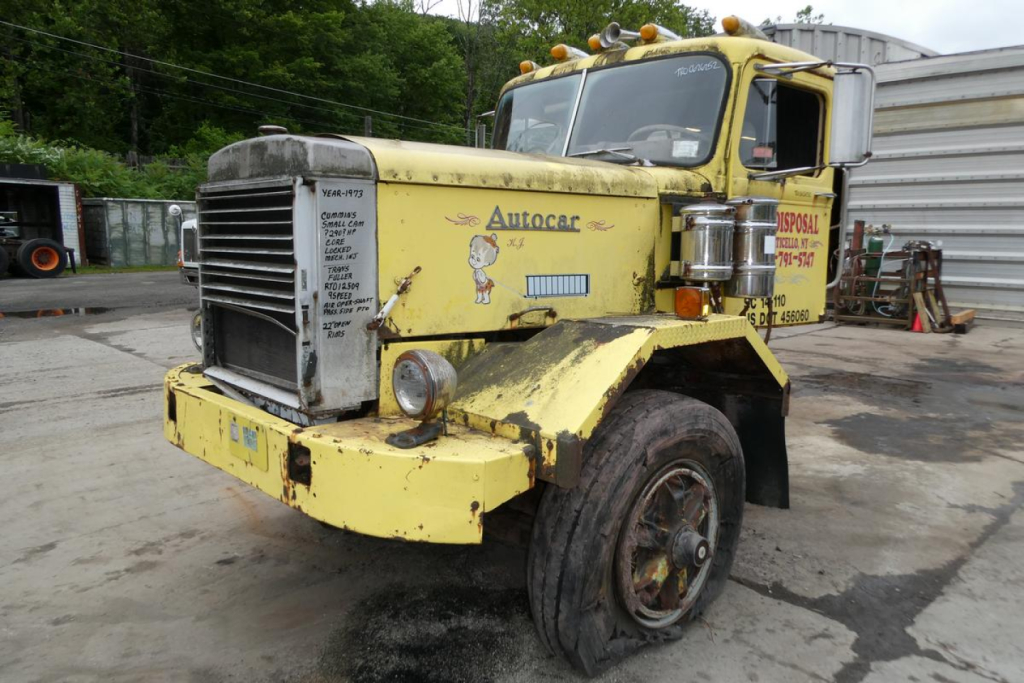
Cab condition still matters on a truck that never sleeps. The best day cabs for fleet or owner-operator use have a functional HVAC system, good visibility, easy entry, and enough interior storage for paperwork, electronics, and daily gear. If the truck is intended for PTO work, check that the PTO opening, controls, and transmission compatibility match the hydraulic system you plan to run. Older day cabs can be attractive for specialized yard, farm, or vocational use, but the buyer should inspect frame condition, cab mounts, hood fit, and parts support just as closely as the engine and driveline. A good day cab truck is not just a shortened road tractor. It is a purpose-built local and regional workhorse, and the right spec depends on payload, trailer mix, route density, and how many stops the truck makes in a day.
Frequently Asked Questions about Day Cab Trucks in New York
What is a day cab truck used for?
A day cab truck is used for local and regional hauling where the driver does not need sleeper accommodations. Common applications include drayage, LTL, dedicated fleet routes, food service, tanker work, flatbed delivery, and warehouse-to-store distribution. The shorter cab improves maneuverability and reduces empty weight compared with a sleeper tractor.
What should I look for when buying a used day cab in New York?
Focus on wheelbase, axle configuration, fifth wheel setup, emissions system health, and maintenance history. In New York service, a day cab often sees heavy traffic, frequent stops, tight turns, and idle time, so transmission performance, brake wear, suspension condition, and cooling system health deserve close attention. Rust, frame corrosion, cab mount wear, and electrical issues are also important in Northeast climates.
Is a tandem axle or single axle day cab better?
It depends on the freight and trailer. A tandem axle day cab is better for heavier payloads, more demanding traction conditions, and broader trailer compatibility. A single axle day cab can reduce weight, tire expense, and fuel consumption in lighter-duty regional applications. The right choice depends on gross combination weight, bridge compliance, trailer type, and the routes you run.
What engine and transmission specs are common in day cab trucks?
Many day cabs are equipped with diesel engines in the 11 to 13 liter class producing roughly 350 to 450 horsepower. Automated manual transmissions are common in late-model regional tractors because they help with fuel economy and driver consistency, while manual transmissions still appear in older or vocational setups. Rear axle ratios, engine brake strength, and PTO compatibility should be matched to route speed, terrain, and job function.
Are day cab trucks cheaper to operate than sleeper trucks?
They often are, especially in local and regional service. A day cab usually weighs less than a comparable sleeper tractor, which can improve payload and fuel efficiency. It also has fewer cab components to maintain. Actual operating cost still depends on engine spec, idle time, maintenance discipline, driver behavior, and whether the truck is correctly matched to the work.