
2009 Commercial Trucks For Sale in New York
Browse 2009 trucks for sale in New York. Compare common specs, applications, emissions considerations, axle setups, and body configurations.
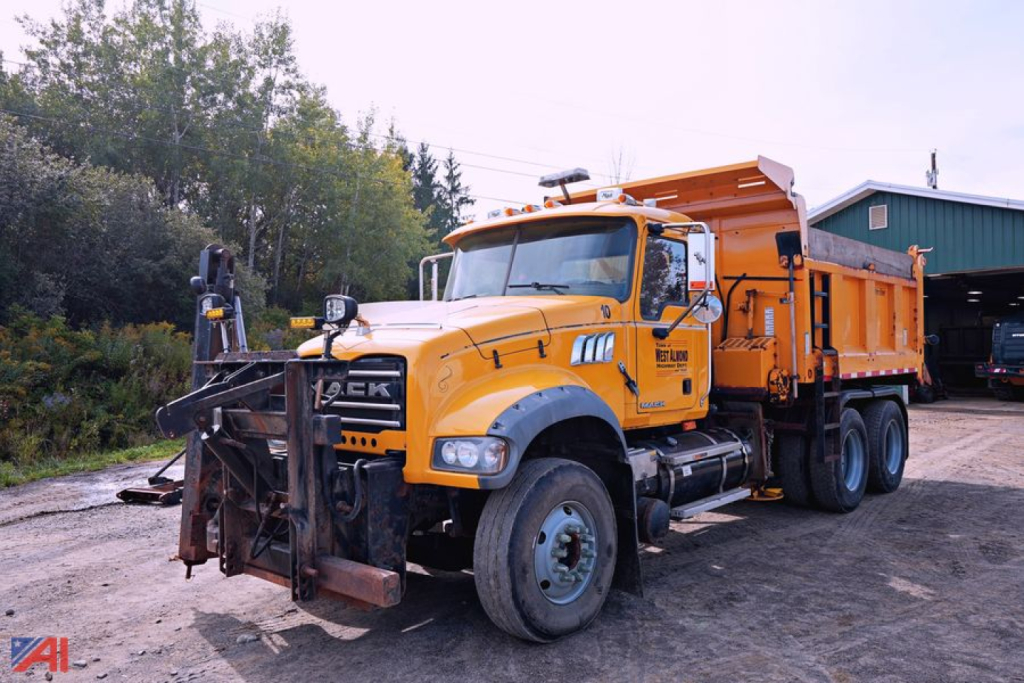
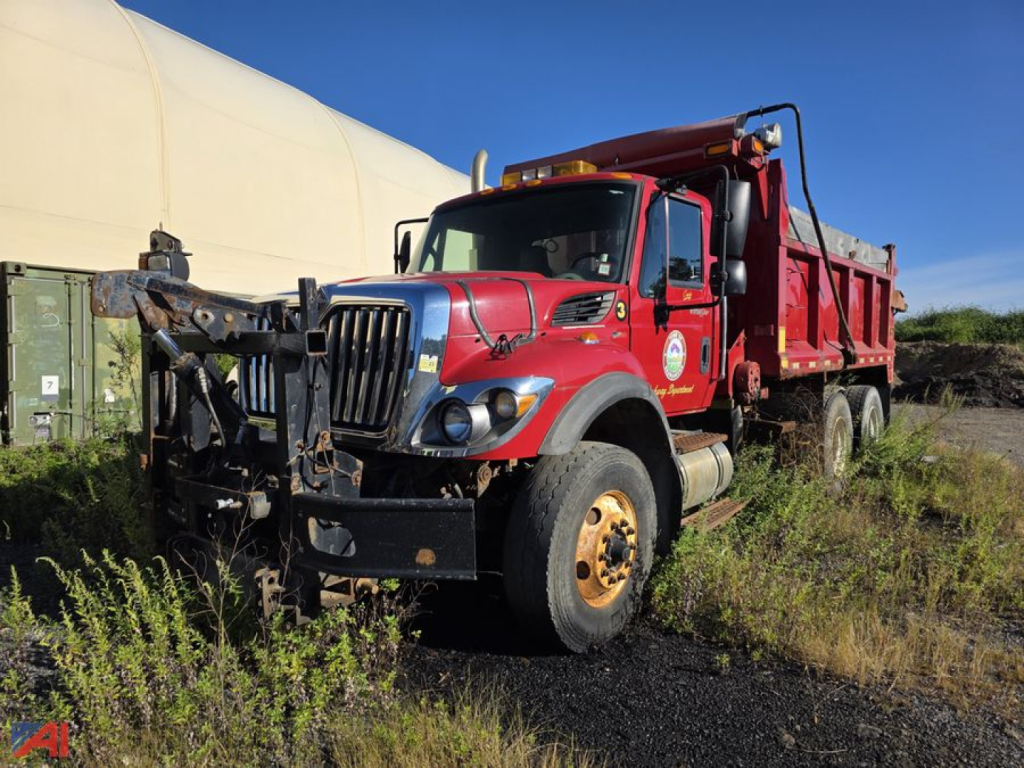
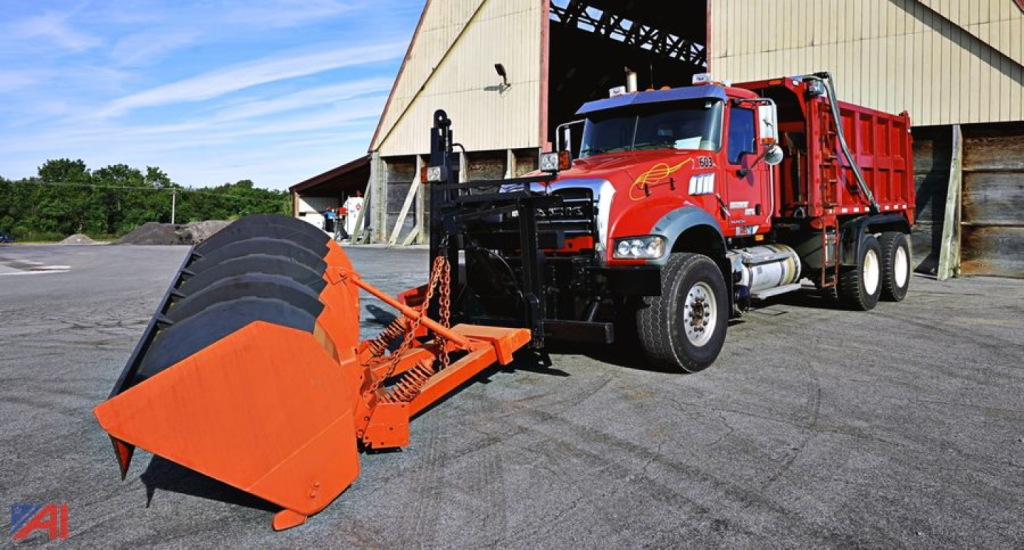
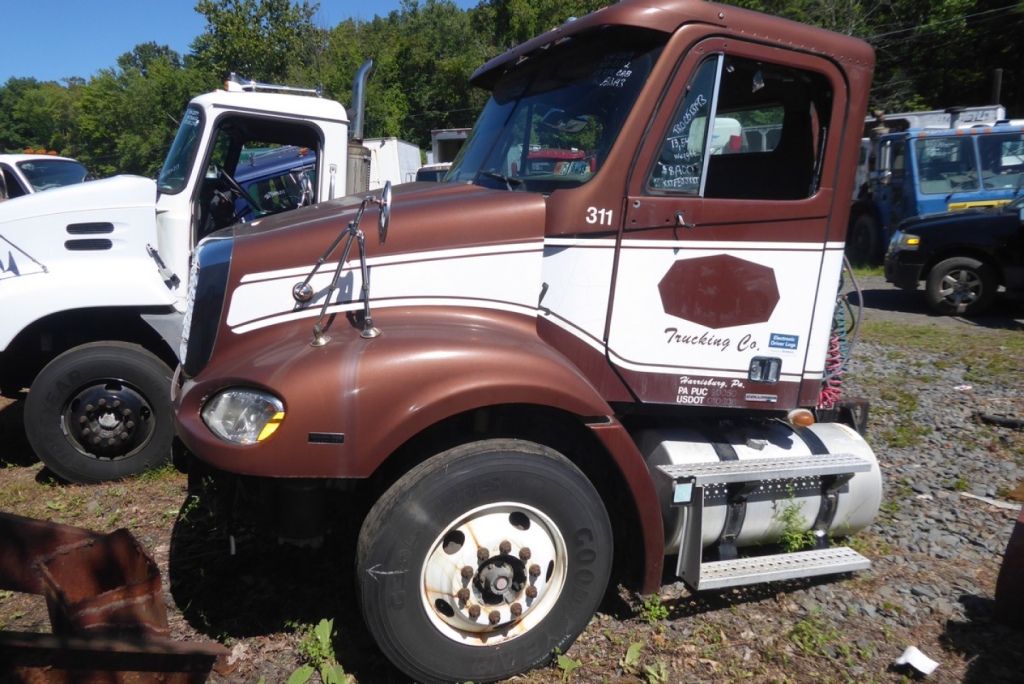


Selling a 2009 commercial truck? List your 2009 commercial truck for sale and reach thousands of commercial buyers.
2009 Commercial Trucks in New York
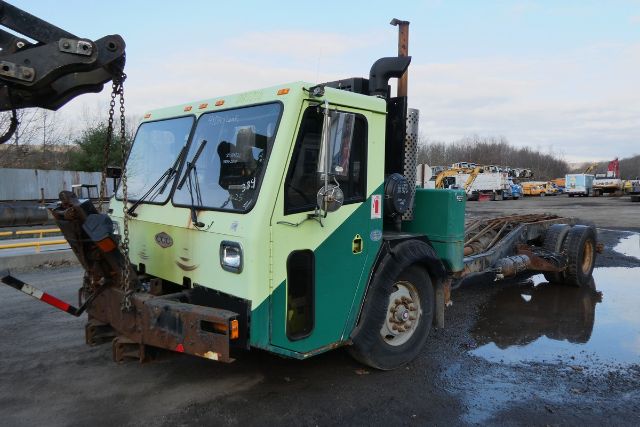
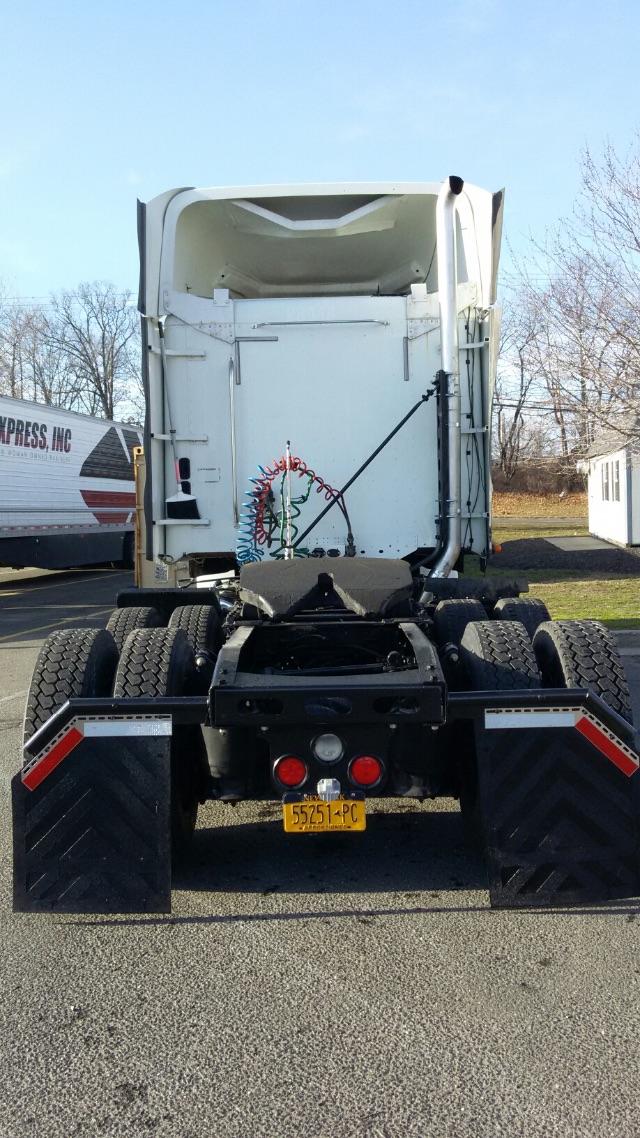
This model year covers a wide spread of truck types, including day cabs, cab and chassis units, flatbeds, and heavier vocational setups. Common specs include single, tandem, or tri-axle configurations, 10-speed manual and automated transmissions, rear axle ratings from about 23,000 to 46,000 pounds, and wheelbases that vary widely by body style. A day cab in this year range is often chosen for short-haul freight, port work, or dedicated route service, where buyers pay close attention to horsepower, axle ratio, suspension type, and fifth wheel setup. A cab and chassis or vocational truck is more likely to be judged on frame condition, PTO or wet kit provisions, front axle capacity, double-frame construction, and body compatibility for dump, plow, hooklift, or utility use.
Condition matters more than age on a 2009 truck. Service records, ECM data, idle hours, frame rust, suspension wear, brake type, and tire condition can tell you more than the odometer by itself. In New York, corrosion from road salt is a real factor, especially on frames, crossmembers, cab mounts, brake components, wiring, and air system hardware. Buyers should inspect for prior vocational use, evidence of heavy loading, lift axle wear, and signs of repeated body upfitting. On highway tractors, pay attention to engine brake function, clutch or automated transmission behavior, driveline vibration, fairing damage, and air slide fifth wheel operation. On straight trucks and chassis, cab-to-axle and cab-to-end dimensions should be matched carefully to the body or equipment you plan to install.
The strongest value in a 2009 truck usually comes from buying the right spec, not just the lowest price. A properly matched axle ratio and transmission can make a major difference in fuel economy and startability. Suspension choice affects ride quality, body stability, and maintenance cost. Engine make and parts support still influence uptime, especially for fleets trying to standardize repairs. For buyers comparing multiple 2009 trucks for sale, it makes sense to narrow the field by intended use, GVWR, wheelbase, emissions equipment, and frame configuration first, then compare mileage, cosmetic condition, and options like air ride, disc brakes, lockers, wetline setups, and PTO capability.
Frequently Asked Questions about 2009 Commercial Trucks in New York
What should I check first when buying a 2009 truck?
Start with the truck’s intended job, then confirm the core spec matches that job. The most important items are engine and emissions configuration, axle setup, GVWR, wheelbase, suspension, transmission, and frame type. After that, review service history, engine hours, ECM mileage, rust condition, tire wear, brake condition, and any signs of hard vocational use. On a 2009 model, maintenance history and structural condition often matter more than cosmetics.
Are 2009 trucks expensive to maintain?
Maintenance cost depends heavily on engine platform, prior use, and overall condition. A well-kept 2009 truck can still be a cost-effective unit, but buyers should expect age-related repairs on suspension components, air systems, wiring, cooling systems, seals, and cab accessories. If the truck has emissions equipment, confirm what system it uses and whether it has been maintained properly. Parts availability is still generally good for many major makes, but neglected trucks can quickly erase any savings from a lower purchase price.
Is a 2009 truck a good choice for New York operations?
It can be, especially for buyers who need a lower-cost truck for local work, seasonal use, farm service, vocational applications, or short-haul routes. The main New York-specific concern is corrosion from road salt, so frame rails, crossmembers, brake lines, suspension mounts, and electrical connections deserve close inspection. Buyers also need to consider local emissions and registration requirements, particularly if the truck will operate in regulated urban areas or under fleet compliance rules.
What truck configurations are common in the 2009 model year?
The 2009 model year includes a broad range of configurations, from 4x2 day cab tractors to 6x4 tandem vocational trucks and straight truck chassis. Many units were spec'd with 10-speed manuals, though automated transmissions also appear in some applications. Rear axle ratings commonly range from about 23,000 pounds on lighter road tractors to 40,000 or 46,000 pounds on heavier vocational units. Wheelbase, cab-to-axle, and frame layout vary significantly, so body fit and load requirements should be confirmed before purchase.
How important is wheelbase on a 2009 truck?
Wheelbase is critical because it affects body fit, bridge law compliance, turning radius, ride quality, and weight distribution. On a tractor, wheelbase influences maneuverability and can matter for fifth wheel placement and trailer gap. On a cab and chassis or straight truck, wheelbase and cab-to-axle dimensions determine what body length and equipment can be installed correctly. A truck with the wrong wheelbase may still run fine but be a poor fit for the work you need it to do.