
2007 Commercial Trucks For Sale in New York
Shopping 2007 trucks in New York? Get expert tips on emissions, corrosion, tare weight, floor strength, and insulation to select a reliable work unit.
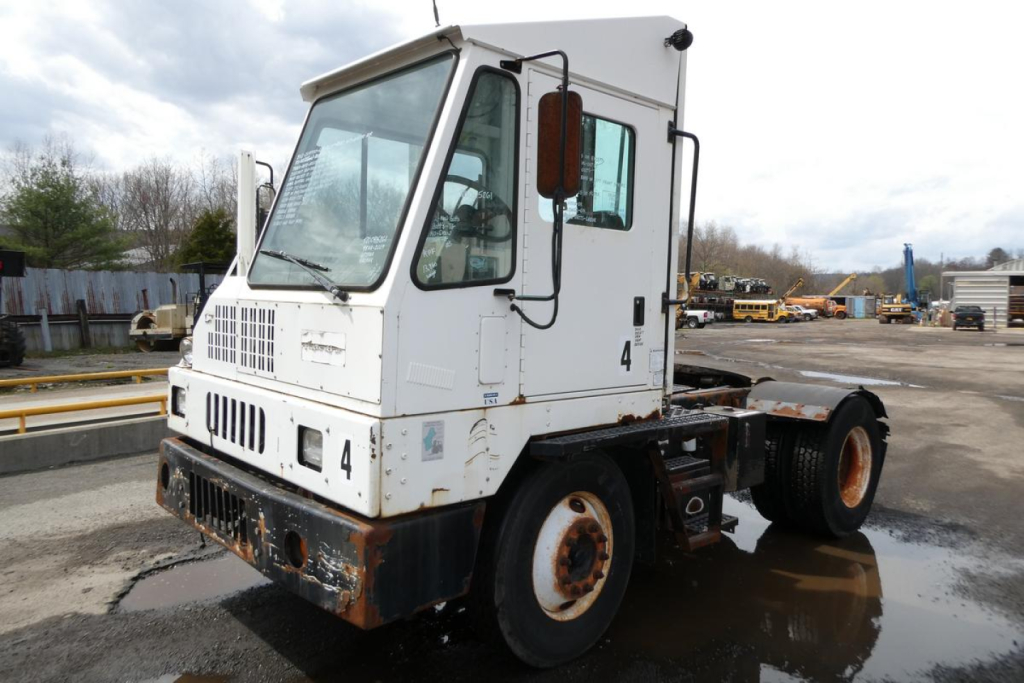
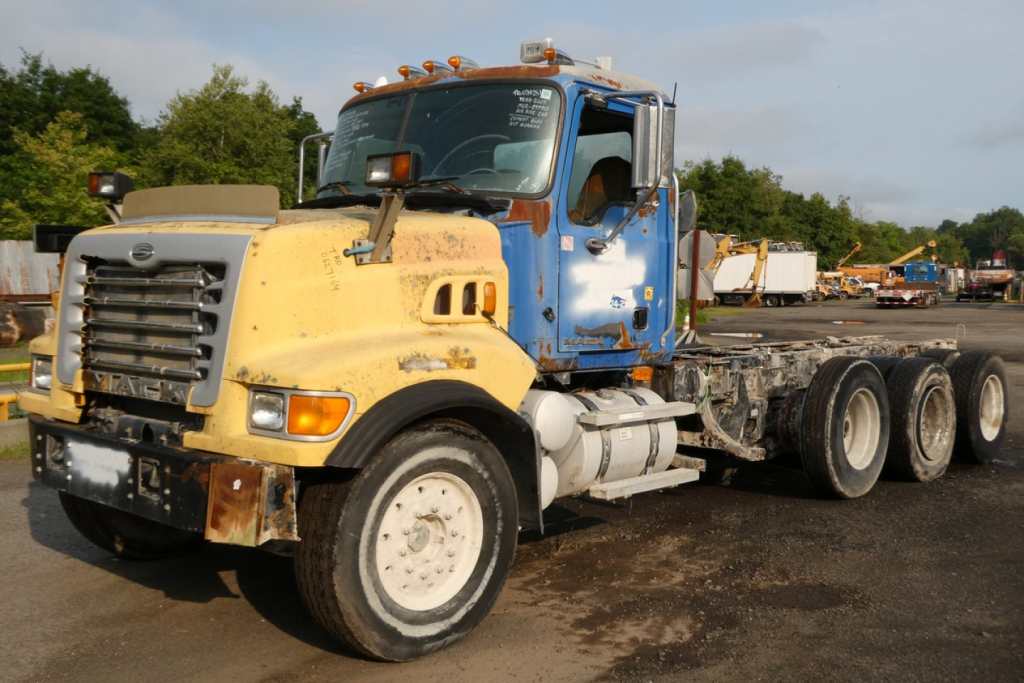
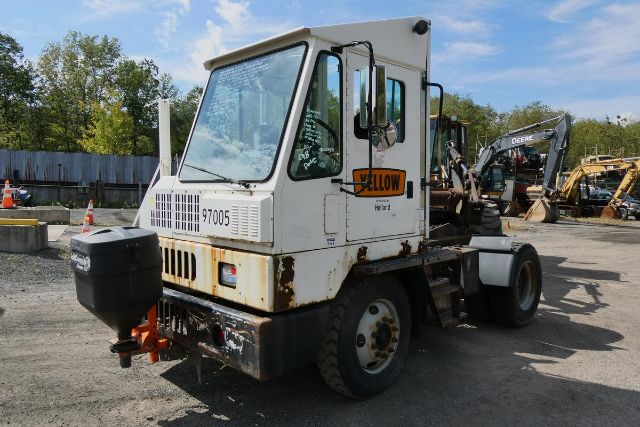
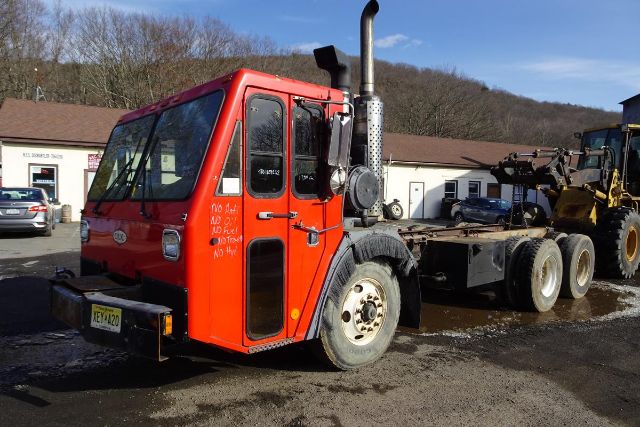
Selling a 2007 commercial truck? List your 2007 commercial truck for sale and reach thousands of commercial buyers.
2007 Commercial Trucks in New York
Chassis integrity matters in a New York climate that sees heavy road salt. Inspect frame flanges and web near suspension hangers, crossmembers, fifth wheel subplates, cab mounts, battery boxes, air tanks, and brake lines for scale, pitting, and pack rust. Aluminum and stainless parts resist corrosion, painted steel depends on prep and coating quality. Tare weight varies widely by spec, day cabs with aluminum wheels and a single 100 to 120 gallon tank run lighter, sleepers, steel wheels, heavy rear axles, and full fairings add significant weight. Air ride improves ride and freight protection, spring suspensions save weight and maintenance cost. Wide base singles can reduce weight per axle group, verify they match your routes and traction needs.
For 2007 box and reefer trucks, focus on floor strength and thermal integrity. Check hardwood or laminated floors for cracked boards, nail pull, and mushrooming at the rear threshold, verify crossmember spacing and that rear sill welds are intact. Look for intact scuff liners, logistics posts, and e‑track, and check for water intrusion along rivet lines and door frames. Aluminum floors save weight, rear wear plates protect against pallet jack impact. On reefers, inspect foam insulation for delamination, verify door seals and drain tubes, and look closely at rear frame and side rail corrosion. Review reefer unit hours and service logs, confirm pull down and hold at your target setpoints, poor insulation raises fuel burn and compressor load.
Powertrains from this era include Cummins ISX, Detroit Series 60, Caterpillar ACERT C13 and C15, and Mercedes MBE 4000. Use oil analysis to flag fuel dilution or coolant, then pair gearing to duty cycle, highway linehaul typically favors 3.36 to 3.73 with tall rubber, regional or vocational work needs deeper ratios. Eaton Fuller 10, 13, and 18 speed manuals are common, early UltraShift and AMTs require a careful road test for clutch engagement and shift logic, straight trucks often run Allison 3000 or 4000 series, verify hot shifts and retarder operation. Most units use drum brakes, check hub condition, S‑cam bushings, and ABS wiring that can corrode in salt states. Confirm air system health, dryer performance, and leak rate, then evaluate tires, wheel ends, and alignment for even wear and fuel efficiency.
Frequently Asked Questions about 2007 Commercial Trucks in New York
What is unique about 2007 emissions systems and how should I evaluate them before buying?
Most 2007 trucks use cooled EGR with a diesel oxidation catalyst and a wall‑flow DPF. Review service records for ash cleanings, forced regens, and component replacements such as EGR coolers, VGT actuators, and temperature or pressure sensors. A diagnostic scan should show normal backpressure, balanced temperature readings across the DOC and DPF, and no active or inactive fault history. Inspect for exhaust leaks upstream of sensors, check that a manual regen can initiate and complete, and budget for DPF cleaning if records are missing.
How do I assess frame and component corrosion on a New York truck?
Start with the frame top and bottom flanges near suspension hangers, the inner web around crossmember rivets, and the rear crossmember. Probe for scale and delamination, look for swelling under paint around fasteners, and inspect cab mounts, battery boxes, steps, fuel tank straps, and brake lines. Pay attention to aluminum to steel interfaces and ground paths, greened electrical pins indicate moisture ingress. If corrosion is present, estimate remediation, sandblast and epoxy can save a solid rail, but deep pitting near critical bolt holes or cracks at hanger areas is a red flag.
What tare weight factors most affect payload and MPG on 2007 tractors and straight trucks?
Spec choices drive hundreds of pounds. Day cabs, aluminum wheels, a single mid‑capacity fuel tank, and lighter rear axles reduce tare, sleepers, steel wheels, full fairings, heavy suspensions, and driver amenities add weight. On straight trucks, body length, liftgate type, and floor construction matter, aluminum floors and sidewalls save weight, steel wear plates add durability. Wide base singles can trim weight and rolling resistance if routes and traction allow, 6x2 configurations reduce tare but require careful evaluation of traction and resale in snow states.
How can I check floor strength and thermal integrity on a 2007 box or reefer truck?
Inspect floor boards for cracks and nail pull, verify crossmember spacing and look for broken welds or stringers, then examine the rear threshold and sill where forklift impact is concentrated. Confirm scuff liners are intact and that moisture has not entered at rivet lines or door frames. For reefers, check door seals, hinge alignment, drain tubes, and rear frame corrosion, then verify the unit can pull down and hold setpoint within spec. Infrared imaging can reveal insulation voids, poor thermal integrity raises fuel use and shortens compressor life.
Which transmissions were common in 2007 and what should I look for on a test drive?
Eaton Fuller 10, 13, and 18 speed manuals were dominant, they should shift cleanly across range and splitter with no grind under proper technique. Early UltraShift and other AMTs need a road test that includes stop‑and‑go, grade starts, and low speed maneuvering to verify clutch control and shift logic. Allison 3000 or 4000 series in straight trucks should show smooth hot shifts, clean fluid, and functional retarder if equipped. Confirm axle ratios fit your duty cycle, mismatch shows up as sluggish launches or high cruise RPM.