
2022 Commercial Trucks For Sale in New York
Browse 2022 trucks for sale in New York, including day cabs, sleepers, straight trucks, and medium-duty commercial truck options.
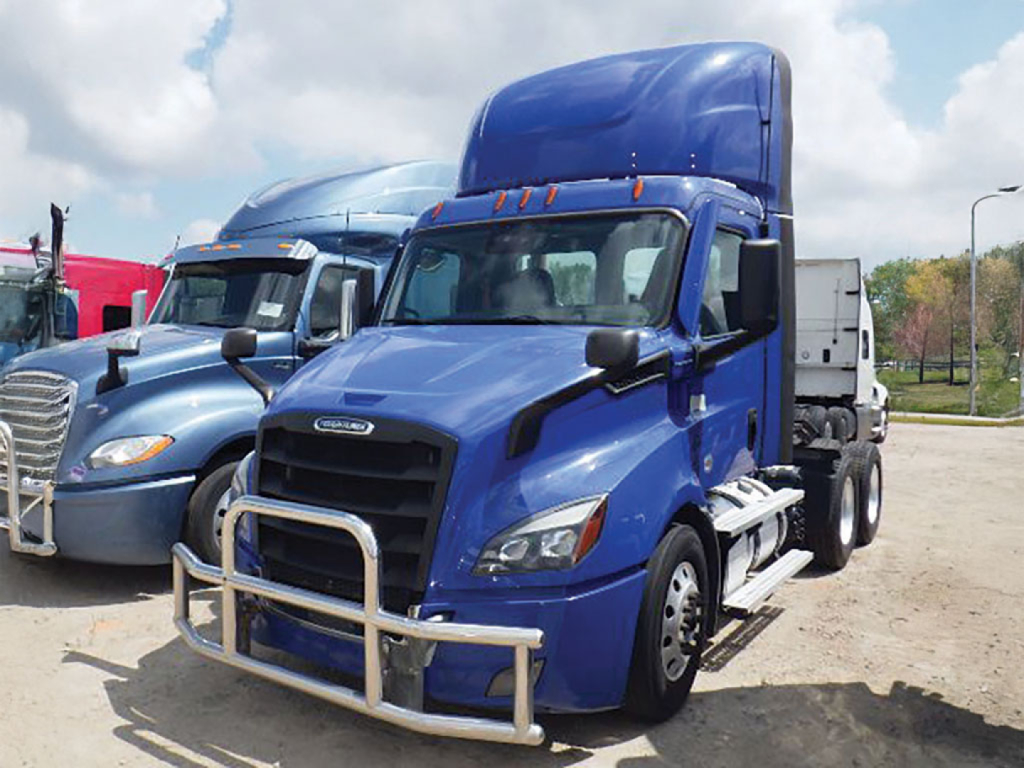
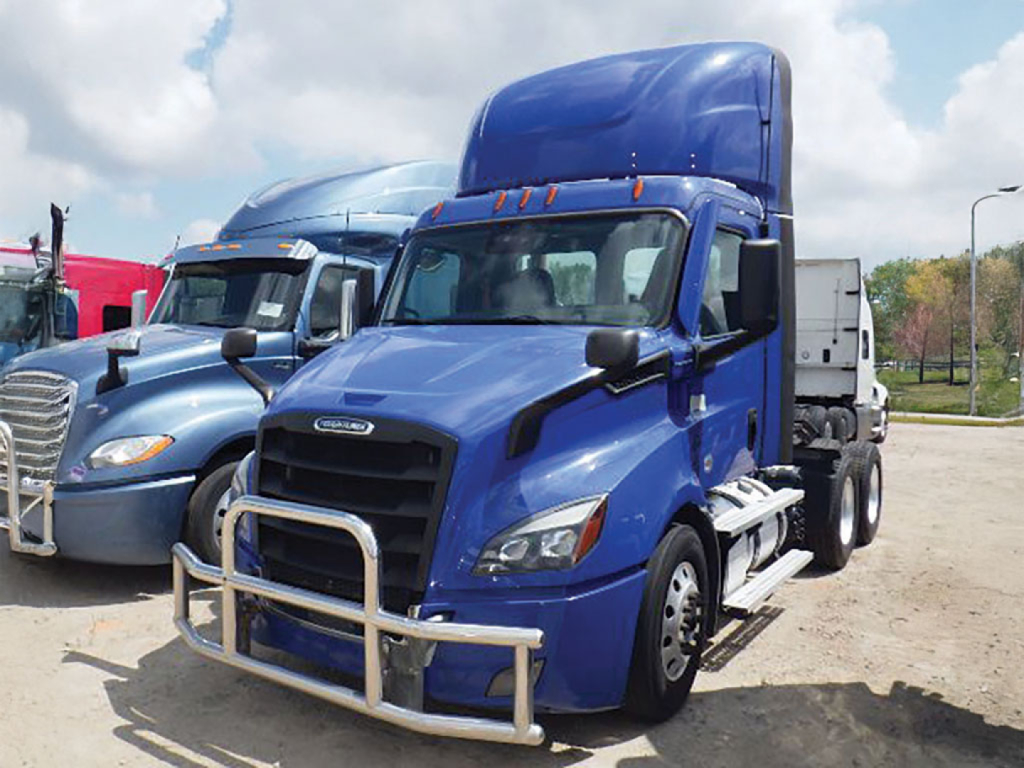
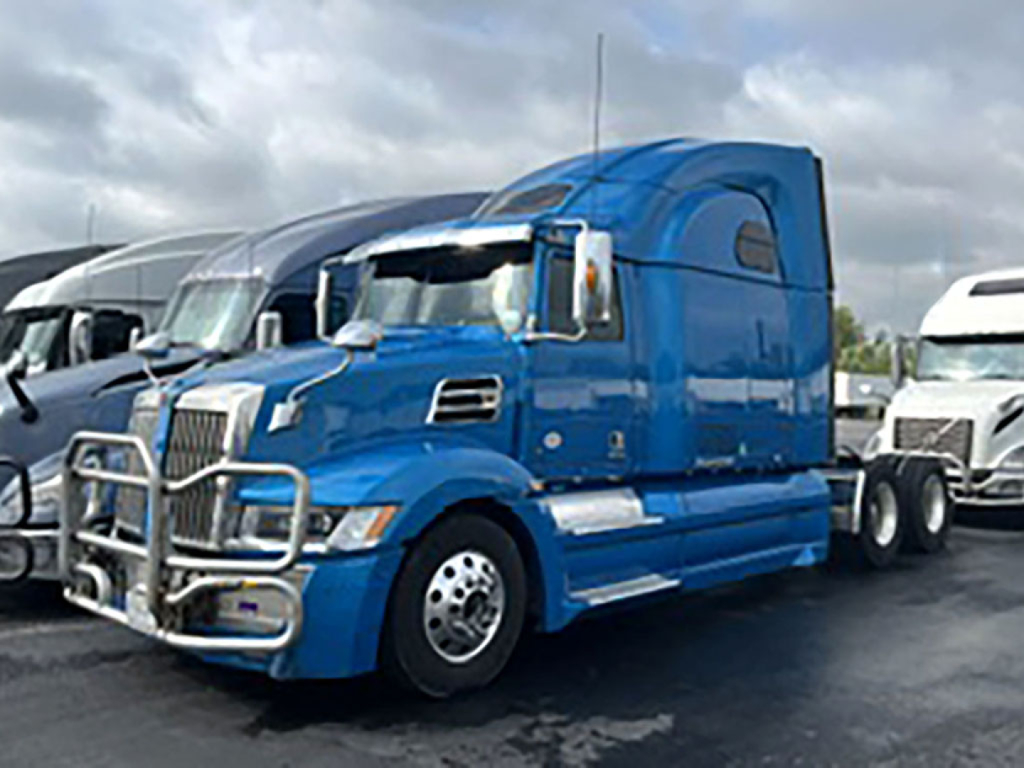

Selling a 2022 commercial truck? List your 2022 commercial truck for sale and reach thousands of commercial buyers.
2022 Commercial Trucks in New York
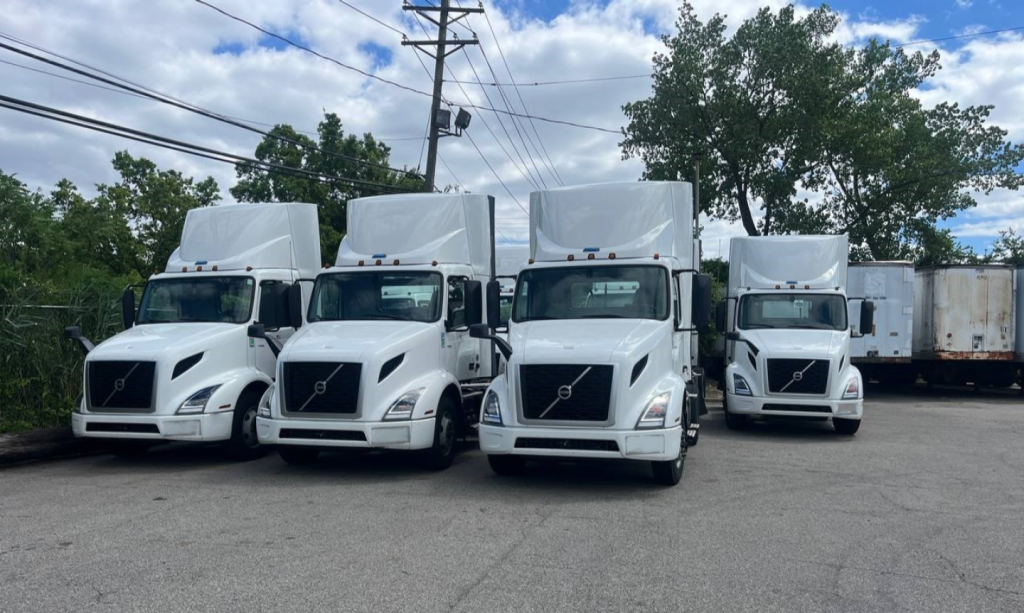
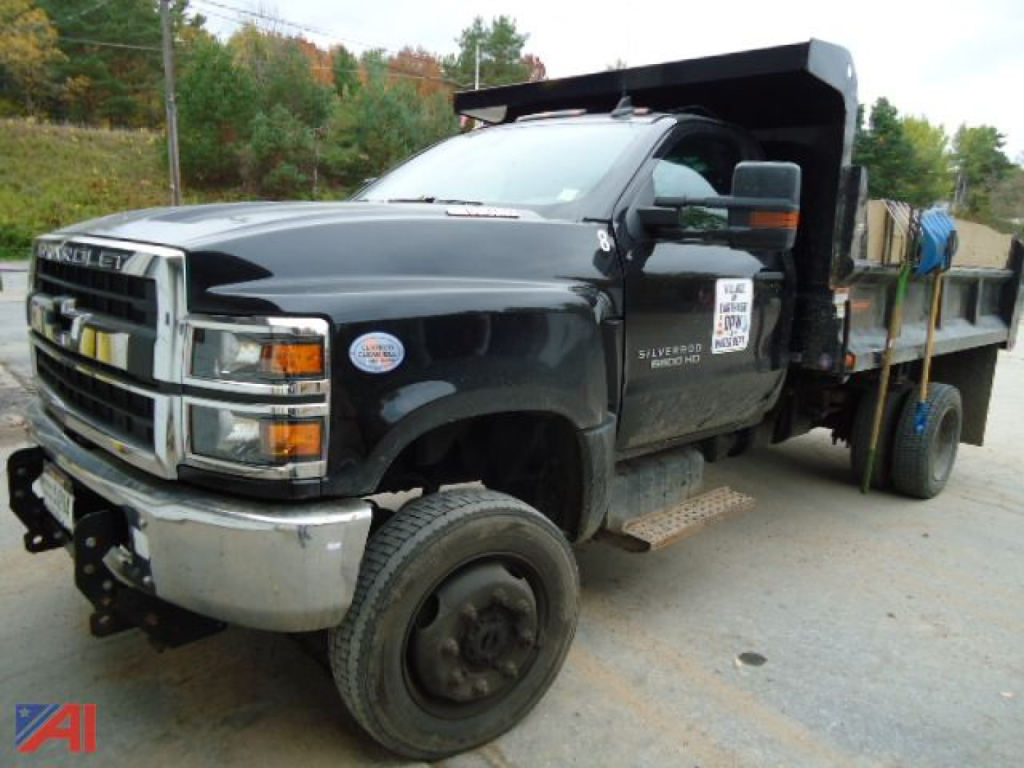
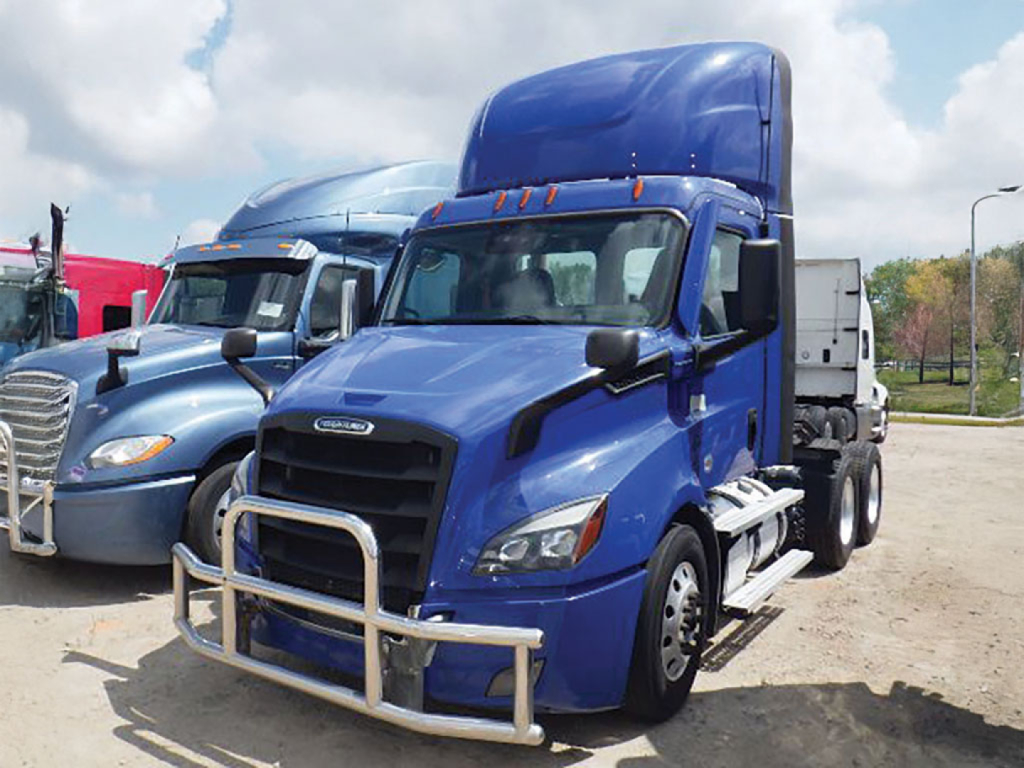
The first decision is usually truck type. A 2022 conventional day cab is often the right fit for local and regional work, port drayage, municipal contracting, or short-haul freight where wheelbase, turning radius, and lighter tare weight matter. A 2022 sleeper truck makes more sense for long-haul or multi-day runs where bunk size, fairings, fuel capacity, and axle ratio affect both comfort and operating cost. A 2022 straight truck or cabover can be a strong choice for urban delivery, moving, refrigerated distribution, or vocational body applications where body length and city access are key. Buyers should compare axle configuration, GVWR or GCWR, wheelbase, cab-to-axle, fifth wheel setup, and suspension type based on the trailer or body they plan to run.
Powertrain spec is where a good 2022 truck can separate itself. Common engine ranges run from medium-duty diesel engines around 200 to 300 horsepower up to heavy-duty platforms in the 400 to 500 horsepower range. Day cabs and fleet sleepers from this era are often paired with 10-speed, 12-speed automated, or traditional manual transmissions, with rear axle ratios selected for either stop-and-go acceleration or fuel-efficient highway cruise speed. In New York, buyers should also pay attention to emissions compliance history, DEF system condition, idle management, and cold-weather starting performance. Service records matter more than badge alone. Look closely at engine hours versus miles, brake type, tire size, suspension wear, and any signs of aftertreatment or electrical issues, especially on trucks that spent time in dense urban duty cycles.
For a buyer comparing multiple 2022 trucks for sale, the best value usually comes from matching the truck’s spec to the work instead of chasing the newest badge or highest horsepower. A highway tractor with the wrong wheelbase or axle ratio can cost more to operate than a lower-priced truck built for the lane. The same is true for straight trucks, where liftgate capacity, van body dimensions, door configuration, and payload rating can matter more than cosmetic condition. A well-spec'd 2022 truck can still offer strong remaining service life, better driver acceptance, and easier financing than older equipment, provided the maintenance history, drivetrain layout, and application all line up.
Frequently Asked Questions about 2022 Commercial Trucks in New York
What should I look for when buying a 2022 used truck?
Start with application fit, then verify condition. Check whether the truck is spec'd correctly for the job by reviewing axle configuration, GVWR or GCWR, wheelbase, horsepower, transmission type, and suspension. After that, focus on maintenance records, engine hours, aftertreatment history, tire and brake condition, and signs of frame, cab, or electrical damage. On a 2022 model, buyers should pay close attention to emissions system performance, active fault codes, and any prior repairs involving DEF components, sensors, or one-box systems.
Is a 2022 truck a good balance between price and remaining life?
For many buyers, yes. A 2022 truck is new enough to offer updated cab features, safety technology, and driveline options, but old enough to avoid the steepest depreciation seen on nearly new equipment. If the truck has been maintained properly, this model year can provide solid remaining service life and financing appeal while keeping acquisition cost below current replacement levels. The key is not the calendar year alone but how the truck was used, serviced, and spec'd.
What is the difference between a 2022 day cab, sleeper, and straight truck?
A 2022 day cab is built for local or regional tractor work and typically has no bunk, a shorter wheelbase, and better maneuverability. A 2022 sleeper truck adds a bunk compartment for over-the-road use and is usually spec'd for longer trips, higher fuel capacity, and driver comfort. A 2022 straight truck carries its body directly on the chassis and is common in delivery, moving, reefer, utility, and vocational applications. The right choice depends on route length, payload, trailer needs, and body requirements.
Are 2022 trucks in New York different from trucks in other regions?
They can be. Trucks operated in New York often see tighter urban routes, more stop-and-go driving, winter road treatment exposure, and stricter operating conditions around emissions and inspections. That means buyers should inspect for corrosion on frames, crossmembers, brake and air system components, wiring, and cab mounts. Urban-use trucks may also show higher idle hours relative to mileage, which makes engine hours and maintenance documentation especially important.
What powertrain specs are common on 2022 trucks?
Common 2022 truck configurations range from medium-duty diesel engines around 210 to 300 horsepower in straight trucks up to heavy-duty engines in the 400 to 500 horsepower class for highway tractors. Transmissions may include automatics, automated manuals, or traditional manuals, with rear axle ratios chosen to match either city work or highway fuel economy. Buyers should match horsepower, torque, transmission gearing, and axle ratio to the expected load and average route speed instead of selecting strictly by peak power.