
2022 Commercial Trucks For Sale
Browse 2022 trucks for sale, including sleeper, day cab, vocational, and medium-duty models with modern emissions, safety, and drivetrain options.
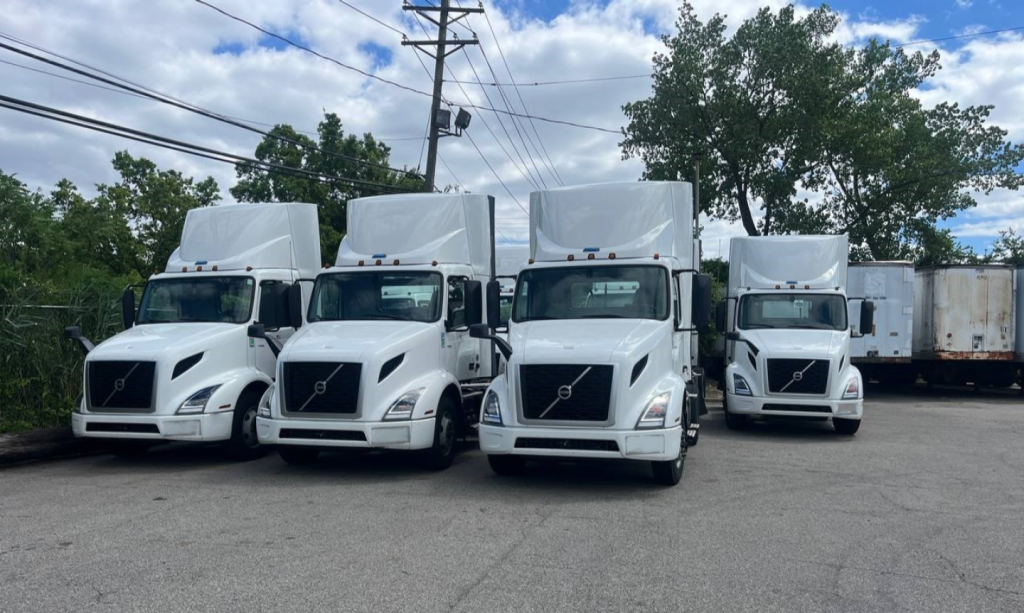
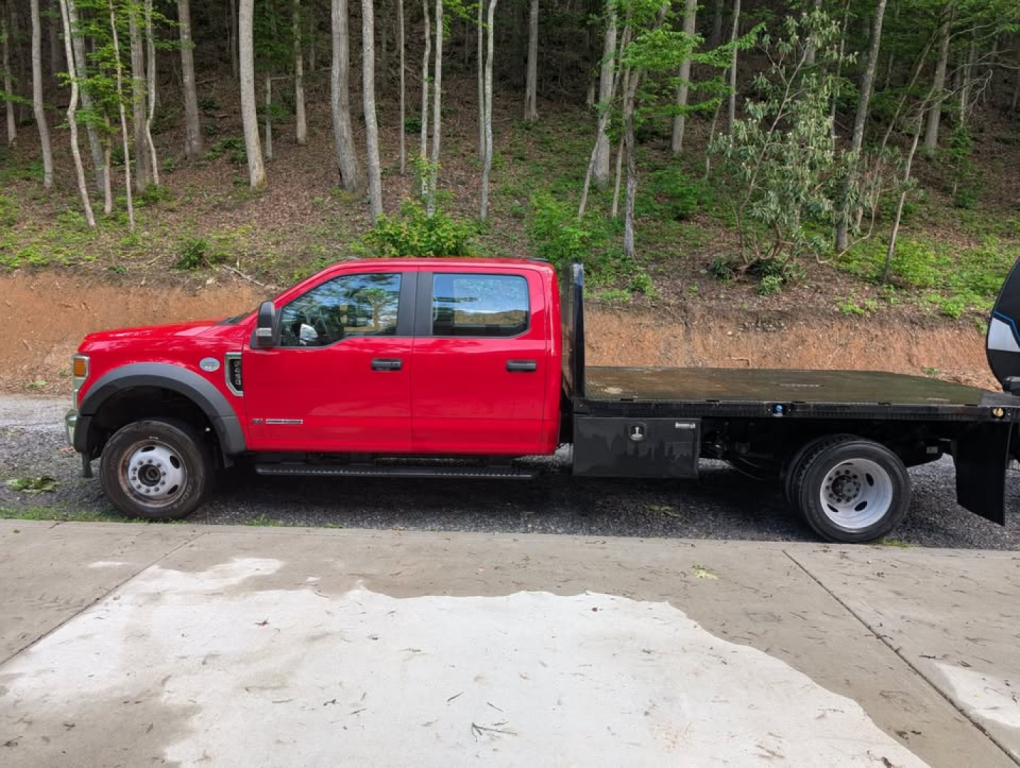
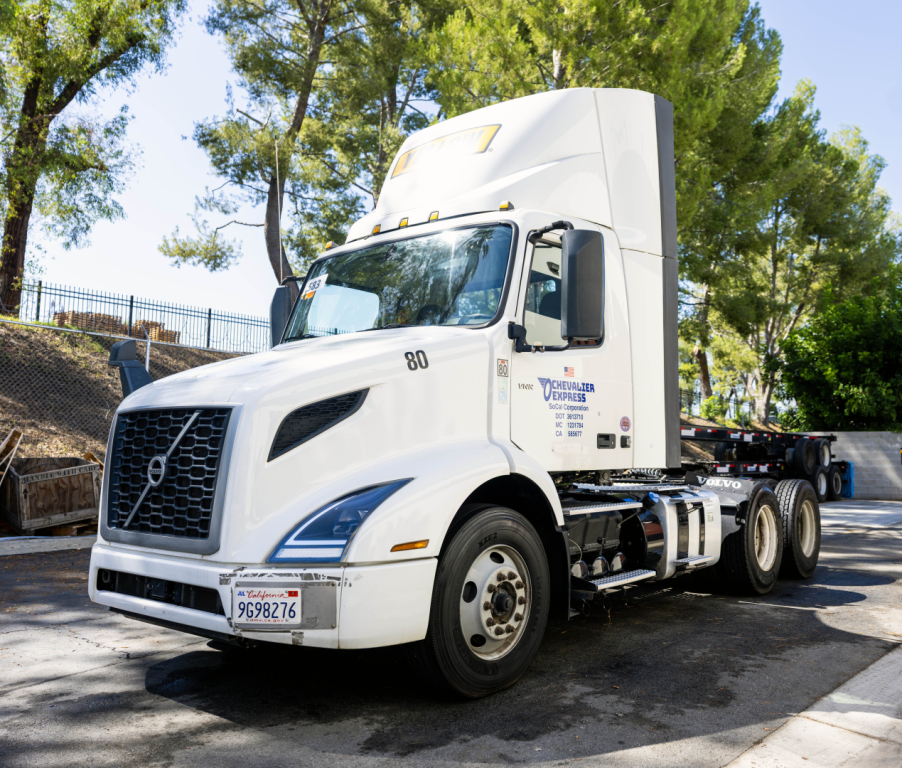
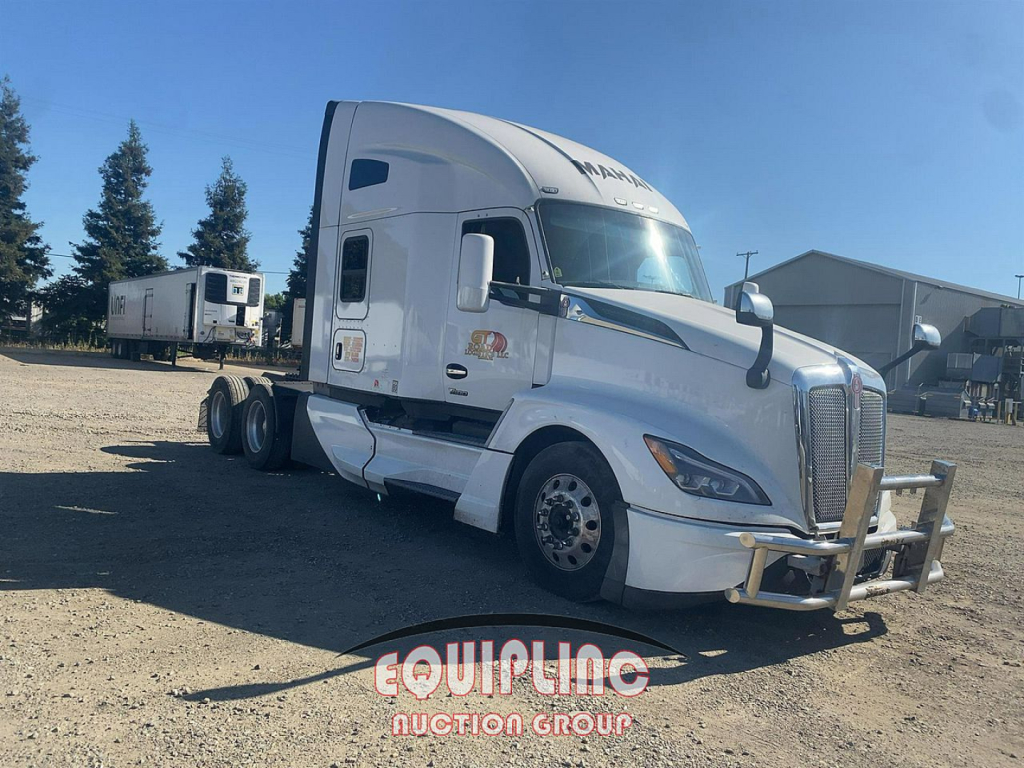

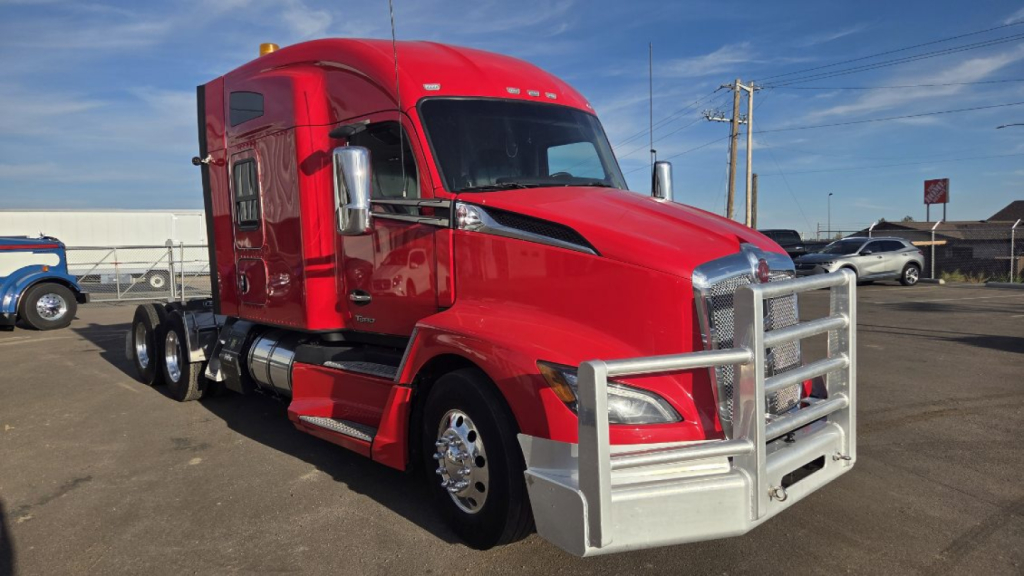
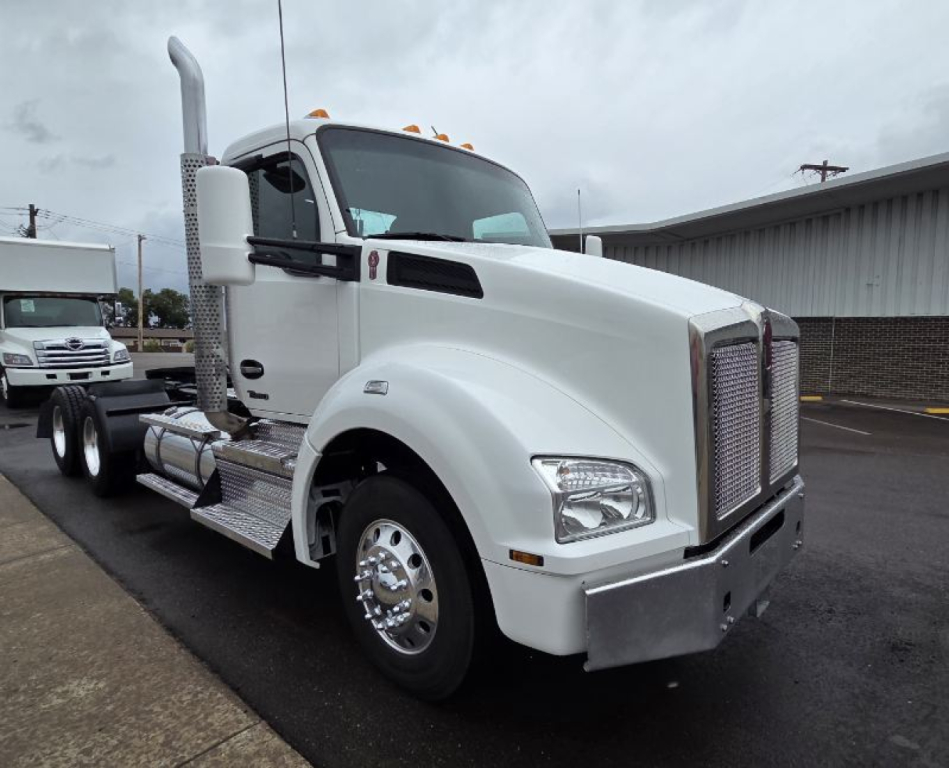
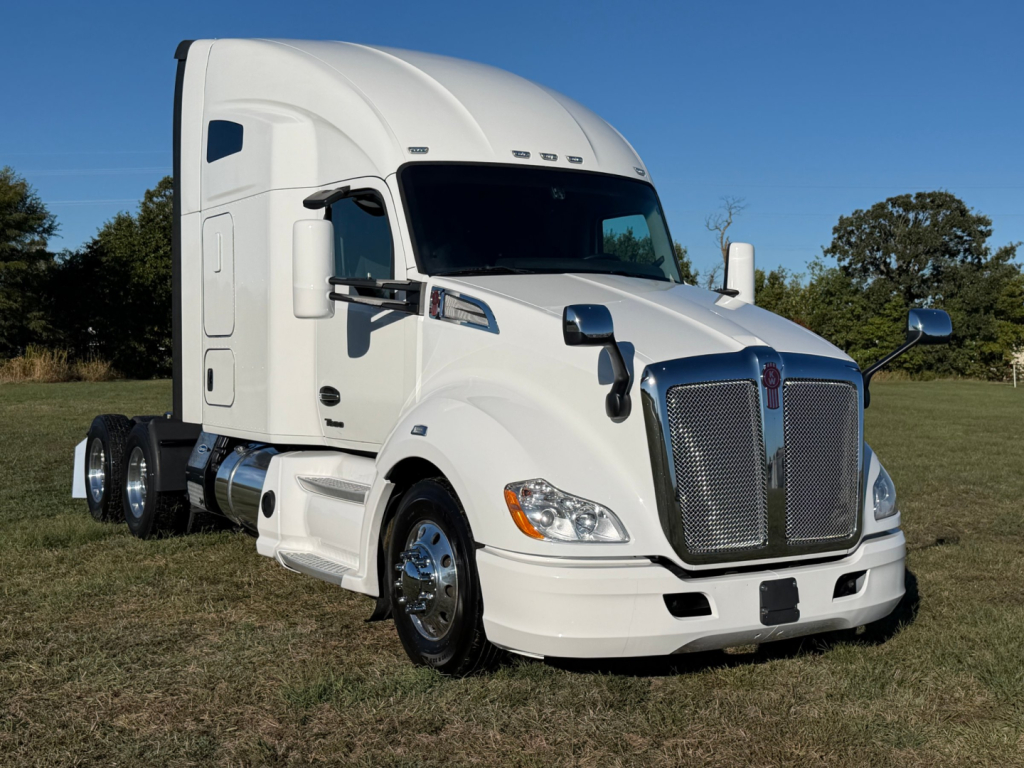
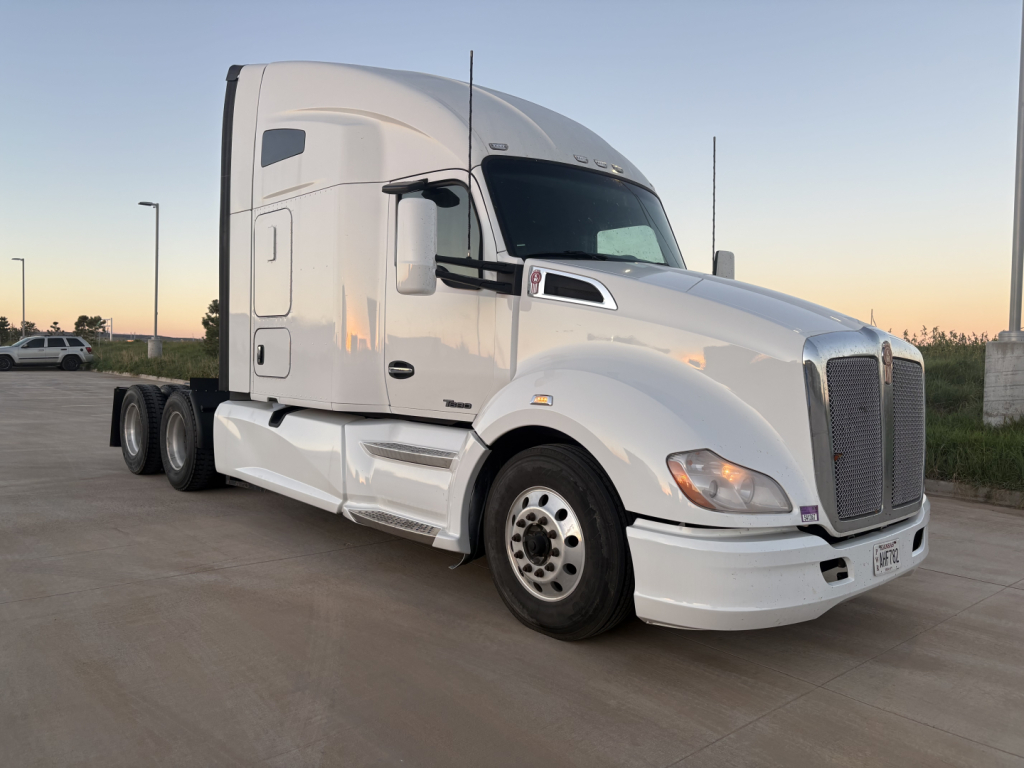
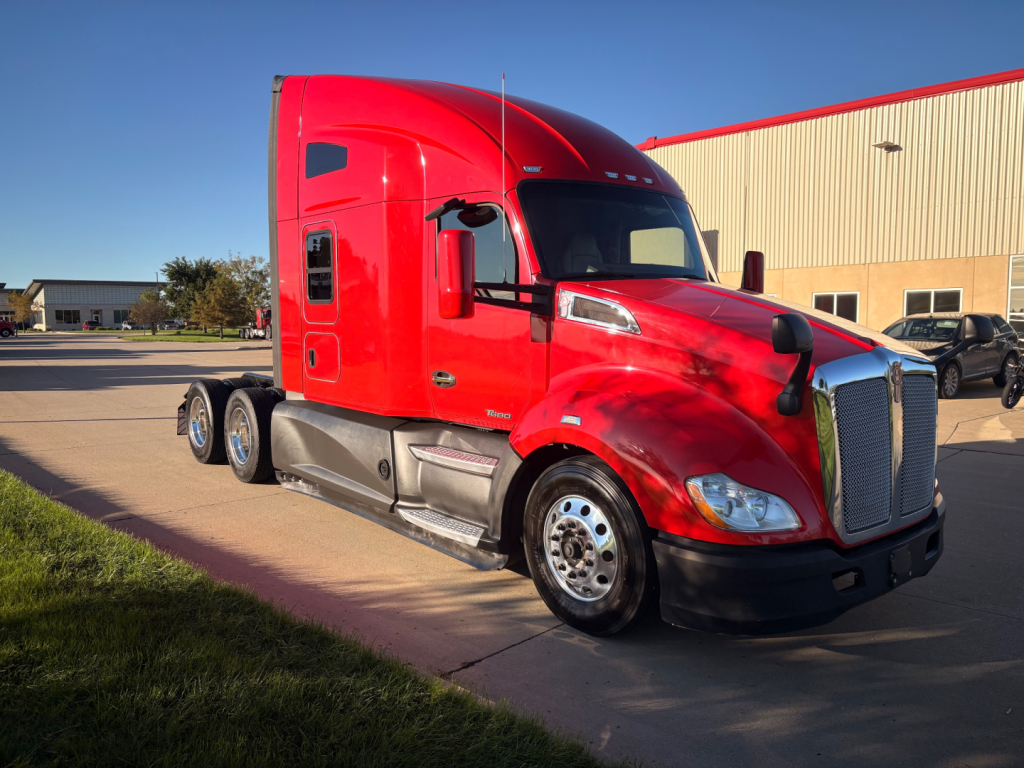
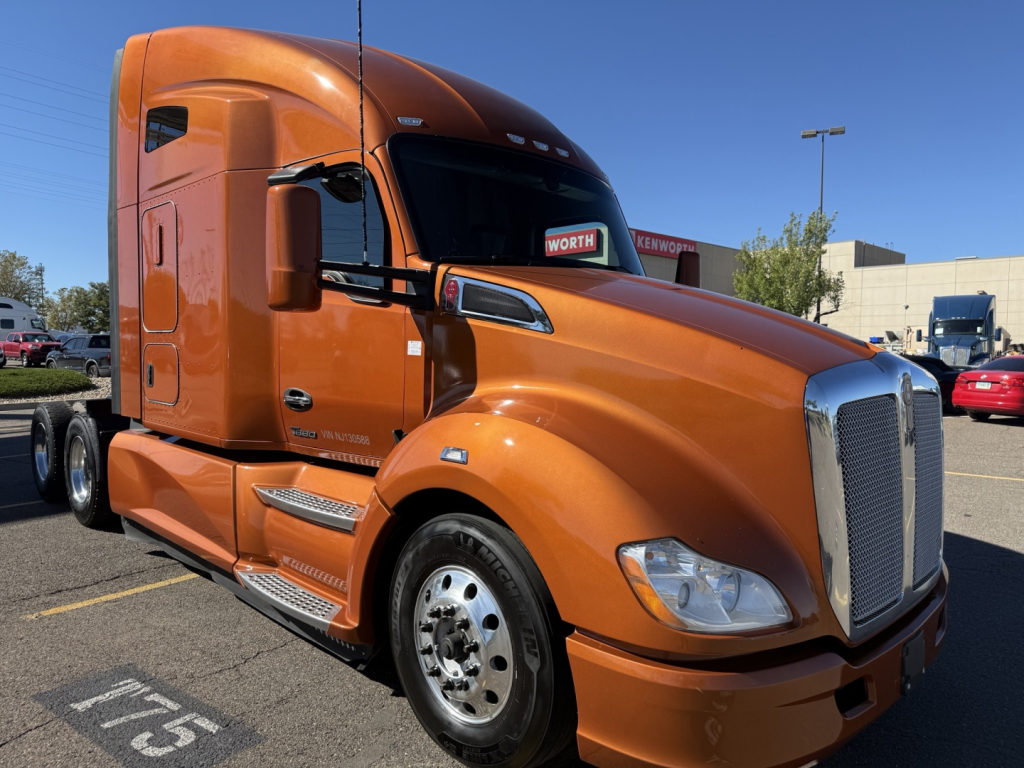
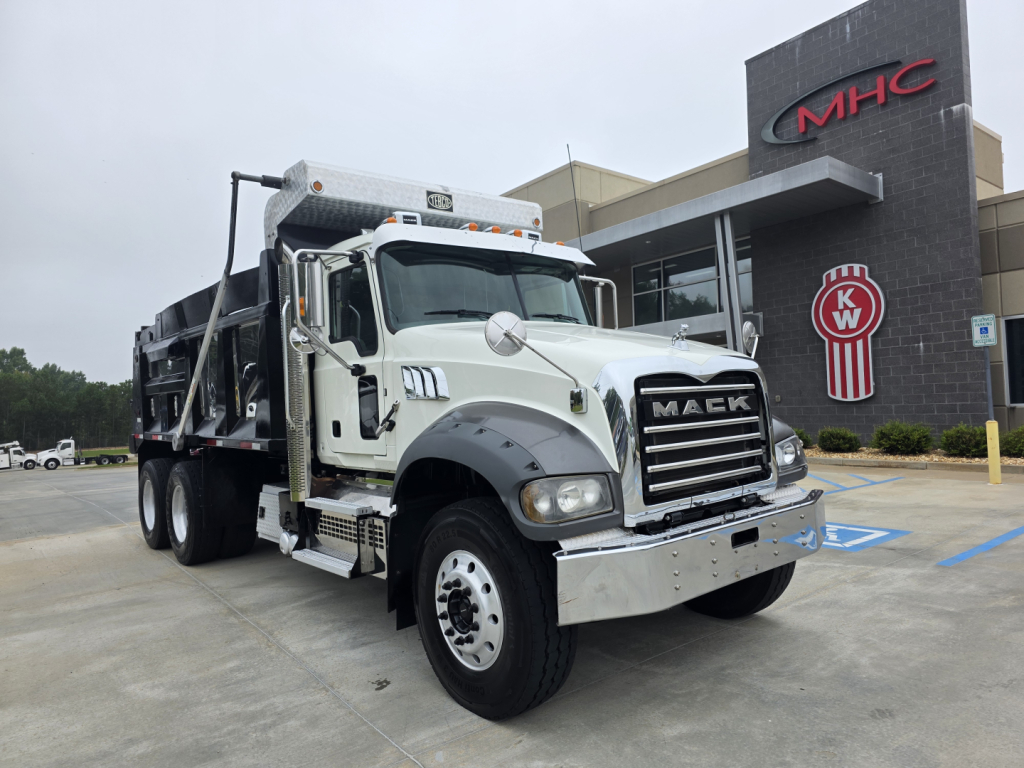
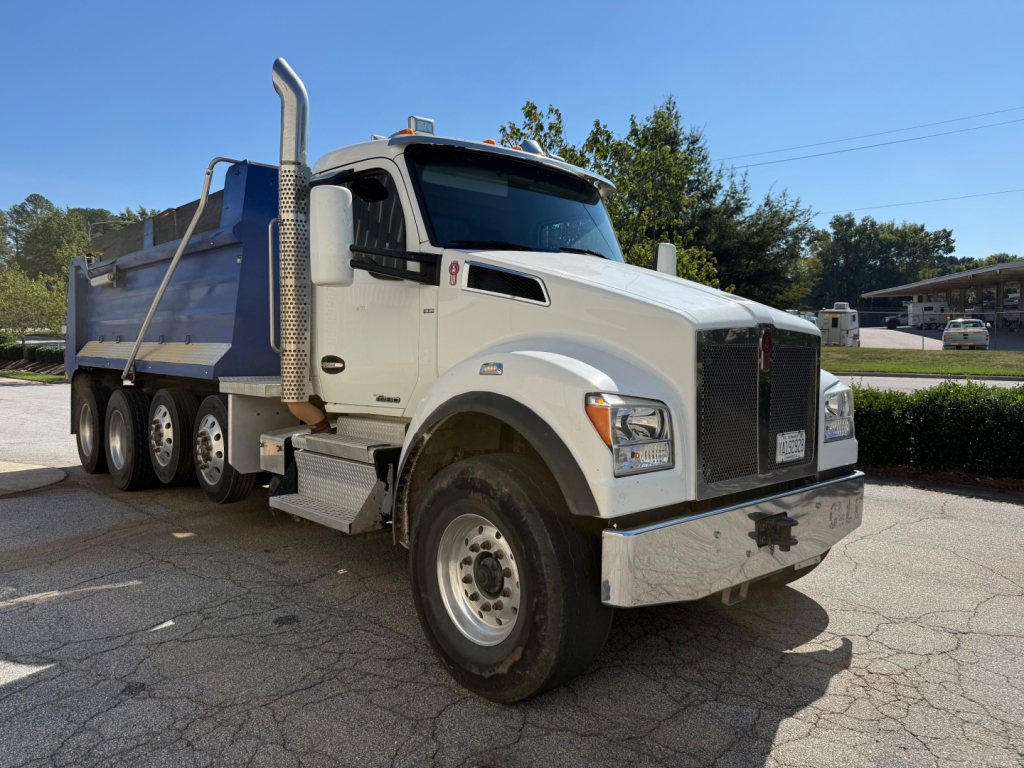
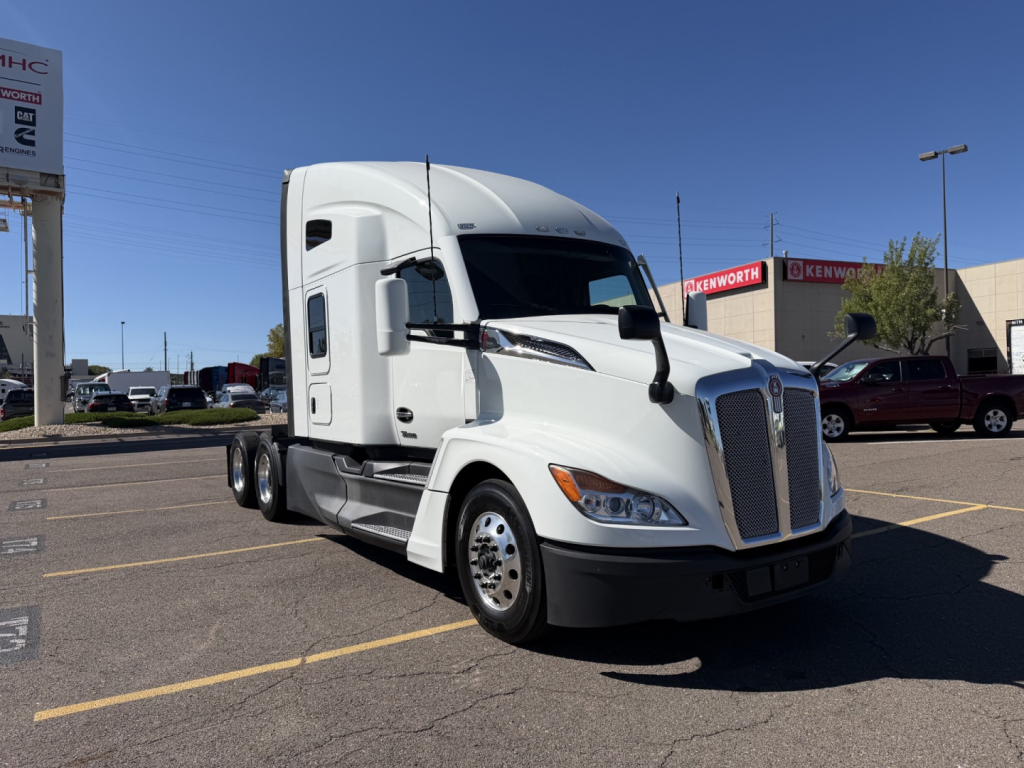
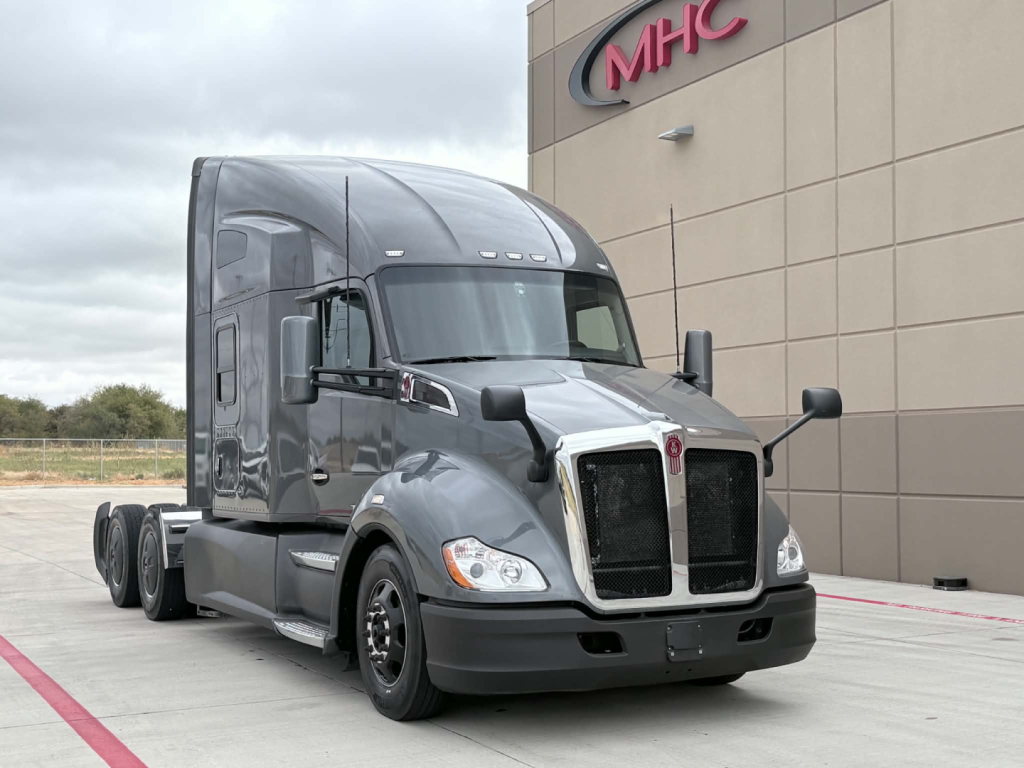
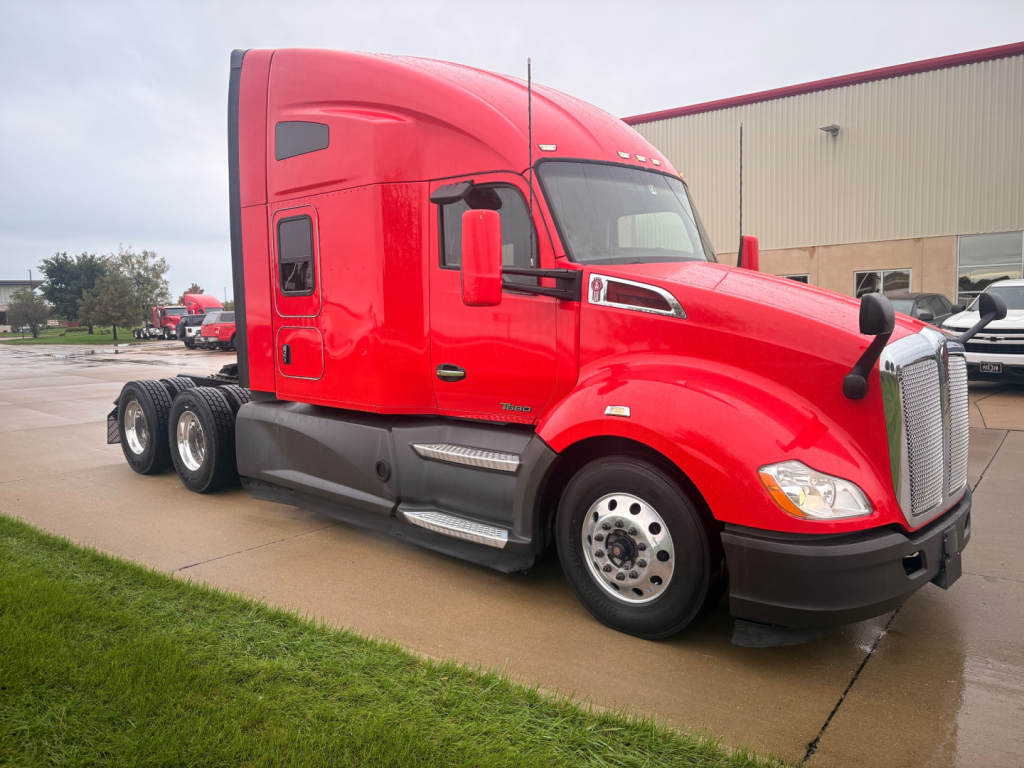
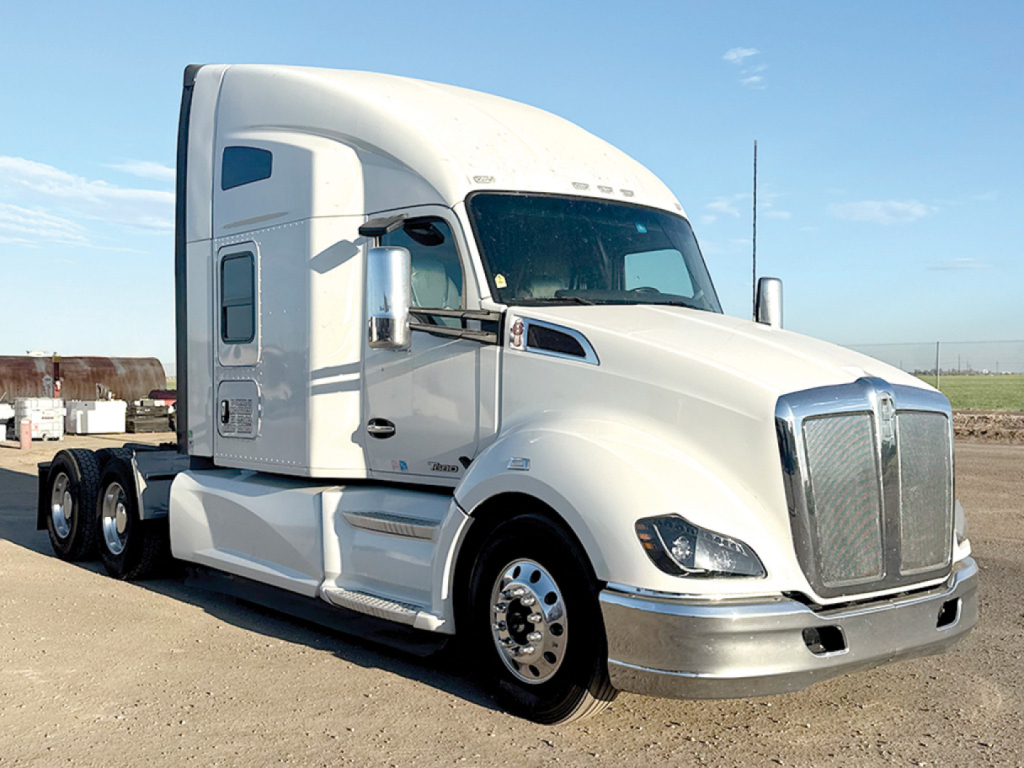
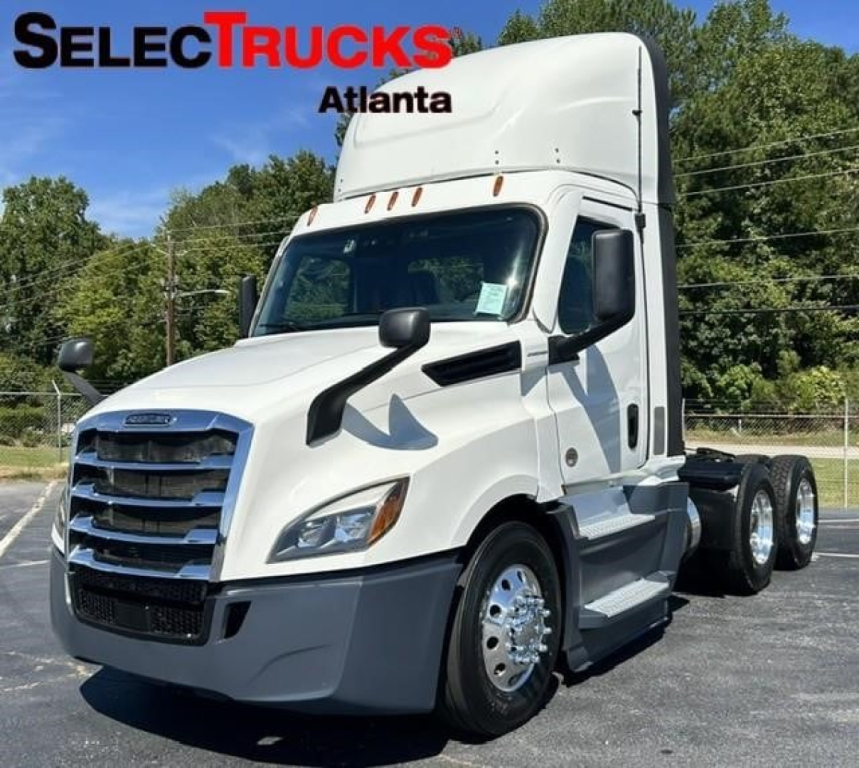
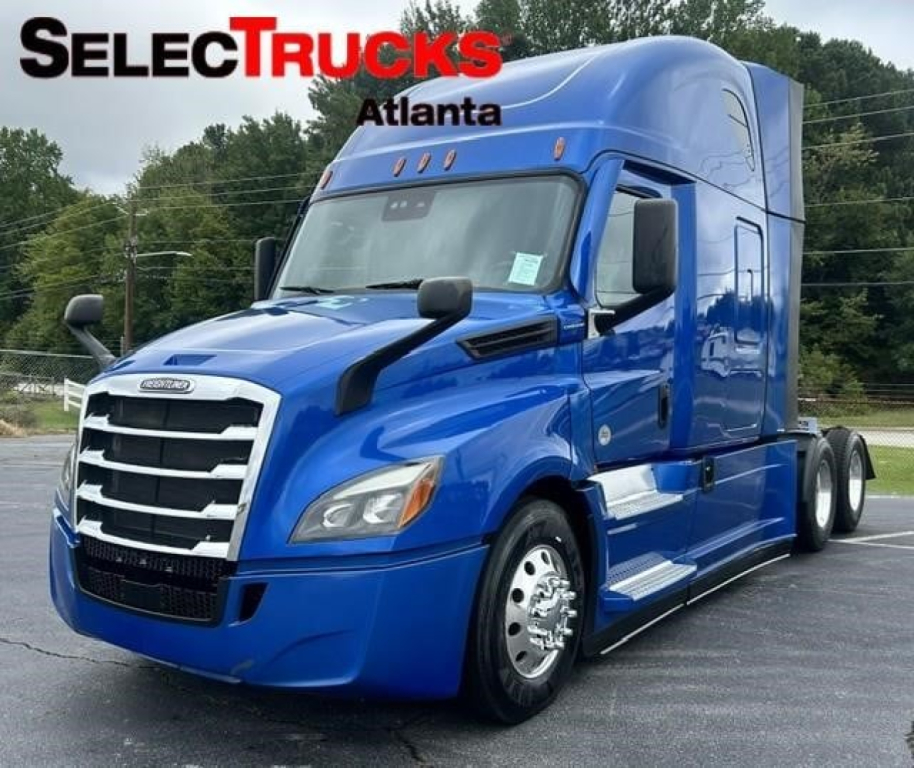
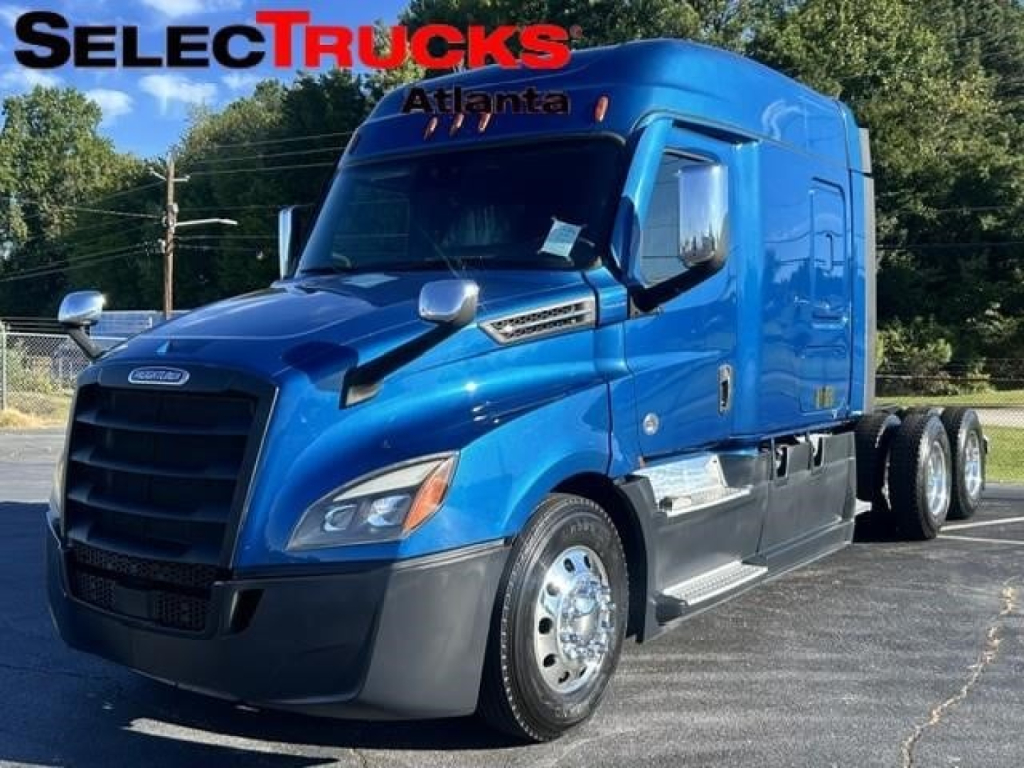
Showing 1 to 28 of 266 results
Selling a 2022 commercial truck? List your 2022 commercial truck for sale and reach thousands of commercial buyers.
2022 Commercial Trucks
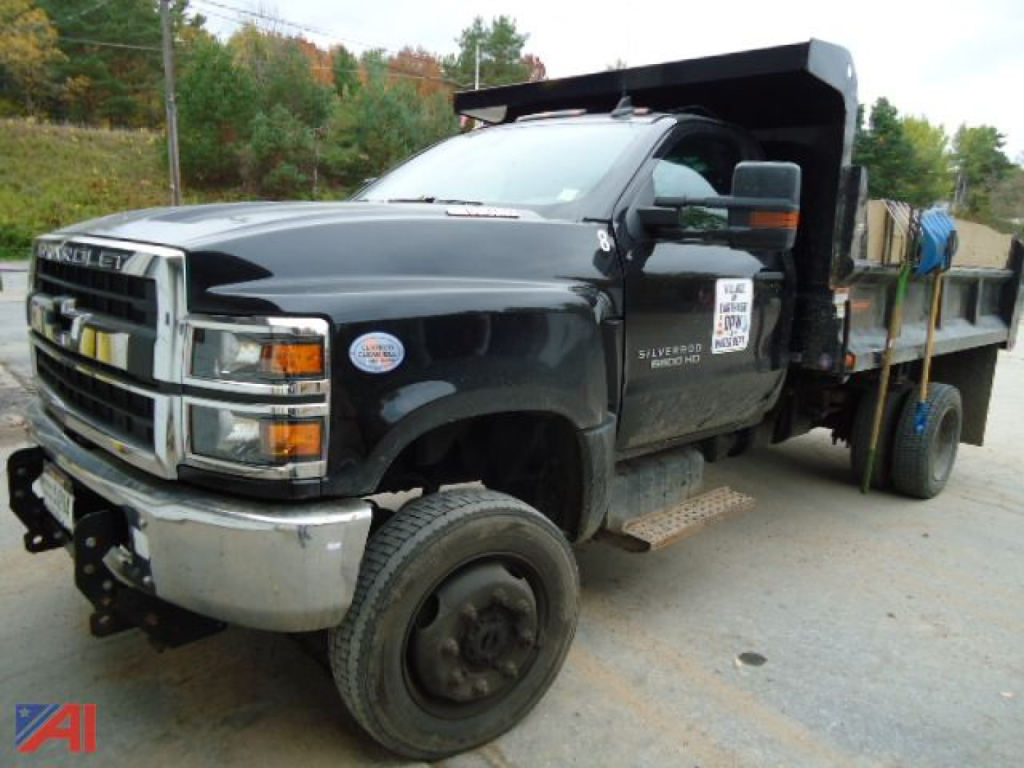
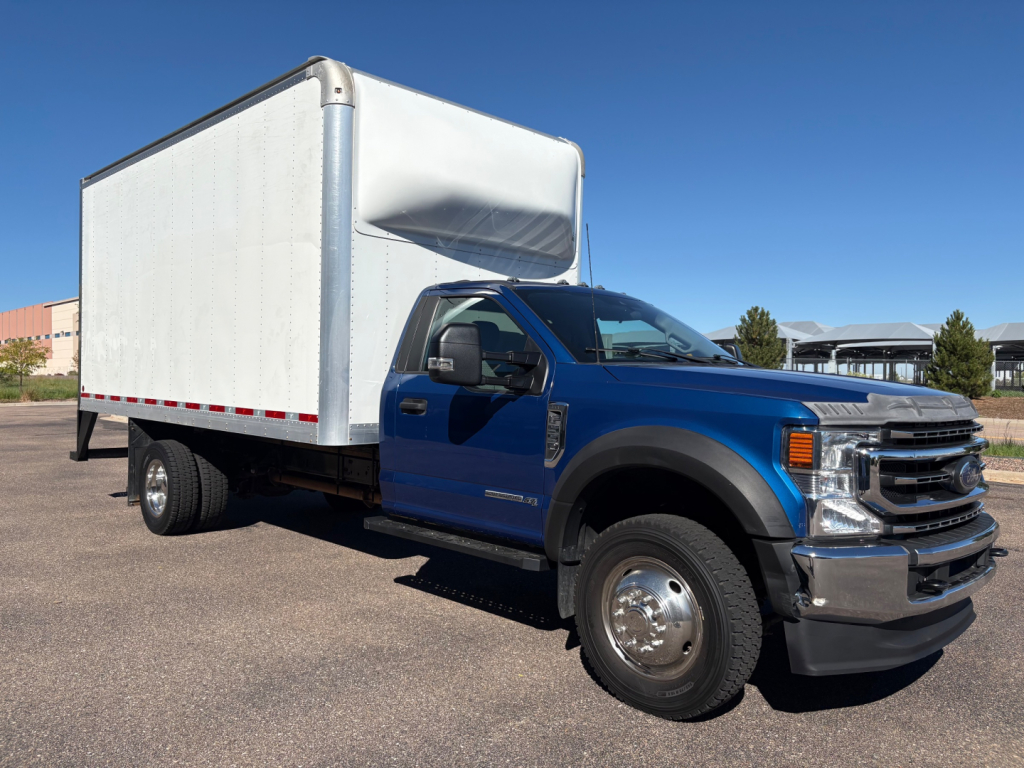
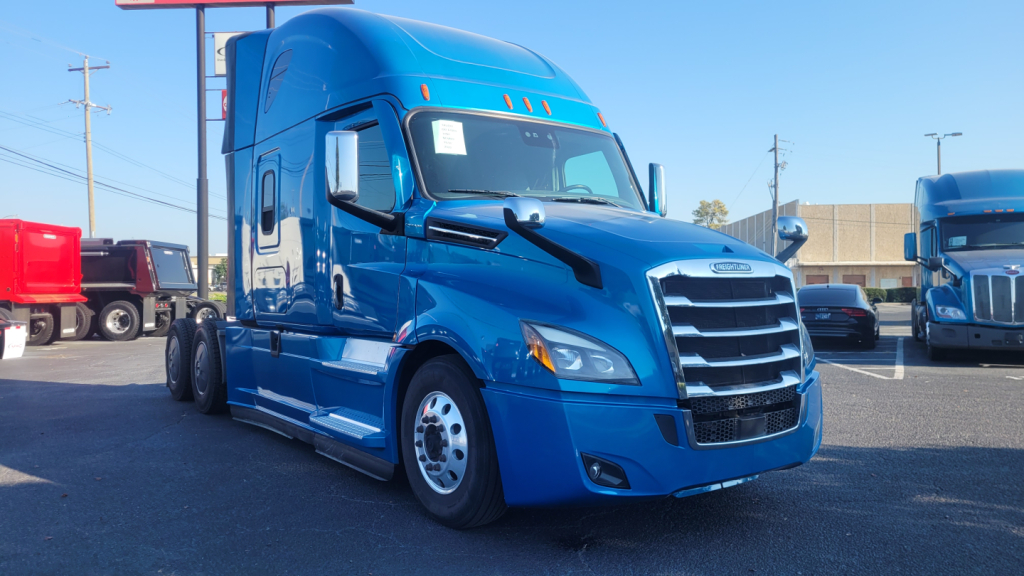
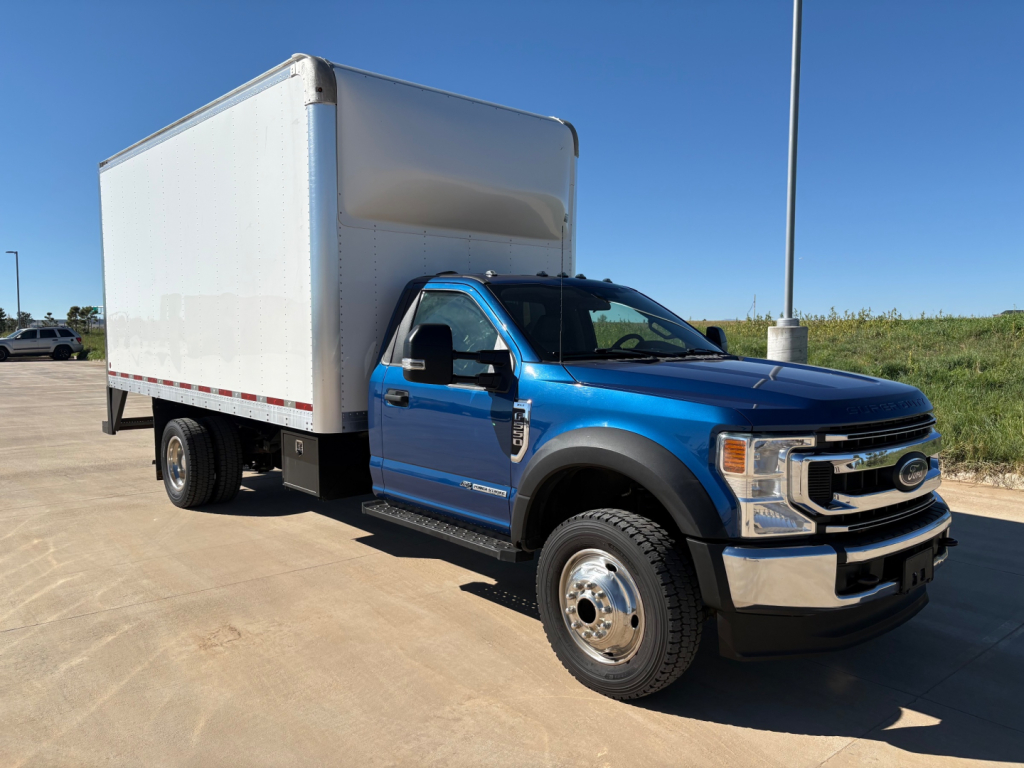
The first buying decision is application, because a 2022 truck can mean anything from a long-wheelbase sleeper built for over-the-road freight to a short-wheelbase day cab or a Class 5 through Class 7 work truck with PTO-driven or electric-over-hydraulic body equipment. Highway tractors in this year range often carry engines such as the Volvo D13, Cummins X15, Detroit DD13 or DD15, Paccar MX series, or Mack MP series, typically paired with 12-speed automated transmissions and rear axle ratios selected for fuel economy or startability. Vocational and medium-duty trucks may be spec'd with diesel or gas engines, 4x2 or 4x4 drivetrains, higher GVWR packages, and body systems like roll-off hoists, dump bodies, refuse loaders, or utility upfits. Buyers should compare wheelbase, axle ratings, suspension type, fifth wheel setup, PTO provisions, and frame configuration before focusing on cosmetics.
Emissions and operating technology matter on 2022 trucks because this model year commonly includes aftertreatment systems with DEF, integrated engine brakes, electronic stability features, and factory safety packages that can affect uptime and insurance costs. It is worth checking idle hours, telematics history, remaining warranty coverage where applicable, service documentation, and any fault code or aftertreatment repair history. On tractors, pay close attention to sleeper size, bunk layout, fuel capacity, fairings, and axle ratio if fuel economy is a priority. On vocational units, inspect body manufacturer specs as closely as the chassis itself, including hoist capacity, hydraulic components, tarp systems, hitch equipment, electrical controls, and whether the truck has the right PTO and brake configuration for the intended work cycle.
A strong 2022 truck should match the duty cycle without forcing expensive changes after purchase. For regional freight, buyers often look for day cabs with shorter wheelbases, automated transmissions, and easy service access. For over-the-road use, raised-roof sleepers with larger fuel capacity, air ride suspension, and integrated driver-assist features remain common choices. For construction, refuse, and municipal work, the right spec usually comes down to GVWR, axle spread, suspension durability, body compatibility, and jobsite traction. Across the board, 2022 trucks are attractive because they often combine modern safety and efficiency features with enough market availability to give buyers real choices in horsepower, cab style, drivetrain, and vocational setup.
Frequently Asked Questions about 2022 Commercial Trucks
What should I look for first when comparing 2022 trucks for sale?
Start with the truck’s intended application and core chassis spec. A 2022 sleeper tractor, day cab, and vocational work truck may share the same model year but have completely different wheelbases, axle ratings, suspension packages, PTO options, and cab configurations. Buyers should first confirm GVWR or GCWR needs, engine and transmission pairing, axle ratio, frame setup, and body or fifth wheel configuration before comparing mileage, appearance, or interior features.
Are 2022 trucks likely to have modern safety and fuel-efficiency features?
Yes. Many 2022 trucks were built with equipment that buyers now expect in late-model fleets, including automated manual transmissions, aerodynamic fairings, collision mitigation, adaptive cruise, lane-departure alerts, electronic stability systems, and disc brakes on some specs. These features can improve fuel economy, driver acceptance, and stopping performance, but buyers should verify exactly which systems are present because features vary widely by make, model, and original fleet spec.
Is a 2022 truck a good choice for vocational work?
A 2022 truck can be an excellent vocational choice if the chassis was ordered for the job rather than adapted later. Buyers should confirm front and rear axle ratings, suspension capacity, PTO compatibility, body manufacturer details, hydraulic setup, and frame reinforcement. On trucks with roll-off, dump, refuse, or service bodies, the body condition and control system are just as important as the engine and transmission because those components drive daily productivity and repair cost.
Do 2022 trucks usually have diesel emissions systems with DEF?
Most diesel-powered 2022 trucks use modern emissions equipment that includes DEF and aftertreatment components such as SCR and DPF systems. That is normal for this model year and should be treated as part of the maintenance plan. Buyers should review service records for regeneration frequency, sensor replacements, injector or doser issues, and any history of repeated fault codes, because emissions performance has a direct effect on uptime.
What mileage and hours matter more on a 2022 truck, odometer or engine hours?
Both matter, but they tell different stories. Odometer mileage shows distance traveled, while engine hours help reveal idle time and total engine use. A 2022 truck with moderate miles but very high idle hours may have more engine wear than the odometer suggests, especially in regional, municipal, or PTO-heavy service. The best evaluation uses mileage, engine hours, maintenance records, fault history, and the truck’s original duty cycle together rather than relying on one number alone.