
2022 Box Trucks For Sale
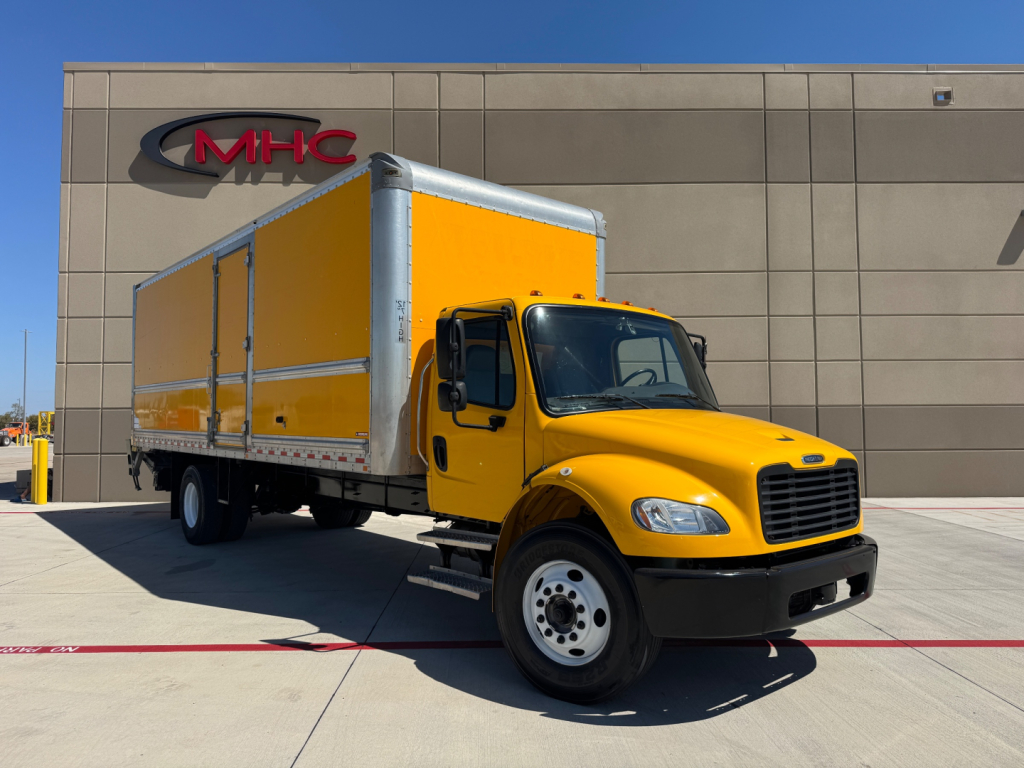
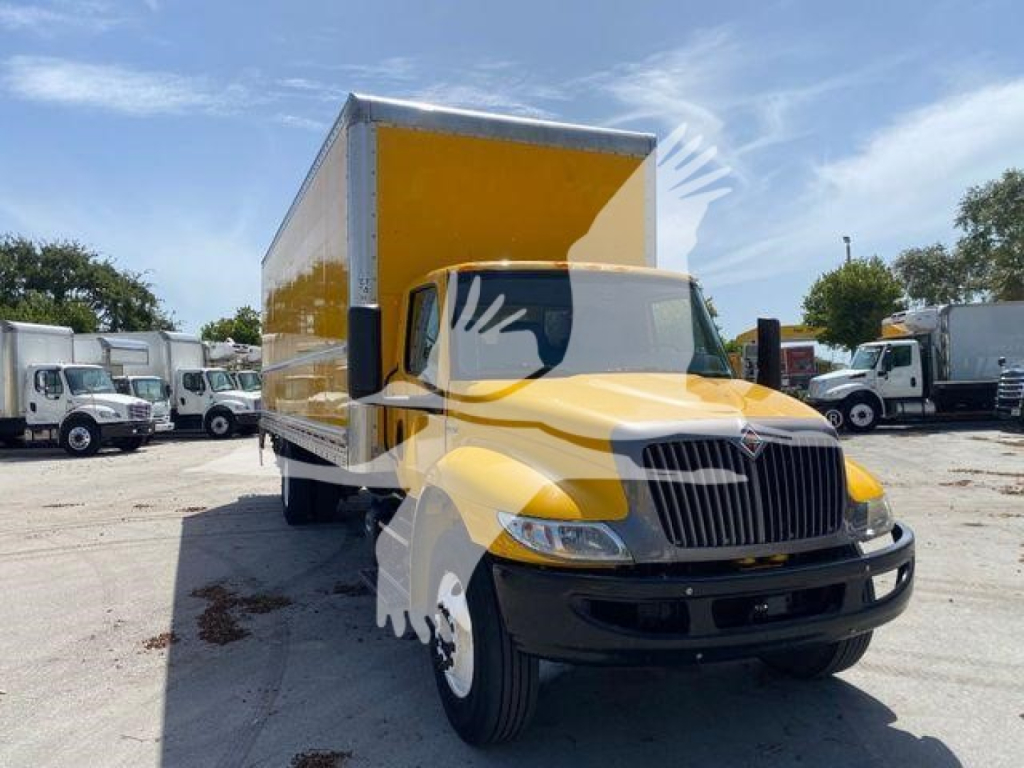
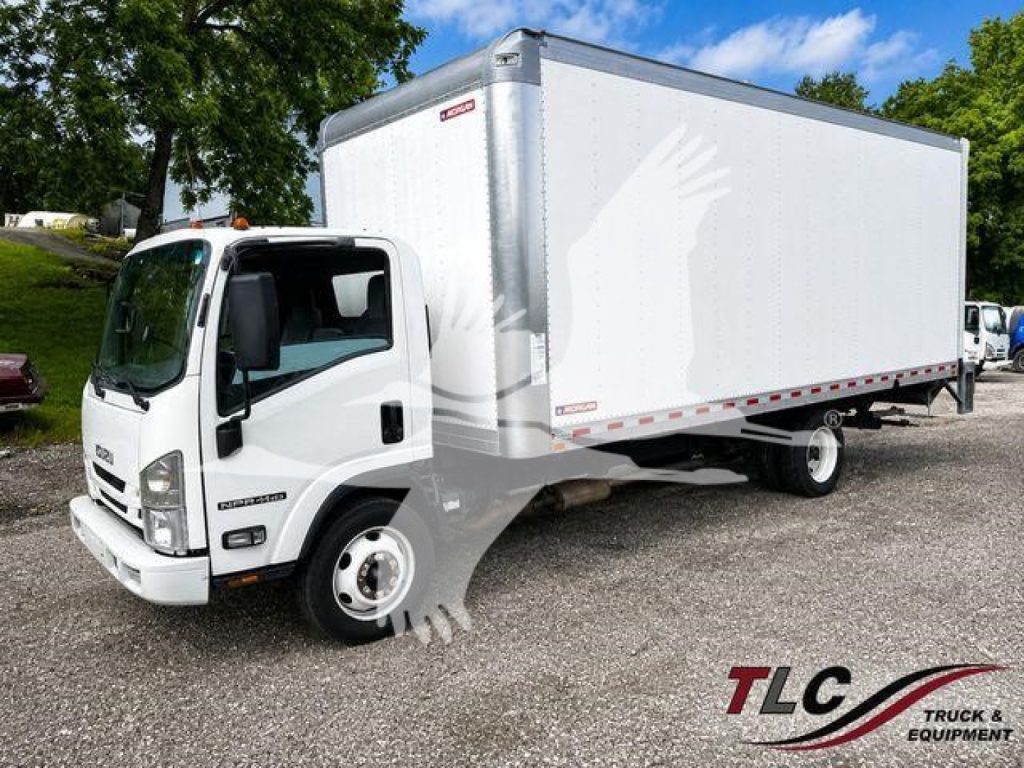
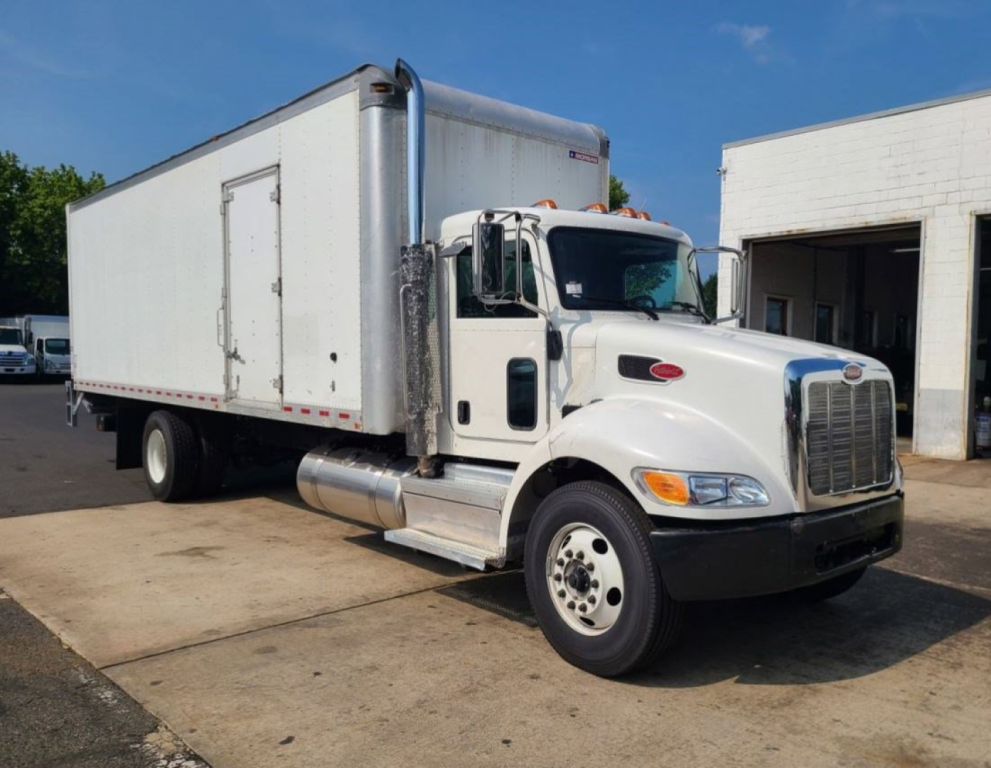
Shop 2022 box trucks with popular GVWR classes, cargo body lengths, liftgate options, and diesel or gas power for delivery and moving work.
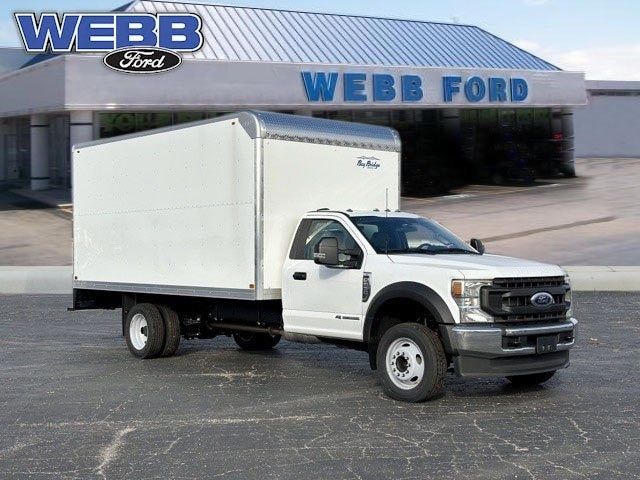
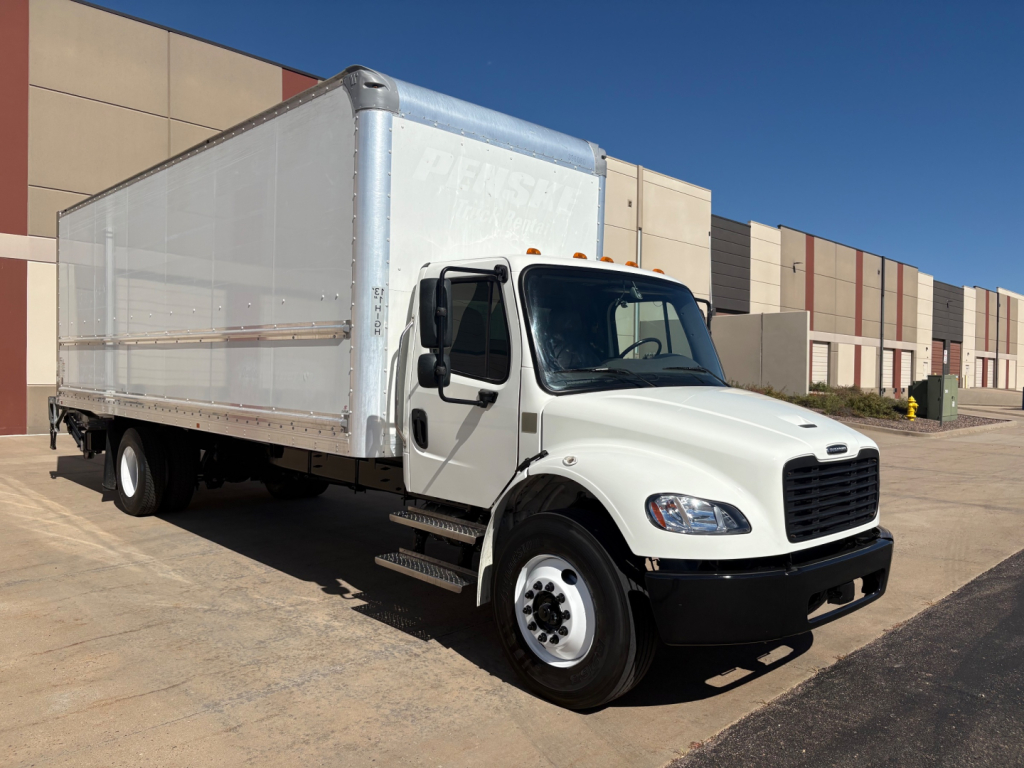
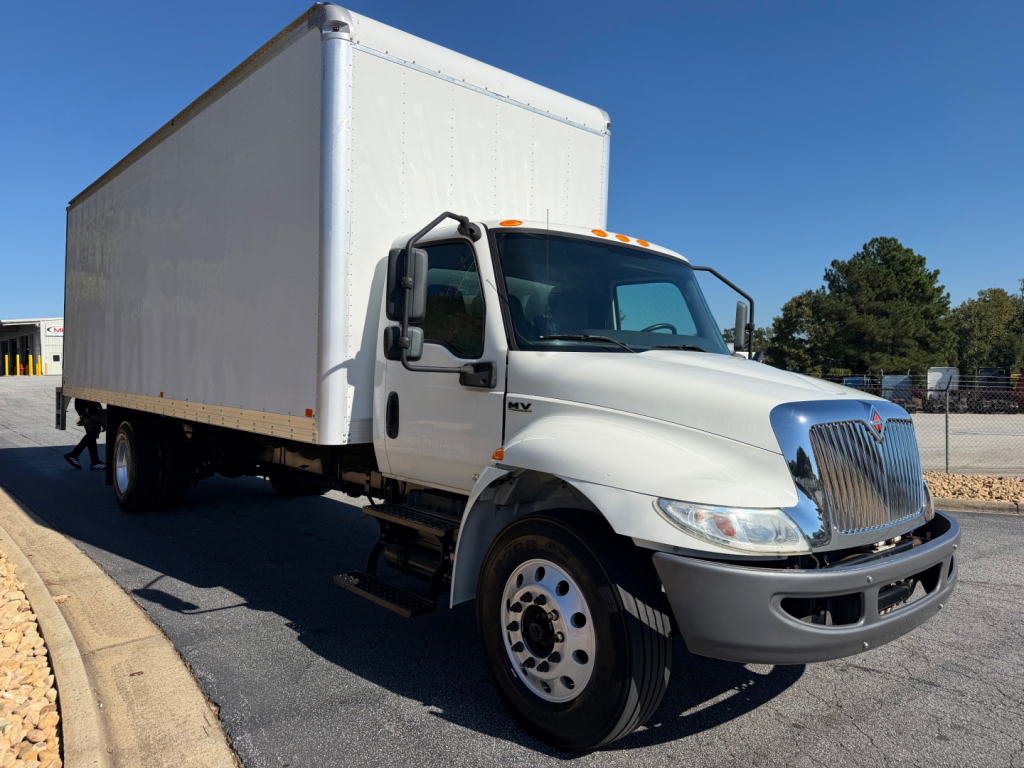
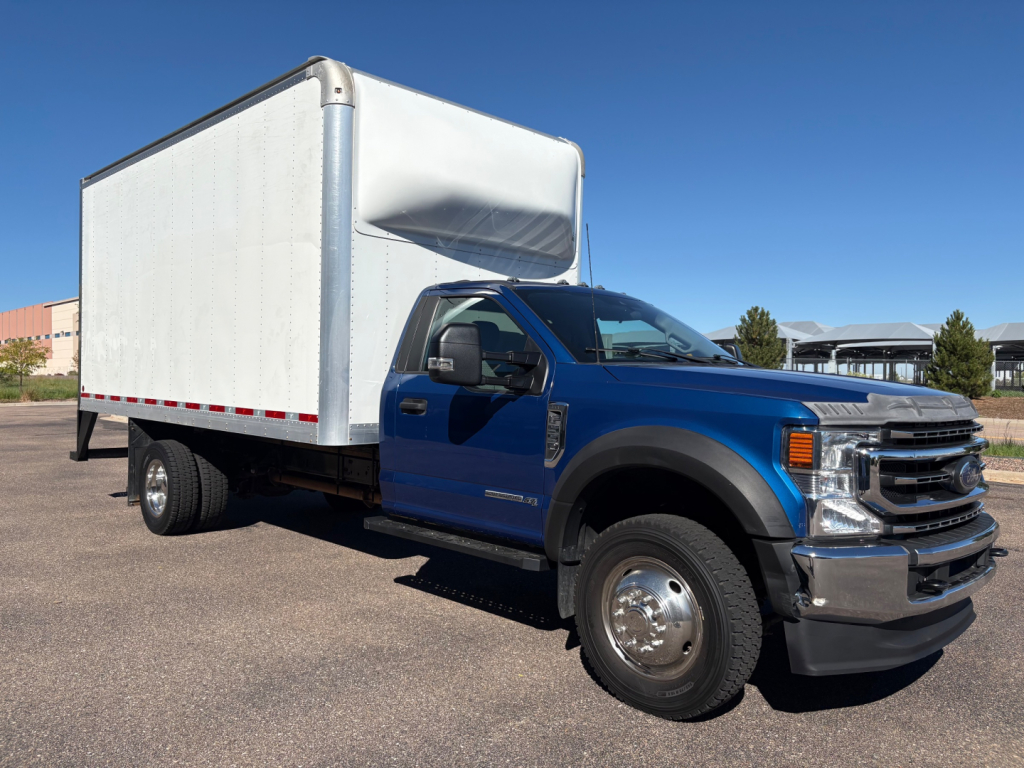
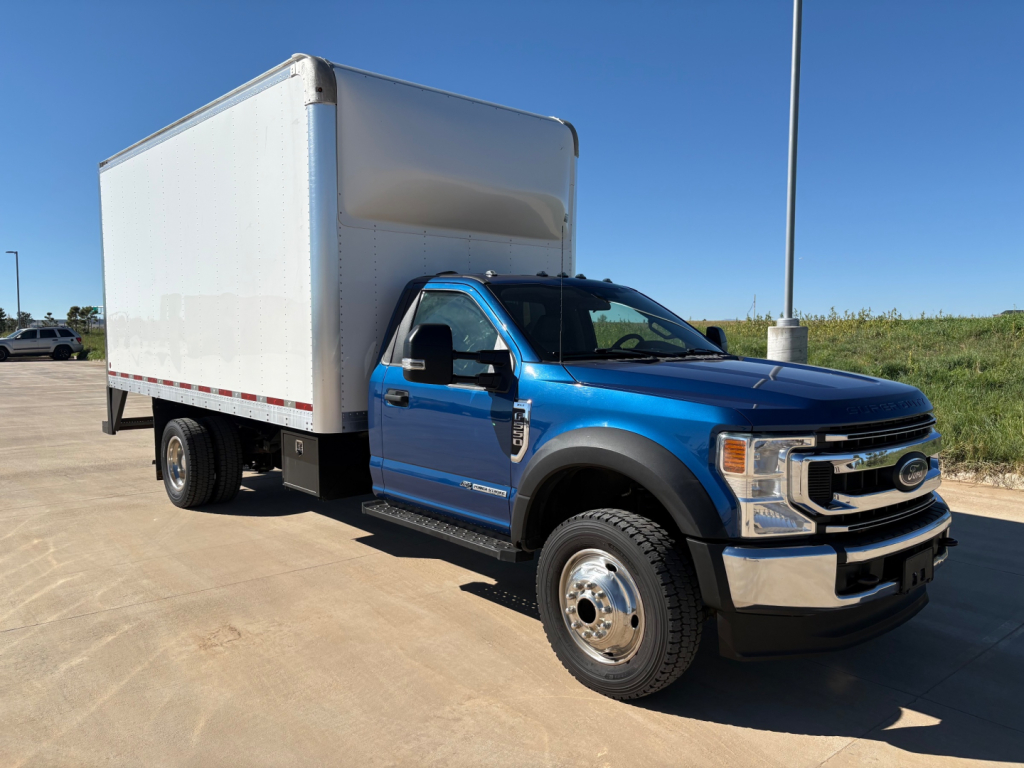
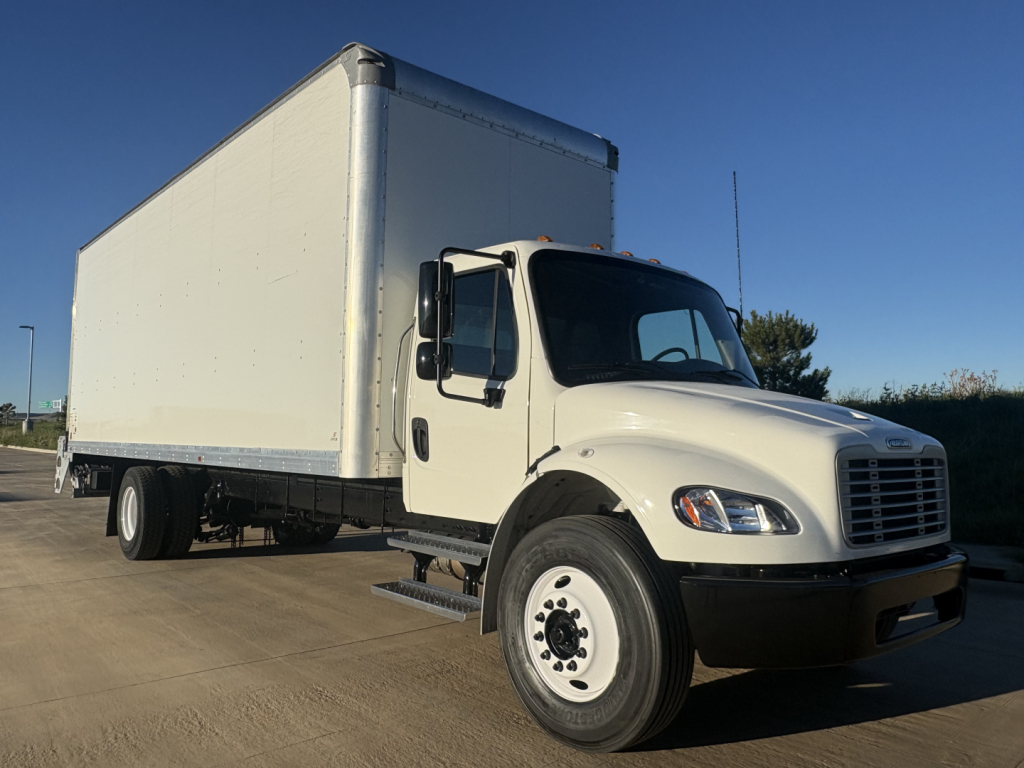
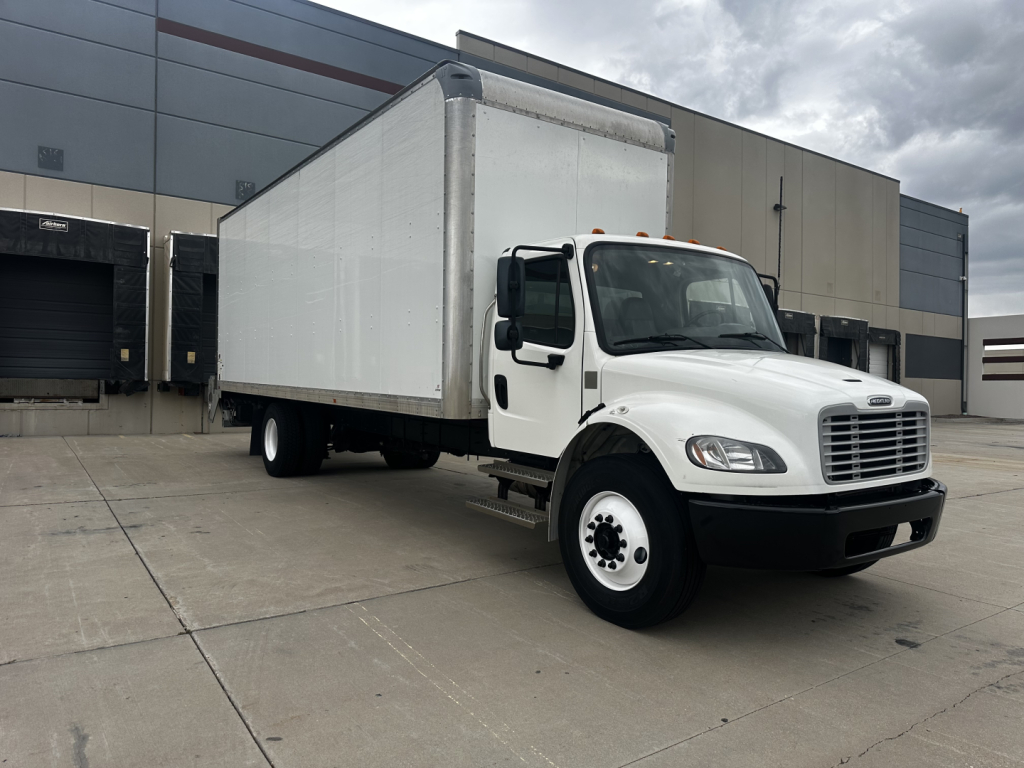
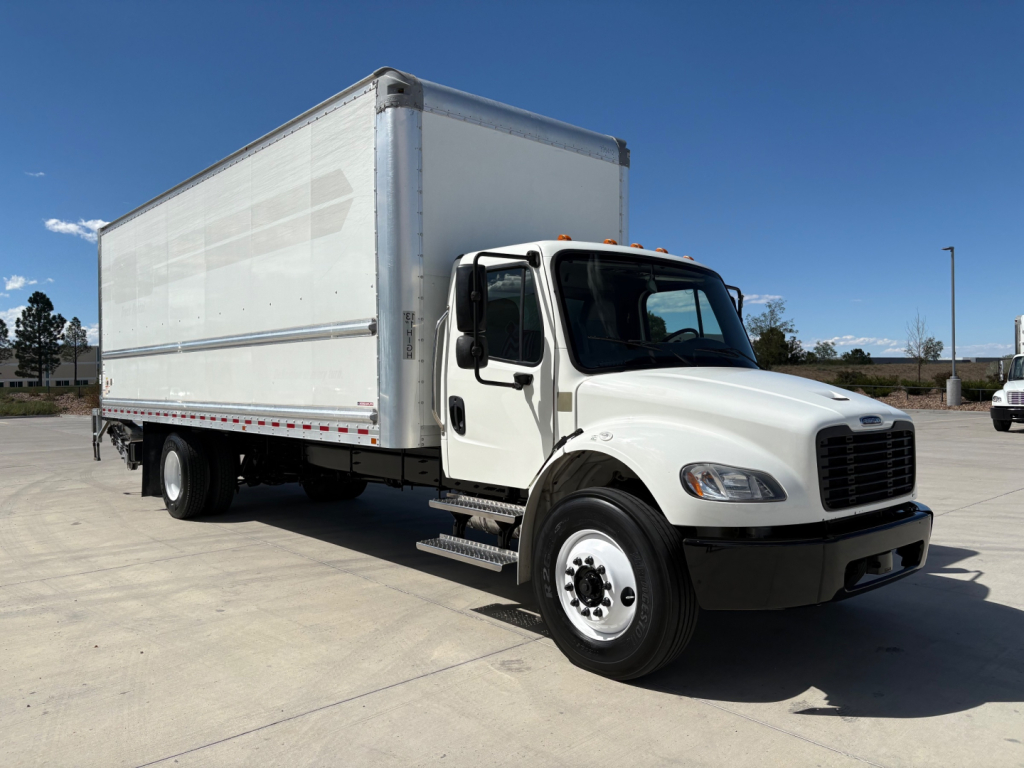
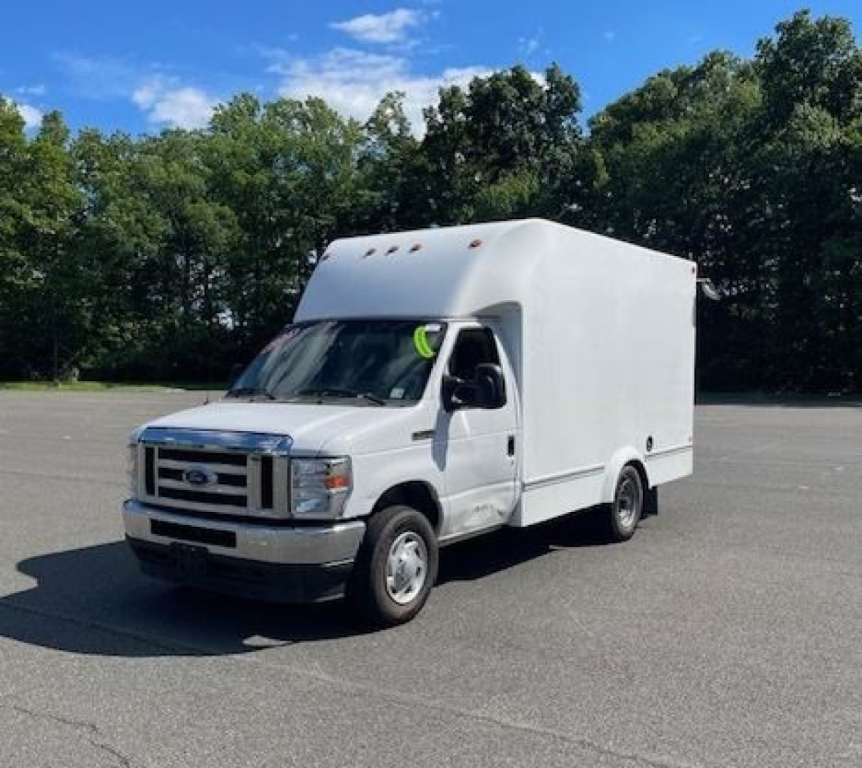
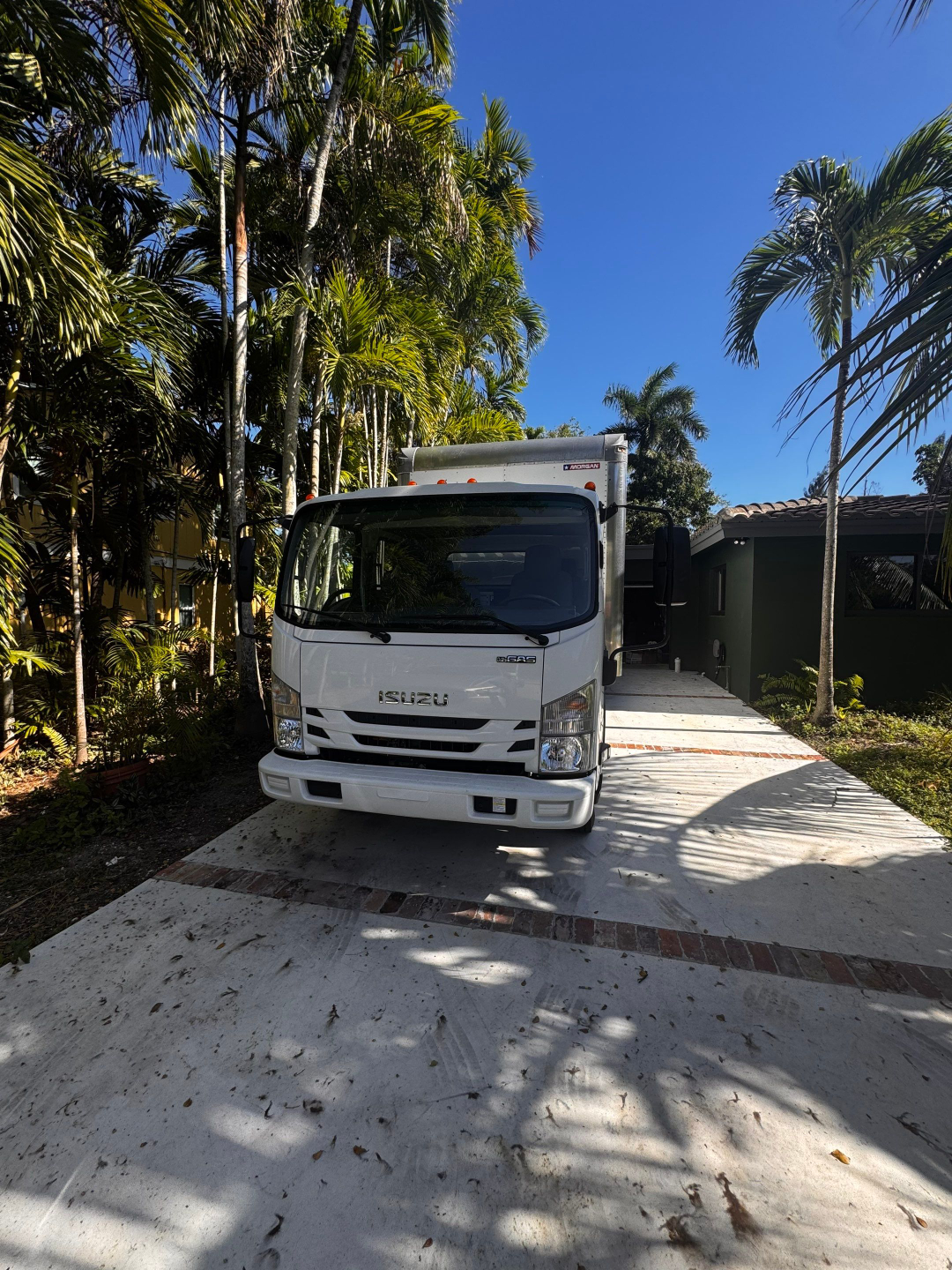
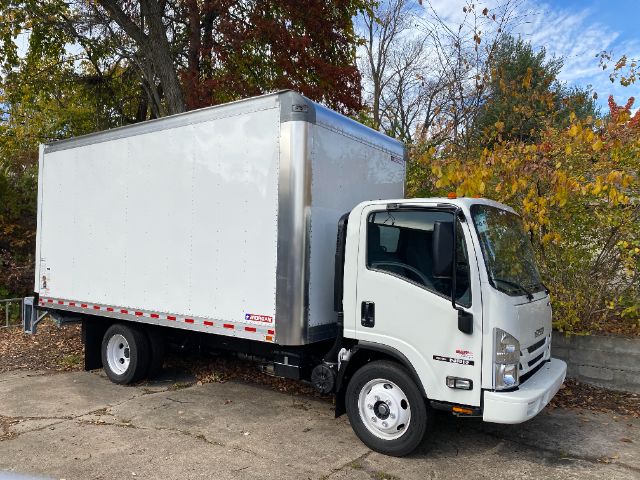
Selling a 2022 box truck? List your 2022 box truck for sale and reach thousands of commercial buyers.
2022 Box Trucks
For many buyers, the chassis matters as much as the box. Popular 2022 configurations include gas-powered cutaway models for local stop-and-go work and diesel cabover or conventional chassis for higher payload and commercial route density. Gas units can be attractive for lower annual mileage and simpler service access, while diesel models are common where payload, durability, and route time matter more. Transmission choice is usually automatic, and buyers should pay attention to wheelbase, cab-to-axle, and turning radius because those numbers affect body length, dock access, and urban maneuverability. On CDL-sensitive applications, GVWR is critical. A 26,000-lb GVWR truck can maximize legal capacity without requiring a CDL in many situations, while heavier specs may be the better fit for freight that consistently pushes cube and payload limits.
Body details separate a basic cargo hauler from a truck that truly fits the job. Roll-up rear doors are common for dock use and route delivery, while swing doors may appeal in applications that need full opening access. Liftgates are a major value point on 2022 box trucks, with tuck-under and railgate setups both common depending on loading style and dock frequency. Inside the body, buyers should look for hardwood or laminated floors, scuff liners, logistics track, translucent roofs, e-track, cargo tie-downs, and side access doors. Refrigerated box trucks are a different subset, but even dry van bodies vary widely in wall construction, roof material, and floor reinforcement. If the truck will handle palletized freight, verify door opening height and width, interior cube, and floor rating rather than relying only on overall box length.
A 2022 model year buyer should also focus on telematics compatibility, safety systems, and maintenance history. Many trucks from this year may include backup cameras, lane and collision alerts, improved cab ergonomics, and cleaner integration for fleet tracking. On diesel units, review aftertreatment service records, idle time, and operating pattern because urban delivery work can affect DPF and DEF system performance. On any box truck, inspect the body mounts, front wall, roof seams, roll-up door condition, liftgate cycle history, and signs of water intrusion. The best 2022 box truck is not just the newest one on the page. It is the one with the right GVWR, body length, door configuration, and loading equipment for the route it will run every day.
Frequently Asked Questions about 2022 Box Trucks
What body length is most common on a 2022 box truck?
Common body lengths on a 2022 box truck are typically 12, 16, 20, 22, 24, and 26 feet. The right length depends on cargo density, dock access, and turning space. Shorter bodies are easier in urban routes and residential delivery, while 22-foot to 26-foot bodies are common for moving, furniture, appliance, and higher-cube freight. Interior dimensions and door opening size matter just as much as advertised box length.
Do I need a CDL to operate a 2022 box truck?
It depends primarily on the truck’s GVWR and how it is configured. Many box trucks are spec'd at or below 26,000 pounds GVWR so they can be operated without a CDL in many states and applications. If the GVWR exceeds 26,000 pounds, or if the truck is used in a way that triggers other licensing requirements, a CDL may be required. Buyers should verify federal, state, and insurance requirements before choosing a weight class.
Is a diesel or gas 2022 box truck better for delivery work?
Gas and diesel both have a place in this category. Gas box trucks are often a good fit for lighter payloads, lower annual mileage, and operations that want simpler service and lower upfront cost. Diesel box trucks are more common in medium-duty applications where payload, longevity, and route intensity are higher. The better choice depends on stop frequency, average daily miles, loaded weight, and the service support available in your operating area.
What should I inspect on a used 2022 box truck body?
Pay close attention to roof seams, front wall integrity, floor wear, body mounts, crossmembers, and signs of water intrusion. Check the roll-up door tracks, springs, and latch operation, and inspect side doors for sagging or seal damage. If the truck has a liftgate, review capacity rating, platform condition, hydraulic or electrical operation, and maintenance records. A clean cab does not guarantee a sound body, and cargo body repairs can be expensive.
What features add value on a 2022 box truck?
High-value features often include a liftgate, e-track or logistics track, scuff liners, translucent roof, side access door, backup camera, and a well-matched GVWR-to-payload spec. Fleet buyers may also prioritize telematics integration, automatic transmission, and common tire and brake sizes for easier maintenance planning. Features that improve loading speed and reduce cargo damage usually have the strongest real-world payoff.