
2022 Commercial Trucks For Sale in North Carolina
Browse 2022 trucks for sale in North Carolina, including day cabs, sleepers, medium-duty and vocational trucks with current spec options.
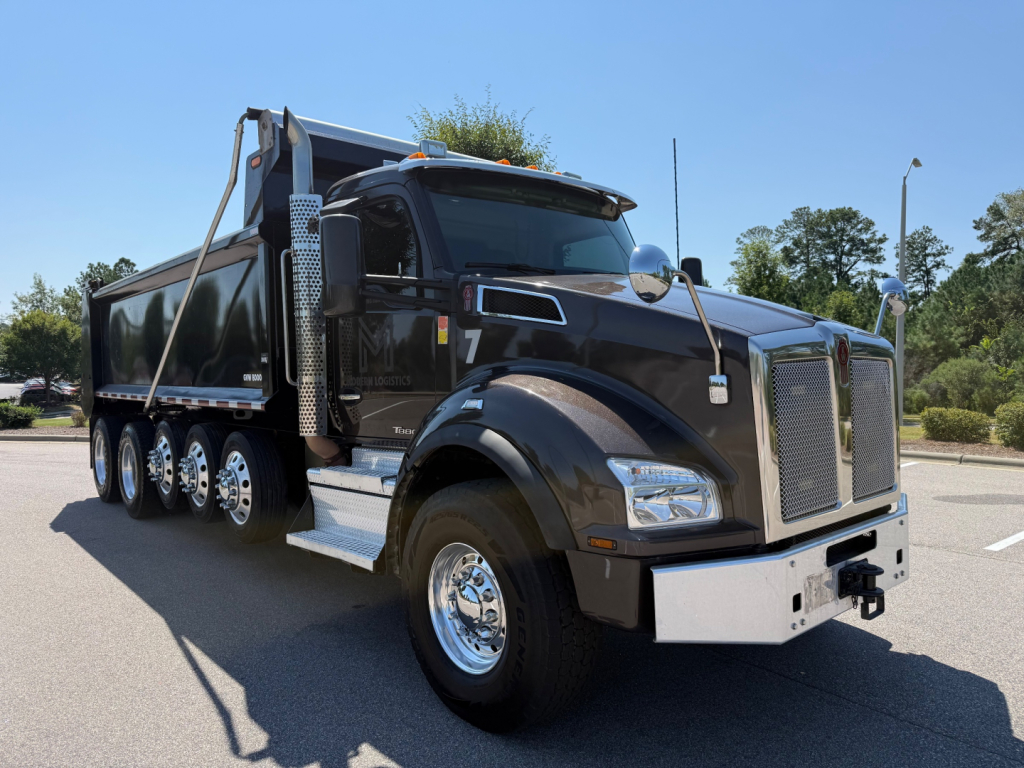
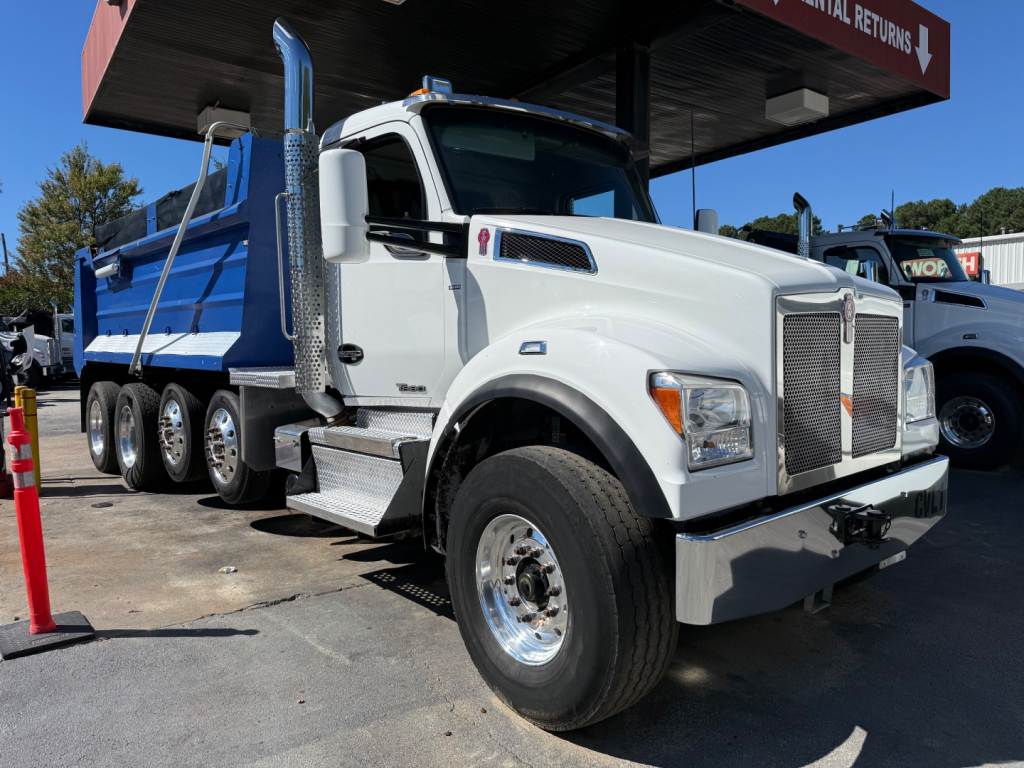
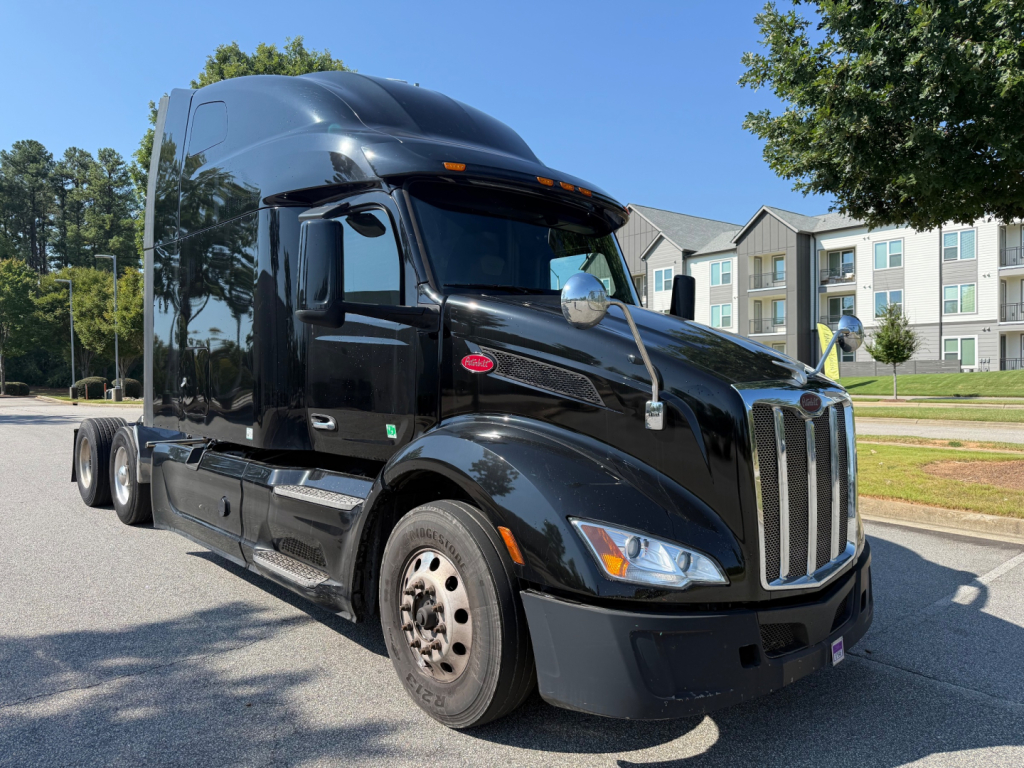
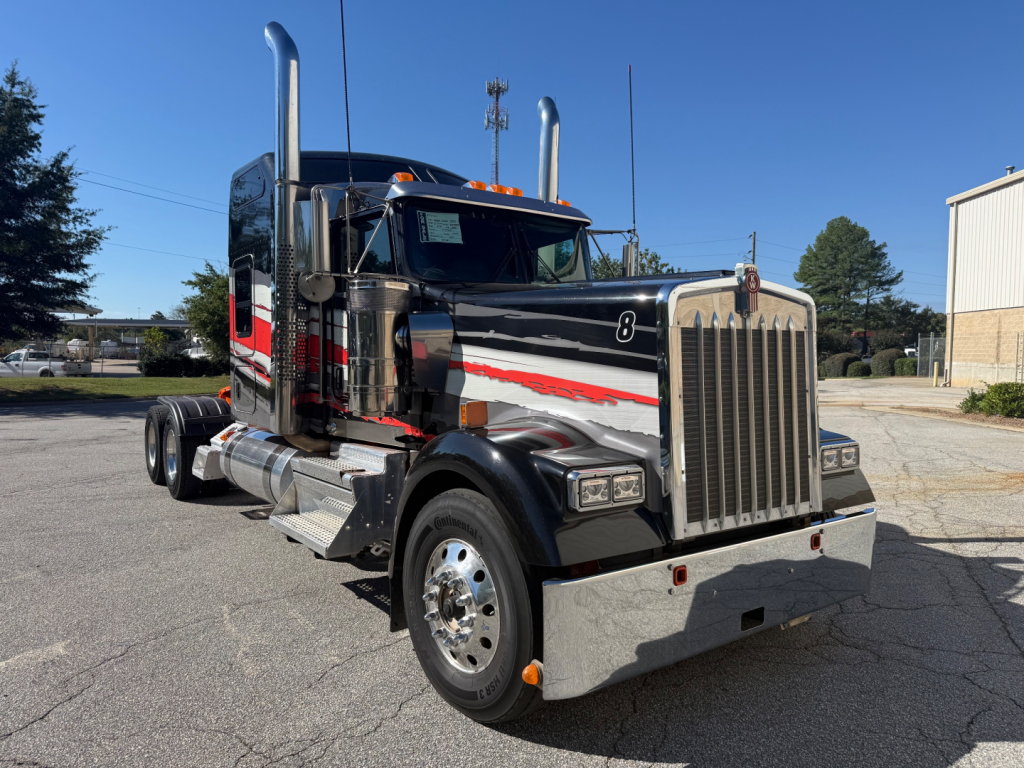
Selling a 2022 commercial truck? List your 2022 commercial truck for sale and reach thousands of commercial buyers.
2022 Commercial Trucks in North Carolina
For highway use, 2022 sleeper and day cab trucks commonly show aerodynamic packages, automated manual transmissions, collision mitigation systems, and lower-RPM driveline specs aimed at fuel economy. Buyers should compare engine families, horsepower and torque ratings, rear axle ratios, suspension type, and fifth wheel setup against actual lane demands. A regional haul truck in the Carolinas may prioritize maneuverability, lighter tare weight, and practical fuel capacity, while a long-haul sleeper may need a larger bunk, dual tanks, fairings, and a wheelbase that balances ride quality with payload and turning radius. On vocational and medium-duty trucks, focus more heavily on PTO capability, front axle capacity, frame rail dimensions, body clearance, and whether the truck was ordered as a true cab and chassis or already matched to a specific body.
Condition matters as much as spec on a 2022 unit. Many trucks from this year were built during a period when lead times, component substitutions, and duty cycles varied widely, so buyers should verify exact build data from the VIN and door tag rather than assuming one truck matches another with the same badge. Review engine hours against miles, idle time, maintenance records, brake and tire wear, DEF system history, and any fault code or regen issues. If the truck has an upfit such as a dump body, reefer body, service body, vacuum system, or refuse packer, inspect the hydraulics, PTO operation, subframe installation, and signs of frame stress or corrosion. For North Carolina buyers, rust is often less severe than in northern states, but coastal exposure can still affect wiring, air systems, body hardware, and aluminum components.
A well-matched 2022 truck can offer a strong balance of modern spec, financing appeal, and service life. Buyers comparing listings should pay close attention to GVWR, GCWR, axle ratings, wheelbase, cab configuration, transmission type, suspension, brake setup, and emissions warranty status. If the truck will be routed through Charlotte, Raleigh, Greensboro, Wilmington, or mixed urban and rural lanes, visibility, turning radius, and service network support can matter as much as engine badge or trim level. The best purchase is usually the truck whose original build sheet aligns closely with the work, because correcting a bad spec after the sale is almost always more expensive than buying the right chassis to begin with.
Frequently Asked Questions about 2022 Commercial Trucks in North Carolina
What should I look for first when buying a 2022 used truck?
Start with the truck’s intended job, then confirm the core chassis matches it. For a road tractor, that means engine rating, transmission, axle ratio, suspension, wheelbase, and fifth wheel placement. For a vocational or medium-duty truck, check GVWR, front axle capacity, PTO provisions, frame rail dimensions, and body compatibility. After that, review miles, engine hours, idle time, maintenance records, tire and brake condition, and any emissions-related repairs.
Are 2022 trucks a good balance between price and modern features?
Yes. Many 2022 trucks include current safety technology, improved aerodynamics, updated interiors, and newer powertrain calibrations, but they are far enough into the used cycle that buyers can evaluate real service history instead of buying on brochure claims alone. That can make a 2022 truck attractive for fleets and owner-operators who want newer equipment without paying new-truck pricing.
Do I need to worry about emissions systems on a 2022 diesel truck?
Yes, but the concern should be inspection and documentation rather than avoidance. A 2022 diesel truck will have modern aftertreatment components such as EGR, DPF, and SCR systems, and those need to be checked for fault history, regen behavior, DEF quality issues, and signs of repeated short-route operation. Service records are important because proper maintenance has a major effect on emissions reliability.
What truck types are commonly found in the 2022 model year?
The 2022 model year covers a broad mix of equipment, including sleeper tractors, day cabs, box trucks, cargo vans, cab and chassis trucks, dump trucks, service trucks, refuse trucks, vacuum trucks, and other vocational units. The exact spec can vary widely even within the same make and model, so buyers should verify axle ratings, wheelbase, body manufacturer, and installed options on each listing.
Why does wheelbase matter so much on a used truck?
Wheelbase affects maneuverability, bridge law compliance, body length, ride quality, and how the truck carries weight. A shorter wheelbase may work better for city delivery, refuse, or tight jobsite access, while a longer wheelbase may be preferred for certain sleeper applications, larger bodies, or smoother highway tracking. On a cab and chassis truck, wheelbase also determines what body lengths can be installed correctly without expensive modifications.