
2022 Conventional Daycab Trucks For Sale in North Carolina
Shop 2022 conventional daycab trucks for local haul, regional freight, drayage, and vocational work with modern powertrains and fleet-friendly specs.
Learn more
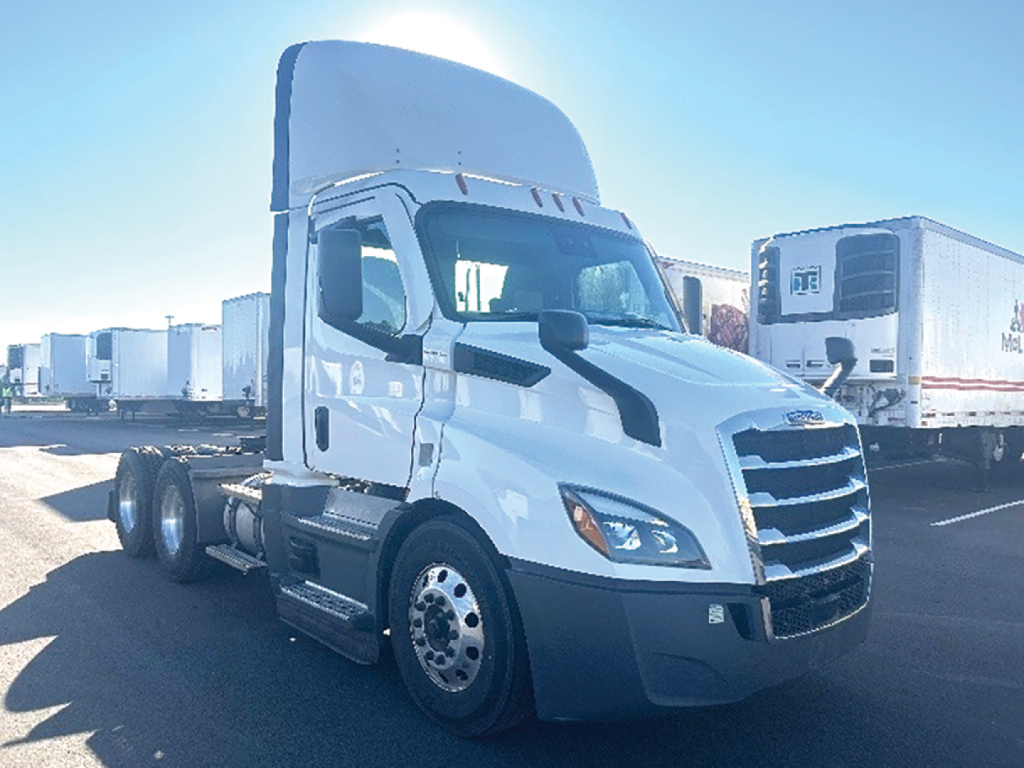
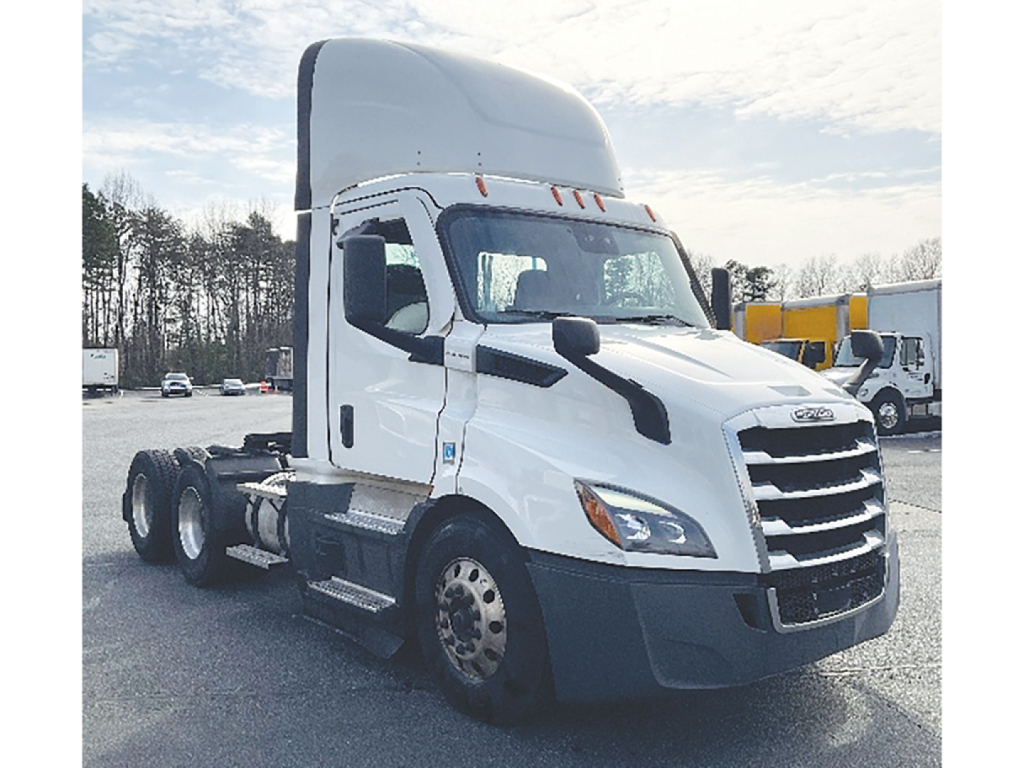
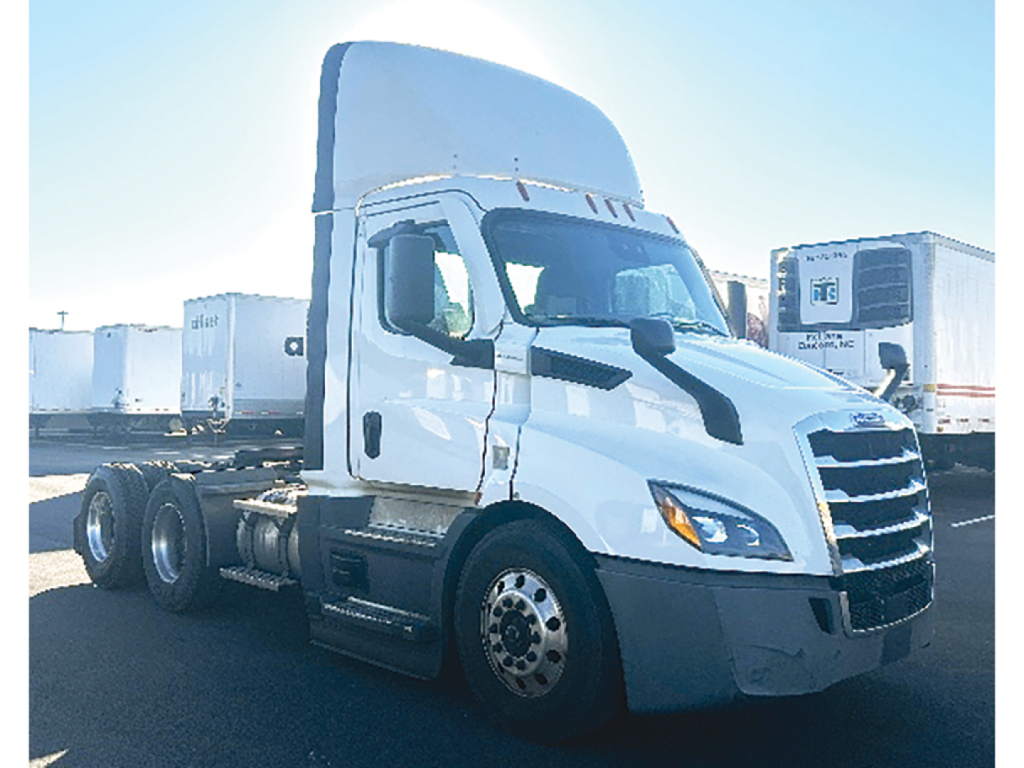
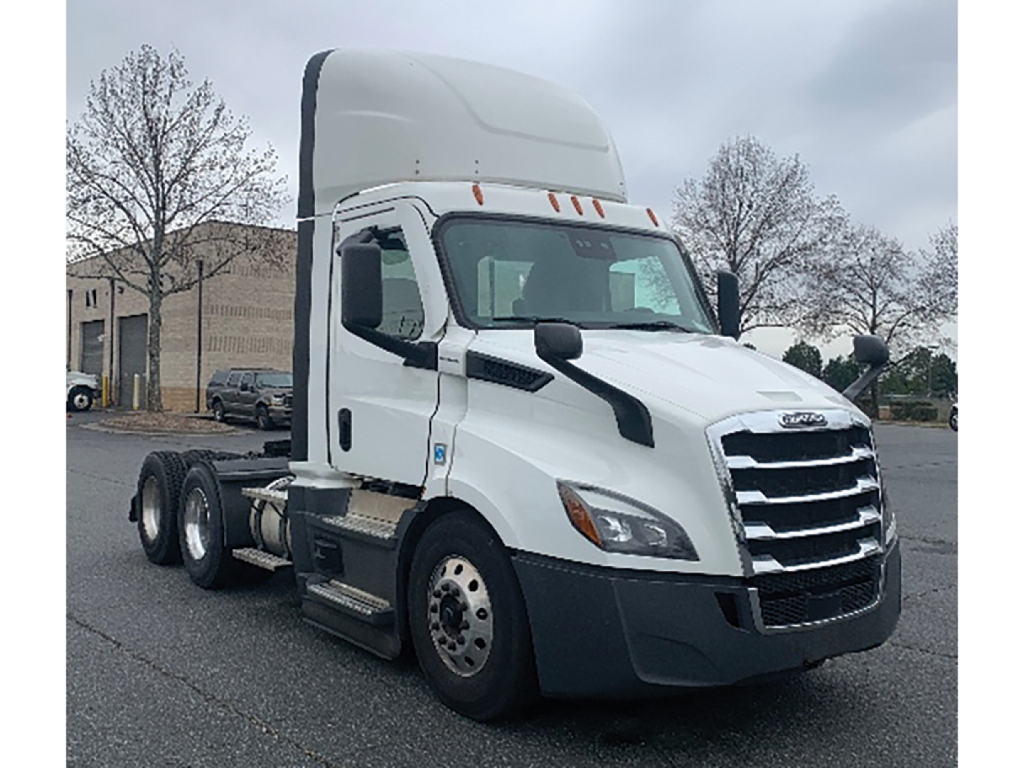
Have 2022 conventional daycab truck to sell? List it here to reach thousands of buyers.
About 2022 Conventional Daycab Trucks in North Carolina
Most 2022 daycabs on the market are spec'd with automated manual or full automatic transmissions, engine ratings in the mid-300 to low-400 horsepower range for highway tractors, and rear axle ratios selected for either fuel economy or startability. Common engines include Cummins, PACCAR, Volvo, Detroit, and Navistar platforms, often paired with engine brakes and fleet telematics. Expect to see 4x2 single-axle and 6x4 tandem-axle layouts, air ride suspensions, 22.5-inch rubber, and wheelbases that can range from compact city specs to longer frame setups for wet kits, lift axles, or specialized body installations. If the truck will pull a trailer, pay close attention to fifth wheel type, air slide travel, frame height, kingpin setting compatibility, and whether a wetline kit is already installed.
Condition matters more than model year alone in this segment. A 2022 truck may still offer current safety and driver-assist features such as collision mitigation, lane departure warning, adaptive cruise functionality, and disc brakes, but buyers should still verify idle hours, maintenance history, aftertreatment service records, tire wear pattern, and suspension condition. In a daycab, cab ergonomics also count because drivers are making repeated stops and entries. Look closely at seat condition, steering wheel adjustment, dash layout, visibility around mirrors and hood, and practical specs such as fuel capacity, fairings, quarter fenders, and PTO provisions. For operations running in and out of Charlotte, Raleigh, Greensboro, or port-connected lanes, emissions compliance, turning radius, and ease of service can have as much impact on uptime as engine make.
The strongest value in a 2022 conventional daycab usually comes from matching the truck to the job instead of buying on badge alone. A single-axle daycab can be efficient for lighter regional freight and city work, while a tandem-axle tractor is better suited for heavier trailers, bulk commodities, or frequent interstate use. Lower numerical rear ratios can help fuel economy on consistent highway routes, while deeper ratios improve launch with heavy loads and stop-and-go duty cycles. Buyers comparing listings should weigh horsepower, torque, transmission calibration, axle rating, suspension type, brake spec, and wheelbase together, because a well-matched daycab will deliver better fuel burn, less driver fatigue, and fewer compromises in daily operation.
Frequently Asked Questions
What is a conventional daycab truck used for?
A conventional daycab truck is used for runs that do not require overnight sleeper accommodations. It is common in local and regional freight, drayage, dedicated route work, tanker service, dump and vocational applications, and terminal-to-terminal operations. The shorter cab and lighter overall configuration can improve maneuverability, reduce tare weight, and simplify entry and exit for drivers making frequent stops.
What should I look for when buying a 2022 daycab tractor?
Start with the job requirements, then match the truck's axle configuration, wheelbase, fifth wheel setup, engine rating, transmission, and rear axle ratio to that work. A buyer should also review maintenance records, emissions system service history, idle hours, tire and brake condition, suspension wear, and any installed equipment such as wet kits, PTO controls, air slide fifth wheels, or collision mitigation systems. A newer model year helps, but the truck still needs to be spec'd correctly for the lane and payload.
Is a single-axle or tandem-axle daycab better?
A single-axle daycab is often a good fit for lighter freight, city delivery, and operations where tighter turning and lower operating cost matter most. A tandem-axle daycab is generally better for heavier trailer loads, more demanding interstate use, and applications that need greater traction, durability, and legal weight capacity. The right choice depends on trailer type, payload, route profile, and bridge law considerations.
What engine and transmission specs are common in 2022 conventional daycabs?
Many 2022 conventional daycabs are equipped with diesel engines in the roughly 350 to 450 horsepower range for highway tractor applications, with torque selected to match regional or heavy haul duty. Automated manual transmissions are especially common because they support fuel economy, simplify driver training, and work well in mixed-route fleets. Full automatics are also found in certain vocational or stop-and-go applications where smooth low-speed operation is important.
Why do wheelbase and fifth wheel position matter on a daycab?
Wheelbase and fifth wheel position affect turning radius, bridge law performance, trailer clearance, weight distribution, and how the truck handles different trailer lengths. A shorter wheelbase can improve maneuverability in yards and urban docks, while a longer wheelbase may be needed for frame-mounted equipment, better ride quality, or specialized applications. Buyers should confirm kingpin settings, sliding fifth wheel travel, and frame layout before putting a daycab into a regular trailer rotation.