
2022 Freightliner Conventional Daycab Trucks For Sale in North Carolina
Shop 2022 Freightliner conventional daycab trucks in North Carolina. Compare Cascadia specs, DD13 power, wheelbase, axle ratios, and safety tech.
Learn more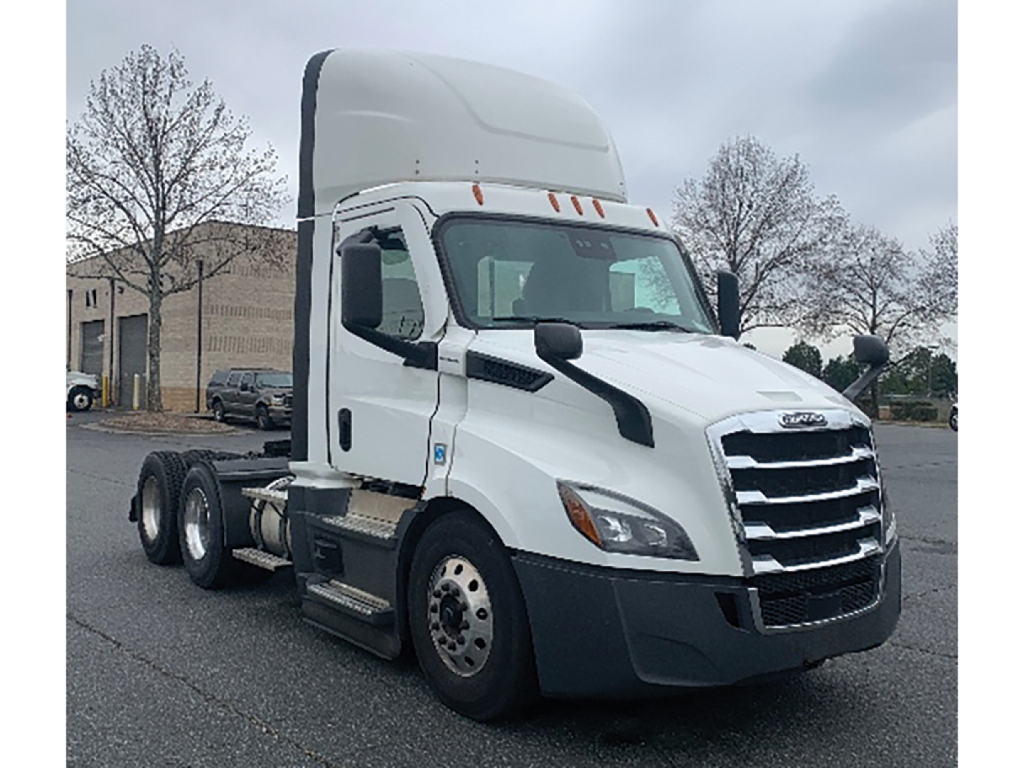
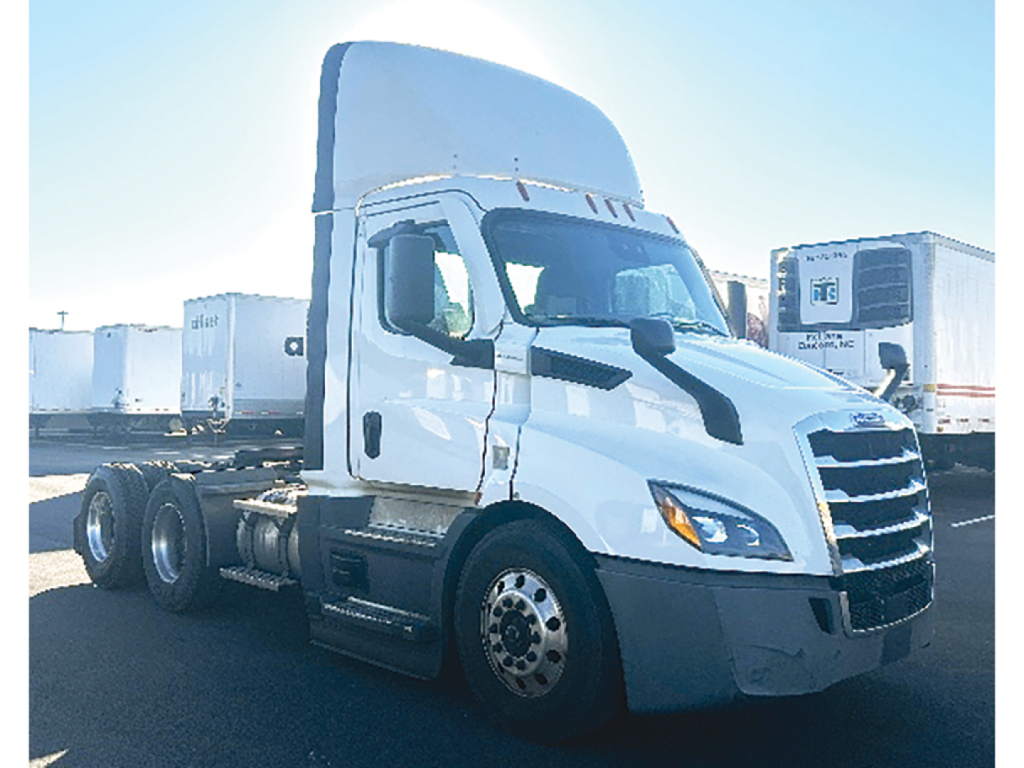
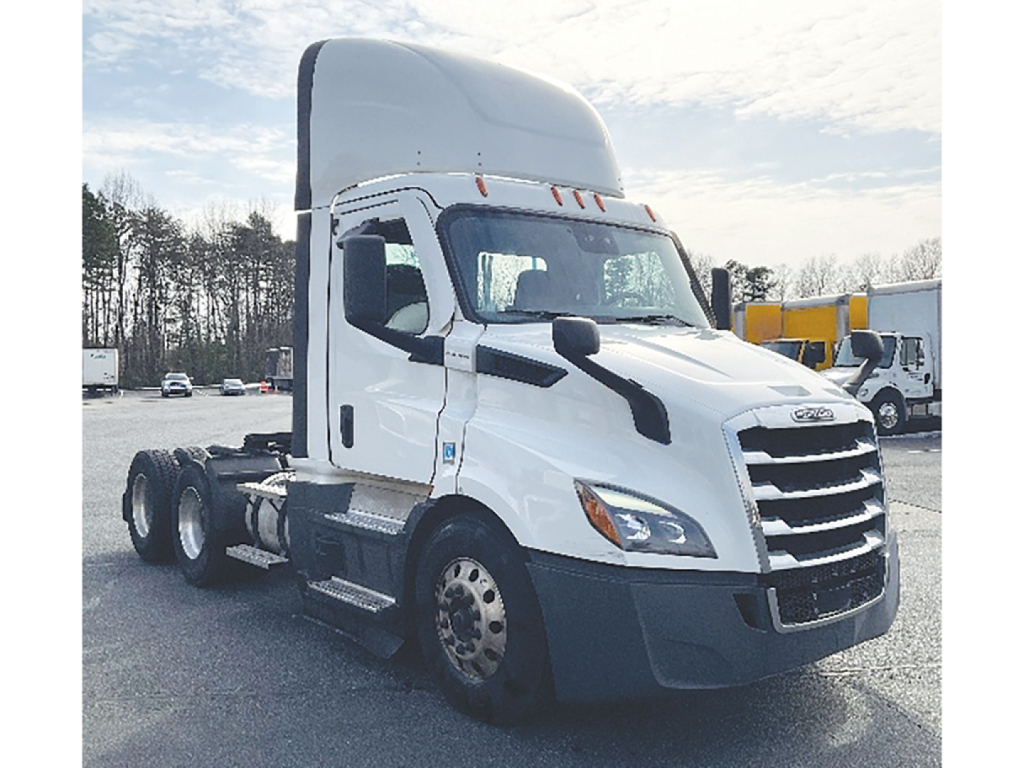
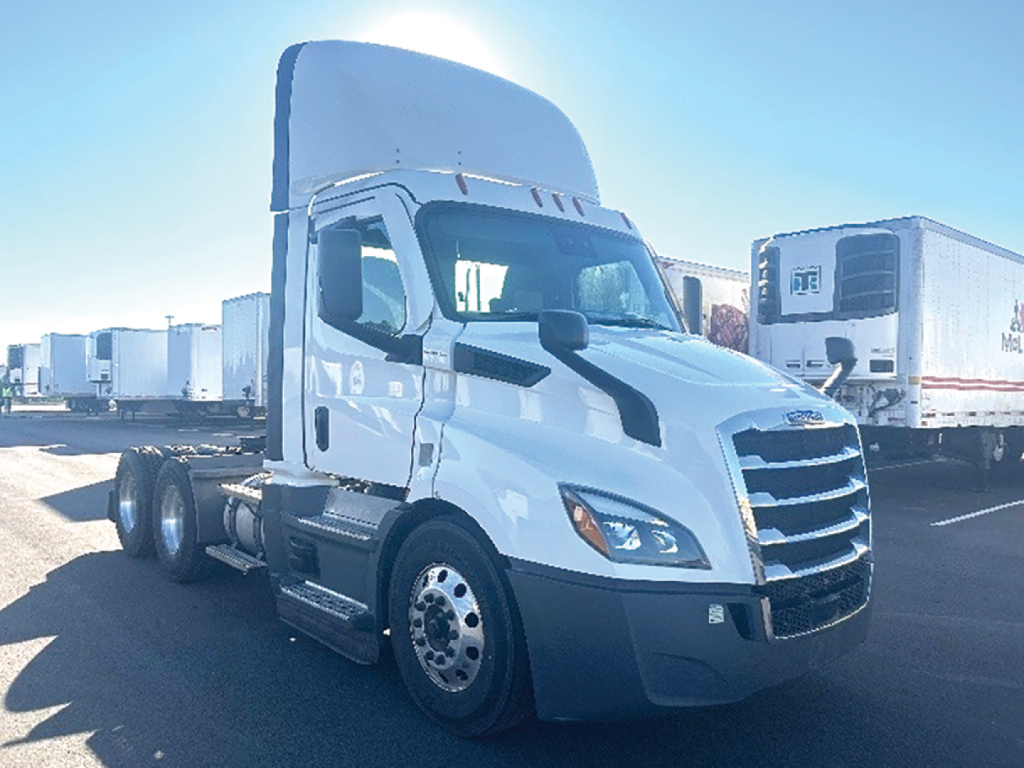
Have 2022 freightliner conventional daycab truck to sell? List it here to reach thousands of buyers.
About 2022 Freightliner Conventional Daycab Trucks in North Carolina
The core spec decisions usually start with engine, transmission, axle ratio, and wheelbase. A 2022 Freightliner daycab commonly carries a Detroit DD13 in the 435 to 450 horsepower range, often paired with a DT12 automated manual transmission. That setup fits regional haul and general van, reefer, tanker, and flatbed work where fuel economy matters as much as pull. Many trucks in this class run 40,000 lb rear axles with air ride suspension and ratios such as 2.85 or 3.08, which can make a noticeable difference in cruise rpm, launch feel, and grade performance. Wheelbase is another practical checkpoint. A mid-170-inch wheelbase is common on daycabs because it balances turning radius with frame space for tanks, battery box placement, and fifth wheel travel.
A buyer should also pay attention to brake and cab spec, not just drivetrain. Disc brakes are increasingly common on newer Freightliner conventionals and can improve stopping consistency and serviceability in high-cycle regional use. Air slide fifth wheels give flexibility if trailer sets vary, and fairings, cab extenders, quarter fenders, and horizontal exhaust all matter depending on trailer type and route profile. Inside the cab, the best 2022 specs typically include tilt and telescoping steering, cruise control, power windows, air conditioning, and integrated collision mitigation systems. Those features are not cosmetic on a daycab. They affect driver retention, fatigue, uptime, and insurance conversations.
In North Carolina, a 2022 Freightliner daycab makes sense for freight moving through Charlotte, Greensboro, Raleigh, Wilmington, and the broader Southeast. Regional carriers often want a truck that can handle interstate speeds, distribution center traffic, and frequent stops without the extra weight and cost of a sleeper. When comparing listings, check emissions history, idle hours versus road miles, fifth wheel position, front axle capacity, and maintenance records for the Detroit powertrain and aftertreatment system. A well-matched conventional daycab should fit the trailer type, average gross weight, and route density first. If those three points line up, the Cascadia daycab is usually a very efficient ownership proposition.
Frequently Asked Questions
What is a 2022 Freightliner conventional daycab best used for?
A 2022 Freightliner conventional daycab is best suited for regional hauling, local and short-haul freight, drayage, dedicated contract routes, and terminal-to-terminal operations. It delivers Class 8 capability without a sleeper, which reduces weight, shortens overall length, and improves maneuverability. That makes it a strong fit for fleets that need highway performance but do not require overnight accommodations for the driver.
What engine and transmission are common in a 2022 Freightliner daycab?
Many 2022 Freightliner conventional daycabs are equipped with a Detroit DD13 engine rated around 450 horsepower and paired with a DT12 automated manual transmission. This combination is common because it offers a good balance of fuel economy, drivability, and broad service support. Buyers should still confirm the exact horsepower, torque rating, rear axle ratio, and software calibration because those details affect startability, cruise rpm, and total application fit.
How important are axle ratio and wheelbase on a Freightliner daycab?
Axle ratio and wheelbase are two of the most important spec points on a daycab tractor. A taller ratio such as 2.85 can favor lower engine speed and fuel economy at highway pace, while a 3.08 or deeper ratio may better support heavier starts or more demanding route profiles. Wheelbase affects turning radius, bridge law flexibility, trailer swing clearance, and the amount of frame space available for fuel tanks and fifth wheel adjustment.
Are 2022 Freightliner Cascadia daycabs good for fuel economy?
Yes, a properly spec'd 2022 Freightliner Cascadia daycab is generally considered a fuel-efficient regional tractor. Aerodynamic bodywork, integrated fairings, Detroit powertrain pairing, and automated transmission programming all contribute to lower fuel consumption. Actual performance depends on trailer type, speed, payload, idle time, terrain, and axle ratio, so buyers should compare the truck's intended duty cycle against its current specification.
What should buyers inspect on a used 2022 Freightliner conventional daycab?
Buyers should inspect the service history, engine hours, aftertreatment maintenance, transmission operation, suspension condition, brake wear, and tire pattern across all positions. It is also smart to verify collision mitigation and other driver-assist systems are functioning correctly, and to confirm the fifth wheel setup matches the trailers being pulled. On a regional daycab, signs of high idle time, uneven tire wear, or deferred emissions maintenance can be more important than odometer miles alone.