
2022 Freightliner Conventional Daycab Trucks For Sale
Shop 2022 Freightliner conventional daycab trucks with specs for regional haul, local delivery, port work, and vocational tractor applications.
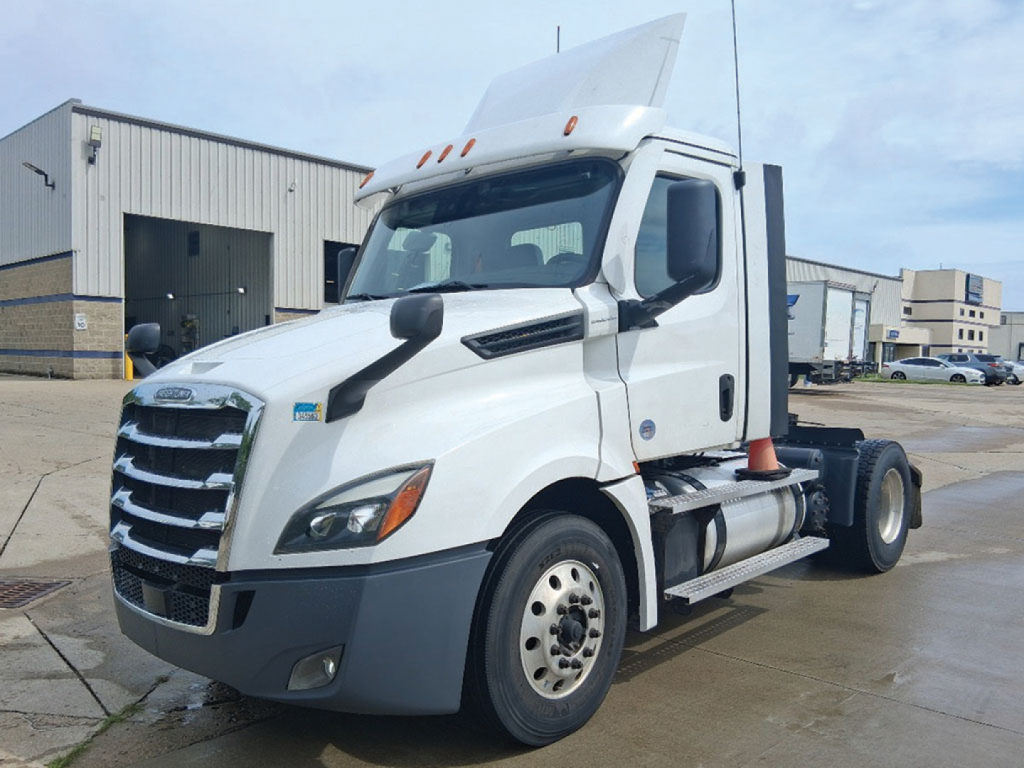
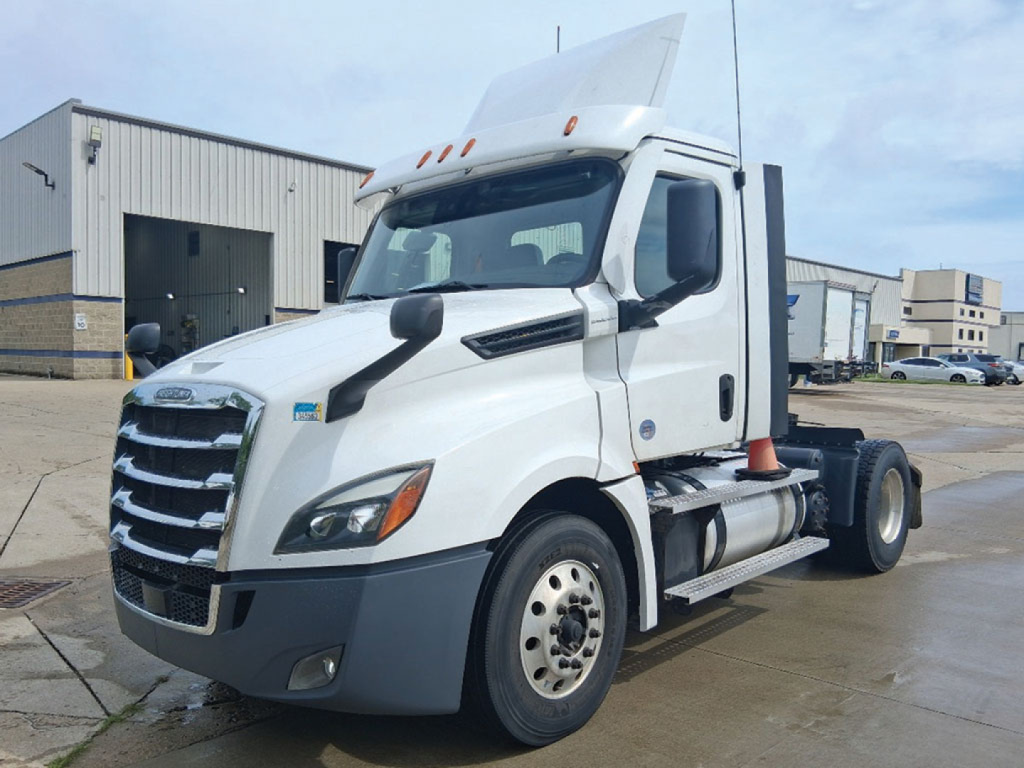
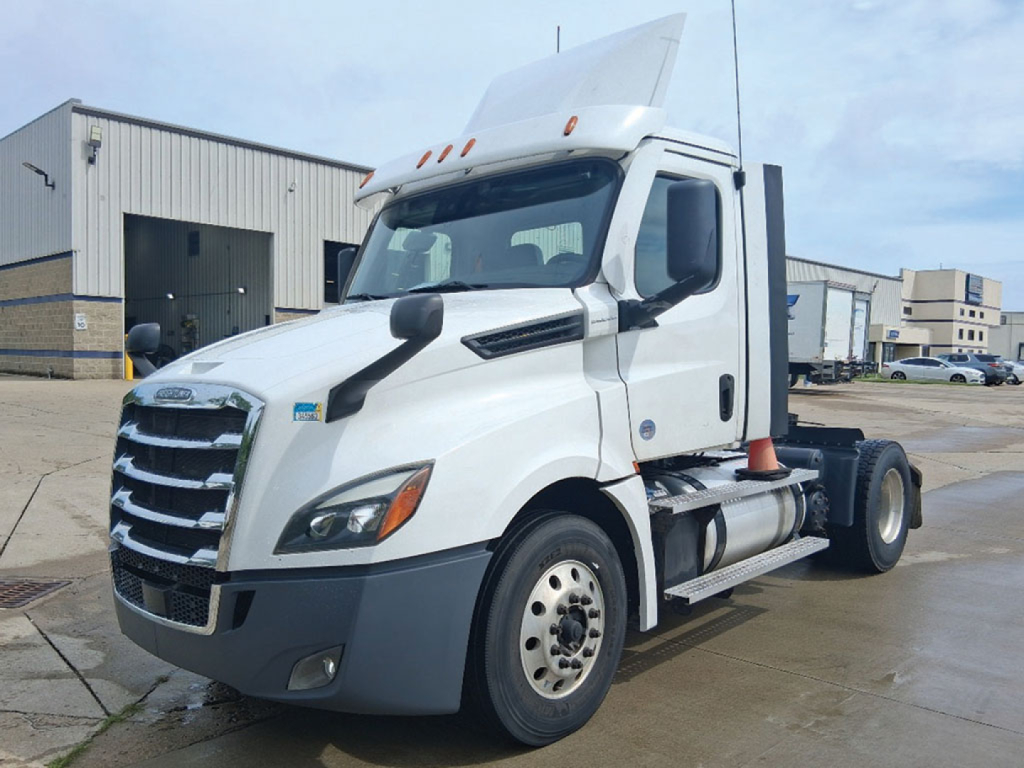
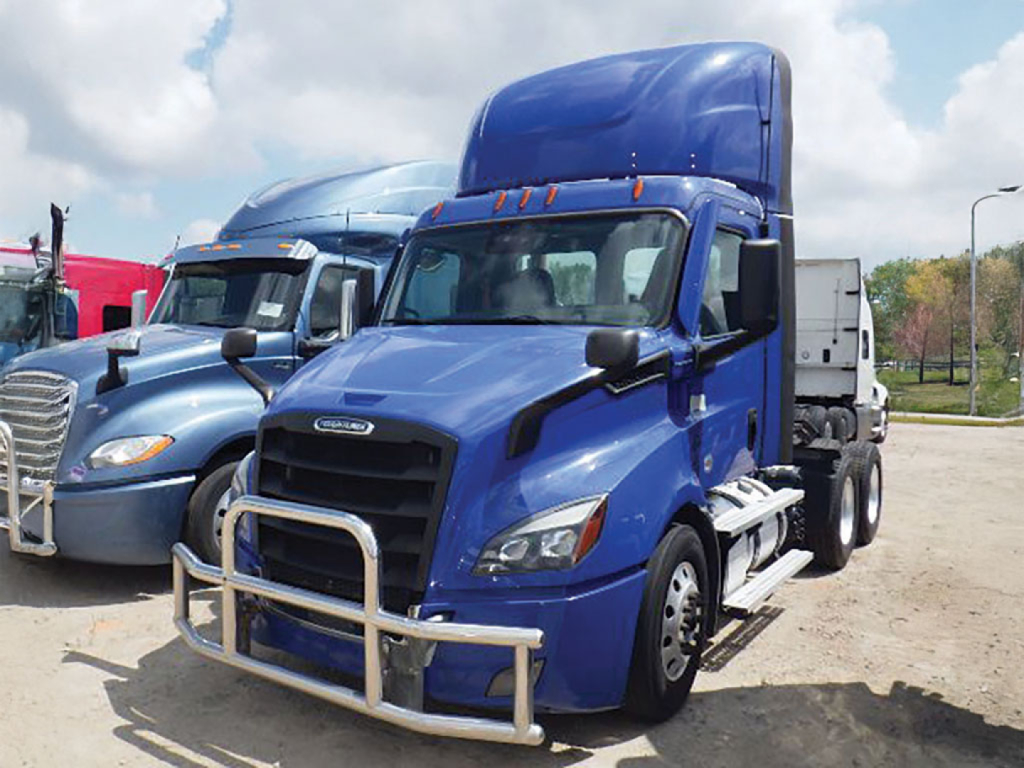
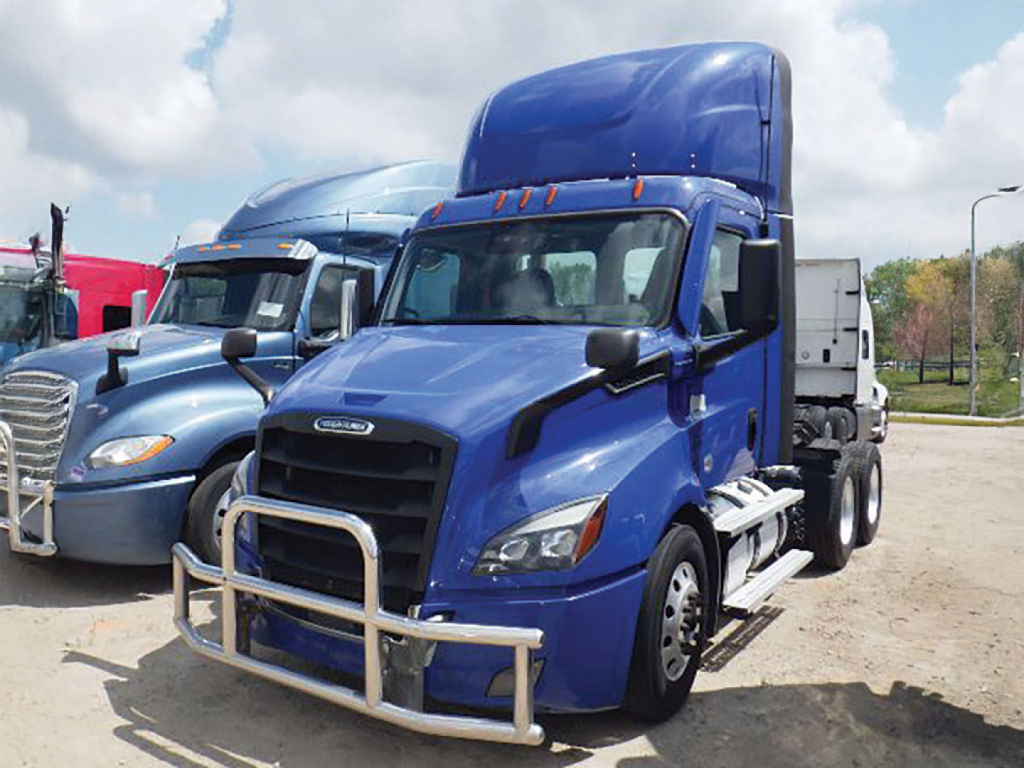
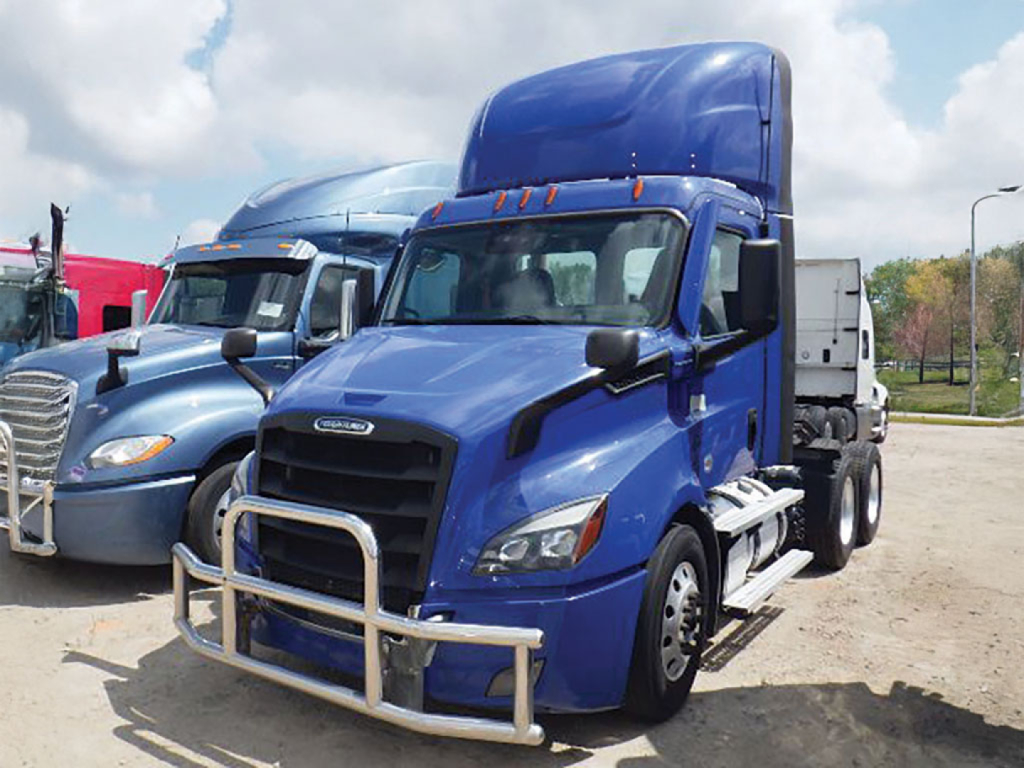
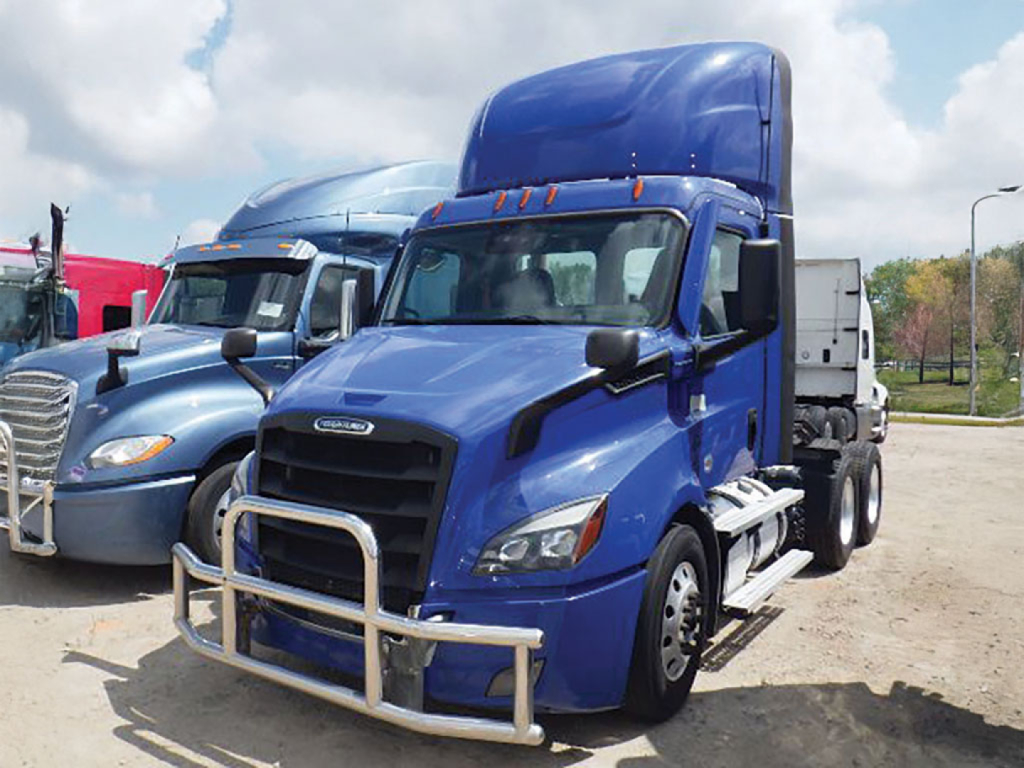

Have 2022 freightliner conventional daycab truck to sell? List it here to reach thousands of buyers.
2022 Freightliner Conventional Daycab Trucks
Powertrain choice is one of the first decisions that separates a good spec from an expensive compromise. Many 2022 Freightliner daycabs are equipped with Detroit DD13 or DD15 engines paired with a DT12 automated manual or a 10-speed or 12-speed manual transmission. DD13 specs are common in weight-conscious regional applications, while DD15 setups are often preferred for heavier gross weights, higher average highway speeds, or operations that value stronger torque reserves. Rear axle ratings commonly range from 23,000 to 40,000 pounds depending on intended use, and ratios such as 2.64, 2.85, 3.08, or 3.42 can materially affect startability, cruising rpm, and fuel economy. Buyers should match axle ratio, tire size, and transmission gearing to the actual duty cycle, not just the advertised horsepower.
Chassis details matter just as much as the engine badge. Wheelbase, cab-to-axle, and fifth wheel position determine trailer swing clearance, bridge law flexibility, and how well the truck fits a specific trailer fleet. A shorter single-axle daycab may be ideal for city P&D or container work, while tandem-axle tractors with AirLiner suspension, locking differentials, and sliding fifth wheels are better suited for heavier regional freight. Brake spec is another important checkpoint in 2022 trucks, with many buyers comparing drum versus air disc brakes based on maintenance practices, stopping performance, and parts cost. It is also smart to verify frame configuration, PTO provisions if needed, fuel capacity on both sides, fairing package, and tire size, since these details directly affect payload, serviceability, and operating range.
Because 2022 models are newer emissions-era trucks, aftertreatment health is a major buying consideration. Review fault history, idle hours, ECM hours, and maintenance records for the DPF, DOC, SCR, and DEF system before making a decision. A clean-looking daycab can still become costly if it has chronic derate history, excessive idle time, or neglected aftertreatment service. Buyers also tend to evaluate collision mitigation systems, lane departure features, camera readiness, and telematics compatibility, since these systems became more common in late-model Freightliner trucks. The best 2022 Freightliner conventional daycab is the one with a spec that fits the route, trailer, and gross weight profile while keeping emissions, driveline, and chassis maintenance predictable.
Frequently Asked Questions about 2022 Freightliner Conventional Daycab Trucks
What engine is most common in a 2022 Freightliner conventional daycab?
The most common engines in a 2022 Freightliner conventional daycab are the Detroit DD13 and Detroit DD15. The DD13 is often selected for regional and local applications where fuel economy and lower operating weight are priorities. The DD15 is more common in heavier or higher-speed applications where extra torque and pulling power are valuable. The right choice depends on gross combination weight, terrain, average trip length, and how often the truck starts and stops during the day.
Is a 2022 Freightliner daycab better for local or regional work?
A 2022 Freightliner daycab is typically best suited for local and regional work, but the exact fit depends on wheelbase, axle rating, fuel capacity, and drivetrain spec. Daycabs are especially effective in operations with multiple daily stops, drop-and-hook schedules, terminal work, port drayage, and short overnight lanes where a sleeper is unnecessary. A properly spec'd tandem-axle daycab can still handle demanding regional freight, but buyers should confirm that the suspension, axle ratio, and fifth wheel setup match the trailer and payload requirements.
What should I check on a used 2022 Freightliner daycab before buying?
Focus on aftertreatment condition, ECM data, service records, and chassis spec. Check for active or inactive fault codes, DEF and SCR system history, DPF service intervals, engine hours versus odometer miles, and signs of prolonged idle time. On the chassis side, verify wheelbase, cab-to-axle measurement, rear axle rating, brake type, suspension, and fifth wheel travel. It is also important to inspect tire wear patterns, frame condition, alignment history, and any signs that the truck was operated consistently above its intended duty cycle.
Are DT12 automated transmissions common in 2022 Freightliner daycabs?
Yes, the Detroit DT12 automated manual transmission is common in late-model Freightliner daycabs, including many 2022 units. It is popular in fleet service because it can improve shift consistency, reduce clutch-related driver abuse, and support fuel economy goals when paired correctly with the engine and axle ratio. Buyers should still review service history, clutch calibration records, and software updates, especially in trucks that have seen high stop-and-go use or multiple drivers.
What axle ratio works best in a Freightliner daycab?
There is no single best axle ratio for every Freightliner daycab because the correct ratio depends on application. Lower numerical ratios such as 2.64 or 2.85 are often chosen for fuel-efficient highway and regional use. Mid-range ratios like 3.08 or 3.23 can offer a balanced mix of startability and cruise efficiency. Higher numerical ratios such as 3.42 and above are better suited to heavy loads, tougher starts, and vocational or severe-service conditions. The ratio should always be evaluated with the transmission, tire size, and average gross weight in mind.