
2022 Rollback Trucks For Sale
Shop 2022 rollback trucks with low-profile decks, wheel lifts, winches, and medium-duty chassis suited for towing and vehicle transport.
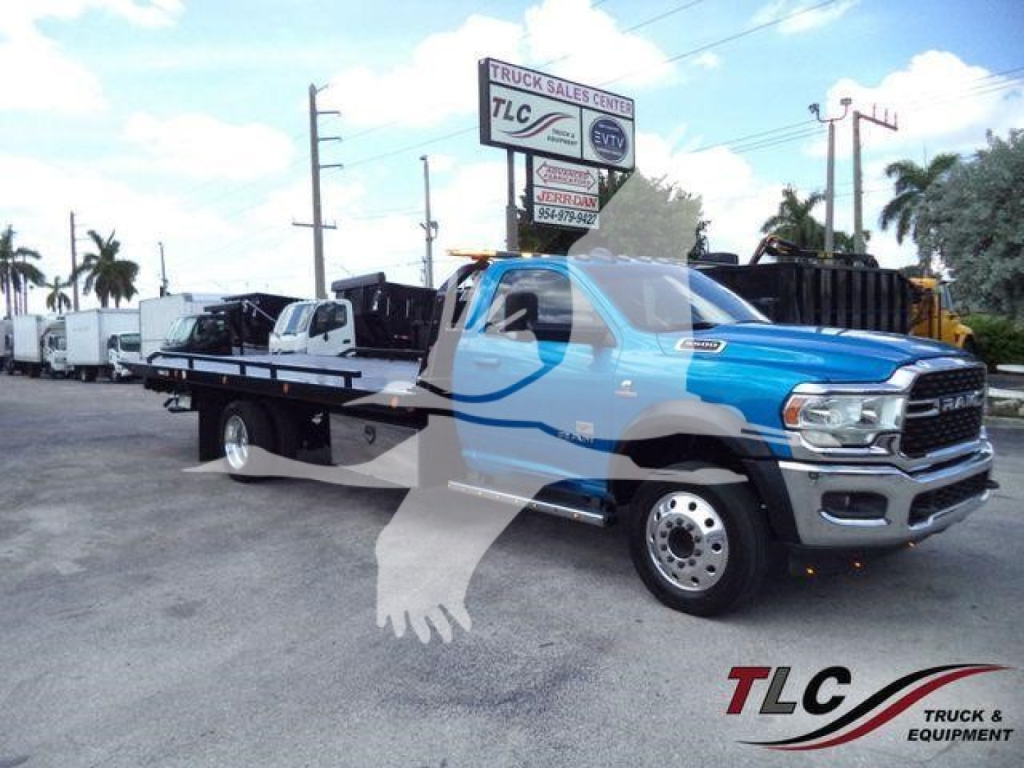
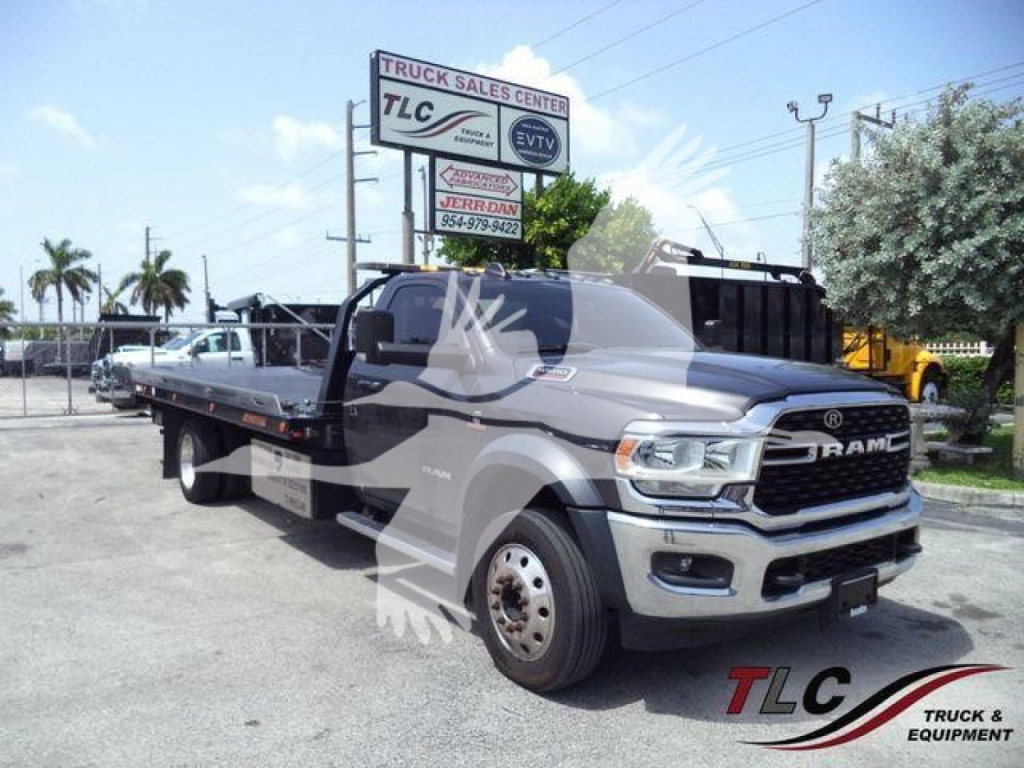
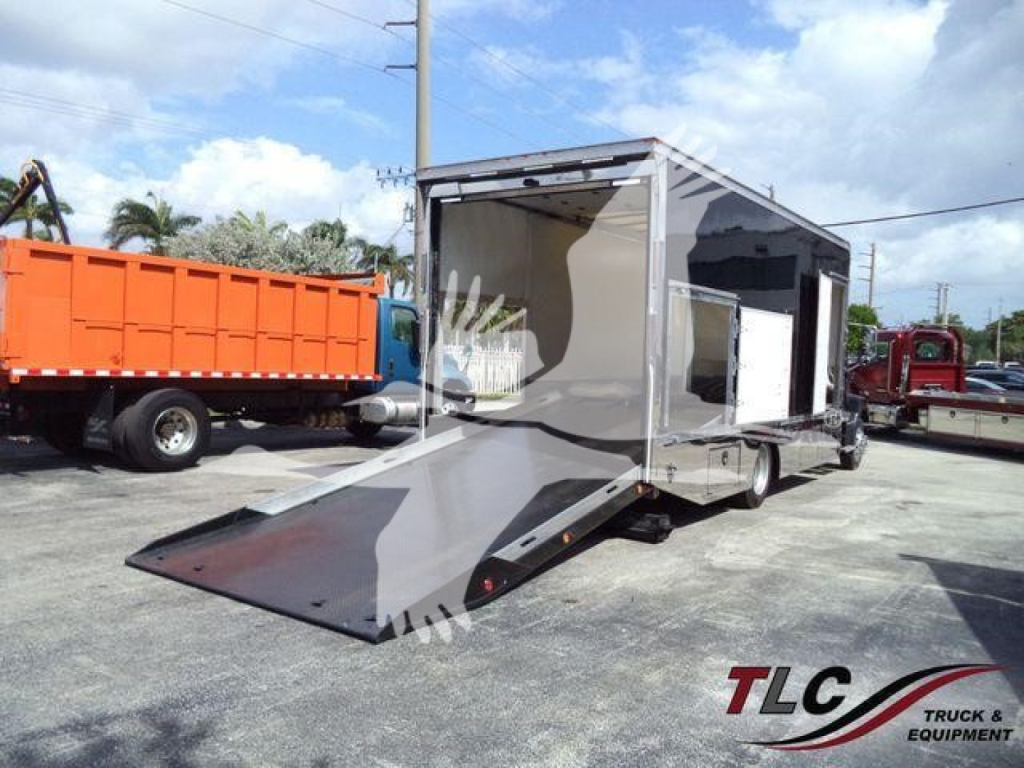
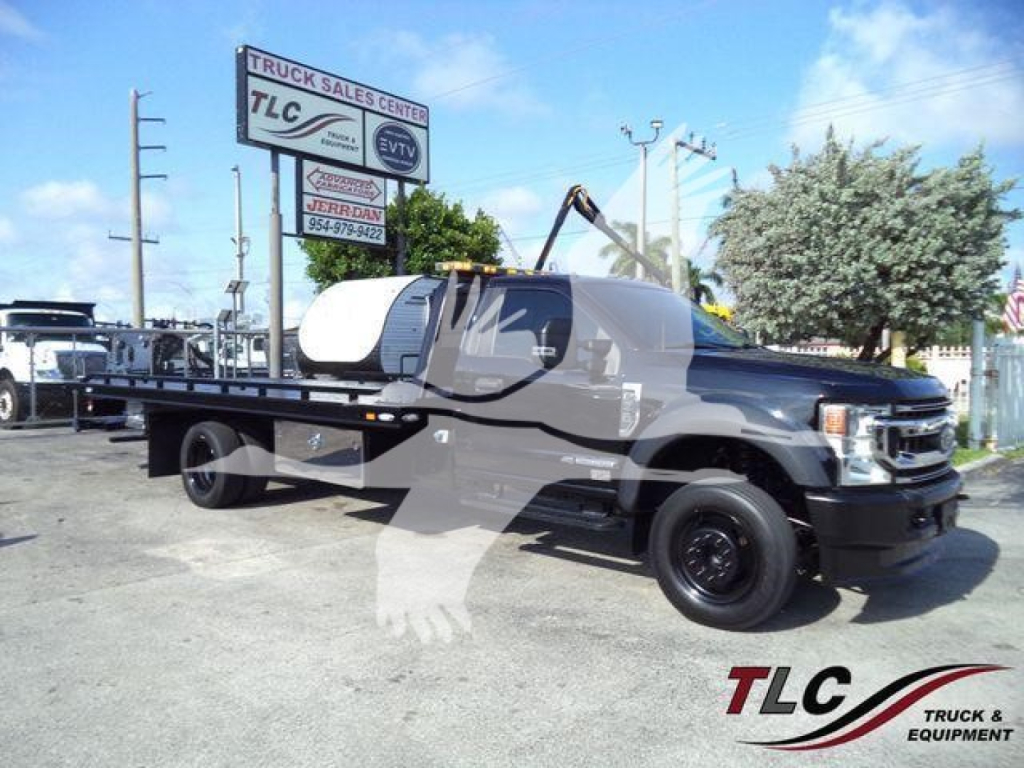
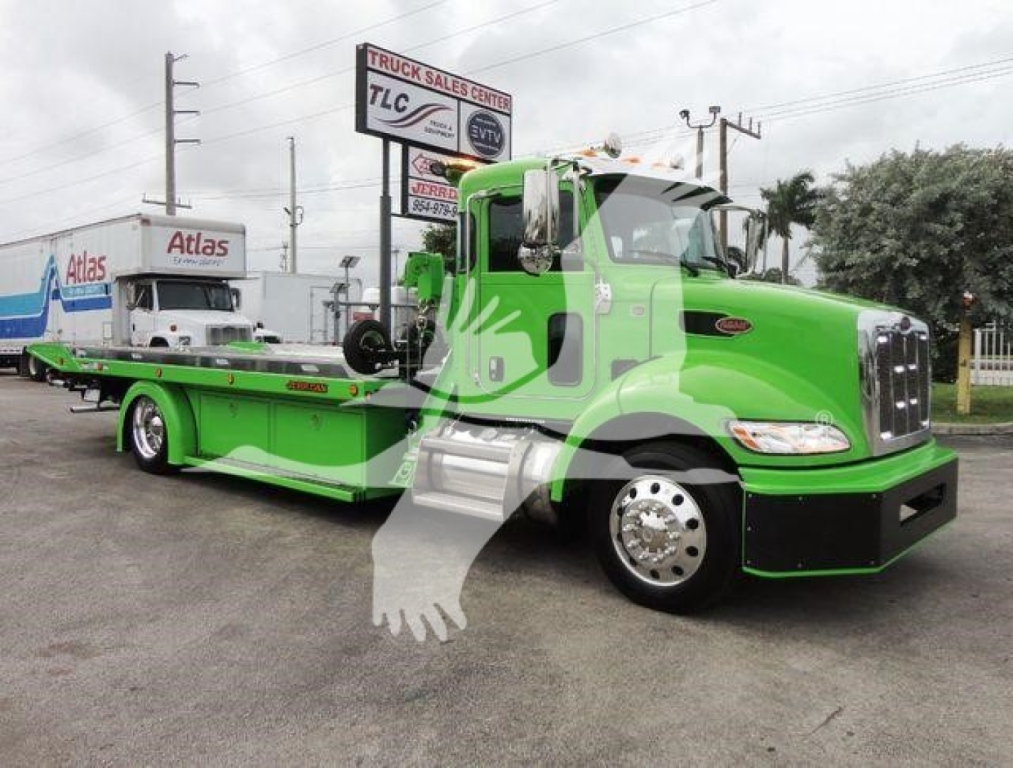
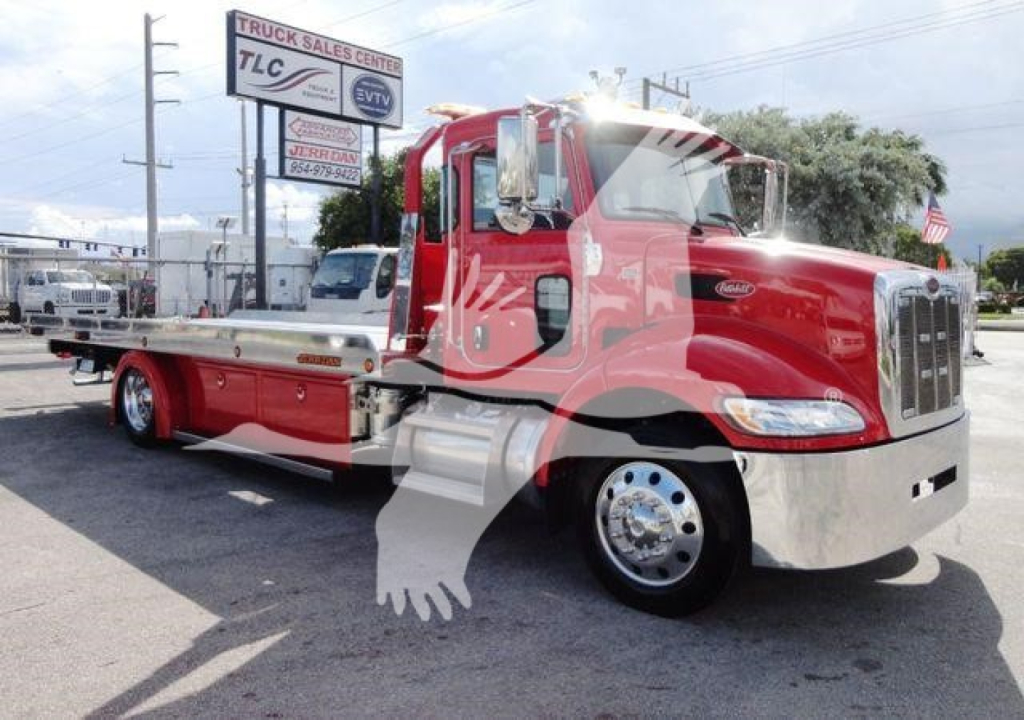
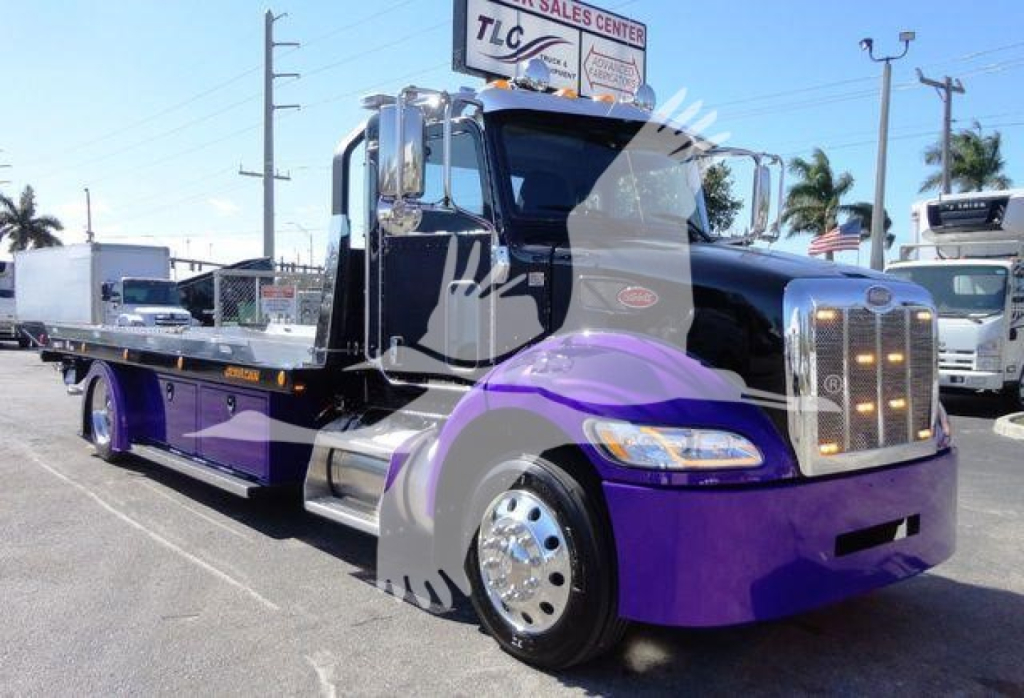
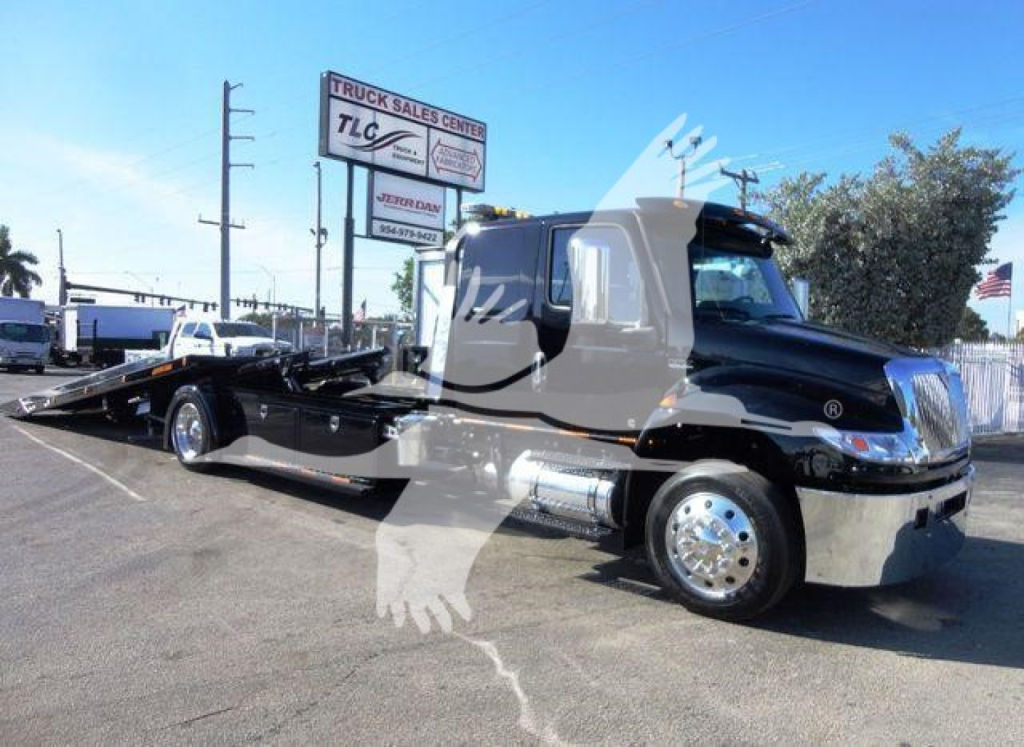
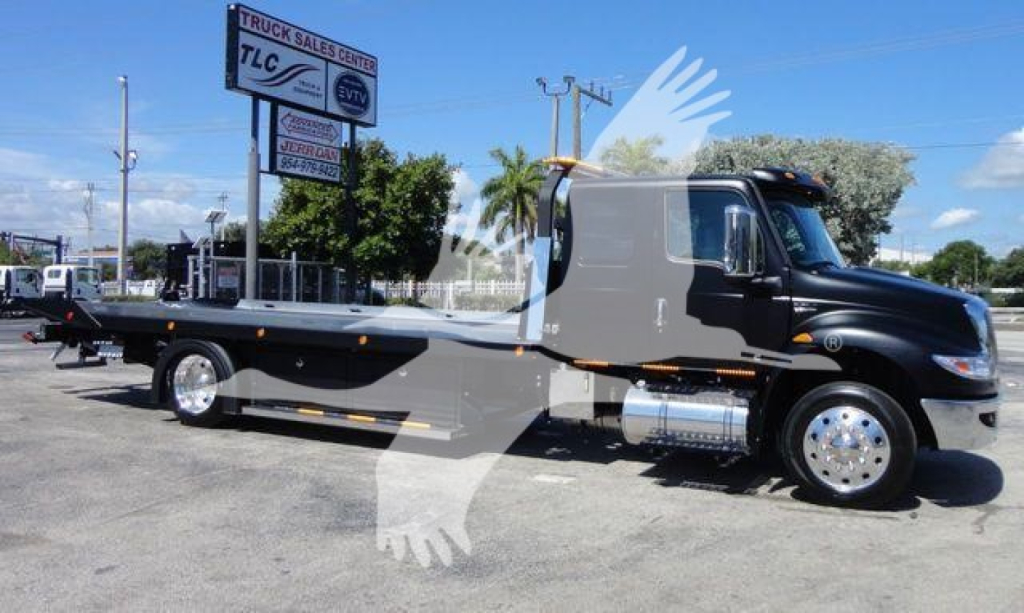
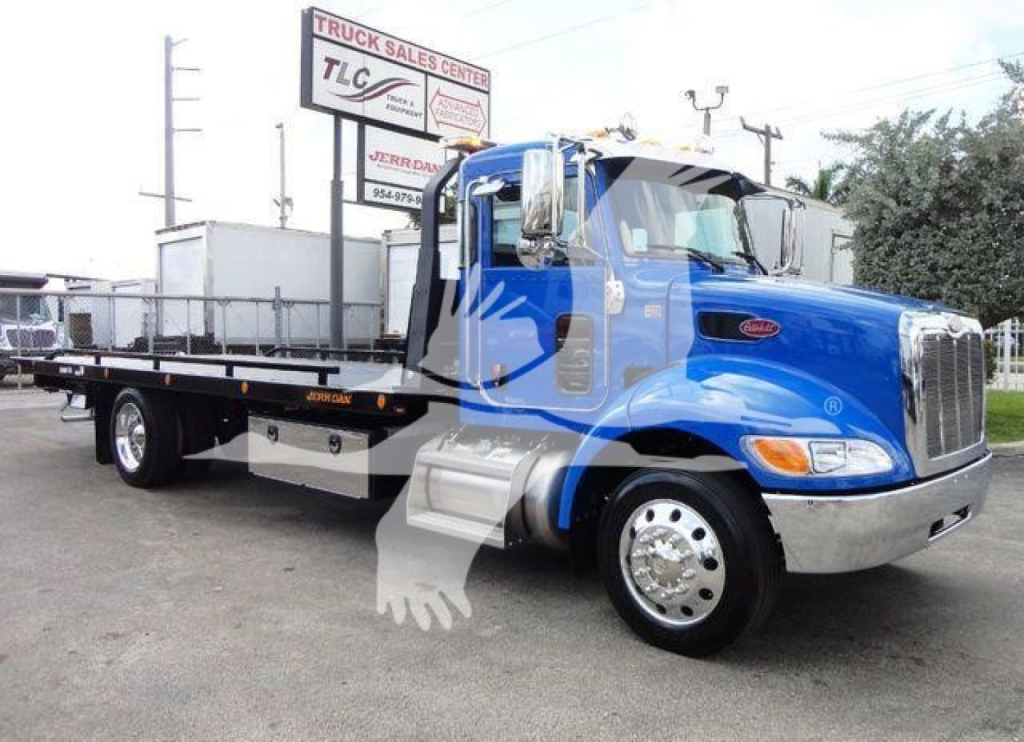
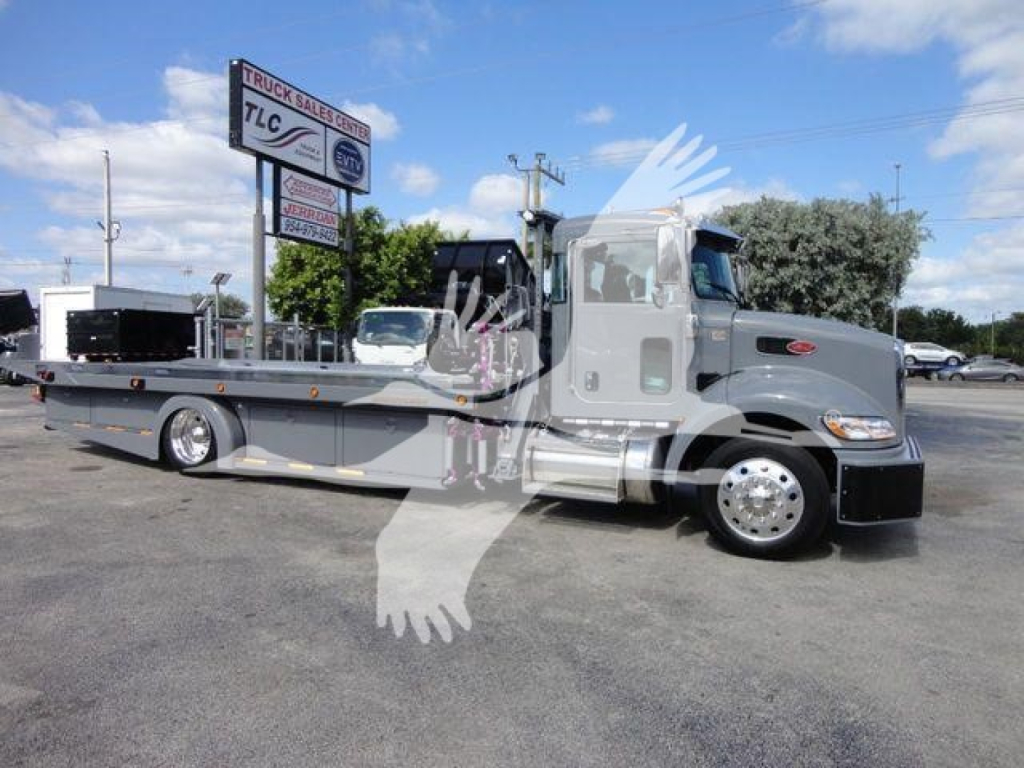
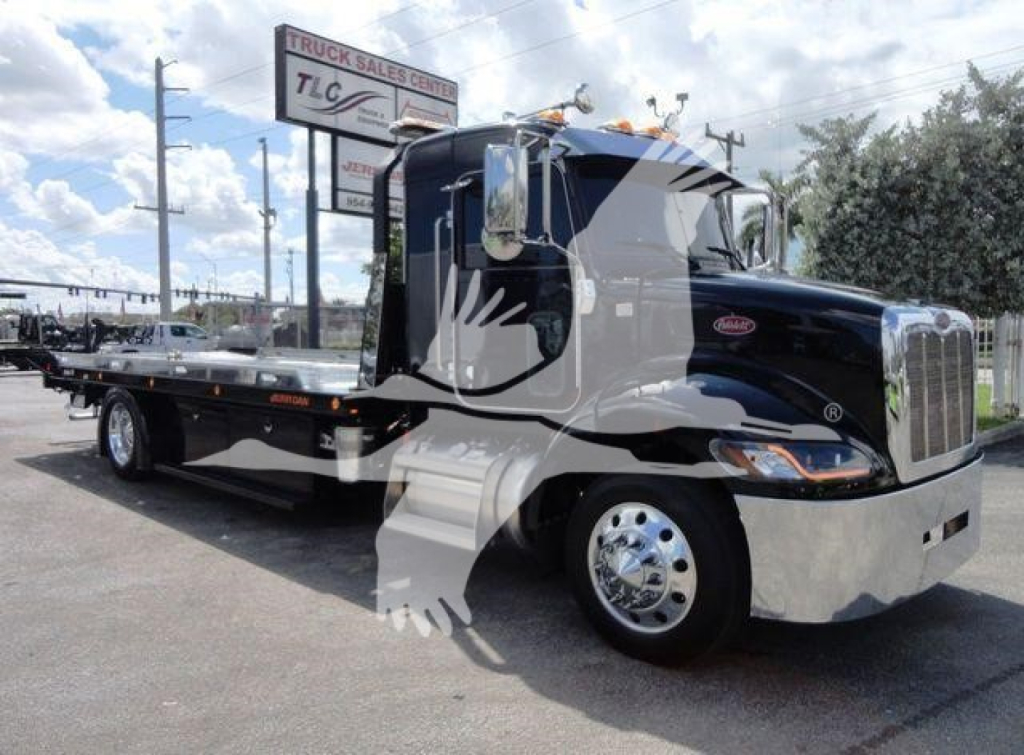
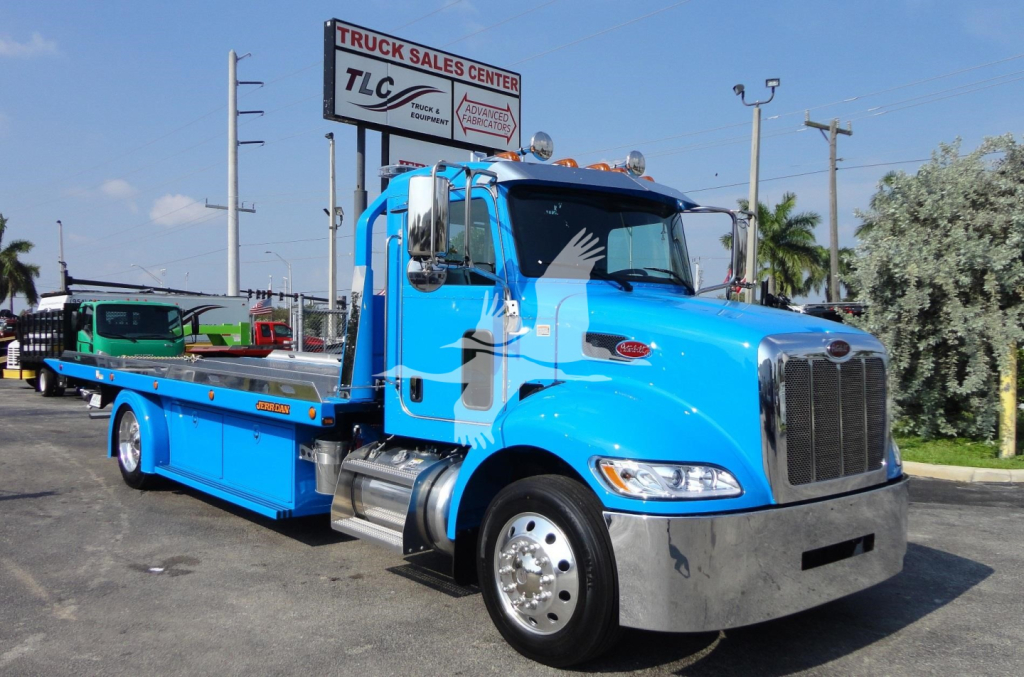
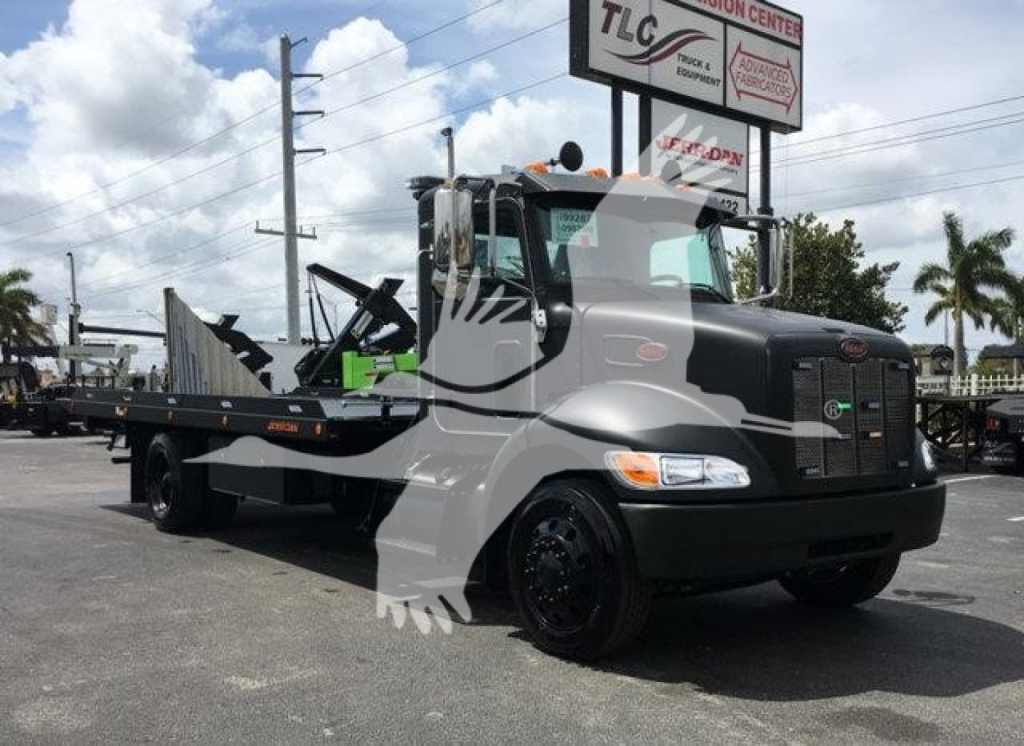
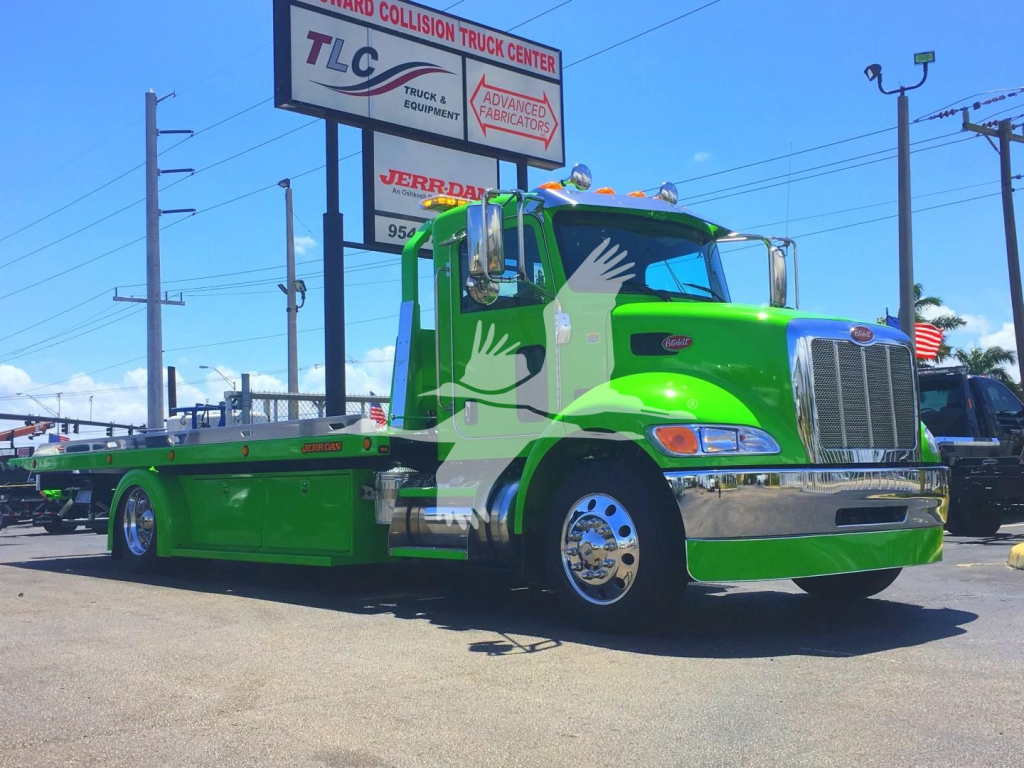
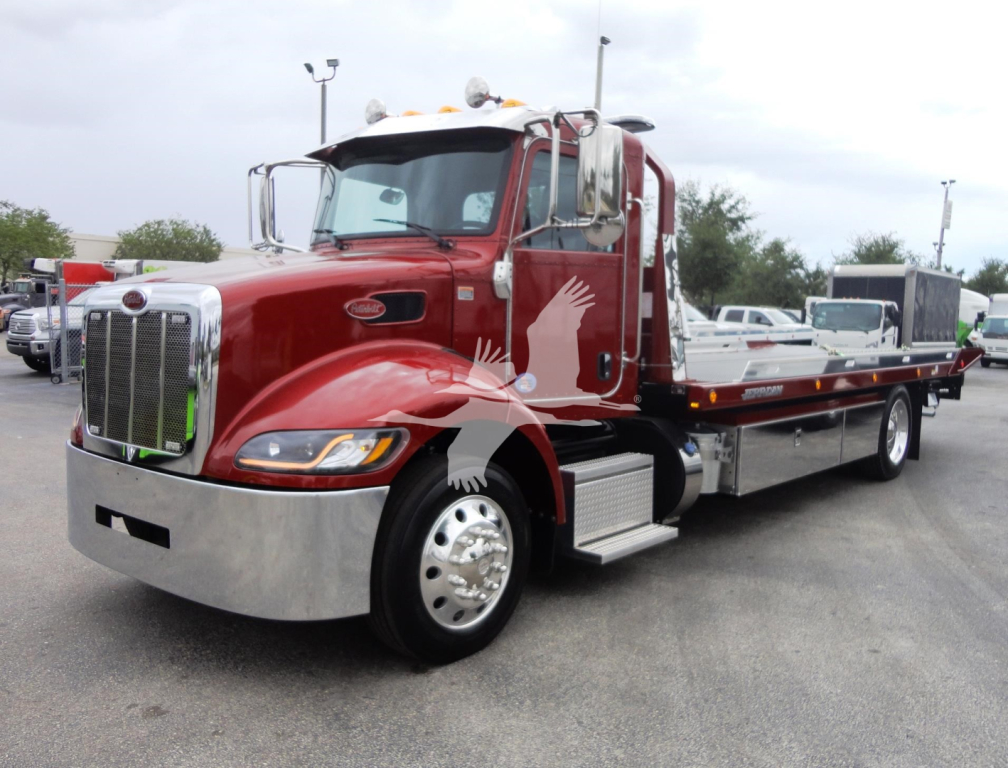
Showing 1 to 28 of 36 results
Selling a 2022 rollback truck? List your 2022 rollback truck for sale and reach thousands of commercial buyers.
2022 Rollback Trucks
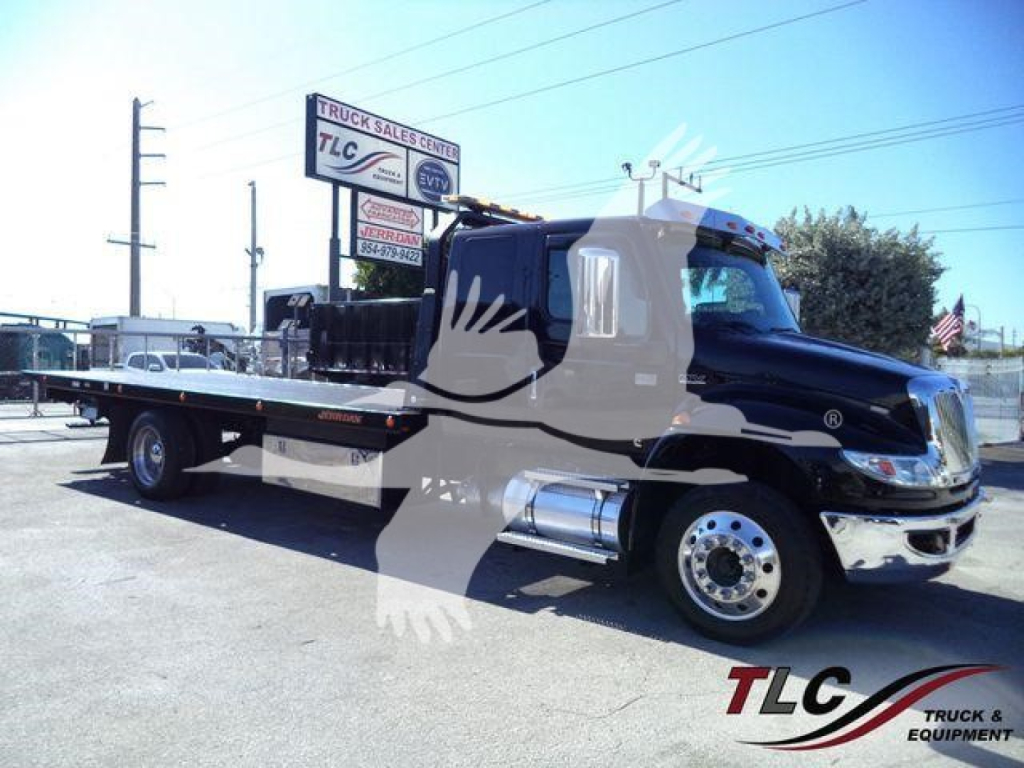
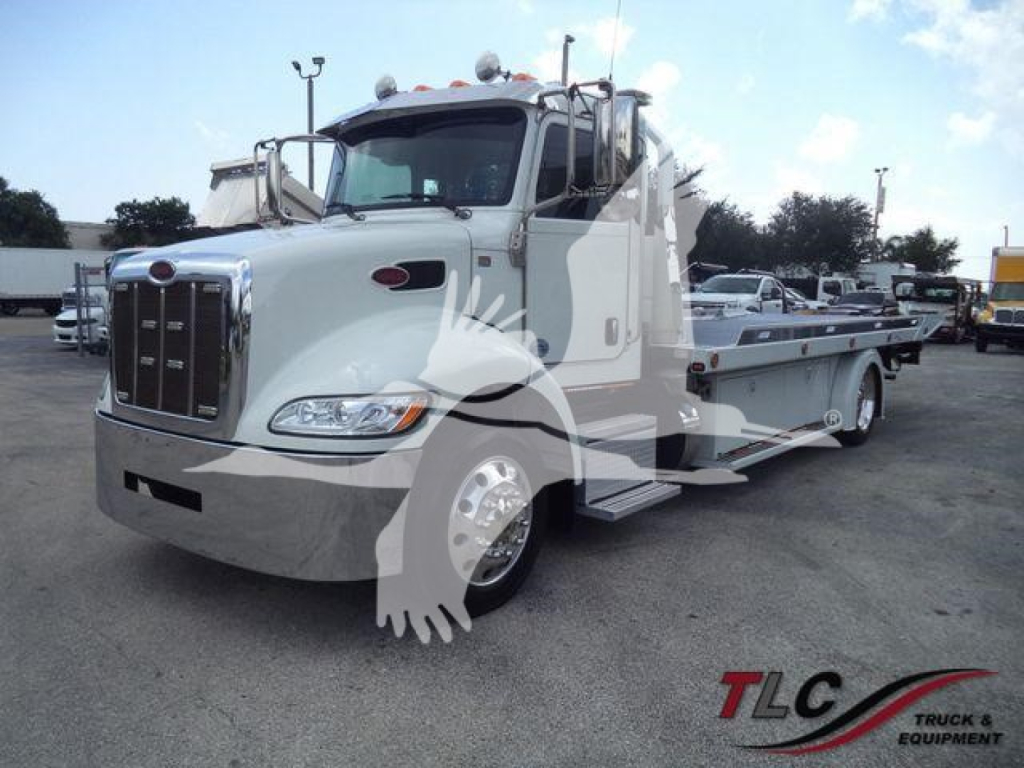
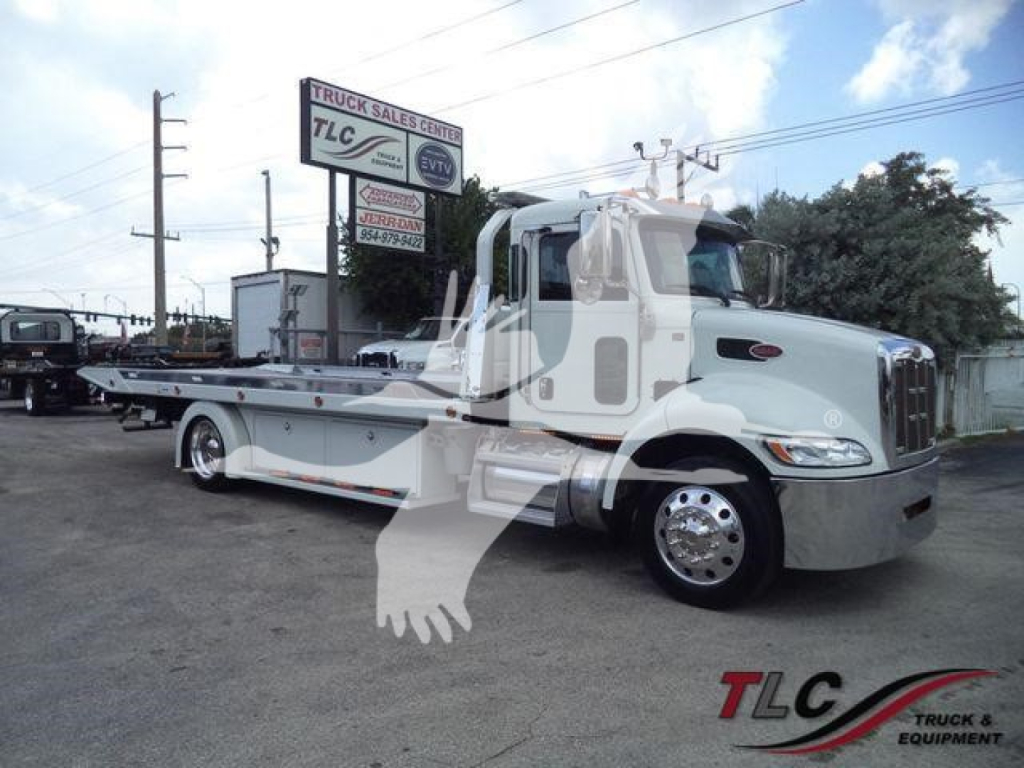
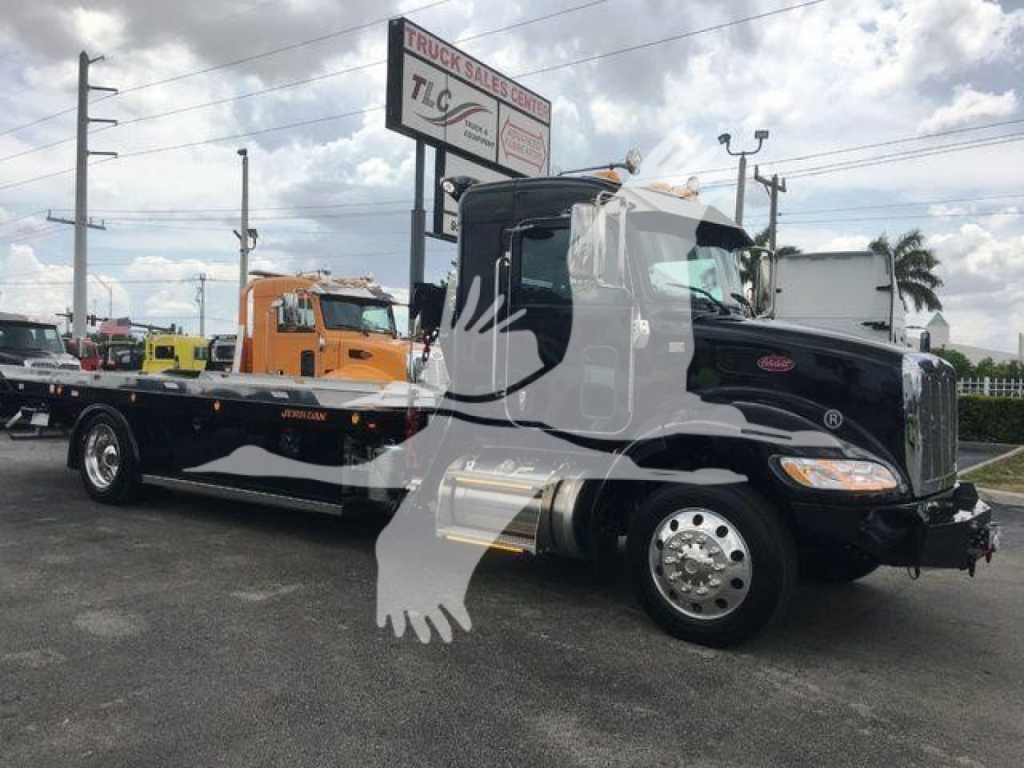
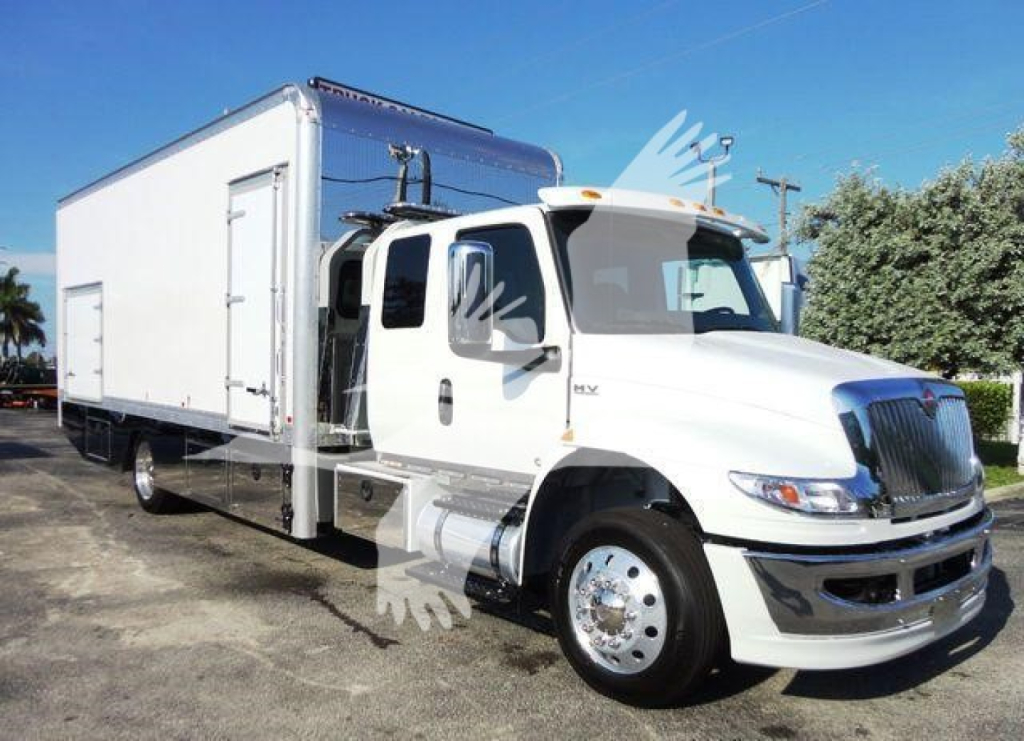
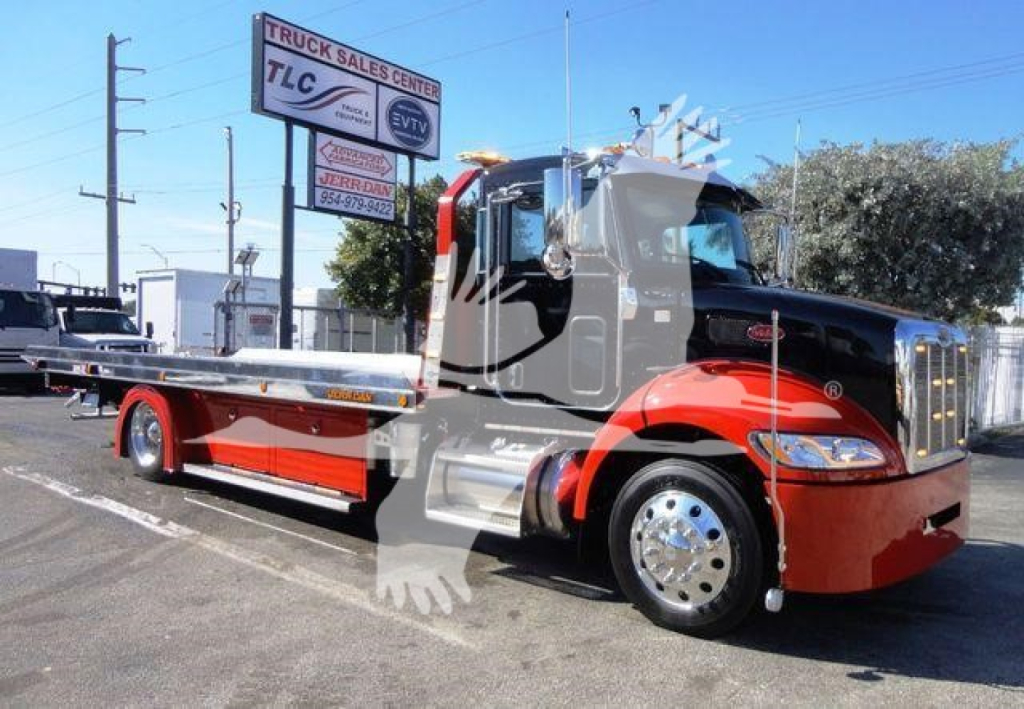
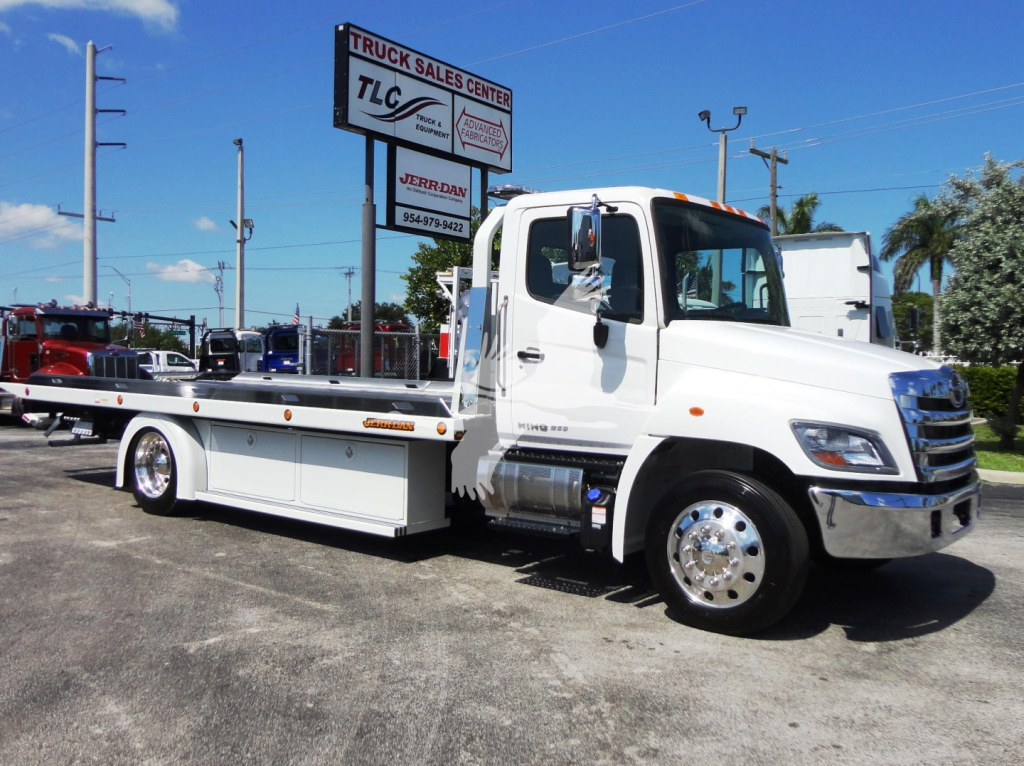
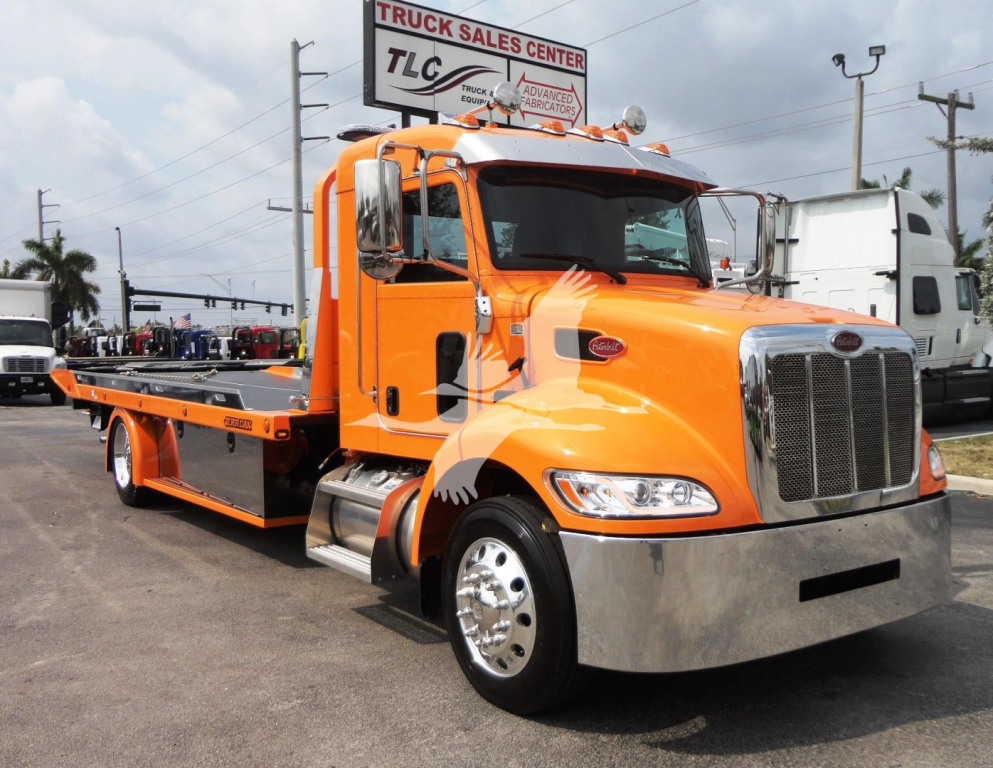
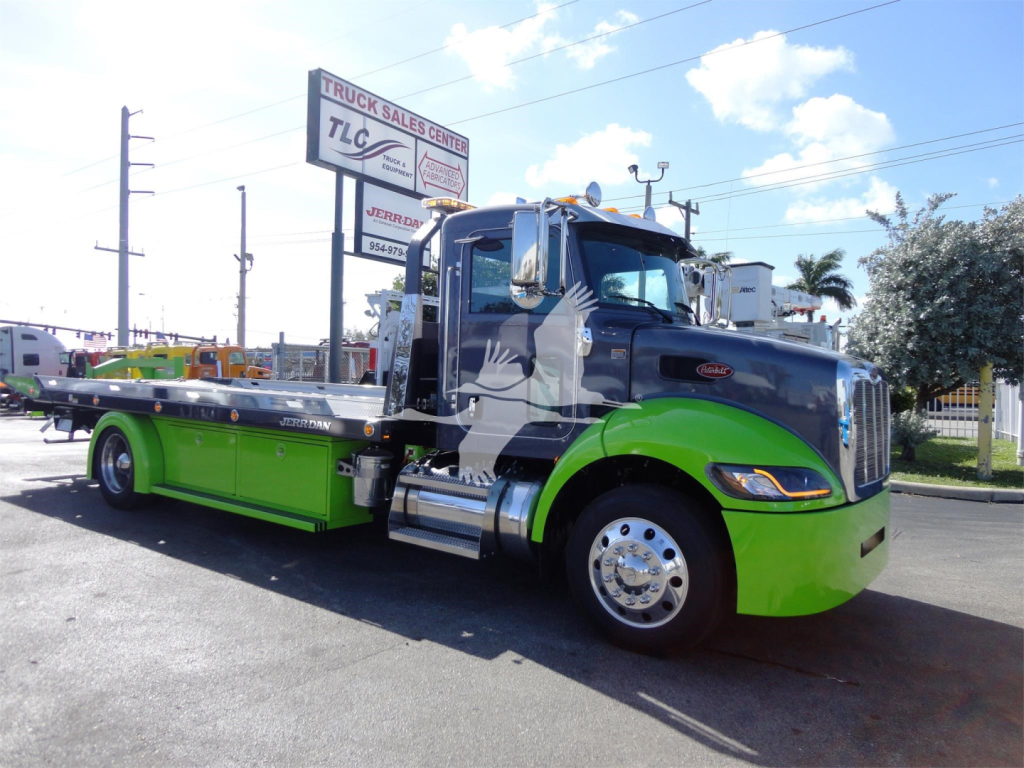
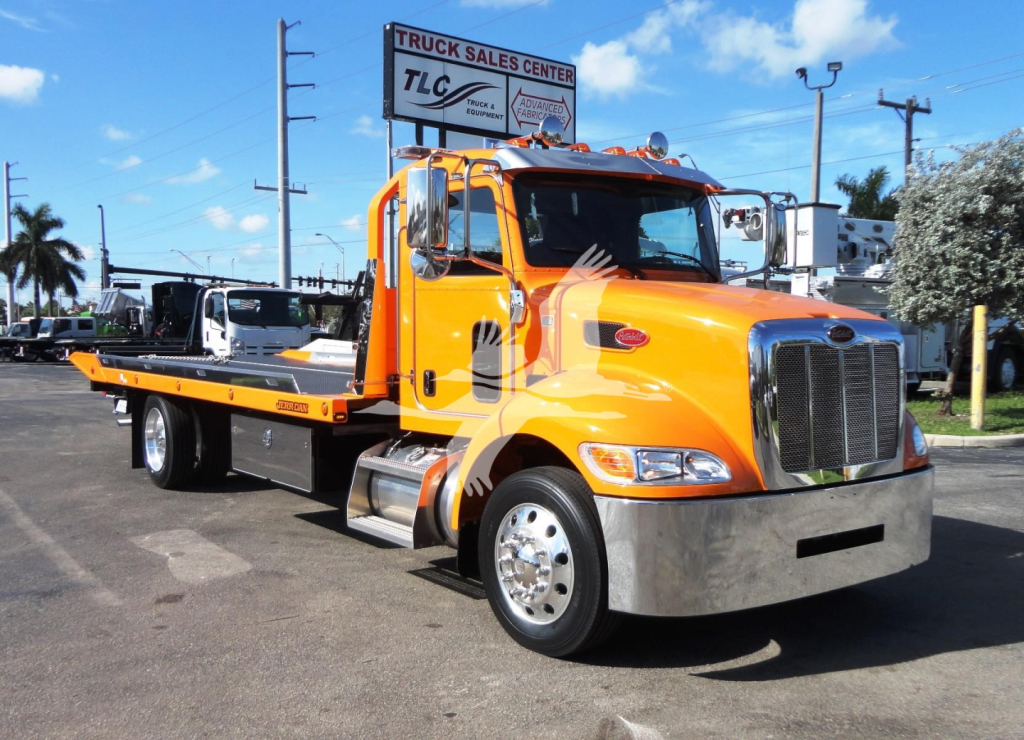
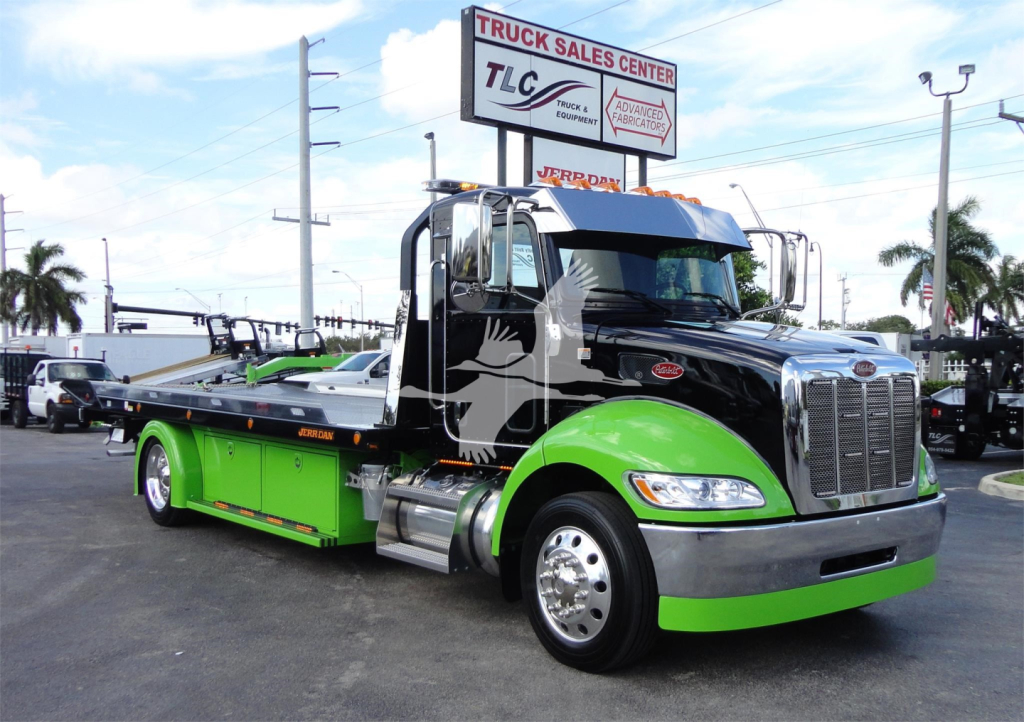
On 2022 models, buyers will usually see medium-duty chassis from Ford, Chevrolet, International, Hino, and similar brands, often paired with diesel engines and automatic transmissions. GVWR commonly falls in the 19,500 to 26,000 pound range for light to medium rollback applications, though heavier industrial carriers can go much higher. Air brakes are common on Class 6 and Class 7 trucks, while some smaller units use hydraulic brakes depending on GVWR and chassis choice. Many buyers prefer an Allison automatic, air ride suspension, aluminum wheels, and a crew cab or extended cab when the truck will double as a daily service vehicle. If the truck will work urban impounds, parking garages, or apartment complexes, overall wheelbase, turning radius, and deck approach angle matter as much as raw rated capacity.
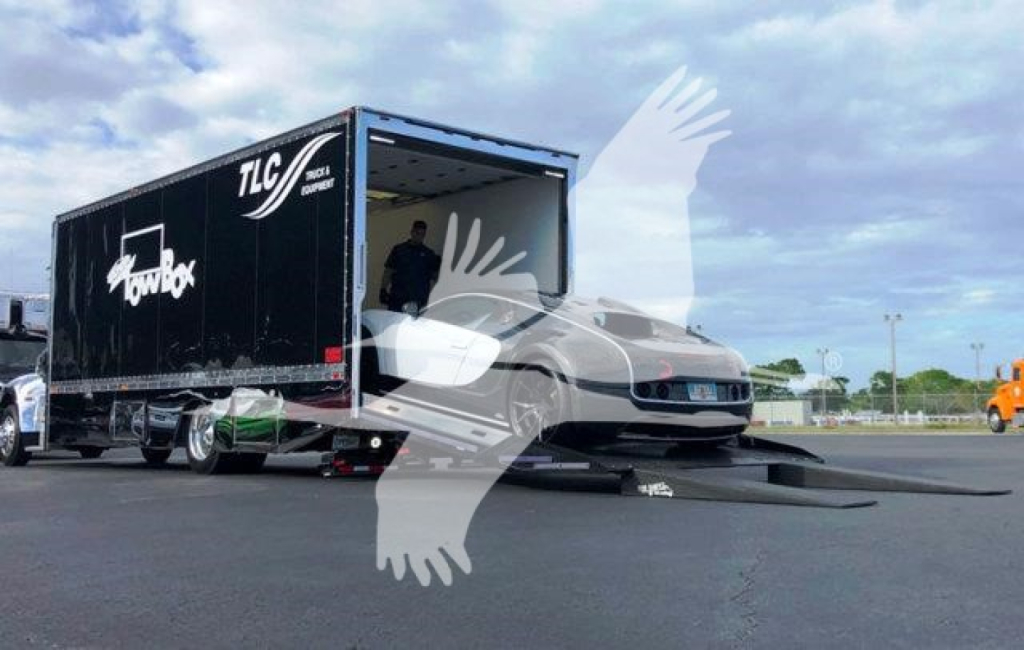
Body equipment is where rollback value really separates. A typical 2022 rollback may include a 6-ton carrier body, a 3,500-pound hydraulic wheel lift, slide winch, L-arms, LED work lighting, strobes, and side toolboxes. Some setups use removable rails, stationary headboards, or right-approach decks to improve loading flexibility. Buyers hauling pickups, vans, or work trucks should pay close attention to wheel lift rating, deck capacity, winch pull, and the structural condition of the subframe and deck floor. A lower deck height helps with sports cars and EVs, but it should be balanced against ground clearance, suspension setup, and expected road conditions. If the truck will see repossession or police rotation work, wireless winch controls, clear lighting layout, and fast-cycle hydraulics can make a noticeable difference in daily productivity.
A 2022 model year often appeals to buyers who want modern emissions equipment, updated cab technology, and newer hydraulics without stepping into the cost of a brand-new unit. Service records still matter. Check PTO operation, hydraulic cylinder performance, winch condition, deck roller wear, bed alignment, corrosion around crossmembers, and signs of overload at the wheel lift or rear structure. On any rollback truck, uptime comes from how well the chassis and carrier body match the intended work. A low-profile 20-foot carrier on a 19,500 GVWR 4x4 chassis serves a very different role than a 21-foot medium-duty deck on a 26,000 GVWR air-brake truck. The right choice depends on the mix of passenger vehicles, SUVs, commercial units, recovery conditions, and local licensing requirements your operation handles every week.
Frequently Asked Questions about 2022 Rollback Trucks
What is the difference between a rollback truck and a wrecker?
A rollback truck uses a tilting, sliding flat deck to load the entire vehicle onto the body, while a wrecker typically lifts one end of the vehicle for towing with the other axle on the ground. Rollbacks are usually preferred for all-wheel-drive vehicles, damaged cars, low-clearance vehicles, and non-runners because they reduce the risk of drivetrain or body damage during transport. Many rollback trucks also include a hydraulic wheel lift, which adds flexibility for light towing tasks.
What deck length is common on a 2022 rollback truck?
Most light and medium-duty 2022 rollback trucks are equipped with decks around 20 to 21 feet long and about 102 inches wide. That size works well for standard passenger vehicles, SUVs, half-ton pickups, and many commercial vans. Heavier industrial carriers can use longer and higher-capacity bodies, but for general towing and vehicle transport, the 20-foot class remains one of the most common configurations.
How important is a low-profile or XLP deck on a rollback?
A low-profile or extra low-profile deck is important if the truck will regularly haul sports cars, luxury vehicles, EVs, or any vehicle with limited ground clearance. These decks improve the load angle and reduce the chance of bumper, fascia, or underbody contact. For mixed-use towing, a low-profile deck can expand the range of vehicles the truck can handle, but buyers should still consider deck strength, wheelbase, and ride height to make sure the truck matches local roads and recovery conditions.
What should buyers inspect on a used 2022 rollback truck?
Buyers should inspect both the chassis and the carrier body. On the truck side, review engine and transmission service history, brake type, suspension condition, tire wear, and any fault codes. On the rollback body, check hydraulic cylinders, PTO engagement, winch function, cable or synthetic line condition, deck rollers, slide rails, crossmembers, lighting, wheel lift operation, and toolboxes. Pay close attention to frame corrosion, bent structure, uneven deck movement, and signs the truck has been overloaded or used in severe recovery work.
Do 2022 rollback trucks usually require a CDL?
Not always. CDL requirements depend primarily on gross vehicle weight rating, actual operating weight, and state regulations. Many rollback trucks are built at 19,500 or 25,999 pounds GVWR specifically to stay below the 26,001-pound federal CDL threshold, but licensing can still vary based on endorsements, commercial use, air brakes, and local rules. Buyers should confirm the truck's GVWR and intended operating setup against their state and municipal requirements before purchase.