
2022 Ford Commercial Trucks For Sale
Shop 2022 Ford trucks for sale, including pickup, chassis cab, box, flatbed, and dump truck configurations for commercial and fleet use.
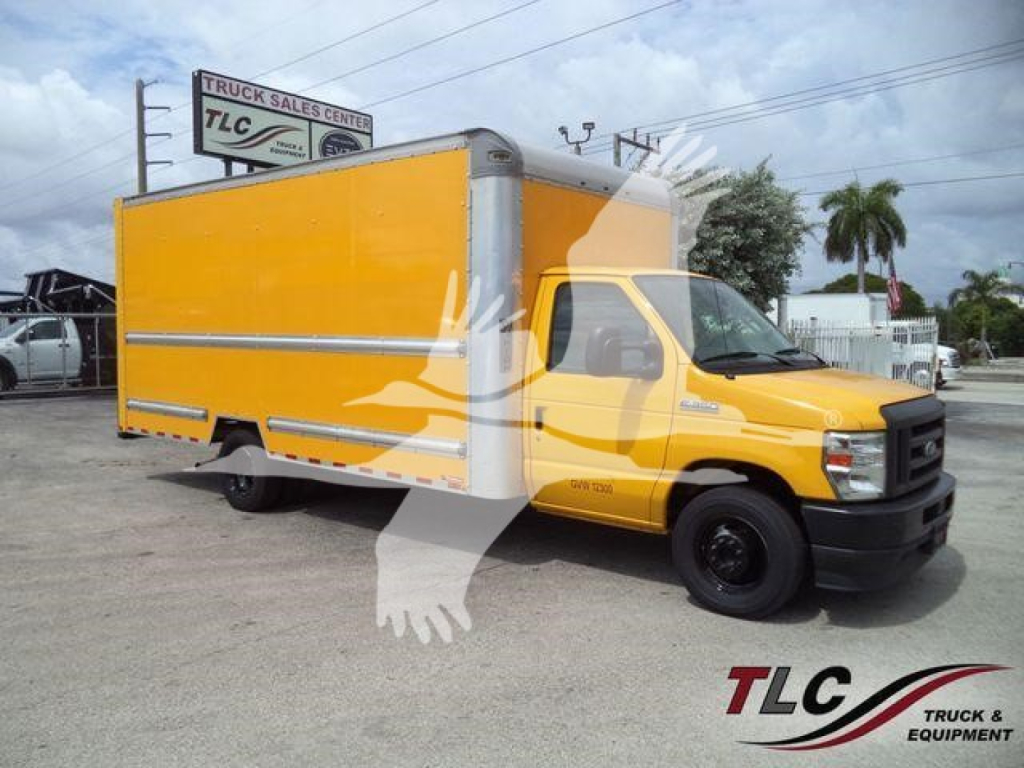
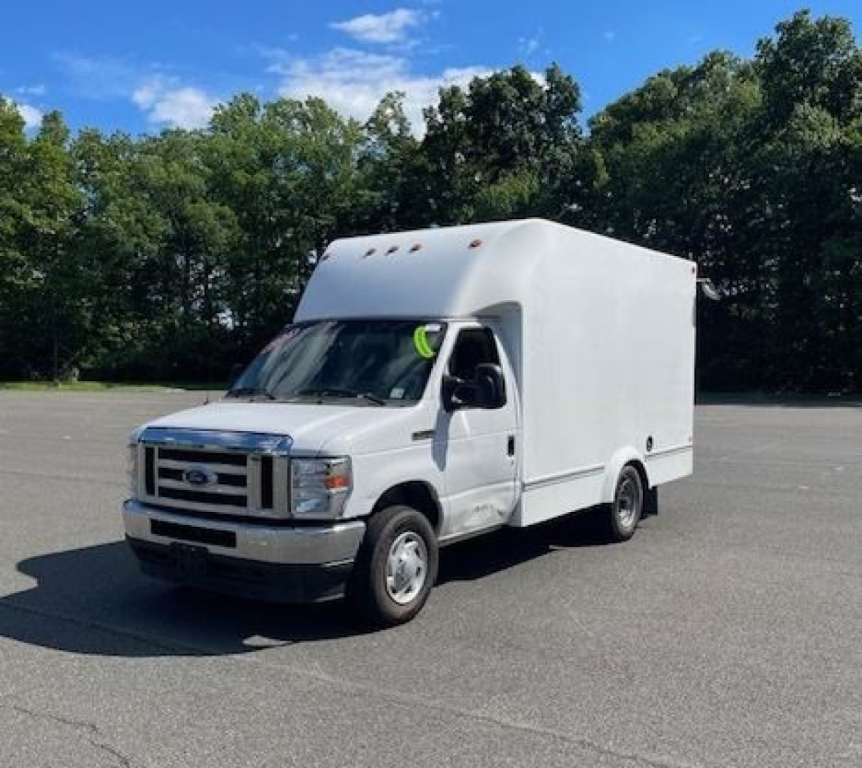
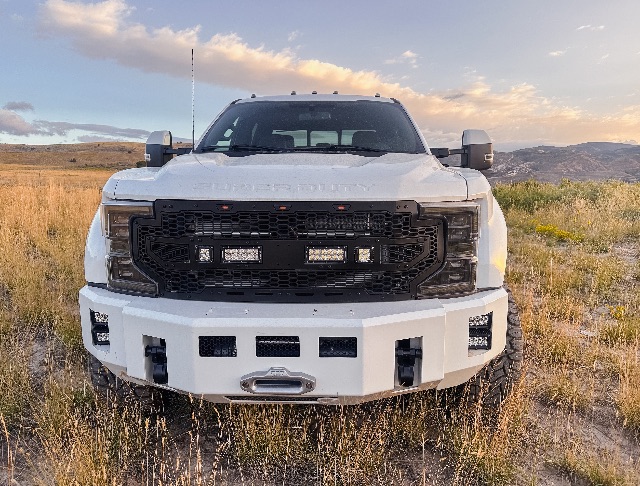
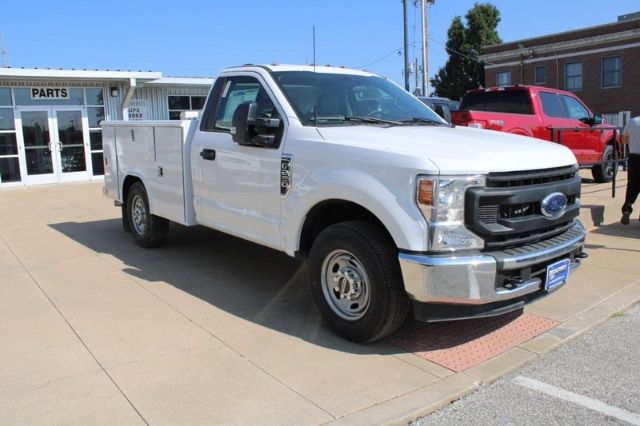
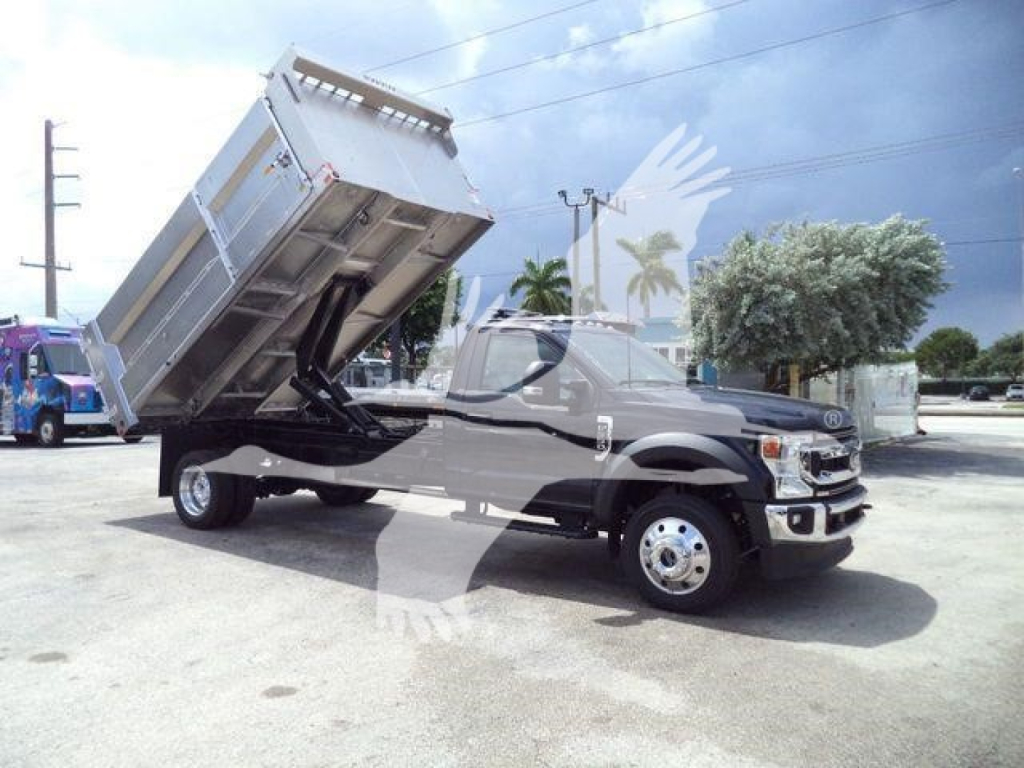
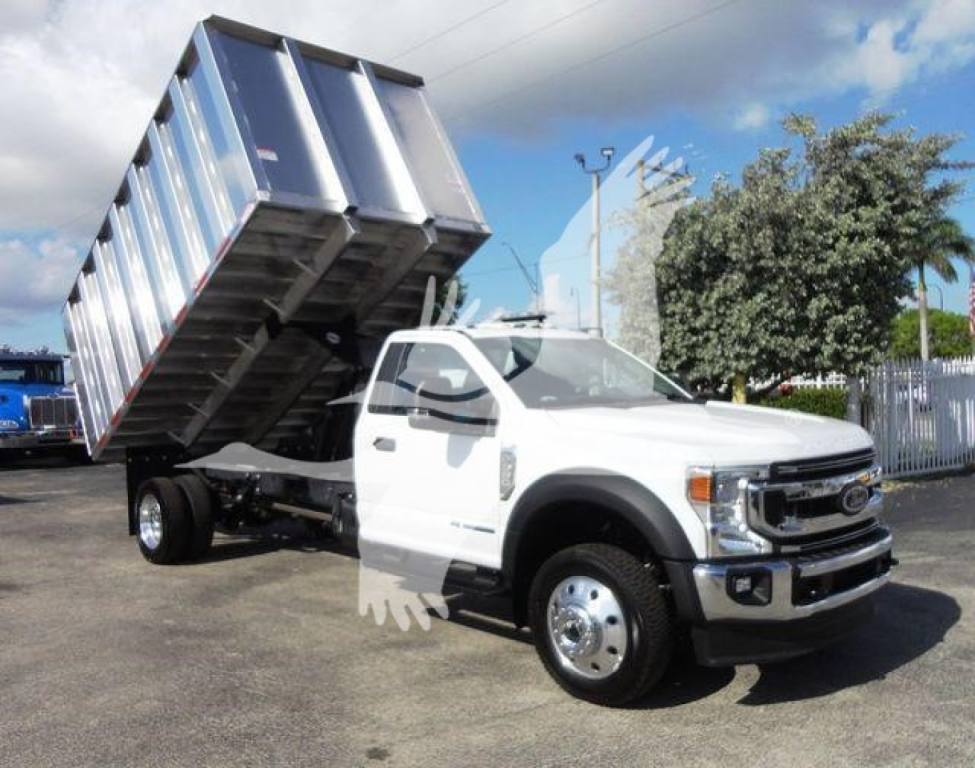
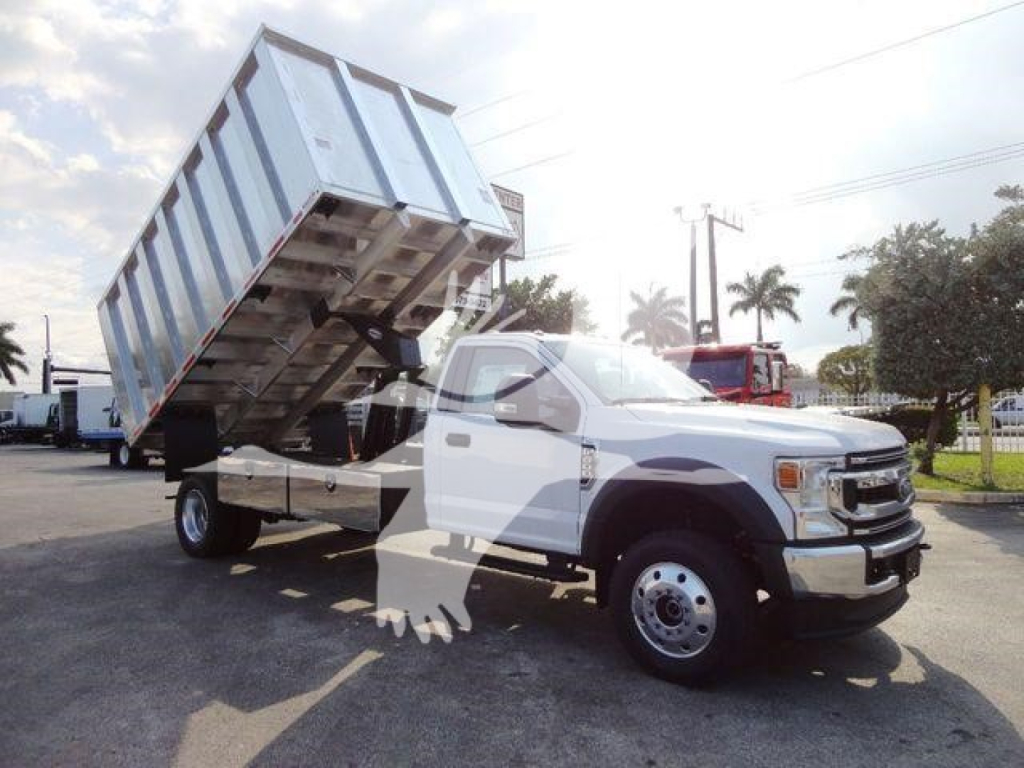
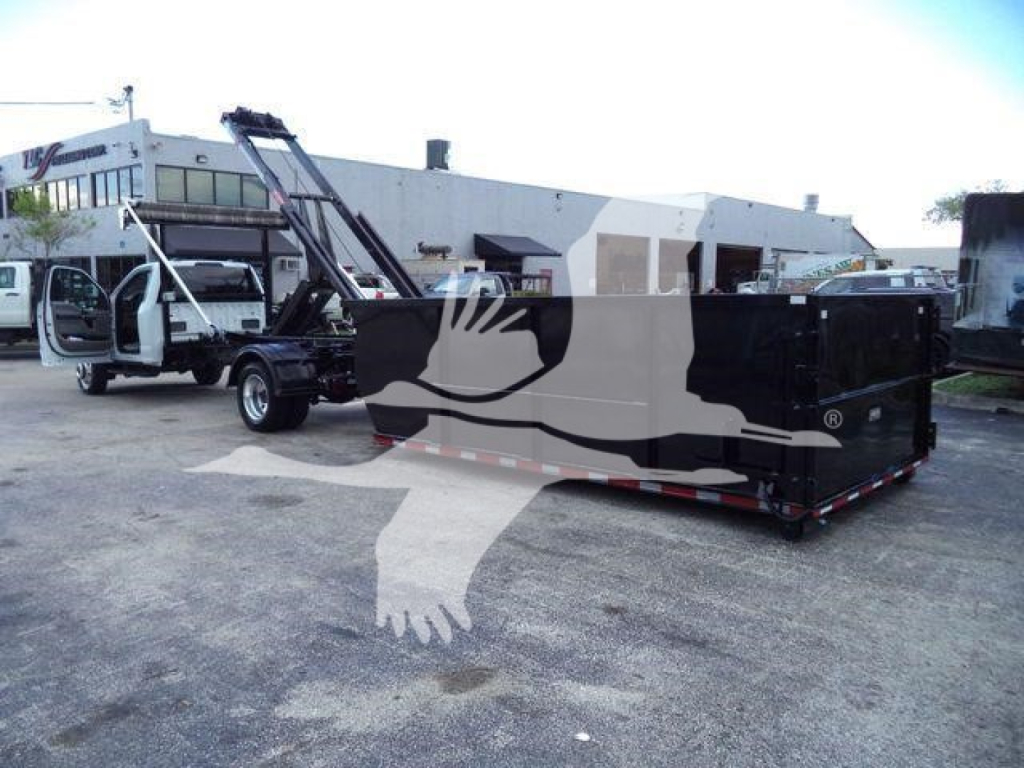
Selling a 2022 ford commercial truck? List your 2022 ford commercial truck for sale and reach thousands of commercial buyers.
2022 Ford Commercial Trucks
Engine choice is one of the biggest dividing lines in a 2022 Ford truck. Gas V8 power remains common in lighter and medium-duty commercial use because acquisition cost is lower and maintenance can be simpler for fleets with shorter routes or lower annual miles. Diesel-equipped Super Duty trucks are still the better fit for heavier towing, higher torque demand, and more time under load. Buyers comparing 2022 units should look closely at transmission pairing, 4x2 versus 4x4 layout, axle ratings, and suspension setup, especially if the truck will carry a crane body, dump insert, contractor bed, or enclosed van body. On chassis cab models, frame condition, PTO capability, and upfit quality are often more important than cosmetic appearance.
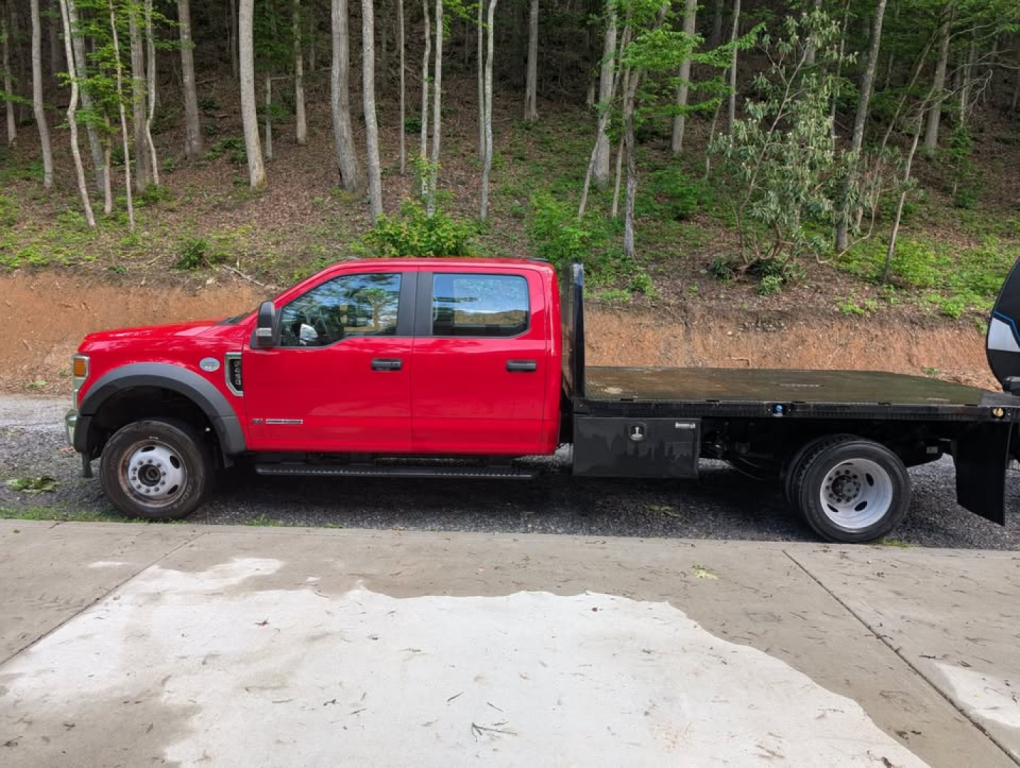
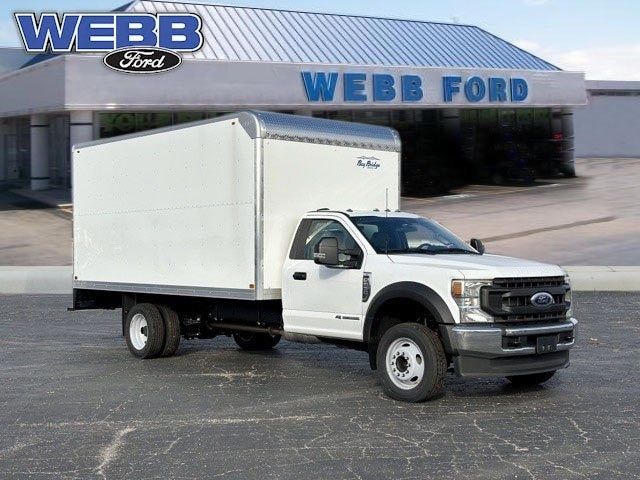
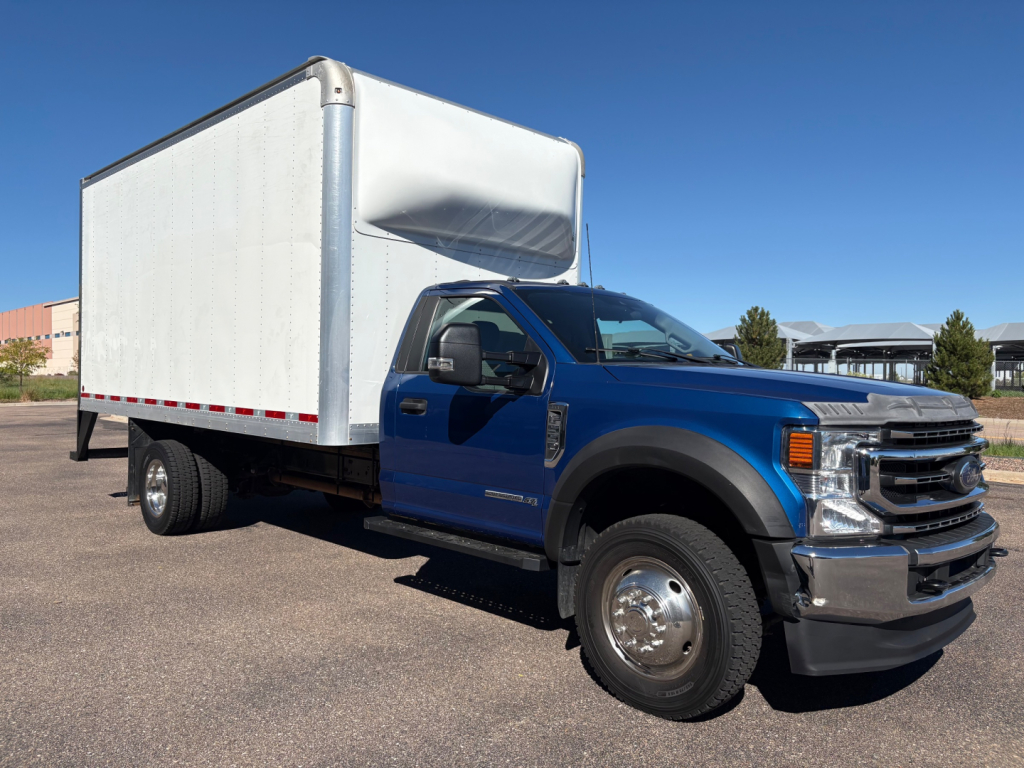
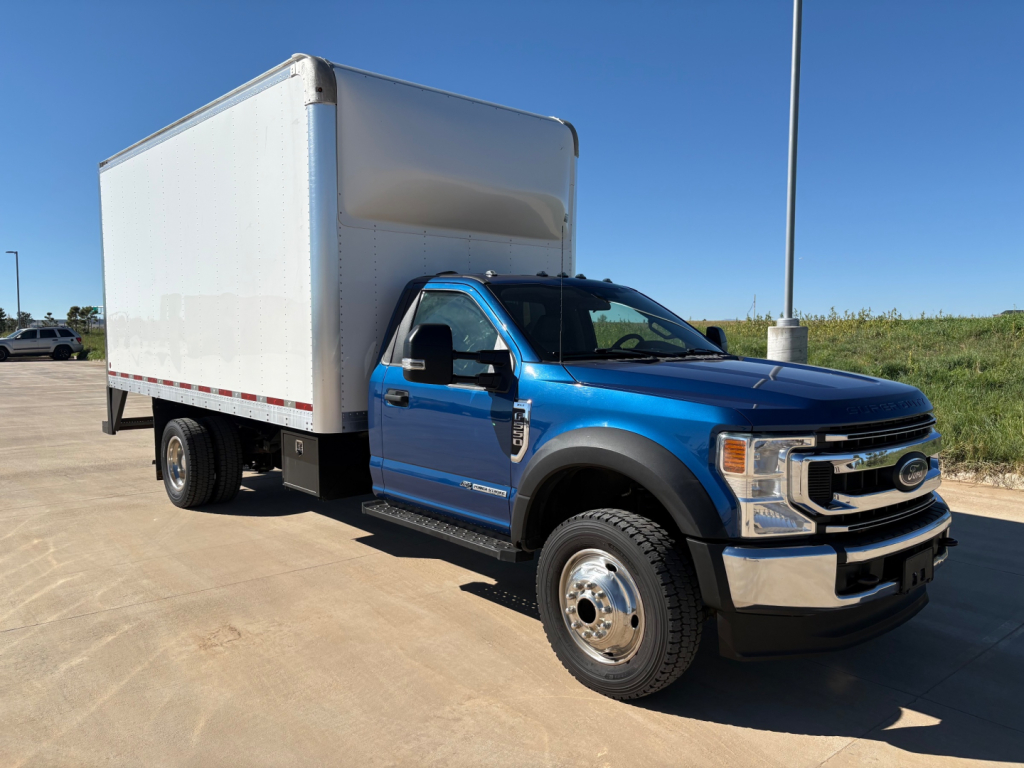
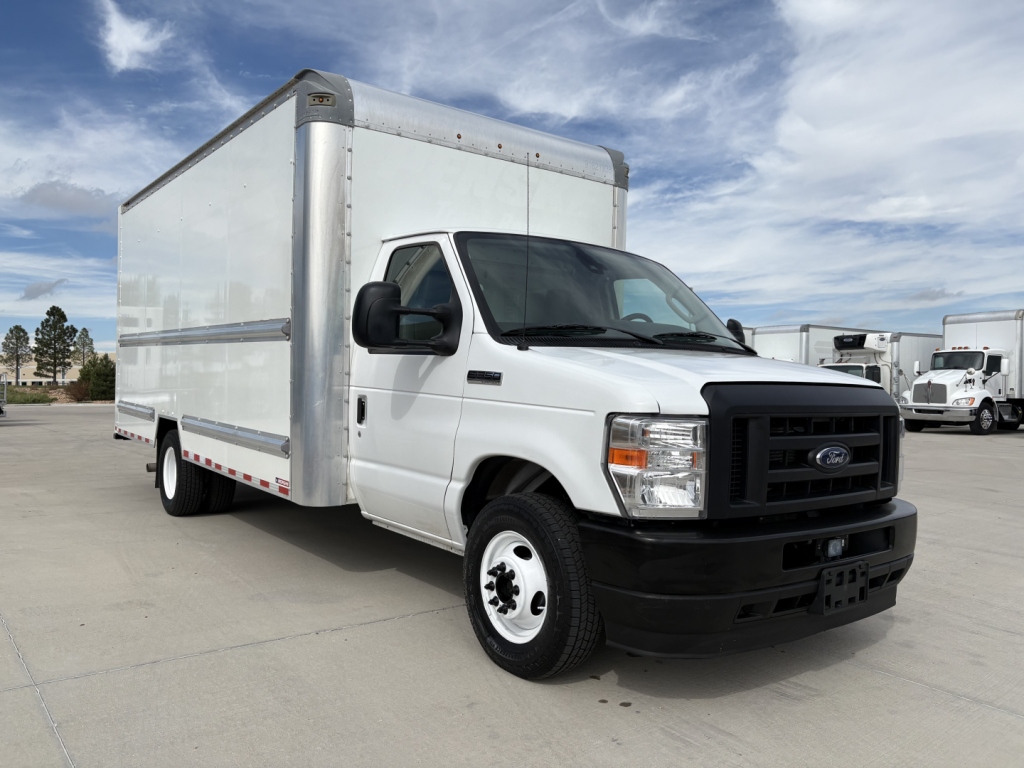
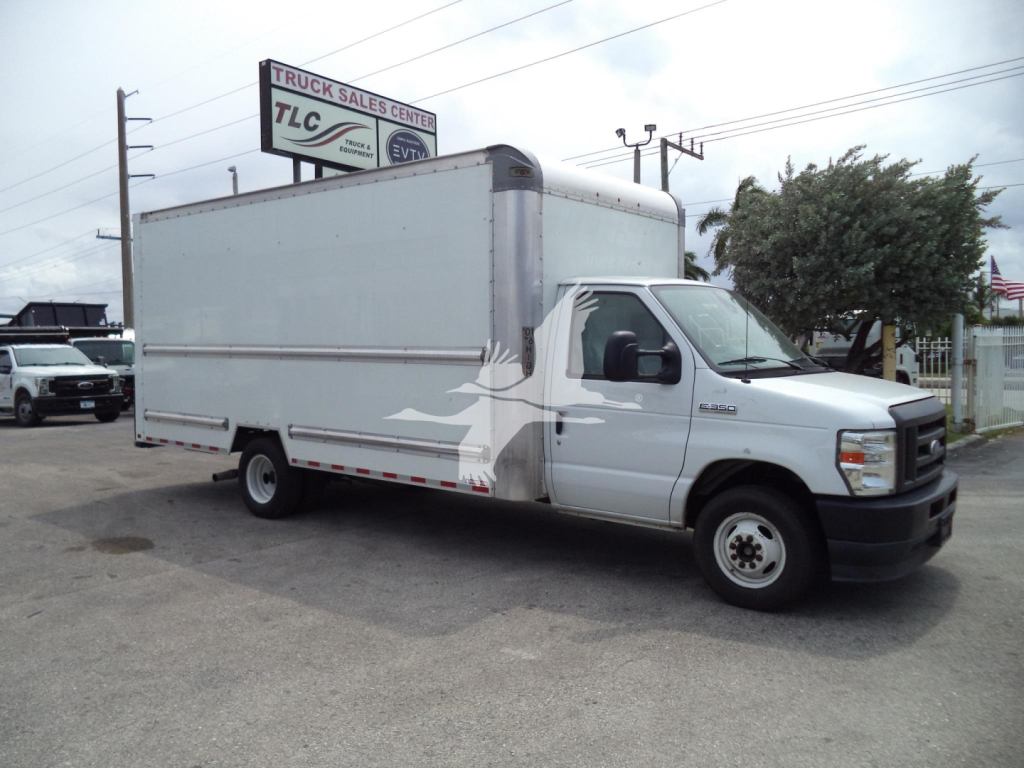
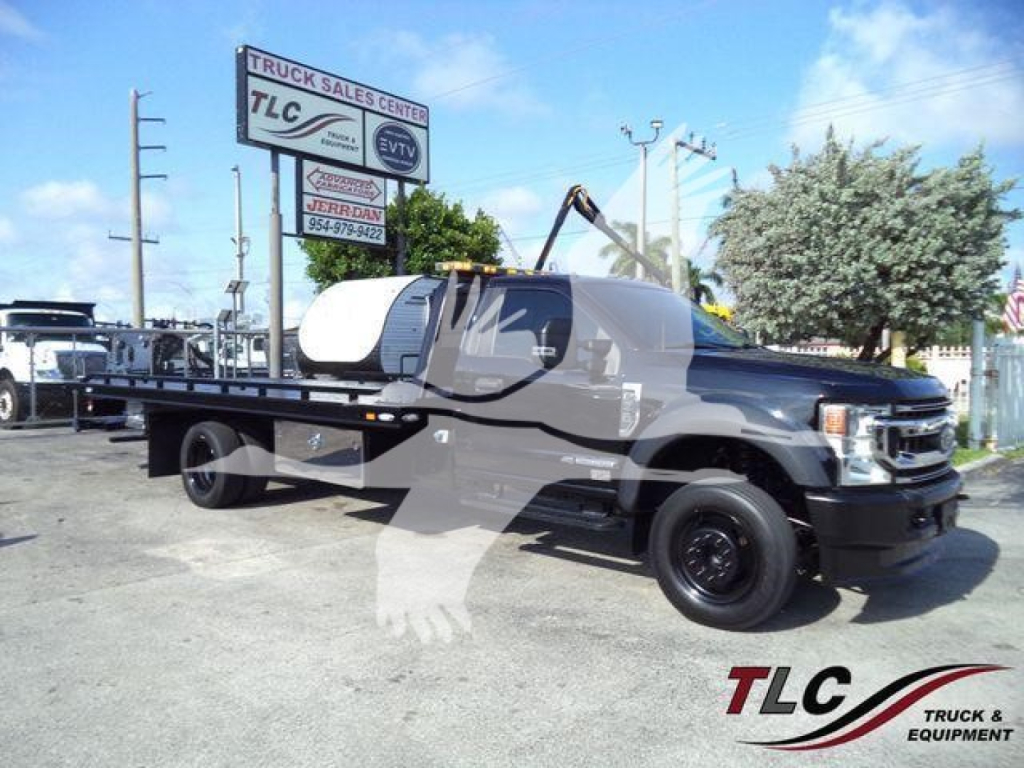
Body style drives the truck's earning potential. A 2022 Ford pickup may suit supervisors, hotshot work, and light towing, while a cab and chassis truck can be configured for landscapers, electricians, plumbers, municipal crews, and regional delivery operations. Flatbeds are valued for side-loading flexibility and tie-down access. Box trucks are preferred when cargo security and weather protection matter. Dump bodies need buyers to verify hoist condition, body floor wear, and legal payload against axle capacity. Service and utility bodies should be checked for compartment layout, inverter or compressor integration, and overall weight once fully equipped. If the truck already has an upfit, it is important to confirm that the wheelbase and body length are well matched and that the installation leaves room for maintenance access and proper load balance.
A strong 2022 Ford truck listing should give enough detail to judge real-world suitability, including engine, transmission, mileage, wheelbase, drivetrain, GVWR class, and current body configuration. Buyers should also watch for signs of idle-heavy use, corrosion, trailer brake controller installation, hitch setup, and any aftermarket suspension or electrical work. Ford remains a popular commercial platform because parts support is broad, service networks are deep, and the lineup is familiar to most fleet managers and owner-operators. That makes a 2022 Ford truck a practical choice when uptime, resale strength, and upfit flexibility are part of the buying equation.
Frequently Asked Questions about 2022 Ford Commercial Trucks
What should I check first when comparing 2022 Ford trucks for commercial use?
Start with the truck's intended job and match that to GVWR, body type, drivetrain, and wheelbase. A truck that looks similar on paper can be very different in payload, towing capacity, and upfit compatibility. Cab-to-axle measurement is especially important on chassis cab units because it determines what body lengths will fit properly. Engine type, axle ratio, and suspension rating should also be reviewed early, since those specs affect performance under load more than appearance or trim.
Are 2022 Ford gas trucks a good choice for fleet work?
Yes, many 2022 Ford gas trucks are a strong fit for fleets that run local routes, moderate annual mileage, or lighter payloads. Gas V8 configurations often cost less to buy and can be easier to maintain in operations that do not need diesel torque every day. They are commonly used in service body, delivery, municipal, and contractor applications. The better choice depends on route length, towing demand, idle time, and how much weight the truck carries on a regular basis.
What is the difference between a 2022 Ford pickup and a 2022 Ford chassis cab?
A pickup leaves the factory with a bed installed and is generally intended for mixed personal and commercial use, towing, or light-duty hauling. A chassis cab is built as an upfit platform with a bare frame behind the cab so it can accept a flatbed, dump body, box, utility body, wrecker body, or other vocational equipment. Chassis cab trucks are usually the better option when payload management, body customization, and job-specific equipment are priorities.
Which 2022 Ford truck specs matter most on a used vocational truck?
The most important specs are GVWR, axle ratings, wheelbase, cab-to-axle, engine, transmission, drivetrain, and current body setup. On vocational units, buyers should also confirm PTO provisions, frame condition, suspension type, and the quality of the body installation. If the truck has a dump, crane, liftgate, or utility equipment, inspect those components as separate systems rather than assuming the chassis condition tells the whole story. A clean cab is less important than a correct and well-maintained work spec.
Do 2022 Ford trucks hold value well in the commercial market?
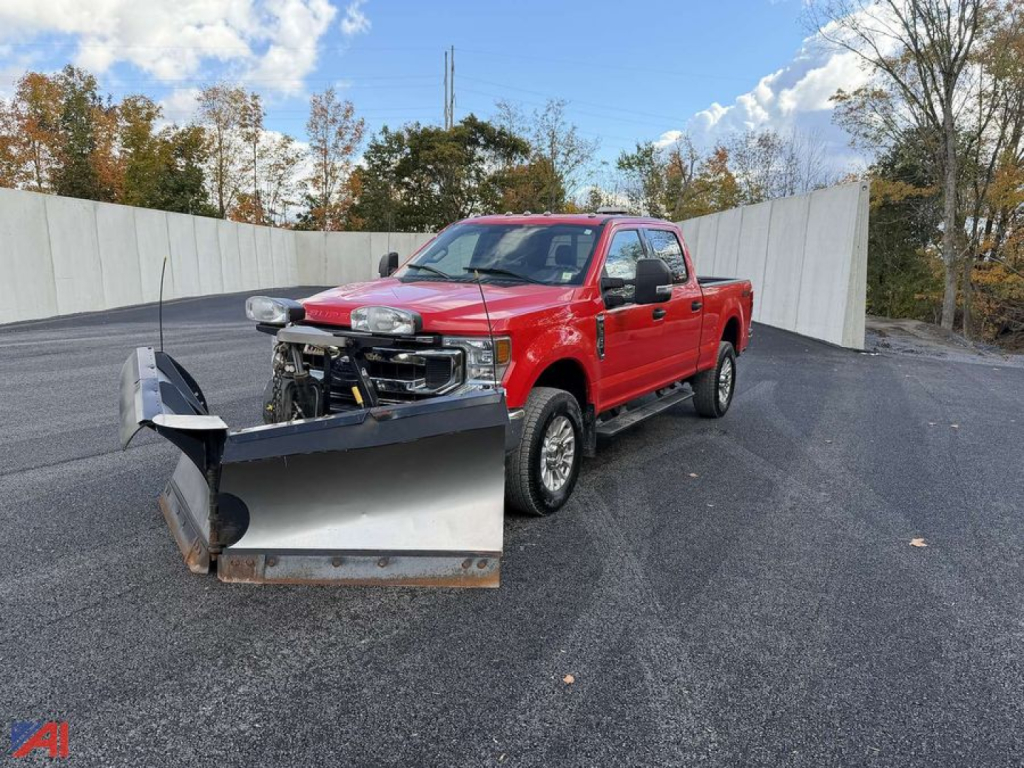
In general, yes. Ford commercial trucks tend to retain value well because they have wide buyer demand, strong dealer and service support, and a large supply of aftermarket and OEM parts. Trucks with desirable vocational specs, clean frames, documented maintenance, and properly matched upfits usually perform better on resale than generic configurations. Market value also depends heavily on body type, powertrain, mileage, and whether the truck was used in severe-duty conditions such as plowing, heavy towing, or corrosive environments.