
2022 Volvo Trucks For Sale
Shop 2022 Volvo trucks for sale, including VNL sleepers and day cabs with D11 or D13 power, I-Shift options, safety tech, and fuel-efficient specs.
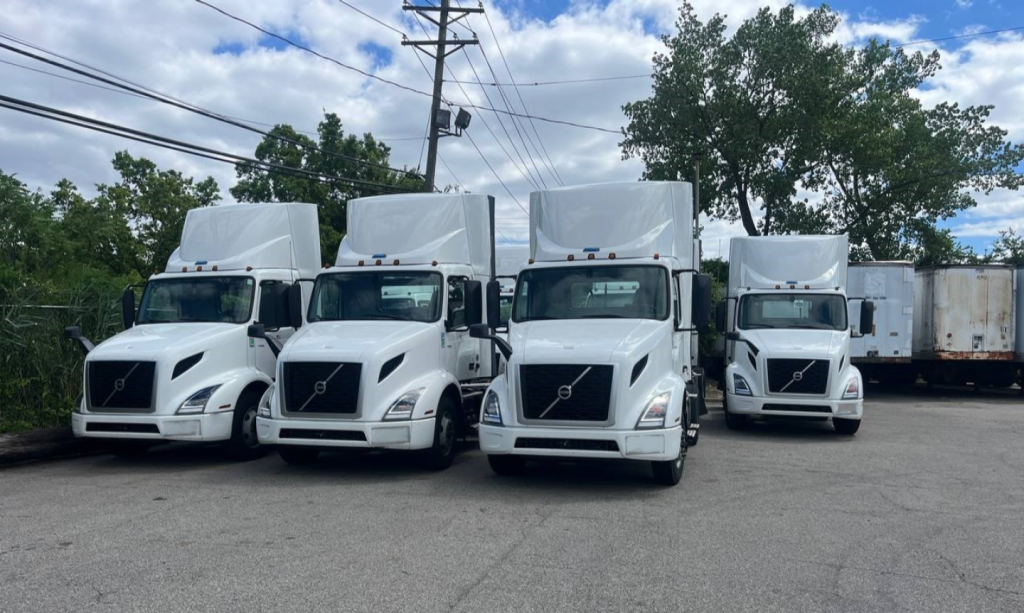
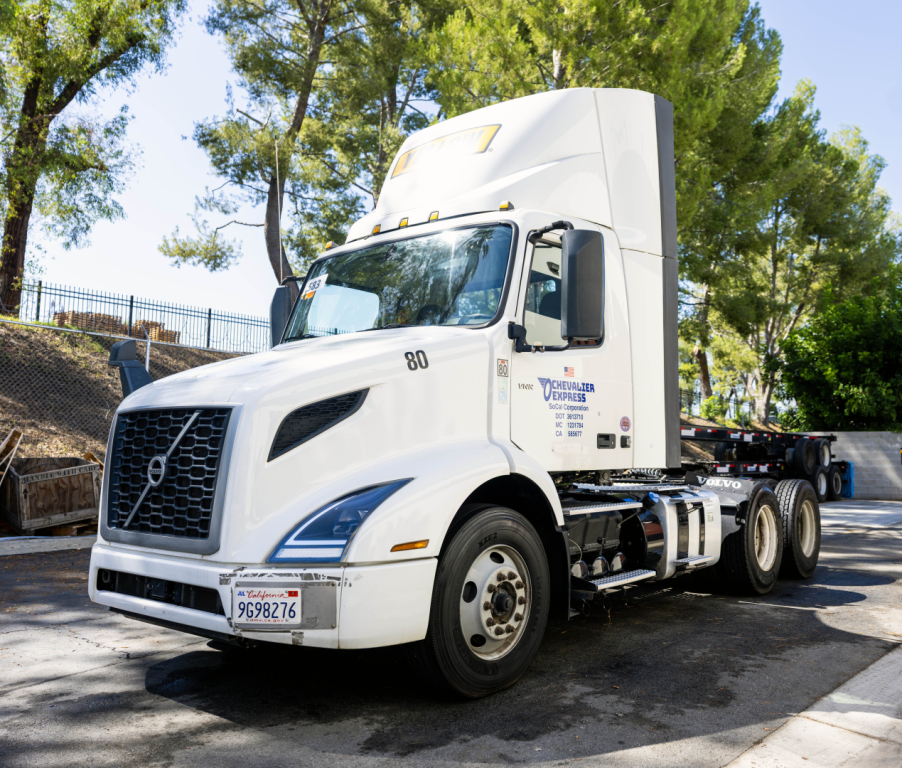
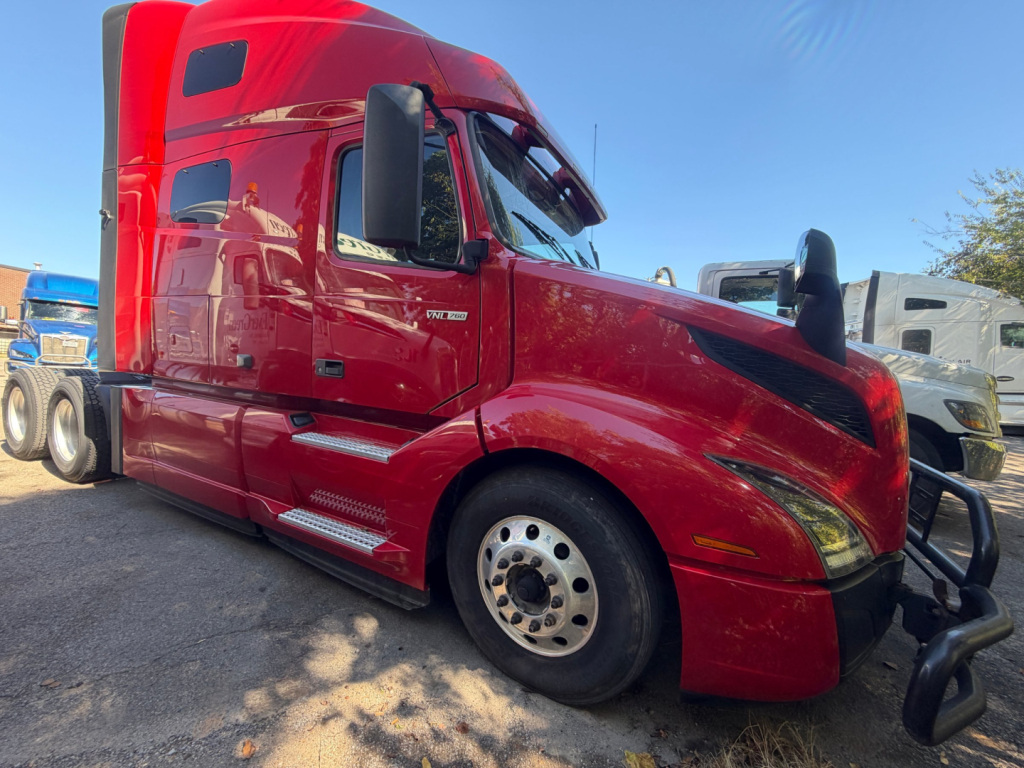
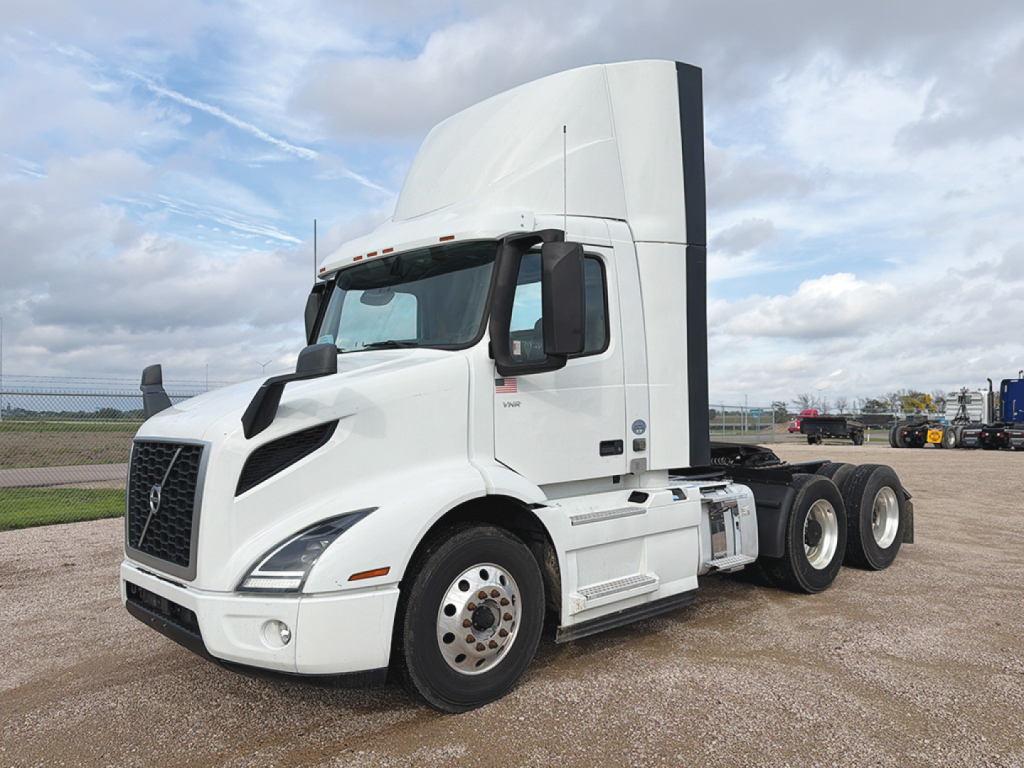
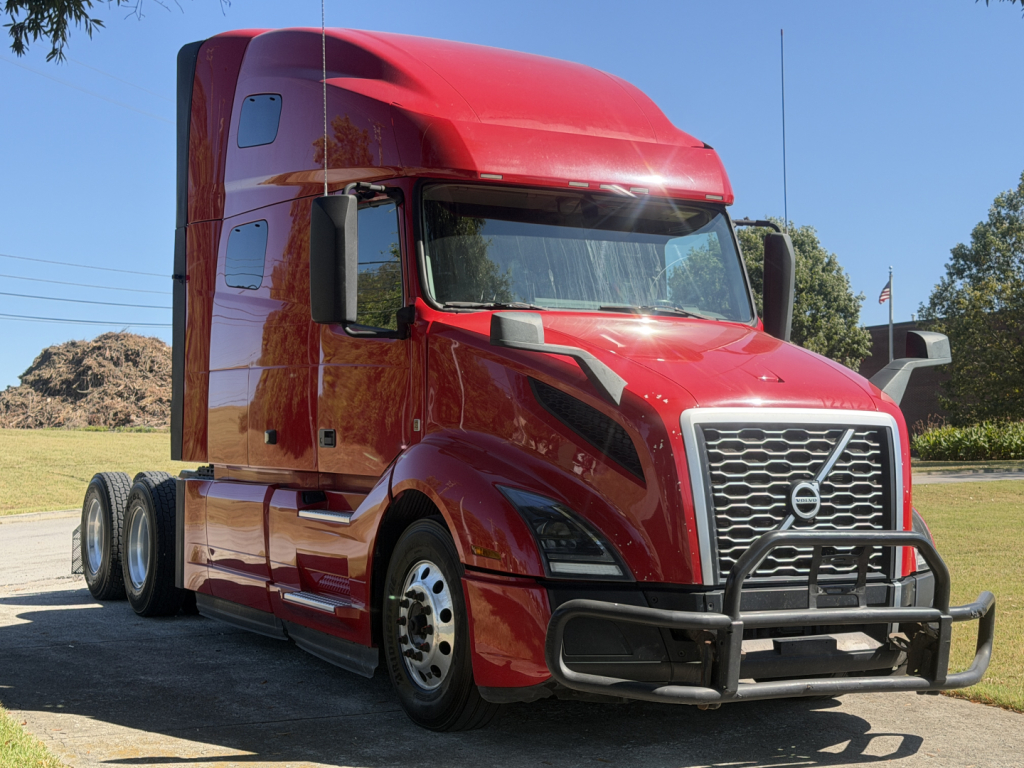
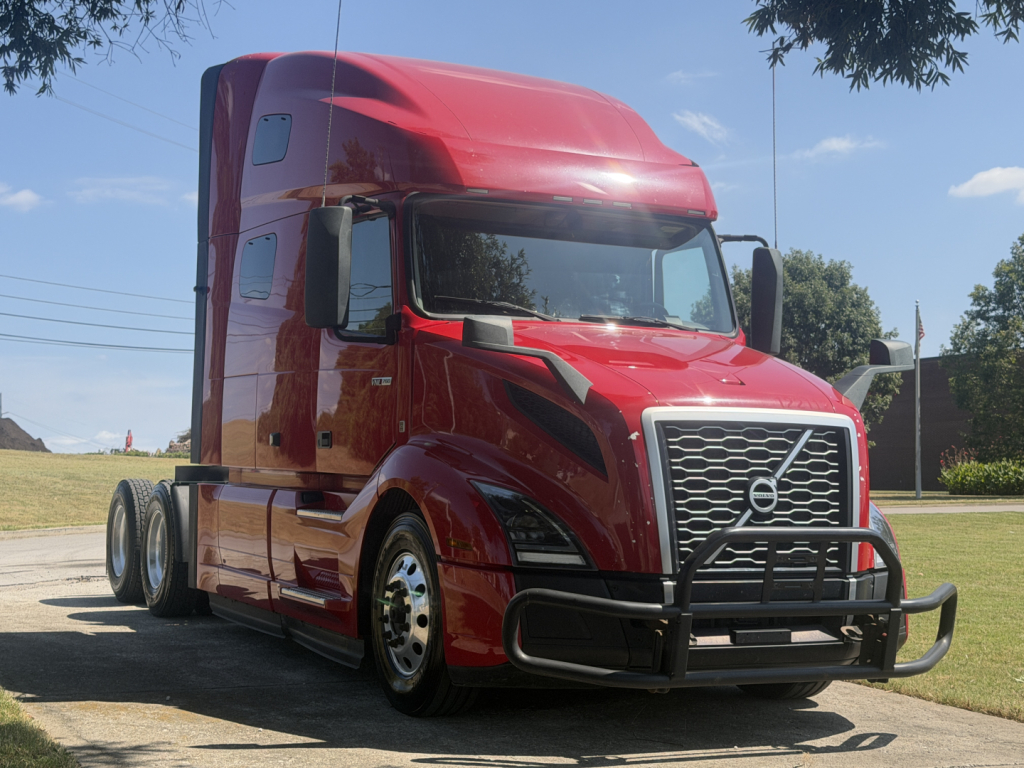
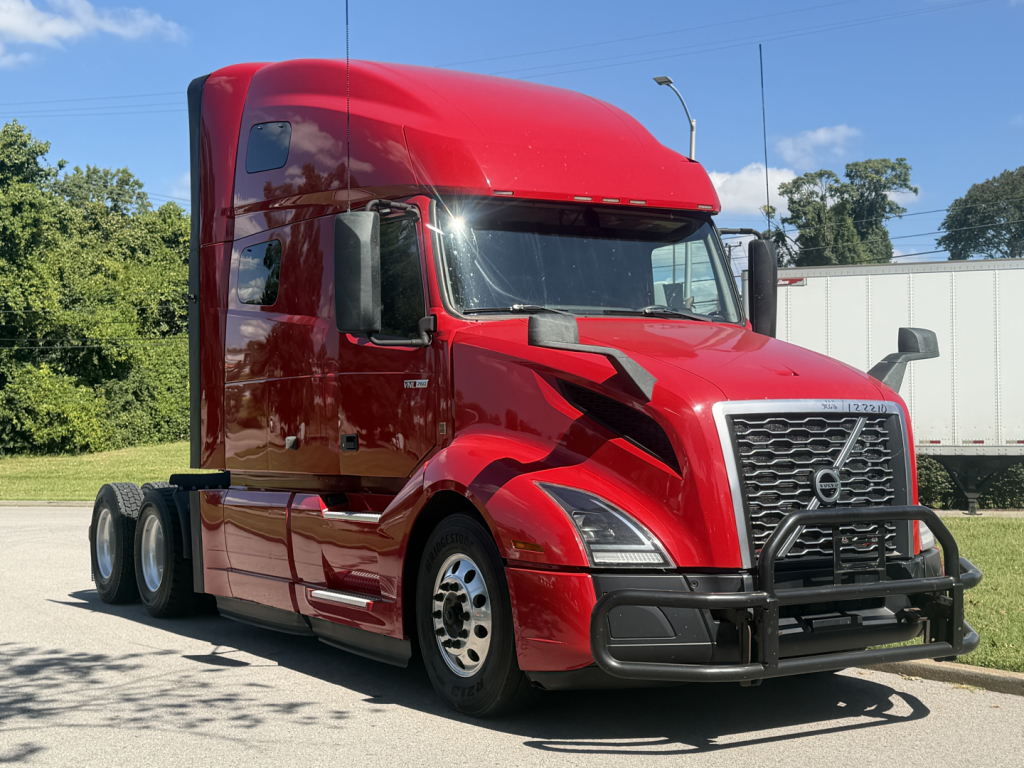
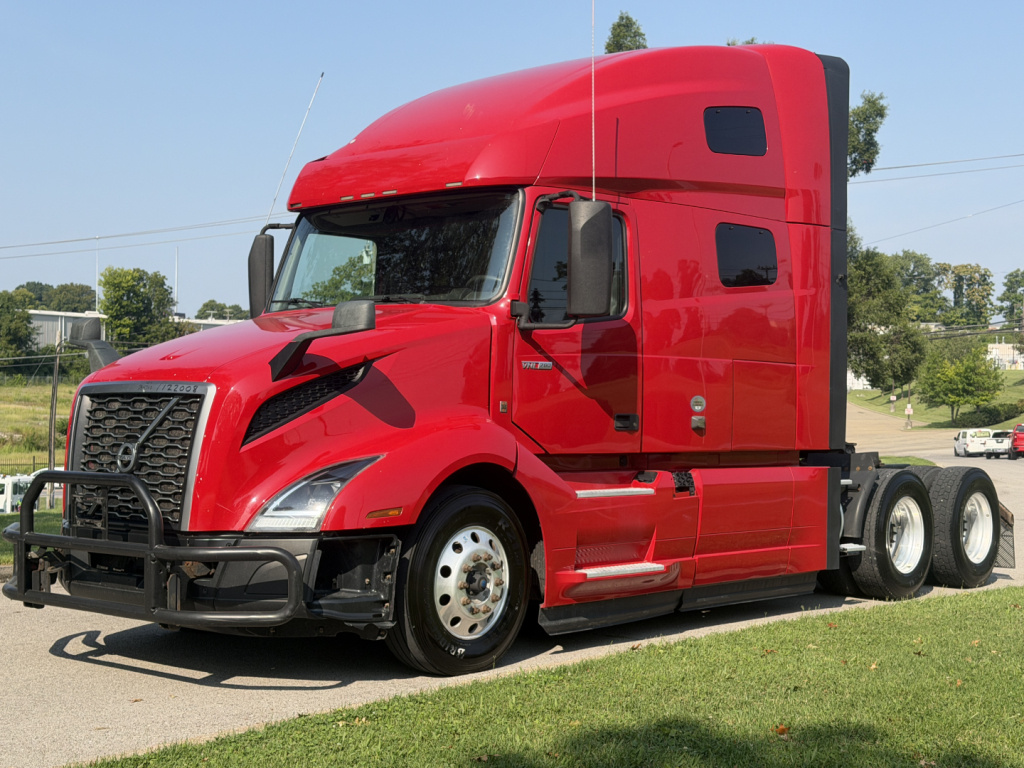
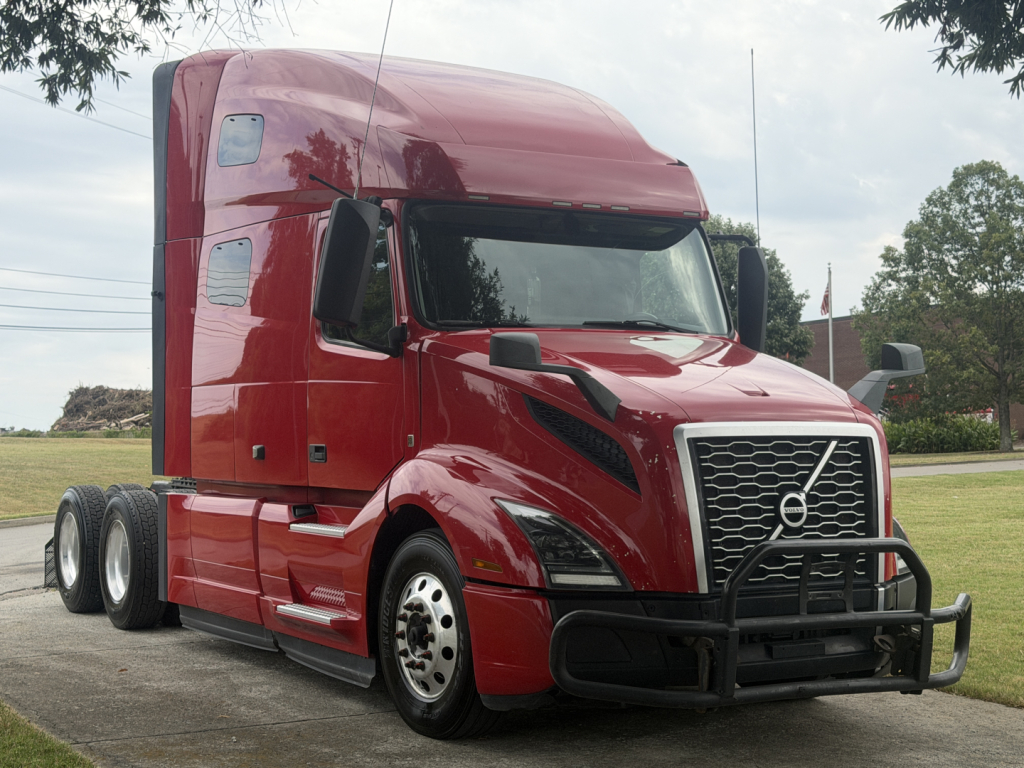
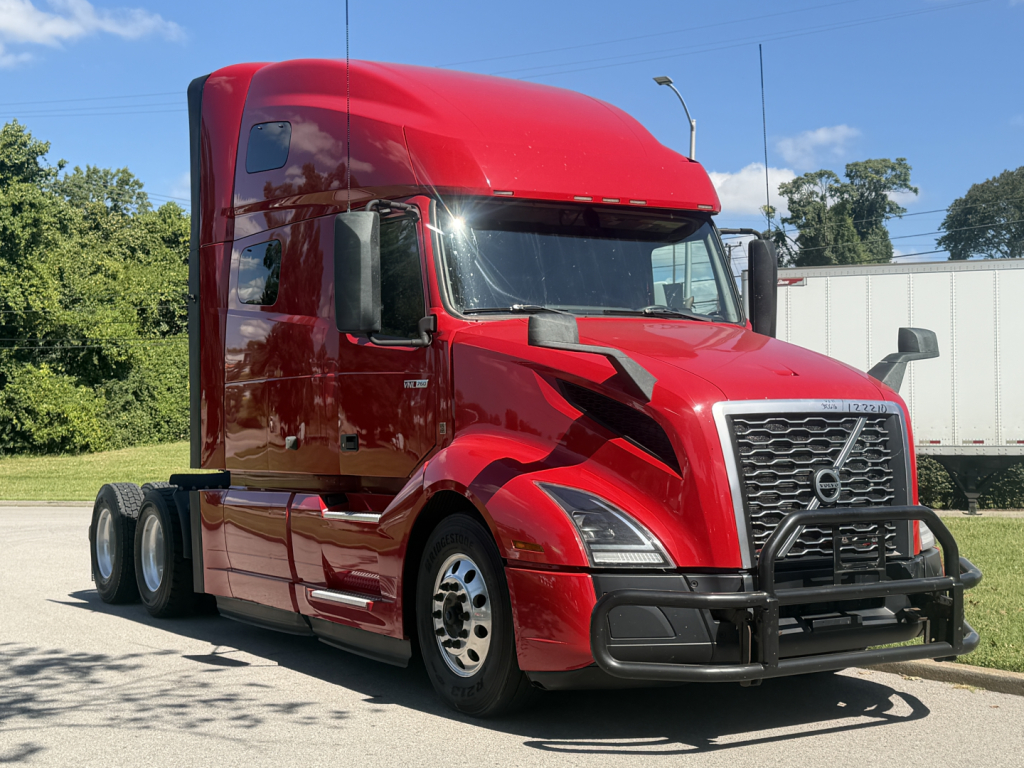
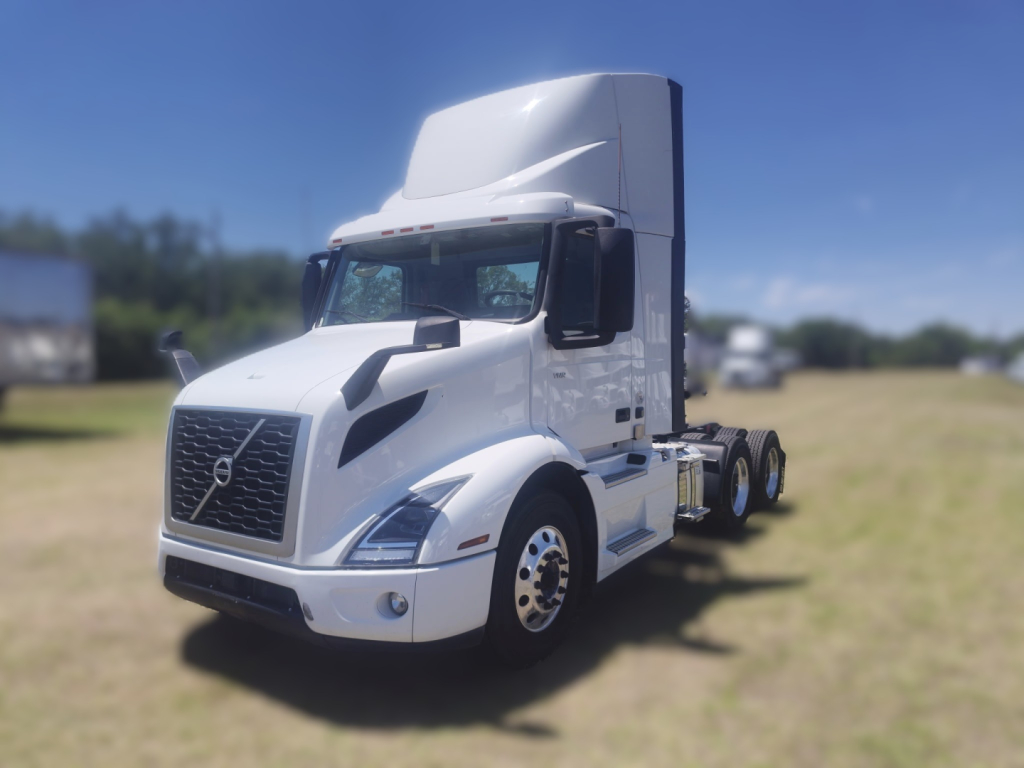
2022 Volvo VNR64T300
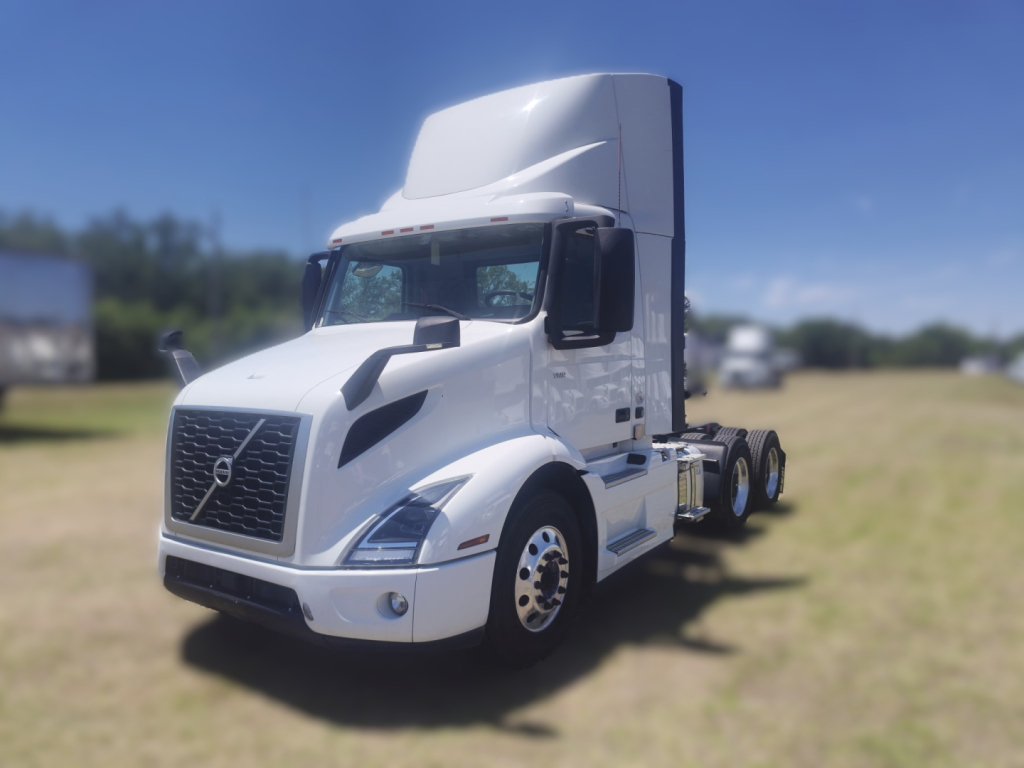
2022 Volvo VNR64T300
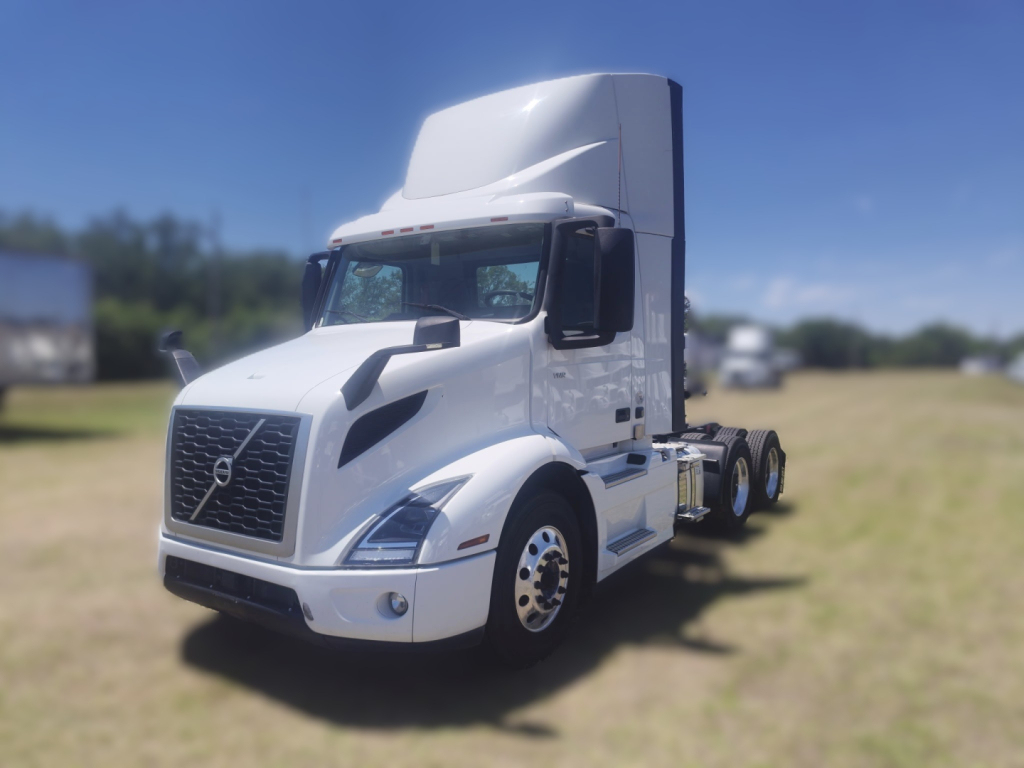
2022 Volvo VNR64T300
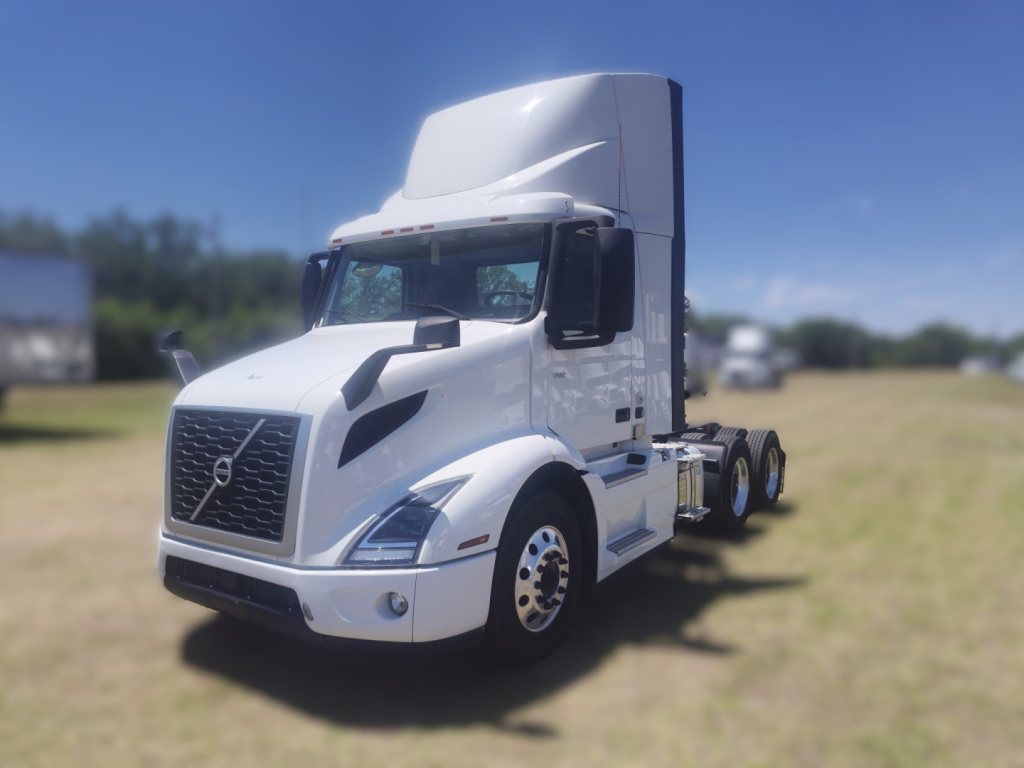
2022 Volvo VNR64T300
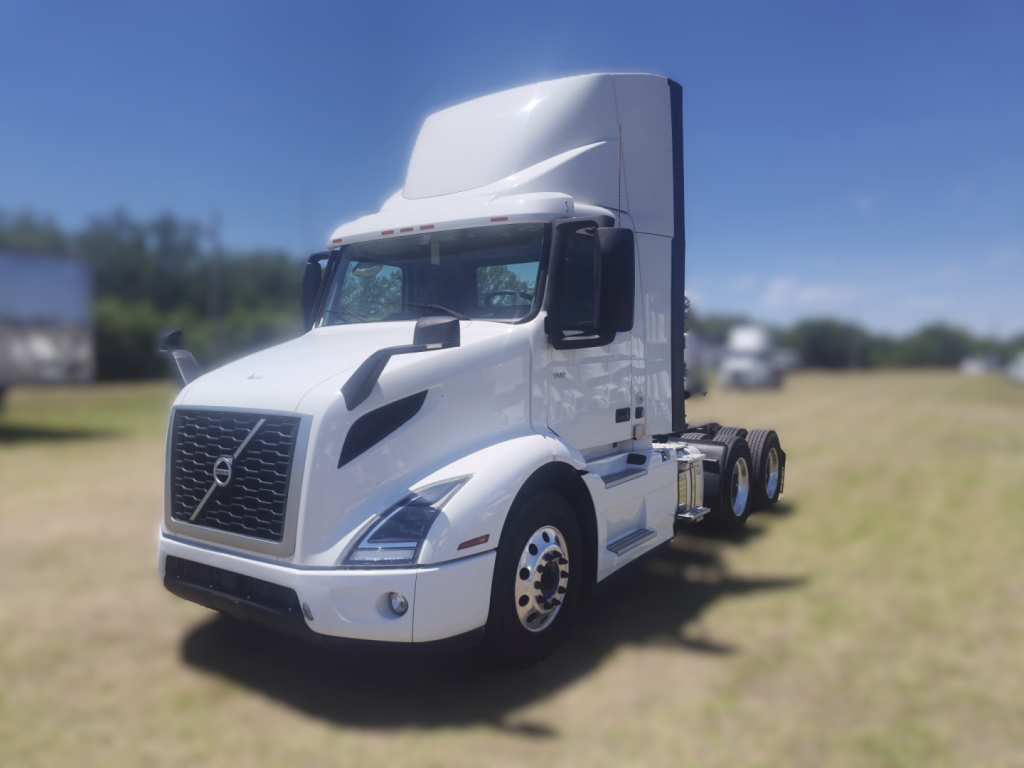
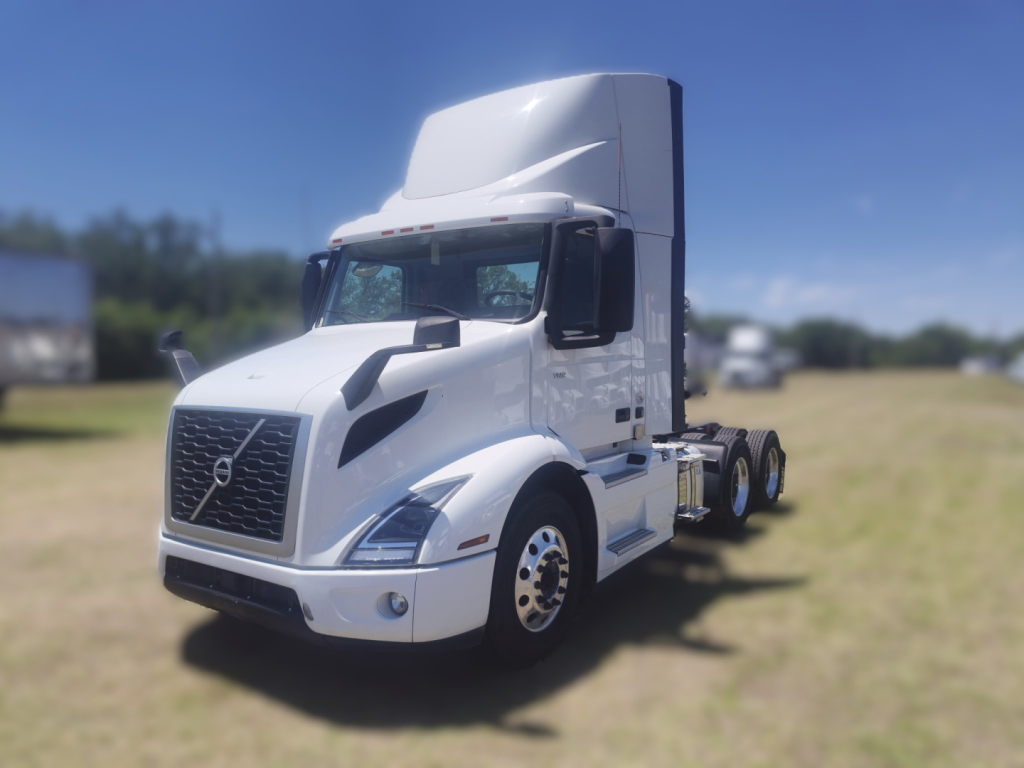
2022 Volvo VNR64T300
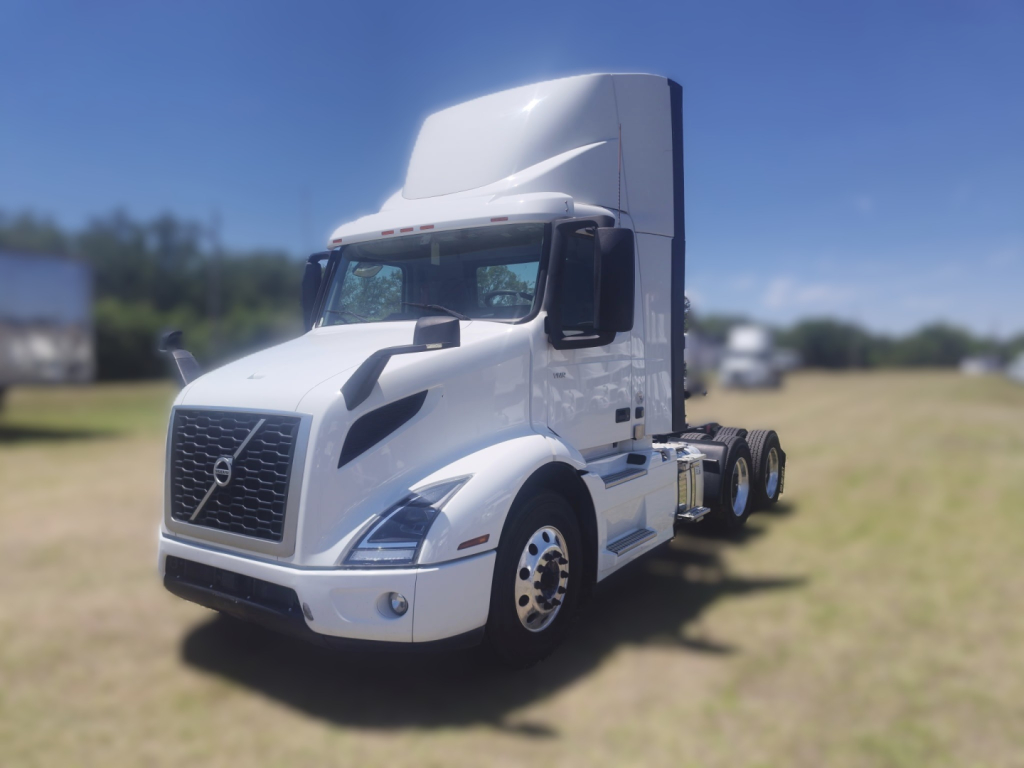
2022 Volvo VNR64T300
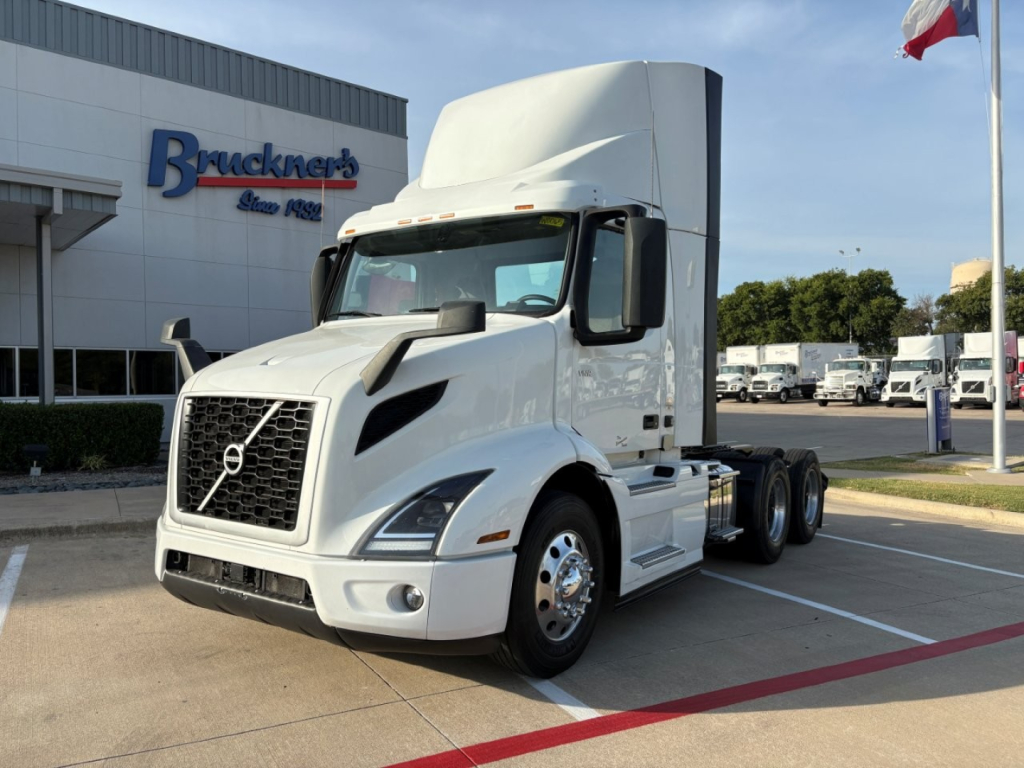
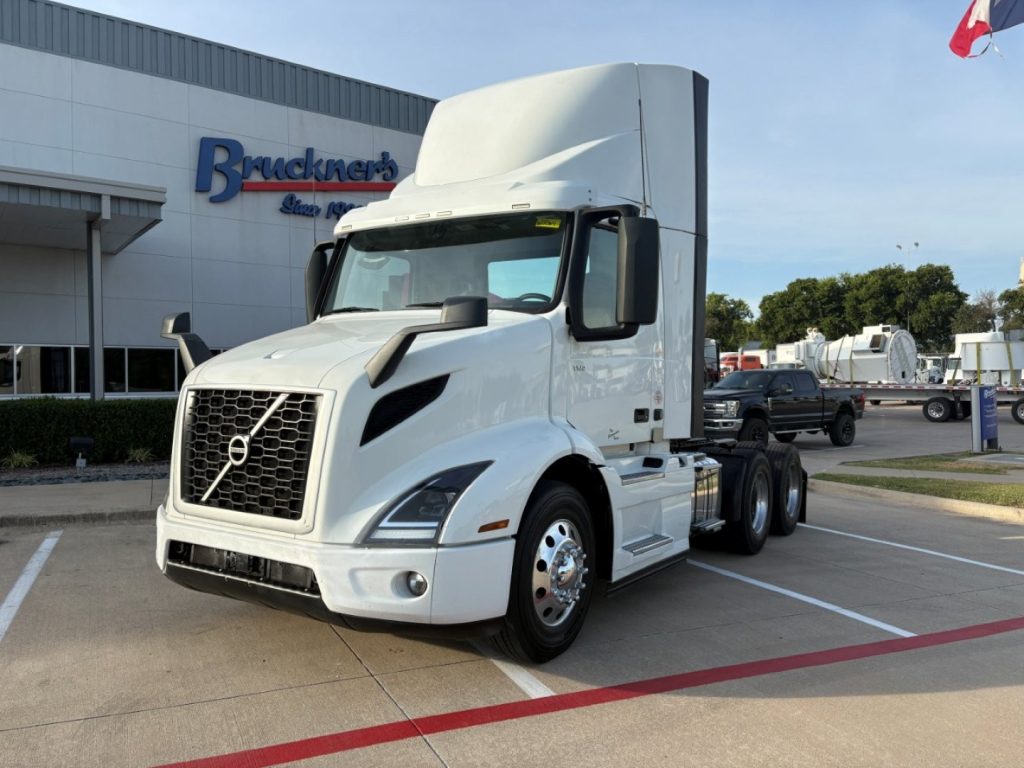
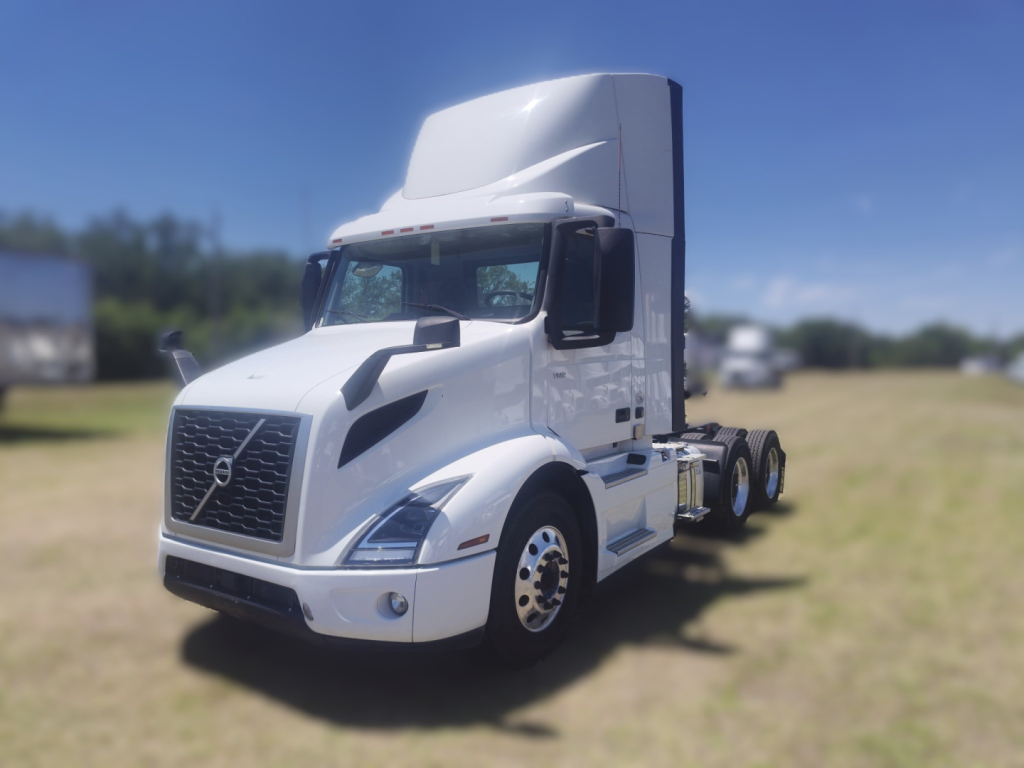
2022 Volvo VNR64T300
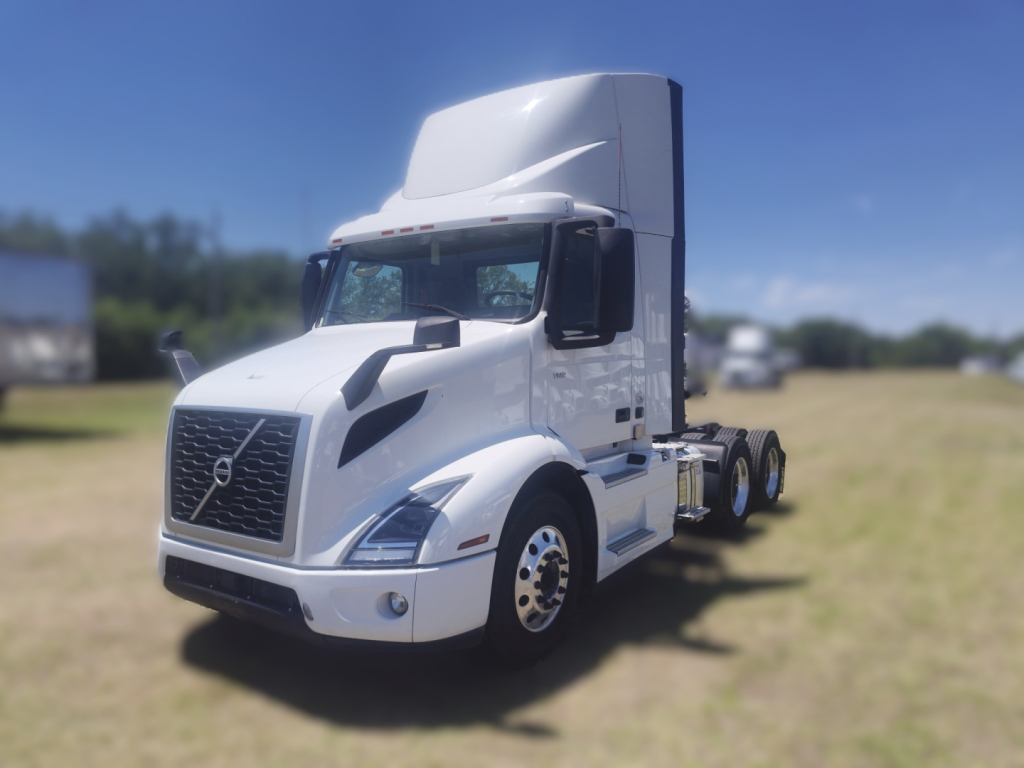
2022 Volvo VNR64T300
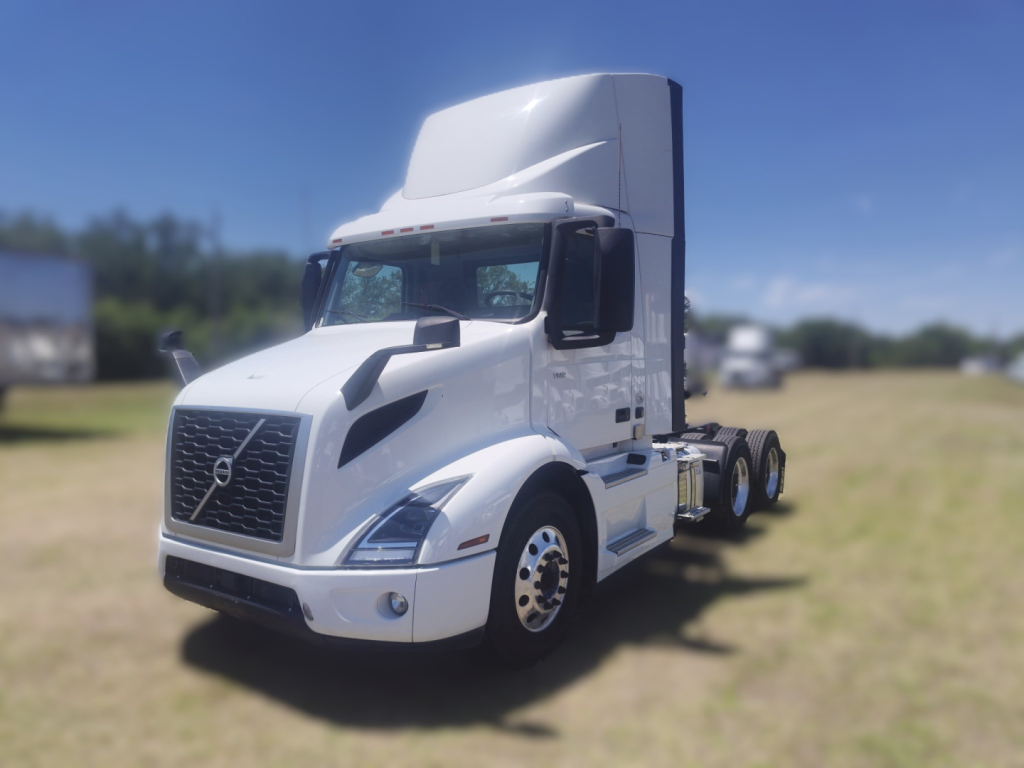
2022 Volvo VNR64T300
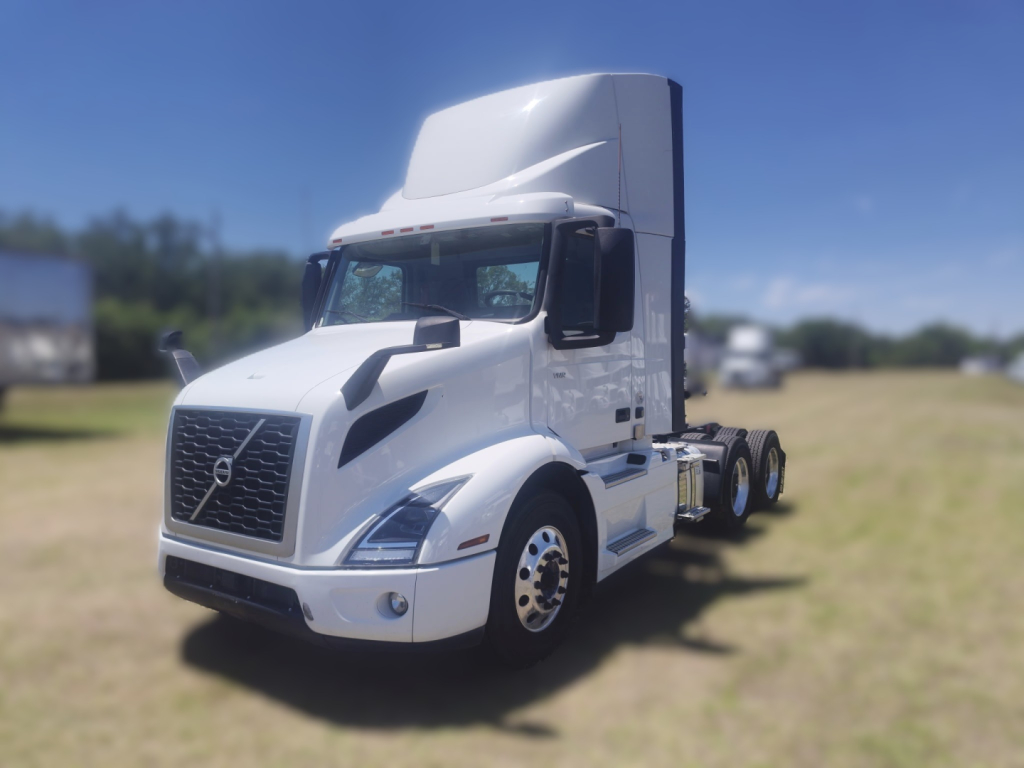
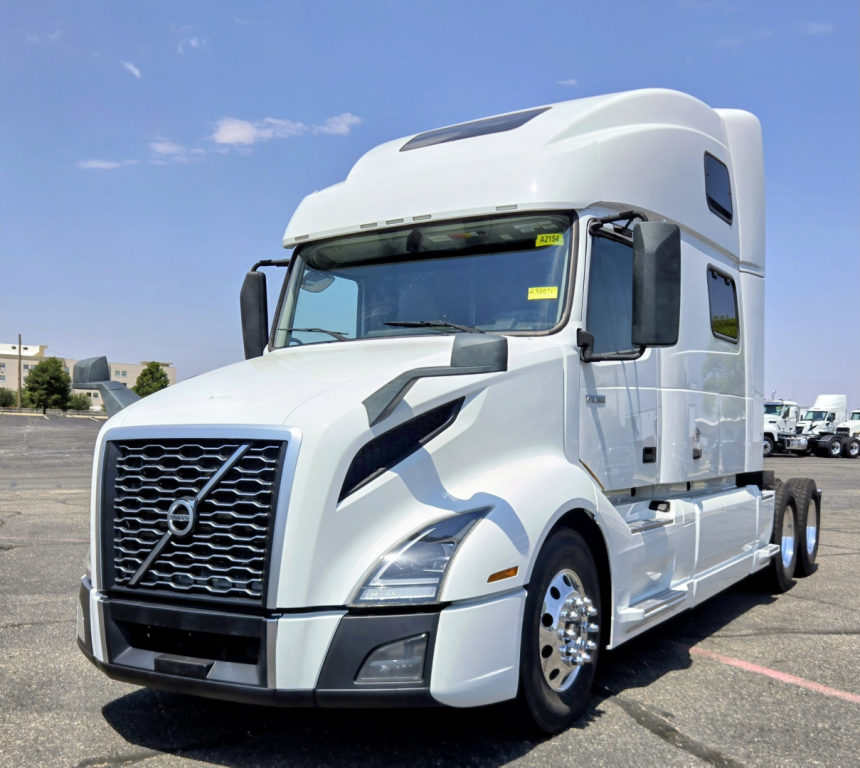
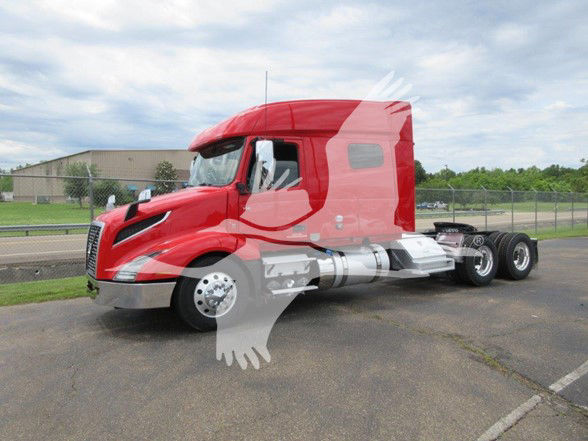
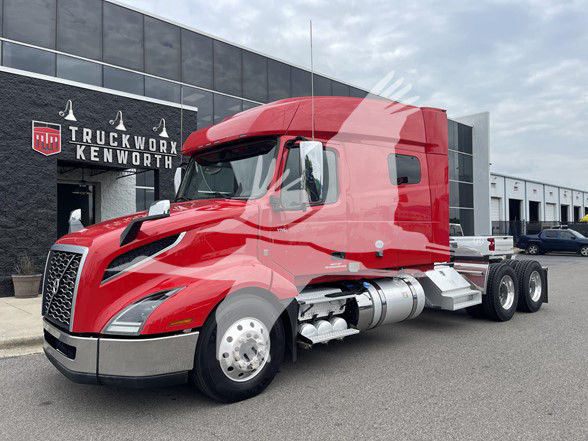

Selling a 2022 volvo truck? List your 2022 volvo truck for sale and reach thousands of commercial buyers.
2022 Volvo Trucks
Frequently Asked Questions about 2022 Volvo Trucks
What are the most common 2022 Volvo truck configurations on the used market?
The most common 2022 Volvo trucks are VNL highway tractors in sleeper and day cab form. Sleeper models such as the VNL 760 are widely used in over-the-road service and usually include larger fuel capacity, aerodynamic fairings, and driver comfort features. Day cab versions are more common in regional haul, dedicated lanes, and local freight where wheelbase, weight, and turning radius are more important than sleeper space.
What engines and transmissions are typical in a 2022 Volvo truck?
A 2022 Volvo truck is most often powered by a Volvo D13 diesel, with some applications also using the D11. Horsepower ratings commonly fall in the mid-400 range for linehaul tractors, and torque output is typically matched to an automated manual transmission such as the Volvo I-Shift. Buyers who prioritize ease of training, fuel economy, and smoother operation often prefer the I-Shift, while the engine brake and integrated powertrain controls are important for terrain management and brake wear reduction.
What specs should matter most when comparing 2022 Volvo trucks?
The key comparison points are rear axle ratio, wheelbase, axle ratings, suspension type, brake configuration, and sleeper size. A 2.64 or 3.08 ratio can be a strong fit for highway fuel economy, while a shorter wheelbase may be better for regional work or tighter docks. It also pays to confirm whether the truck has air disc brakes, an air-slide fifth wheel, collision mitigation, and the fuel tank capacity needed for the route profile. These details affect operating cost, payload flexibility, and resale value more than cosmetic options.
Are 2022 Volvo trucks a good fit for over-the-road fleets?
Yes, 2022 Volvo trucks are commonly spec'd for over-the-road service because the platform emphasizes aerodynamics, ride quality, and driver-focused interior design. Sleeper models often include upper bunks, refrigeration, bunk heaters, and climate control features that support team operations or extended solo runs. Buyers running high annual miles usually look closely at service history, idle hours, and emissions system maintenance because those items have a direct effect on uptime.
What should a buyer inspect on a used 2022 Volvo truck?
A buyer should review the engine and transmission fault history, verify emissions system performance, and compare ECM miles and engine hours to the odometer. Inspect the condition of the suspension, steering components, tires, brakes, and fifth wheel assembly, and check for signs of fairing damage or collision repair around the cab and sleeper. On a 2022 model, the electronic safety systems and infotainment functions should also be tested because calibration and sensor condition can affect both operation and repair cost.