
2022 Commercial Trucks For Sale in Arkansas
Browse 2022 trucks for sale in Arkansas, from pickups to vocational and highway models, with specs that matter for payload, towing, and duty cycle.
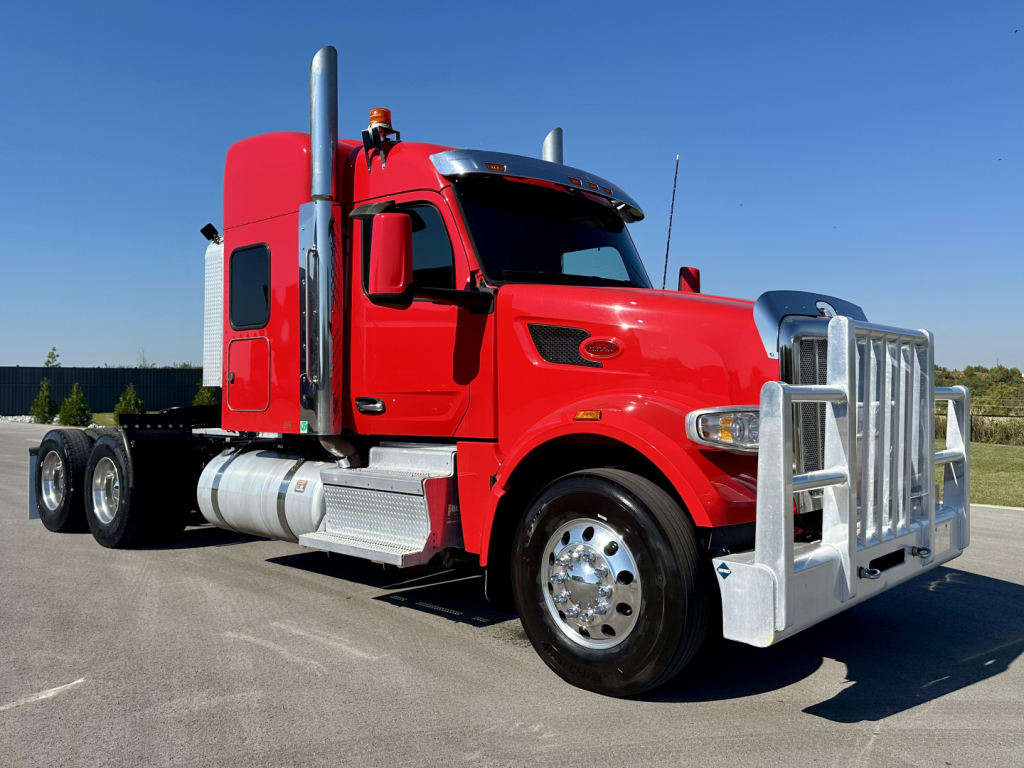
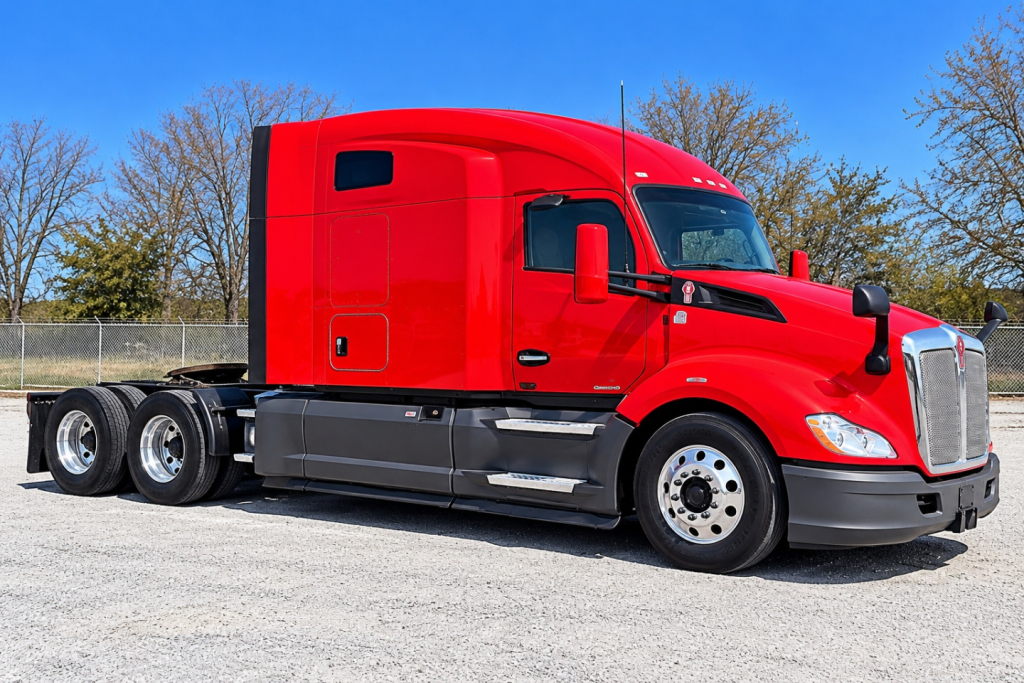
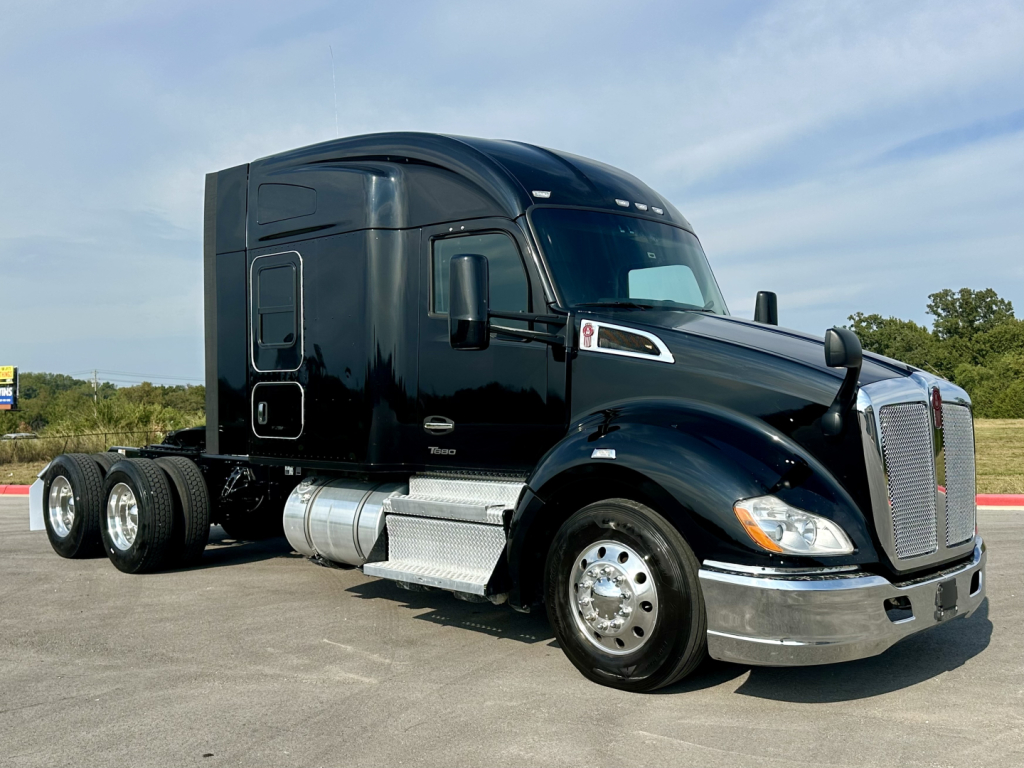
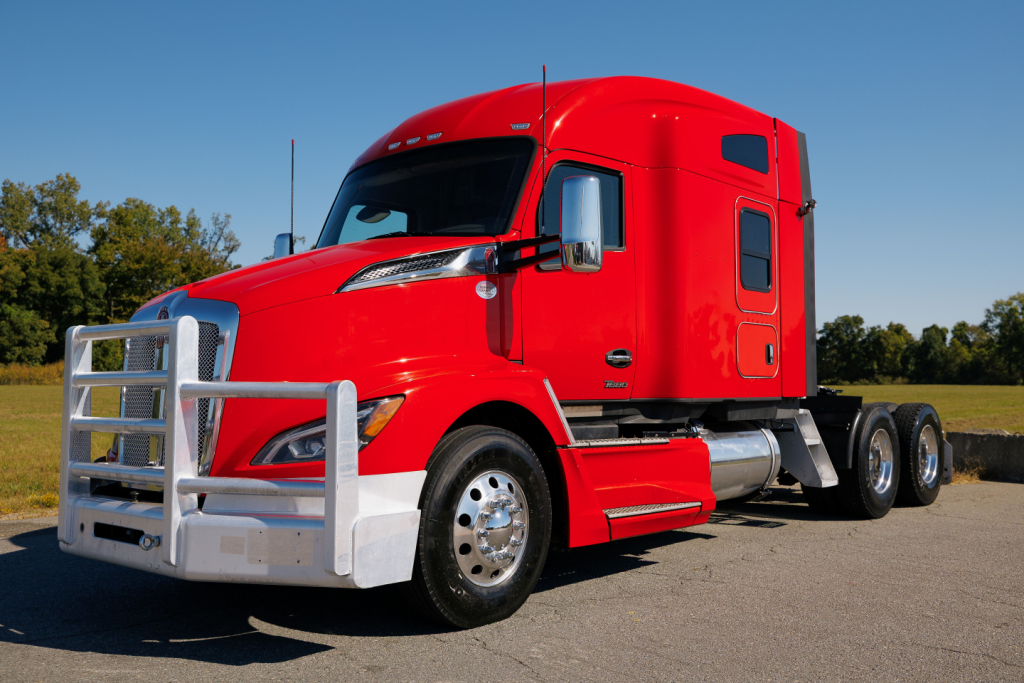
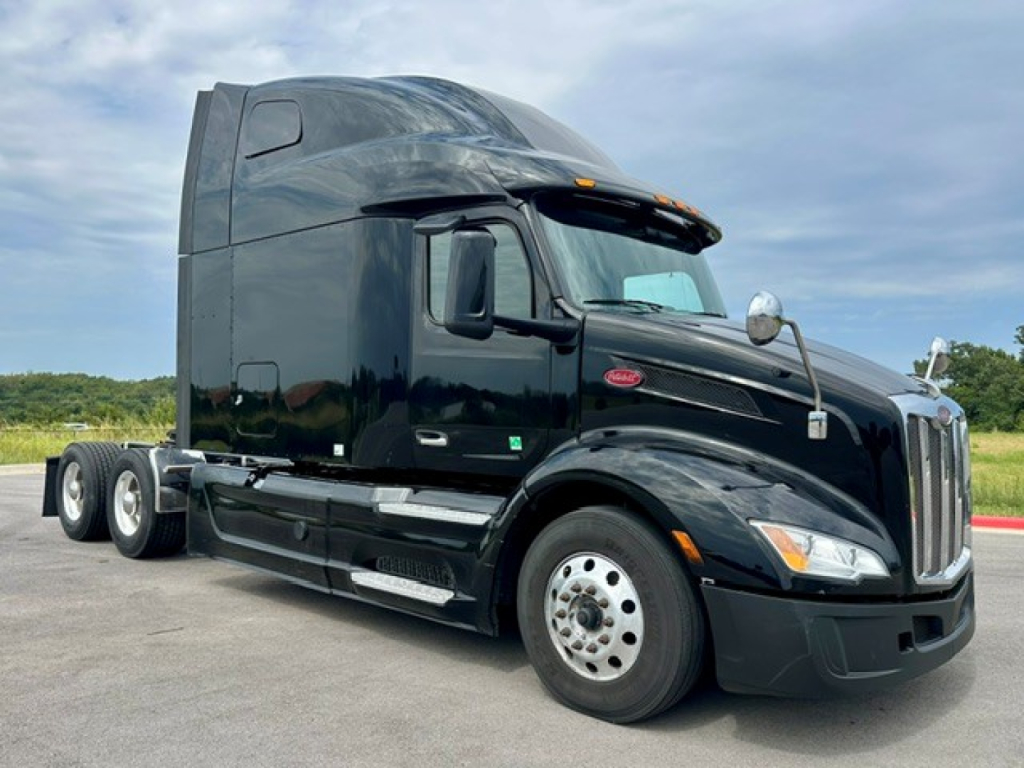
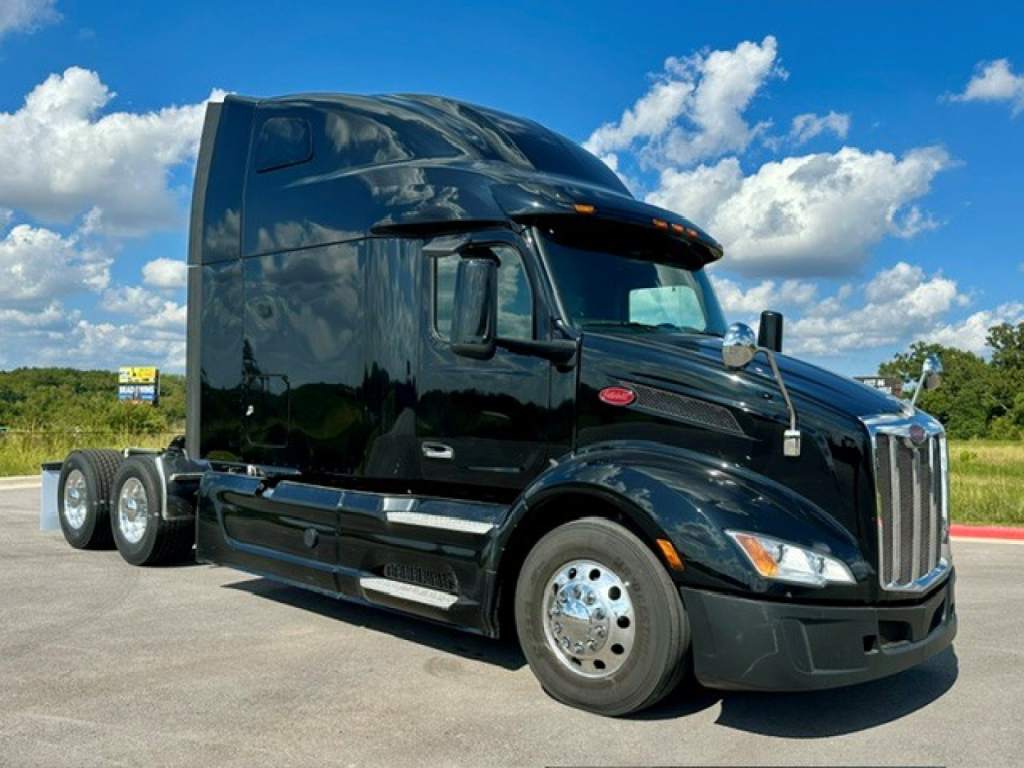
Selling a 2022 commercial truck? List your 2022 commercial truck for sale and reach thousands of commercial buyers.
2022 Commercial Trucks in Arkansas
Start with the fundamentals that affect operating cost and job fit: GVWR, axle ratings, wheelbase, engine family, transmission type, rear ratio, and suspension. On pickup and chassis cab models, buyers usually compare diesel versus gas power, 4x2 versus 4x4, bed or body length, and tow ratings. On medium-duty and heavy-duty trucks, pay close attention to horsepower and torque, Allison automatic versus manual transmissions, single-axle versus tandem setups, and whether the truck has the PTO provisions, locking differentials, and frame capacity needed for the body or trailer you plan to run. Arkansas buyers often balance highway manners with jobsite durability, so suspension type, brake configuration, and tire size deserve a close look, especially on dump, rollback, and severe-service applications.
Condition matters more than age alone on any 2022 truck. Engine hours, idle time, maintenance records, brake and tire wear, DEF system history, and signs of body or frame modification tell you more than the model year by itself. On vocational trucks, inspect hoists, hydraulics, PTO engagement, body floor condition, sidewall wear, tailgate hardware, and any controls tied to the upfit. On tractors and day cabs, look at fifth wheel wear, frame drilling, suspension bushings, driveline condition, and emissions service history. On pickup-based trucks, buyers should verify tow package equipment, bed condition, hitch setup, and whether any aftermarket tuning or suspension changes were done.
A good 2022 truck should still offer modern driver-assist and comfort features that improve uptime and retention, but the real buying decision comes down to specs and serviceability. Make sure the wheelbase works for the intended body or trailer, the axle ratings support legal payload, and the powertrain is right for the terrain and stop-start frequency you expect in Arkansas. A truck that is slightly overbuilt for the job usually holds up better than one operating at the edge of its ratings every day. Buyers comparing 2022 trucks should focus on clean spec sheets, documented maintenance, and a configuration that fits the route, load, and duty cycle from day one.
Frequently Asked Questions about 2022 Commercial Trucks in Arkansas
What should I look for first when buying a 2022 truck?
Start with the truck’s intended application and core ratings. GVWR, front and rear axle capacity, wheelbase, engine, transmission, and rear ratio should match the load, trailer, body, and route you plan to run. After that, review maintenance records, miles, engine hours, idle hours if available, tire condition, brake wear, and emissions system service history. A 2022 truck with the right spec and documented care is usually a better buy than a newer-looking truck with the wrong configuration.
Is a 2022 truck a good choice for vocational work in Arkansas?
Yes, if the truck was spec'd for the work and has been maintained correctly. Arkansas fleets often need trucks that can handle a mix of highway travel, rural roads, jobsite access, and hot-weather operation. That makes axle ratings, suspension, brake setup, PTO capability, and cooling system condition especially important. For dump, rollback, refuse, and service body applications, buyers should also inspect the upfit closely because hydraulic and body condition can affect value as much as the chassis itself.
How important are transmission and rear ratio on a 2022 truck?
They are critical because they directly affect launch performance, gradeability, cruising RPM, fuel economy, and driver acceptance. Allison automatics are common on vocational trucks because they perform well in stop-and-go service and PTO applications. Manual and automated manual transmissions may be preferred in some heavy-haul or highway uses. Rear ratio should be evaluated with tire size, engine torque curve, and expected speed range, not by itself. A truck with the wrong gearing can feel underpowered, run inefficiently, or wear faster under load.
Should I be concerned about emissions equipment on a 2022 truck?
You should inspect it carefully, but a 2022 model is still well within the age range where proper maintenance usually makes the difference. Review any history related to the DEF system, DPF cleaning or replacement, sensors, EGR components, and fault codes. Excessive idling, short-trip operation, and deferred maintenance can create emissions problems on otherwise solid trucks. A pre-purchase inspection with a diagnostic scan is a smart step, especially on medium-duty and heavy-duty diesel units.
What is the difference between buying a 2022 pickup, medium-duty truck, and heavy-duty truck?
The main difference is duty cycle, chassis capacity, and body or trailer compatibility. A 2022 pickup may be the right tool for towing, service work, and lighter payloads, especially in 3/4-ton and 1-ton configurations. Medium-duty trucks cover applications like rollback, box, stake, utility, and lighter vocational work where GVWR and body integration matter more. Heavy-duty trucks are built for tandem axle loads, severe-service applications, and tractor use where frame strength, suspension, drivetrain durability, and upfit compatibility become the primary buying factors.