
2022 Conventional Sleeper Trucks For Sale in Arkansas
Compare 2022 conventional sleeper trucks for sale in Arkansas by gearing, emissions history, sleeper layout, and warranty status for regional or highway work.
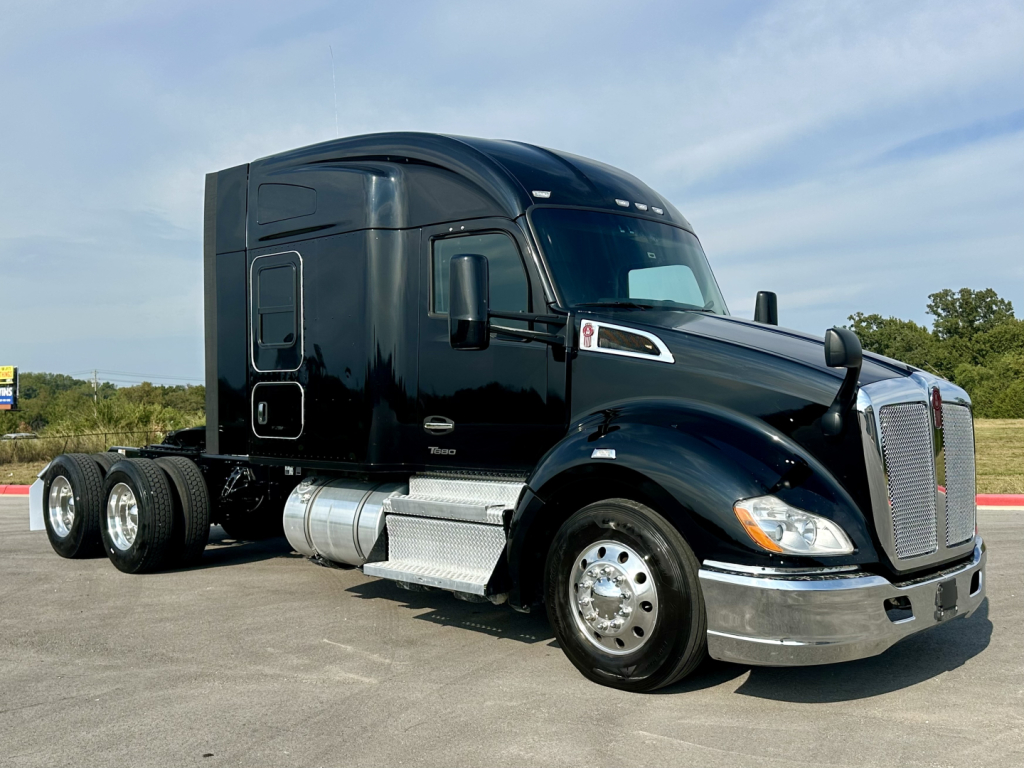
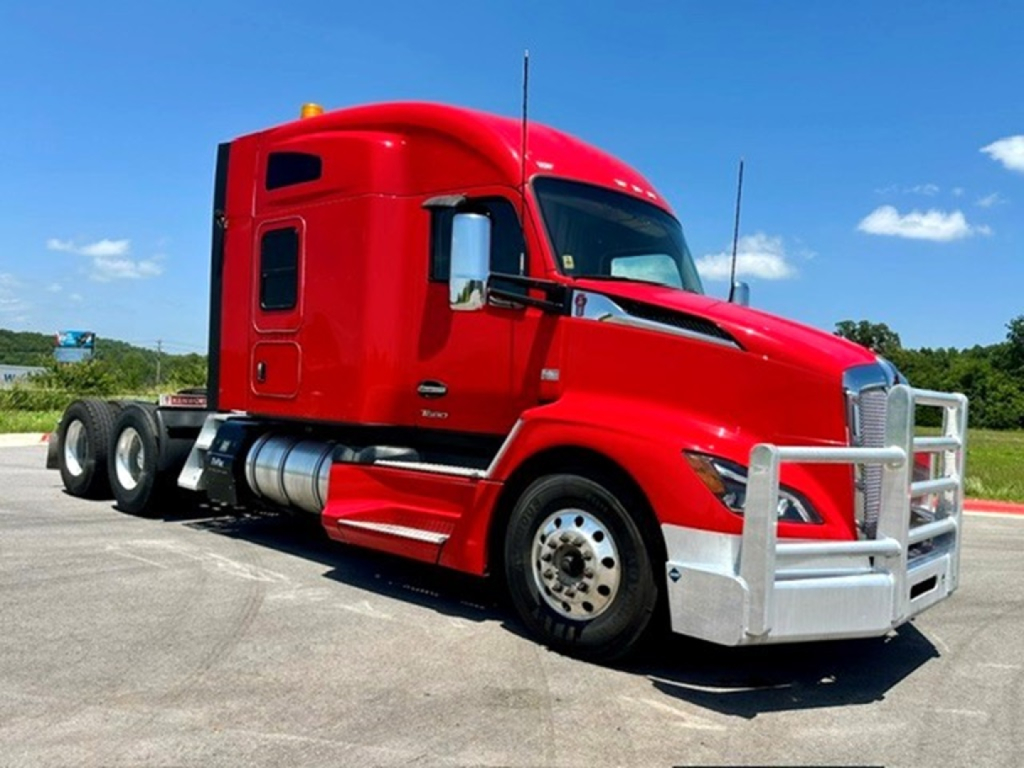
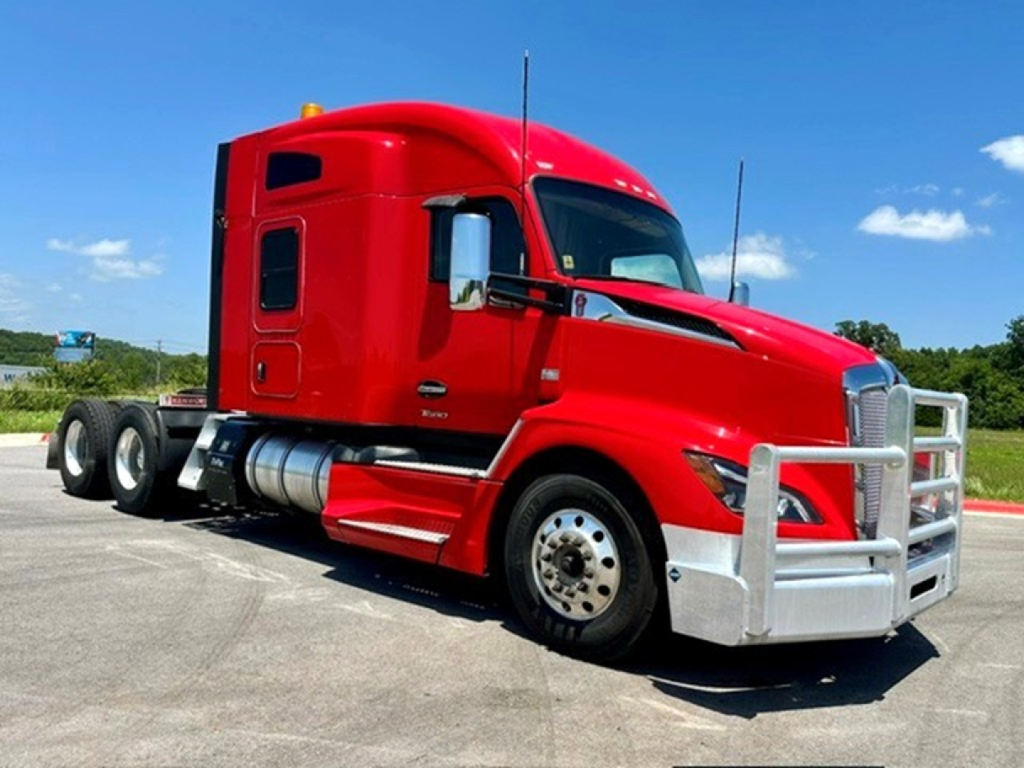
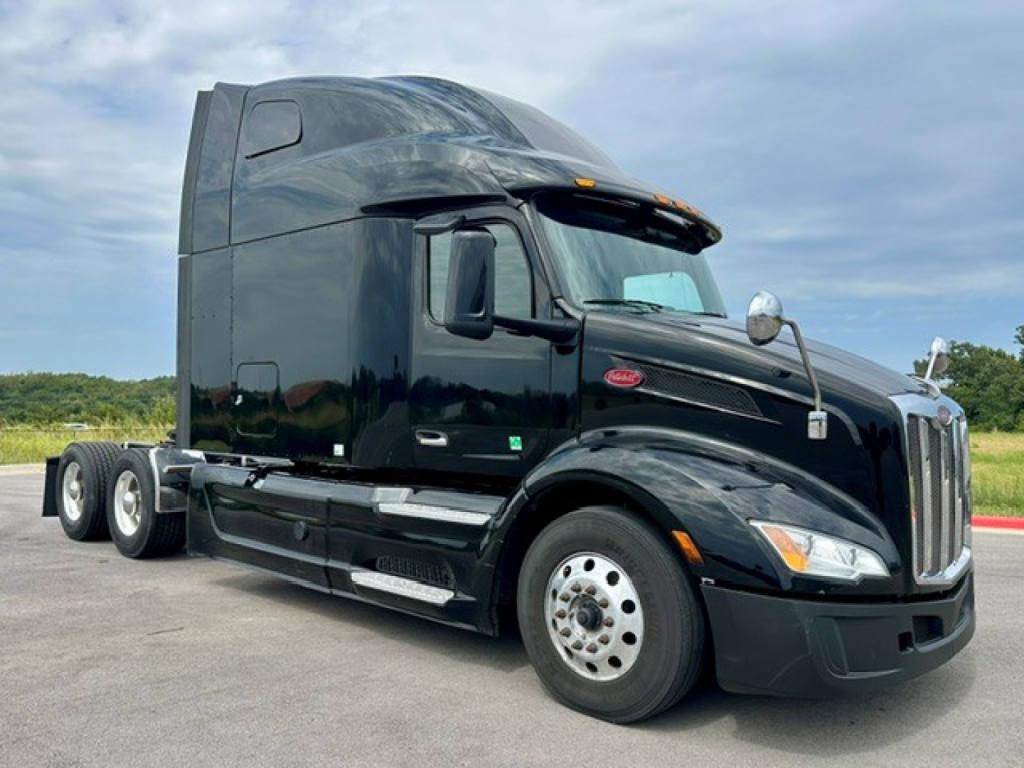
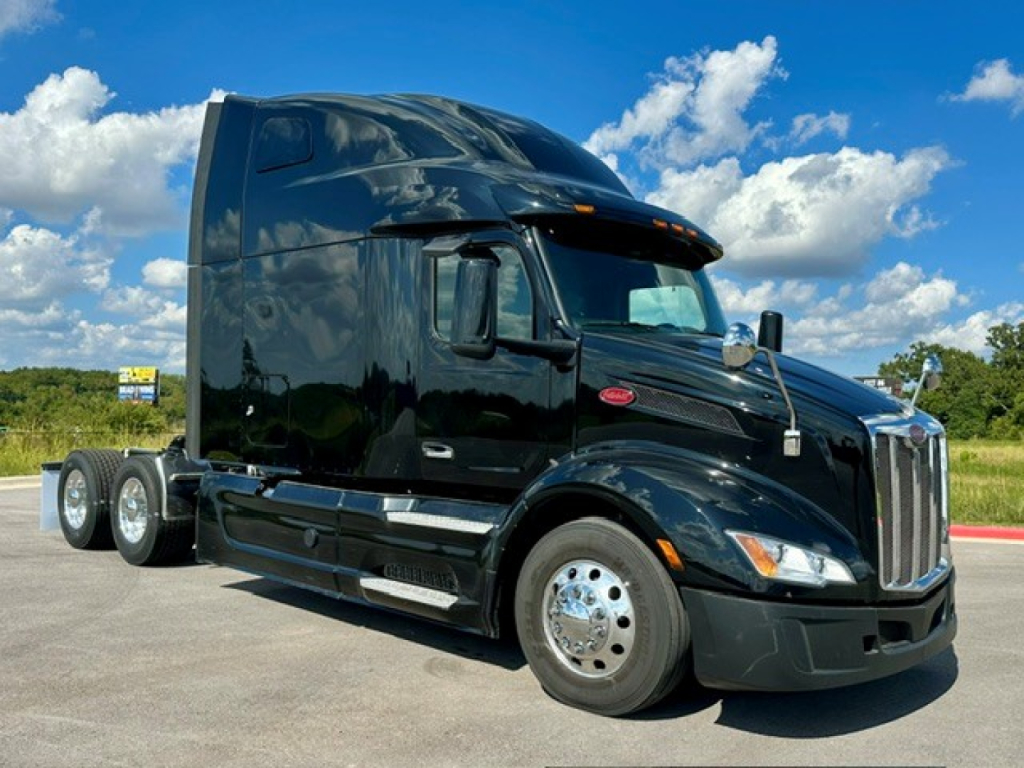

Selling a 2022 conventional sleeper truck? List your 2022 conventional sleeper truck for sale and reach thousands of commercial buyers.
2022 Conventional Sleeper Trucks in Arkansas
For aerodynamic highway work, compare the Peterbilt 579, Kenworth T680, Freightliner Cascadia, and Volvo VNL. The 579 and T680 commonly use PACCAR MX-13 or Cummins X15 engines, with transmission choices varying by build. Cascadia configurations commonly pair Detroit DD15 engines with DT12 automated transmissions, while VNL configurations often pair a D13 with I-Shift. The Peterbilt 567 also suits vocational trailer assignments when equipped as a sleeper tractor. Roof height should match the trailer profile: tall aerodynamic sleepers suit vans and reefers, while lower sleepers can fit flatbed operations better.
The 2022 model year belongs to the GHG21 emissions era, with diesel particulate filters, SCR, and DEF systems on typical highway diesels. Updated 579 and T680 designs entered production around this period, so verify the actual cab generation and equipment from the build sheet rather than the model name alone. On used tractors, compare ECM mileage, engine hours, idle percentage, and fault history with service records. Document DPF ash cleaning, regeneration complaints, DEF dosing repairs, and cooling-system maintenance before accepting an emissions system as healthy.
Sleeper layout should follow the driver's schedule, not simply the largest advertised dimension. Team operations need usable double bunks and storage, while solo regional work may justify a shorter sleeper and wheelbase. Arkansas heat and humidity make air conditioning, sleeper insulation, and auxiliary power equipment practical inspection priorities. Test sleeper climate control under load, and check roof seams, door seals, and flooring for water intrusion. Inspect fifth-wheel jaws, suspension bushings, air springs, brake components, and driveline vibration. An Arkansas location does not establish operating history, so check frames and electrical connections for corrosion from previous northern service.
For a new or unused 2022 tractor, verify original build specifications, storage care, tire date codes, batteries, and fluid condition. Confirm warranty start dates, mileage limits, exclusions, and transfer requirements in writing; model year alone does not establish remaining coverage. Qualifying new heavy tractors are generally subject to the 12% federal excise tax at first retail sale. For used equipment, budget maintenance from inspection findings and service history rather than assuming low mileage means little wear.
Frequently Asked Questions about 2022 Conventional Sleeper Trucks in Arkansas
Is a 2.64 axle ratio a good choice for a 2022 sleeper tractor in Arkansas?
A 2.64 axle ratio can suit interstate van or reefer work when the transmission, tire size, and engine torque curve support downspeeding. A 2022 conventional sleeper tractor making frequent loaded starts or working steep Arkansas routes may need different gearing. Compare overall startability and cruise RPM, not axle ratio alone, because direct-drive and overdrive transmissions change how the same rear ratio performs.
How much weight can a sleeper tractor and trailer haul on Arkansas Interstates?
A conventional sleeper tractor and trailer on Arkansas Interstates normally face an 80,000-pound gross limit, with 20,000 pounds on a single axle and 34,000 pounds on a tandem. Federal Bridge Formula requirements can reduce allowable weight based on axle spacing. Tractor ratings do not override road limits, and posted bridges or connecting roads may impose lower limits. Oversize or overweight movements require separate route and permit review.
Is an oil sample worth taking before buying a used 2022 sleeper truck?
Yes, engine oil analysis can reveal fuel dilution, coolant contamination, and abnormal wear metals in a used 2022 conventional sleeper truck. Request a sample from oil with documented service hours, because freshly changed oil can conceal developing problems. Compare results with earlier samples when possible, and combine the findings with crankcase-pressure testing and a fully warmed road test. One clean sample does not guarantee engine condition.
Can an Arkansas-registered 2022 sleeper tractor run into California?
An Arkansas-registered 2022 diesel sleeper tractor can operate in California, but California emissions compliance must be verified separately. Most heavy diesel tractors operating there are subject to CARB Clean Truck Check reporting and emissions testing, including vehicles registered outside California. Confirm the engine emissions label and current compliance status before dispatch. A newer model year does not replace required testing, and port work may carry additional requirements.
Do I need a PTO on a sleeper tractor for Arkansas grain or timber hauling?
A hopper-bottom grain trailer normally does not require a tractor PTO, while an end dump or hydraulic live-floor trailer usually does. For a 2022 conventional sleeper tractor, verify transmission PTO compatibility before planning a wet-kit installation. Match pump output, reservoir capacity, hydraulic pressure, and couplers to the trailer requirements. Timber flatbeds without powered unloading equipment typically do not need a tractor-mounted hydraulic system.