
2022 Commercial Trucks For Sale in New Jersey
Browse 2022 trucks for sale in New Jersey, including box, dump, service, and cab chassis models with diesel and gas powertrain options.
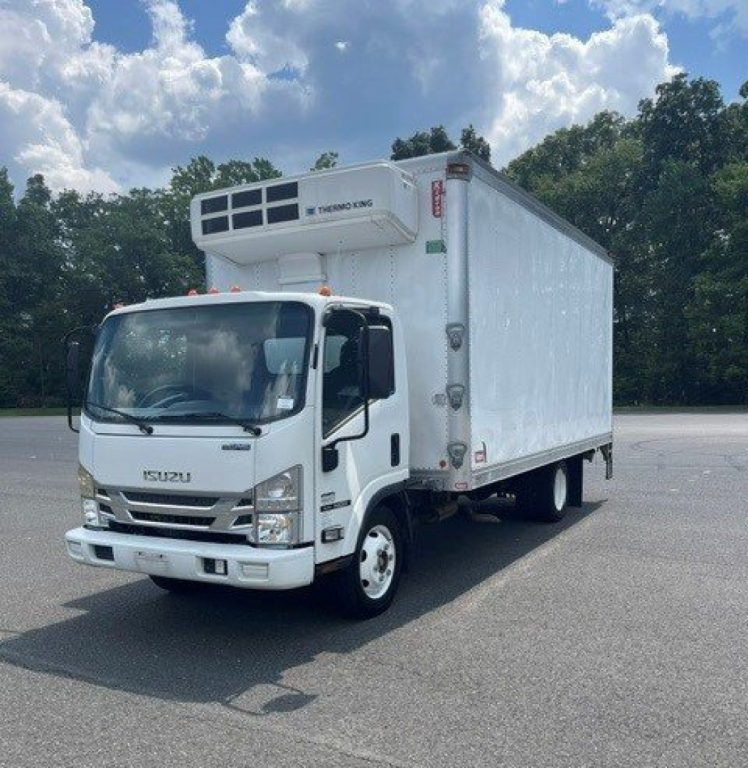
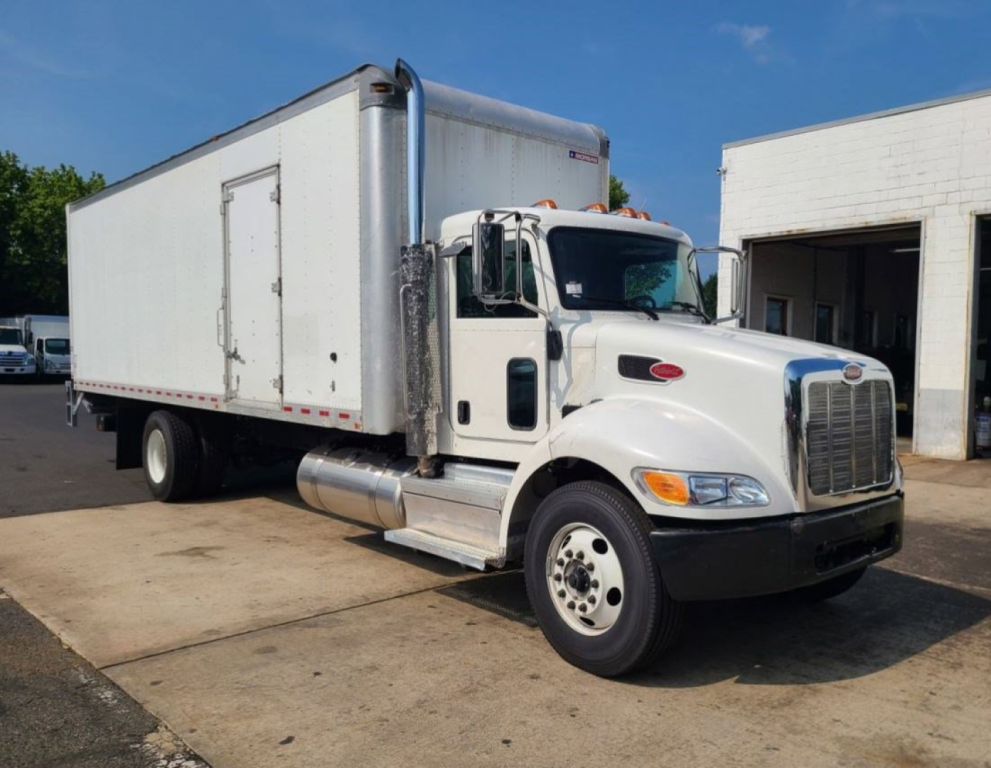
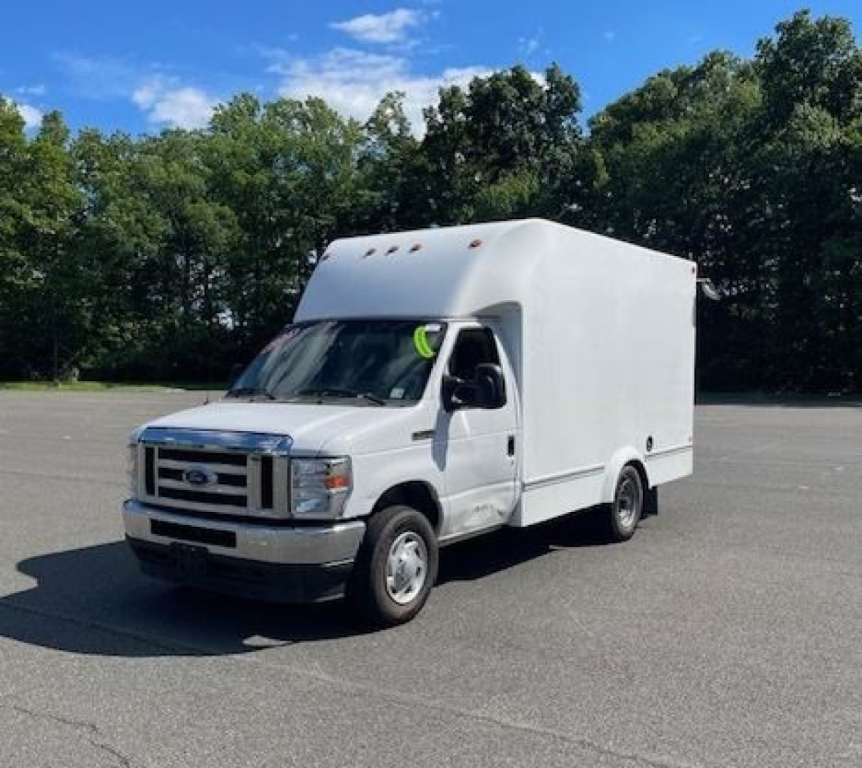
Selling a 2022 commercial truck? List your 2022 commercial truck for sale and reach thousands of commercial buyers.
2022 Commercial Trucks in New Jersey
For delivery and vocational work, 2022 model year trucks often bring a strong mix of modern drivetrains and familiar serviceability. Buyers comparing box trucks should look closely at GVWR, cargo length, door opening dimensions, liftgate capacity, and roof height if palletized freight is part of the operation. On dump and municipal-style trucks, pay attention to axle configuration, PTO setup, body hoist condition, liner material, tarp system, and suspension spec. Cab and chassis units should be evaluated around frame length, cab-to-axle measurement, fuel tank placement, and any upfit compatibility issues. In New Jersey, tight urban routes, bridge clearance, port access, and stop-and-go duty cycles make turning radius, visibility, and transmission choice especially important.
Powertrain selection matters because 2022 trucks can span gasoline light-duty platforms, diesel medium-duty platforms, and heavier vocational diesel specs. Diesel engines remain common for box, dump, and high-mileage fleet use because they deliver stronger torque under load and better long-run efficiency. Gas engines can still make sense in service bodies and lighter regional applications where lower upfront cost and simpler maintenance are priorities. Buyers should verify transmission type, rear axle ratio, brake spec, and emissions system history, especially on trucks used in dense regional routes with frequent idling. A clean maintenance record on DEF, DPF, injectors, and cooling components can be just as important as mileage.
A 2022 truck also tends to appeal to fleet buyers focused on image, uptime, and financing. Many units from this year will still feel current in the cab, with better ergonomics, telematics support, backup cameras, and modern HVAC and dash layouts. The best value usually comes from matching the truck to the actual route and payload instead of buying extra capacity that never gets used. In New Jersey, that means balancing legal weight limits, maneuverability, corrosion exposure, and body condition against engine hours, idle time, and service documentation. Buyers comparing 2022 trucks for sale should treat spec alignment, maintenance transparency, and vocational fit as the main decision points.
Frequently Asked Questions about 2022 Commercial Trucks in New Jersey
What should I check first when buying a 2022 truck in New Jersey?
Start with the truck’s intended job and verify that the GVWR, axle ratings, wheelbase, body style, and CDL requirements match the work. In New Jersey, buyers should also consider tight roads, urban delivery patterns, toll routes, and corrosion exposure from winter road treatment. After that, review maintenance records, engine hours, idle time, emissions system service history, and any signs of body or frame rust.
Are 2022 diesel trucks a better choice than gasoline trucks?
Diesel trucks are typically the better fit for heavier payloads, longer routes, and vocational work that requires sustained torque, such as box, dump, and regional fleet applications. Gasoline trucks can be a practical choice for lighter-duty service, utility, or short-route work where lower acquisition cost and simpler maintenance are more important than fuel economy under load. The right answer depends on payload, annual mileage, idle time, and service access.
Why does body type matter so much on a 2022 truck?
Body type drives the truck’s usefulness, legal payload, and operating cost. A box truck is built around cube capacity and delivery efficiency, a dump truck is spec’d for material handling and PTO-driven equipment, a service truck supports field repair and storage, and a cab and chassis gives flexibility for a custom upfit. Buyers should evaluate the body and chassis together because mismatched specs can limit performance and reduce resale value.
What are the most important specs to compare on a 2022 used truck?
The key specs are GVWR, wheelbase, cab-to-axle, engine output, transmission type, rear axle ratio, suspension, brake configuration, and tire size. For body-equipped trucks, add cargo dimensions, hoist or liftgate capacity, PTO compatibility, and body condition. These specs determine how the truck performs under load, how easily it can be serviced, and whether it fits your route, licensing needs, and operating costs.
Is a 2022 truck old enough to have useful service history but new enough to feel current?
Yes. A 2022 truck often gives buyers a good middle ground because it is new enough to include updated safety features, improved cab design, and current drivetrain technology, but old enough to show a real maintenance pattern. That service history can help identify how the truck was used, how the emissions system was maintained, and whether the unit has been operated in a way that supports dependable fleet use.