
2002 Commercial Trucks For Sale in New York
Explore 2002 trucks for sale in New York. Pre emissions diesel options, payload and tare weight insights, corrosion checks, floors and insulation tips.
Selling a 2002 commercial truck? List your 2002 commercial truck for sale and reach thousands of commercial buyers.
2002 Commercial Trucks in New York
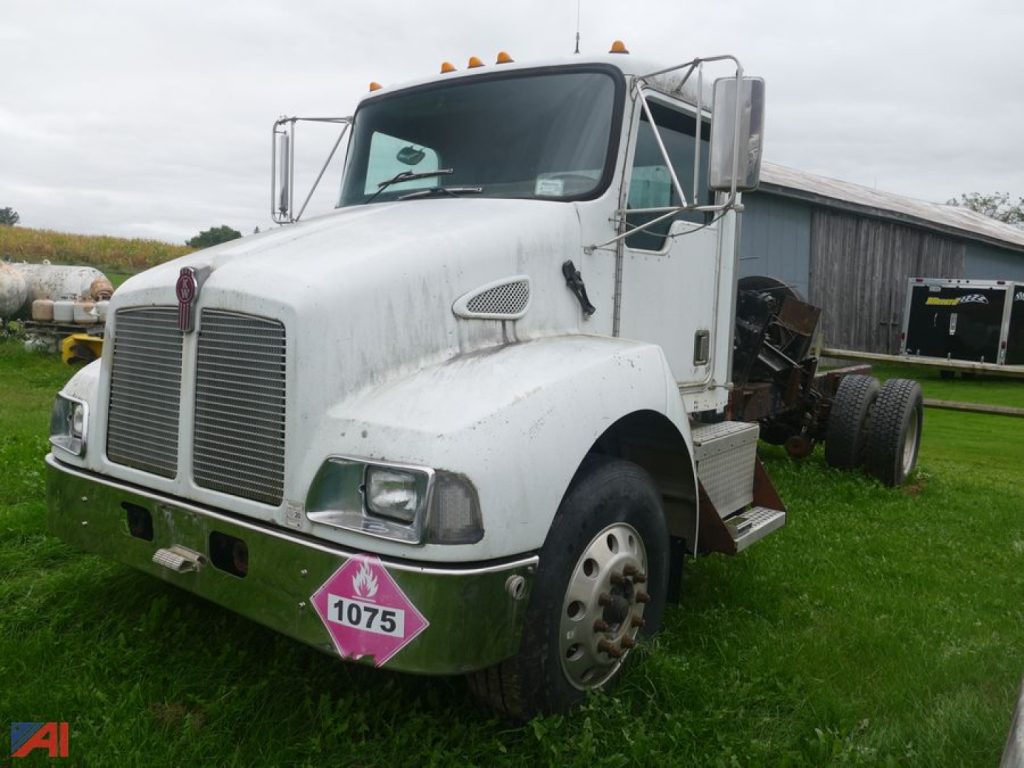
For tractors, pay close attention to axle ratings, wheelbase, and suspension choice because they drive tare weight and ride quality. A common on highway tandem spec is 12,000 to 13,200 lb steer with 40,000 to 46,000 lb drives on air ride, sliding fifth wheel, and 3.36 to 3.90 axle ratios depending on terrain and top gear. Aluminum wheels, aluminum air tanks, and smaller fuel packages trim weight, while full lockers, heavy frame inserts, and wet kits add weight but improve durability or PTO utility. Inspect frame flanges for drill holes and cracks, spring hangers for elongation, and crossmembers for pack rust. In New York, road salt accelerates corrosion, so look for flaking scale at the suspension brackets, fifth wheel angles, battery boxes, and along wiring harness junctions.
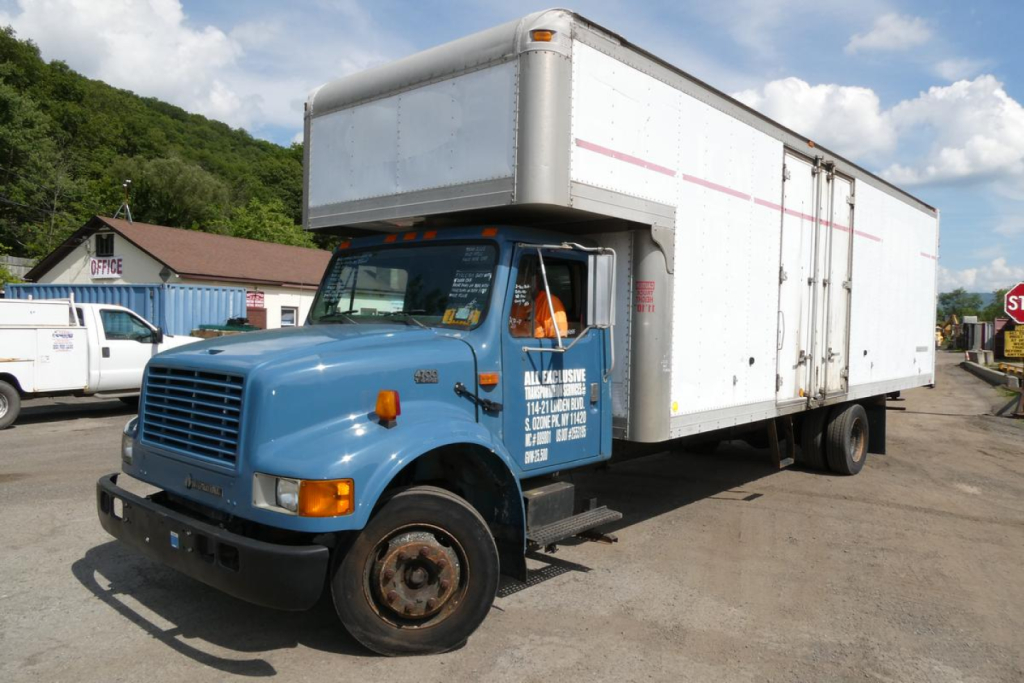
Box and reefer trucks from this vintage live or die by floor strength and thermal integrity. A dry van or reefer body with a 1.25 to 1.5 inch laminated hardwood floor or an aluminum duct floor should still support standard 4,000 to 6,000 lb forklift point loads if crossmembers are sound and sills are tight to the rails. Check for soft spots at rear thresholds, screw pops, loose threshold plates, and separated crossmembers. Scuff liners 12 to 24 inches high and intact logistics posts or E track prevent wall damage that can telegraph into the floor. For reefers, examine insulation continuity, door seals, and drain tubes, then verify the unit pulls down and holds setpoint. Uneven temperatures, excessive unit hours without recent service, and delamination in the sidewalls point to lost R value and higher fuel burn.
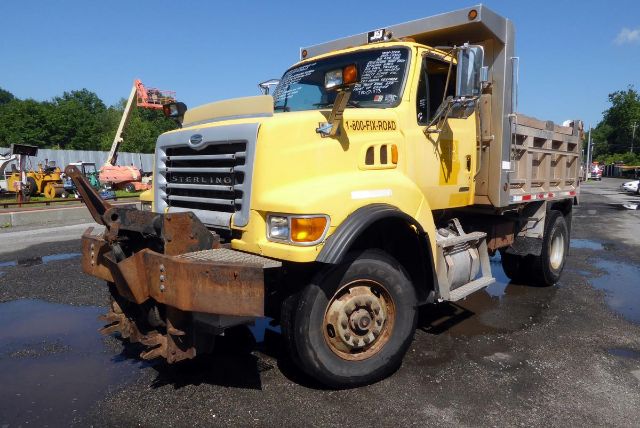
Vocational 2002 trucks benefit from proven frames and simpler hydraulics. On dumps and mixers, look for double frame or full length liners where required, AR steel floors at 1/4 to 3/8 inch for impact resistance, and hoists that lift smoothly without drift. Aluminum dump bodies cut tare weight and resist corrosion but can dent under heavy rock service, steel bodies carry more abuse but add weight and must be protected from salt. Across all configurations, favor stainless hardware, sealed connectors, good undercoating, and intact splash shields to slow corrosion. In cold climates, block heaters, winter fronts, and cab insulation that is still tight reduce idle time and protect engines at start up, and that thermal integrity inside the cab matters for driver comfort and HVAC efficiency on long shifts.
Frequently Asked Questions about 2002 Commercial Trucks in New York
Are 2002 trucks considered pre emissions and are they allowed to operate in New York?
Many 2002 trucks are pre emissions, some late 2002 builds introduced cooled EGR. None use DPF or DEF. They are legal to operate in New York if they pass safety and emissions inspections required for their class, but certain municipalities or port programs may have age based or emissions specific access rules. Verify the engine build date and calibration with the serial number, and check any local restrictions for urban delivery zones or ports you plan to serve.
What tare weight should I expect from a 2002 tandem road tractor or a 26 foot box truck?
A typical 2002 tandem highway tractor with a sleeper on aluminum wheels and air ride often scales between 17,000 and 19,000 lb, while a day cab can come in a few hundred to a thousand pounds lighter depending on fuel capacity, frame spec, and axle ratings. A 26 foot non CDL box truck with a 102 inch wide dry van body and liftgate commonly ranges from 12,500 to 15,500 lb empty. Options like double frames, steel wheels, full lockers, heavy spec suspensions, and large liftgates add weight, while aluminum components and smaller fuel tanks reduce it.
How do I evaluate floor strength and thermal integrity on a 2002 dry van or reefer truck?
Inspect the rear threshold for rot and loose fasteners, probe laminated hardwood floors for soft spots, and check that crossmembers are straight and tight to the sills. For aluminum duct floors, look for crushed channels and broken welds. Verify forklift point load ratings if available. For reefers, examine door seals, hinge alignment, and liner seams, then run the unit to confirm a timely pull down and stable hold at setpoint. Signs of poor thermal integrity include sweating panels, delamination, odor from wet insulation, uneven return air temps, and excessive fuel use to maintain temperature.
What corrosion issues are common on 2002 trucks from New York and how can I spot them?
Road salt accelerates frame scale, pack rust between frame rails and liners, and corrosion around suspension brackets and crossmembers. Look for blistered paint on frame flanges, rust jacking near bolt heads, and pitting on air tanks. On cab and body, check battery boxes, steps, and door bottoms, and watch for galvanic corrosion where aluminum meets steel without isolation. Inspect brake and fuel lines for rust at clips, and examine electrical connectors for green corrosion and hardened insulation, especially at the rear body harness.
What gearing and drivetrain choices work best for mixed New York routes with hills and stop and go traffic?
For regional and mixed duty, many buyers favor 3.55 to 3.90 axle ratios paired with a 10 speed or 13 speed manual or a well geared automated manual to balance gradeability and cruise rpm. Shorter wheelbases improve maneuverability in city deliveries, while air ride drive suspensions help protect cargo and reduce driver fatigue. Match horsepower and torque to gross weight and terrain, then confirm the top gear and axle ratio keep cruise rpm in the engine’s sweet spot at your target highway speed.