
2002 Commercial Trucks For Sale
Buyer-focused guide to used 2002 trucks, covering tare weight, floor strength, thermal integrity, corrosion resistance, and key powertrain specs.
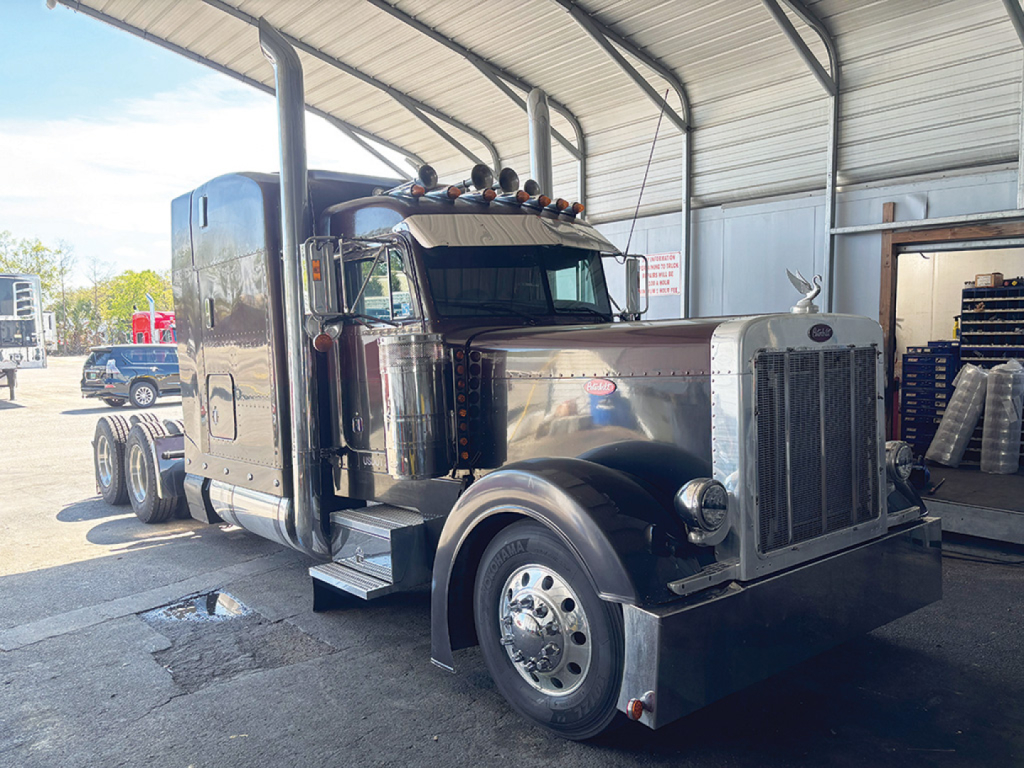
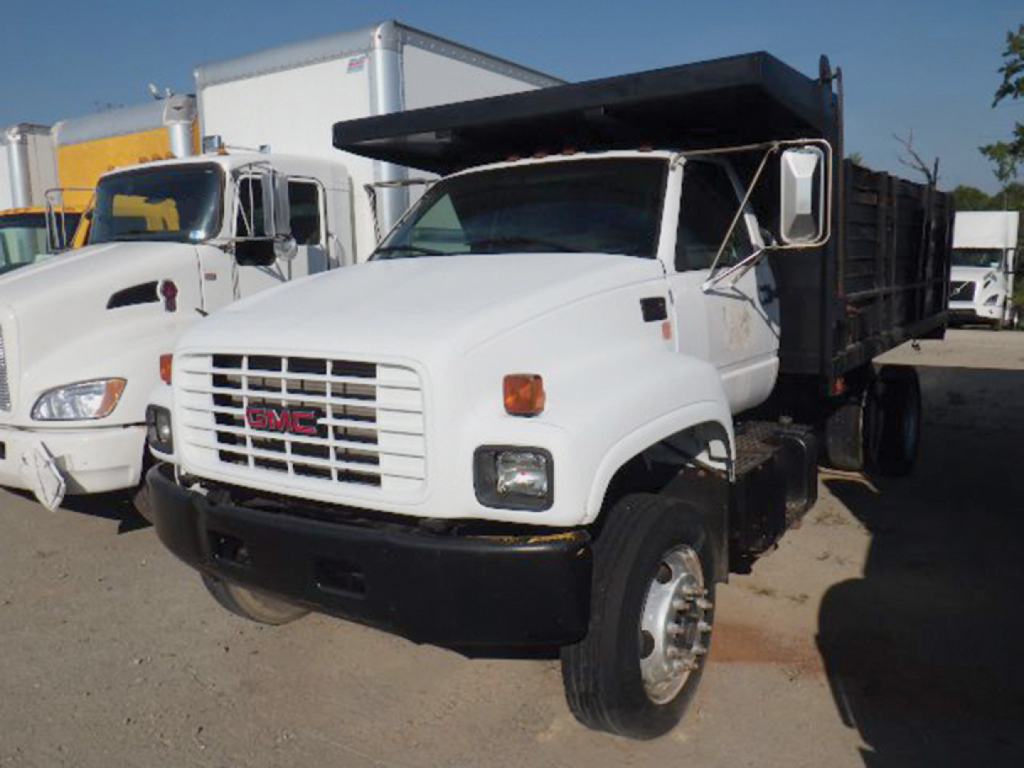
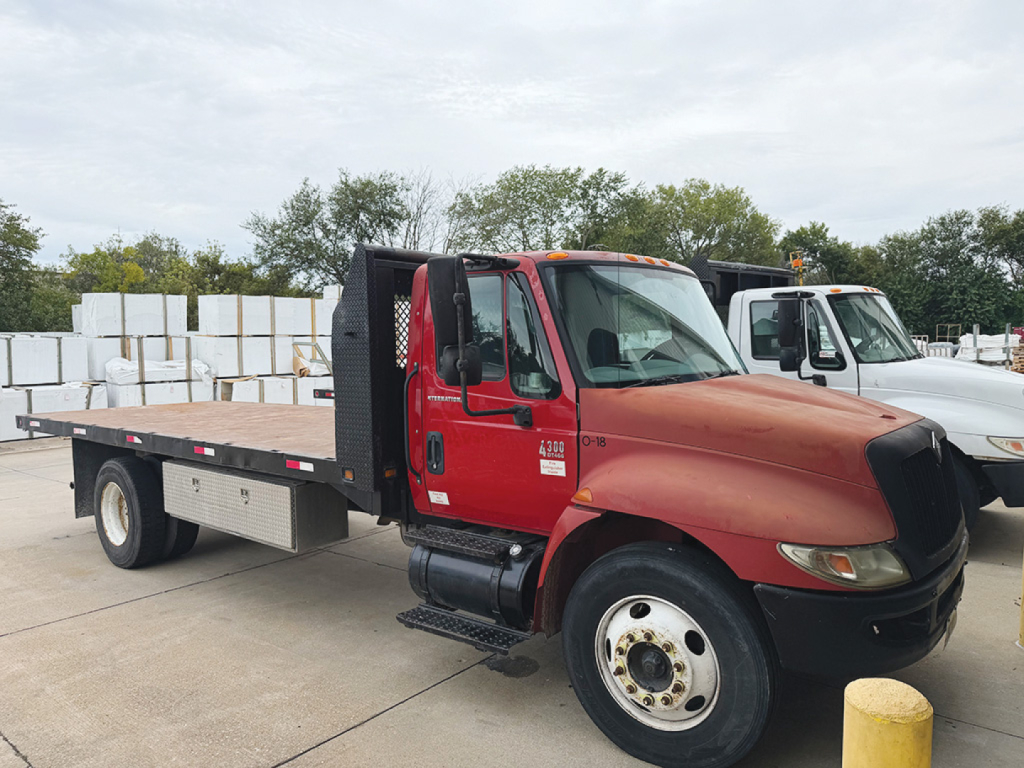
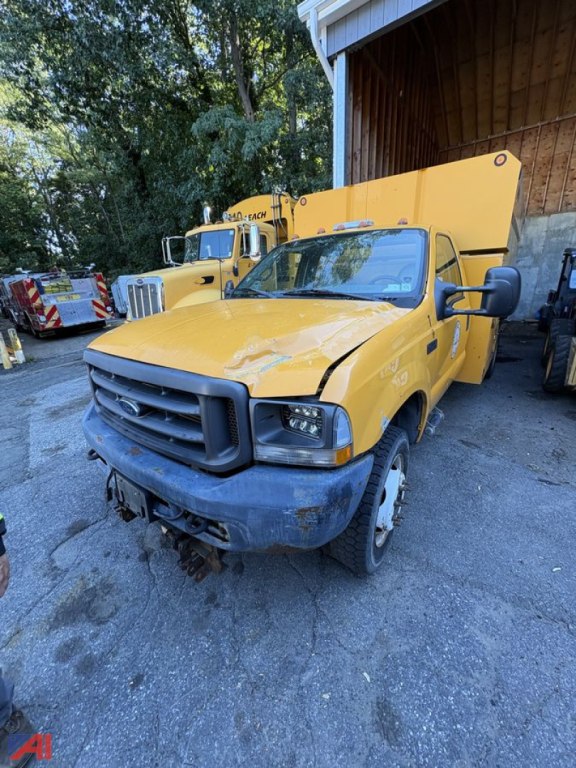
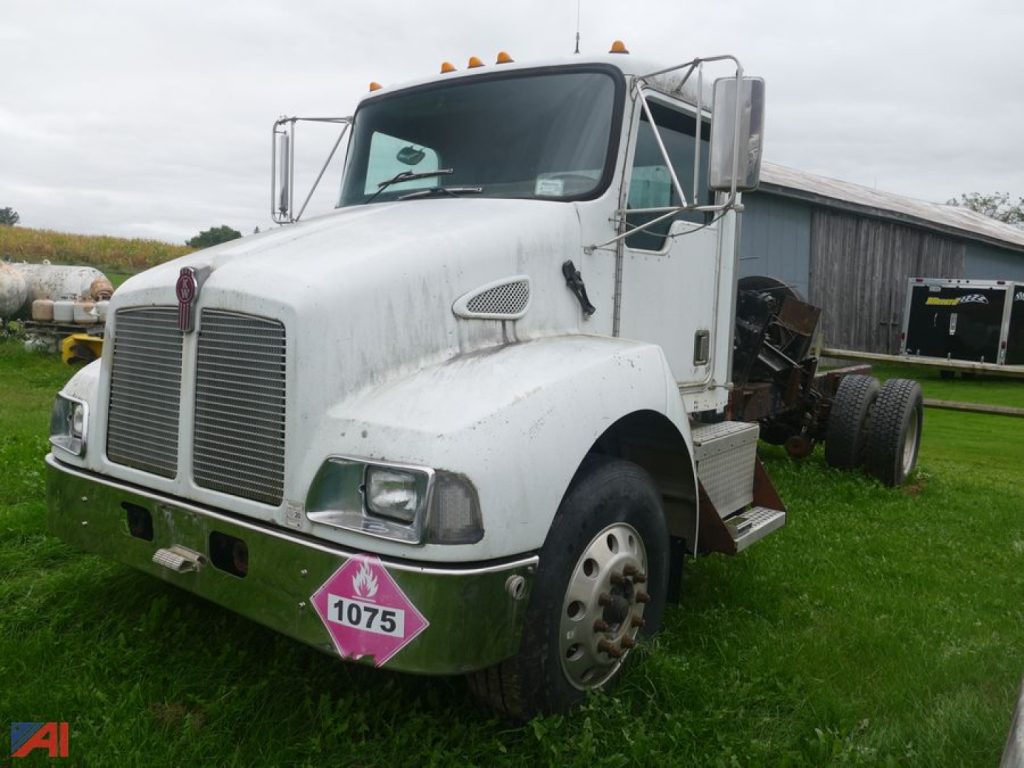
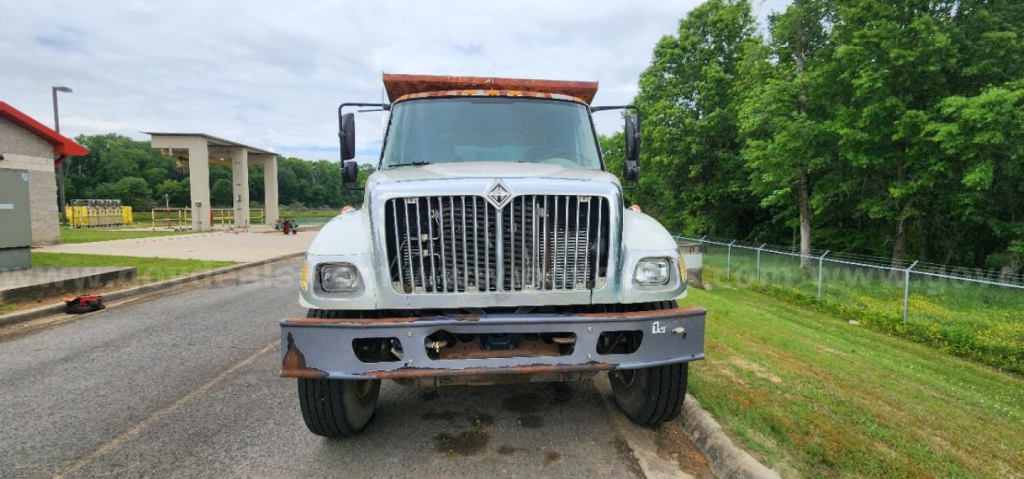
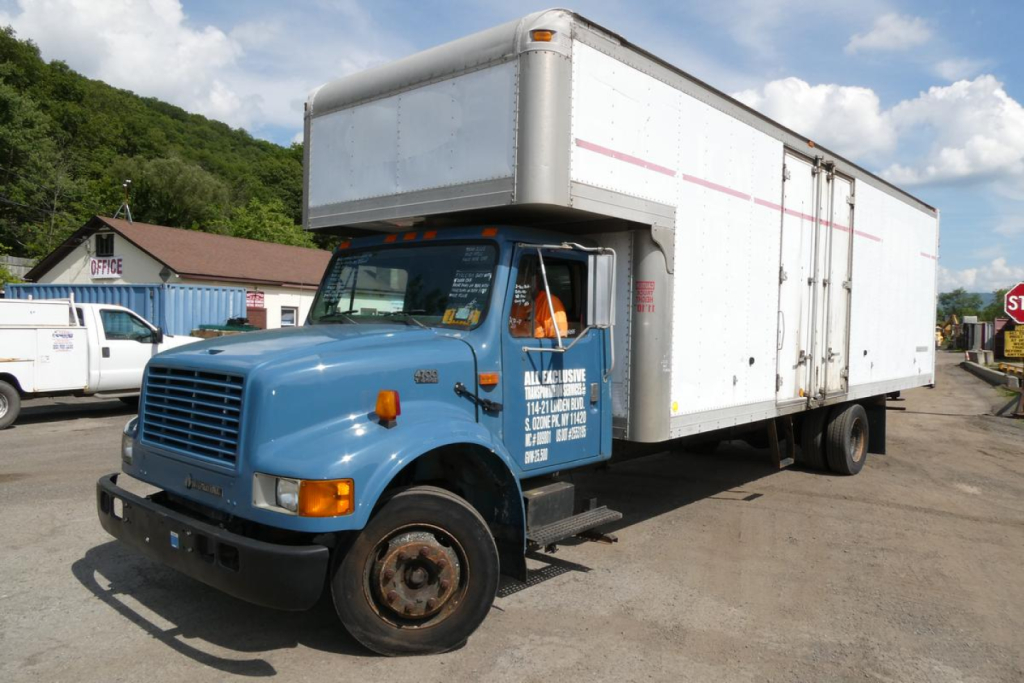
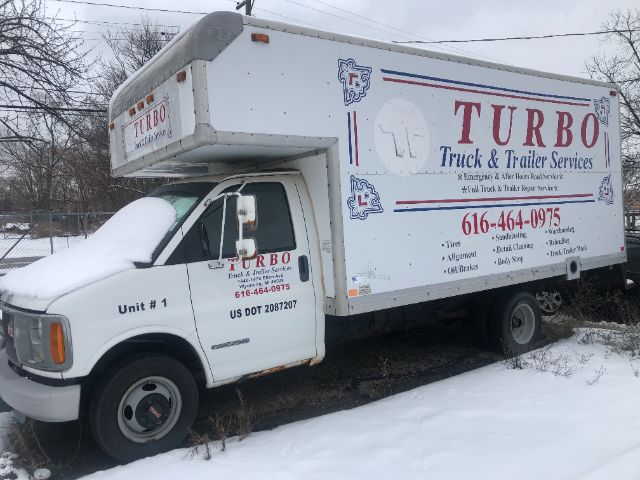
Selling a 2002 commercial truck? List your 2002 commercial truck for sale and reach thousands of commercial buyers.
2002 Commercial Trucks
Chassis durability on 2002 tractors and vocational trucks depends on frame material and reinforcement. Single frame rails save hundreds of pounds, double frame or insert frames resist twist and hoist loads on dumps and mixers but add weight and can trap moisture between layers. Air ride drive suspensions ride well and help protect cargo and reefer floors, walking beam and heavy rubber block suspensions carry abuse but cost weight and can scrub tires. Drum brakes are standard across this era, ABS is common, stopping power is a function of brake spec and maintenance, look for consistent drum thickness and hardware condition. A sliding fifth wheel adds versatility at a modest weight penalty, wheelbase and set back axle geometry determine bridge compliance and turning clearance.
For 2002 box trucks and reefers, floor strength and thermal integrity drive resale value. Dry van and city box bodies typically use apitong or laminated hardwood floors with aluminum thresholds, better bodies carry an 8,000 to 12,000 pound forklift rating at 24 inch load centers, check fasteners, crossmembers, and scuff liners for impact fatigue. Reefer bodies rely on closed cell foam insulation, R value can decline with age and repairs, inspect for delamination, crushed duct floors, and door gasket compression set. Aluminum duct or T bar floors promote airflow, they resist moisture better than wood but can corrode if road salts or cleaning chemicals pool, look for seam separation and pitting. E track or logistic posts, full height scuff liners, and stainless rear frames help protect walls and corners, saving future repair cost and preserving interior cube.
Corrosion resistance is a make or break variable on 2002 iron. Frames that lived in salt states need close inspection at spring hangers, crossmember attachments, fuel tank straps, fifth wheel mounting feet, and under cab supports. Aluminum cabs, wheels, battery boxes, and step assemblies cut tare weight and resist rust, but watch for galvanic pitting where dissimilar metals meet. Stainless hardware on reefer and dump bodies slows corrosion, painted steel hoists and tailgates still require coatings and diligent washout. Electrical integrity matters as much as steel, open splices and greened connectors in chassis harnesses will cost you downtime, budget for loom repairs and heat shrink if evidence of prior hacks appears. The best 2002 trucks balance lightweight components with protective finishes and sound body construction, delivering payload without sacrificing structural life or temperature control.
Frequently Asked Questions about 2002 Commercial Trucks
Are 2002 trucks pre emissions, and what aftertreatment should I expect?
Most 2002 trucks run without DPF and DEF, those systems arrived in 2007. Some late build 2002 units introduced cooled EGR depending on manufacturer and engine family. That means simpler exhaust plumbing, lower tare weight than later models, and maintenance focused on EGR coolers and valves if equipped, plus standard items like charge air leaks, turbo condition, and proper cooling capacity.
What floor strength is typical on a 2002 box or reefer body, and how do I verify it?
Quality 2002 dry bodies often use apitong or laminated hardwood with crossmember spacing that supports an 8,000 to 12,000 pound forklift rating at a 24 inch load center. Reefers usually feature aluminum duct or T bar floors for airflow. Inspect for cracked boards, loose or pulled fasteners, bent crossmembers, and crushed ducts. Look for continuous scuff liners at least 12 to 24 inches high to confirm the body was protected from pallet impact. Original spec plates near the nose or rear door often list floor ratings.
How much does tare weight vary among 2002 day cabs, sleepers, and vocational chassis?
A typical 2002 tandem day cab tractor with aluminum wheels and a single frame can land around the mid 16,000 to high 18,000 pound range, comparable sleepers with larger tanks and fairings often run 1,500 to 3,000 pounds heavier. Vocational trucks such as dumps or mixers add significant mass due to double frames, heavy suspensions, and body equipment, tri axle dumps commonly exceed 23,000 pounds before payload. Aluminum wheels, hubs, air ride, smaller tanks, and day cab conversions trim weight, while double frames, full lockers, heavy rubber suspensions, and lift axles add it.
How do I evaluate thermal integrity on a 2002 reefer body and unit?
Start with a visual inspection for wall and roof delamination, seam repairs, door gasket compression, and floor corrosion. Ask for a recent pull down test with ambient temperature, setpoint, time to reach setpoint, and cycle behavior, then compare to the unit’s rated capacity. Thermo King SB III and Carrier Maxima or Supra series are common for this era, hours matter more than model year, look for service records showing compressor work, fans, belts, and leak checks. Older insulation can still perform if it stayed dry and undamaged, consistent temperature recovery and minimal air leaks are the best proof.
What corrosion hotspots should I check on a 2002 chassis and body?
Focus on frame flanges near suspension hangers, crossmember bolt holes, under cab mounts, fifth wheel mounts, and fuel tank strap areas. On bodies, inspect rear frame headers, door frames, and threshold plates where water and salt accumulate. Aluminum components resist rust but can pit where they contact steel, look for white powdering and blistering around fasteners. Electrical corrosion shows up at ground points and connectors along the frame rails, poor grounds create intermittent faults that are costly to chase, plan on cleaning and sealing with dielectric grease and heat shrink as needed.