
2023 Trucks For Sale in New York
Shop 2023 trucks for sale in New York. Compare sleeper, day cab, and cab & chassis specs, axle ratings, engines, wheelbases, and applications.
Learn more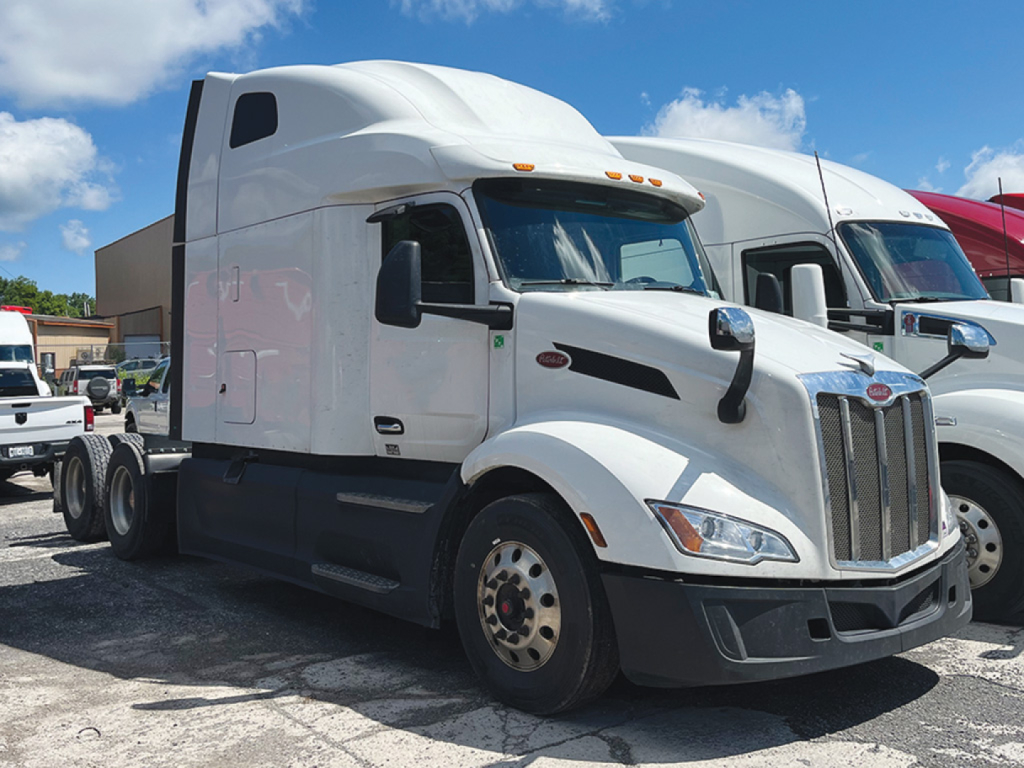

Have 2023 truck to sell? List it here to reach thousands of buyers.
About 2023 Trucks in New York
Frequently Asked Questions
What should I look for first when buying a 2023 truck in New York?
Start with the truck’s intended application, then verify axle ratings, wheelbase, cab configuration, engine, transmission, and emissions equipment. In New York, buyers also need to think about urban maneuverability, bridge and road restrictions, winter traction, and idle reduction requirements that may affect sleeper and vocational specs. A 2023 model should also be evaluated for warranty status, service history, software updates, aftertreatment maintenance, and any active fault codes.
Is a 2023 day cab or a 2023 sleeper truck the better choice?
A 2023 day cab is usually the better choice for port work, regional freight, dedicated routes, and operations where payload, visibility, and turning radius matter more than driver accommodations. A 2023 sleeper truck is the better fit for long-haul or irregular-route freight where bunk space, fuel capacity, fairings, and highway gearing affect driver comfort and operating cost. The right choice comes down to route length, customer dwell time, and how often the truck is away from the terminal overnight.
What drivetrain specs matter most on a 2023 used truck?
The most important drivetrain details are engine family, horsepower and torque rating, transmission type, rear axle ratio, axle configuration, and suspension. Buyers should match those specs to terrain, gross combination weight, trailer type, and average cruise speed. For example, a lower numerical rear ratio can favor fuel economy on highway lanes, while a vocational or heavy stop-and-go operation may benefit from gearing and transmission programming that improve launch, gradeability, and low-speed control.
Are 2023 trucks a good fit for vocational upfitting?
Yes, a 2023 cab and chassis can be a strong choice for dump bodies, hooklifts, roll-offs, mechanics trucks, utility bodies, and other vocational builds if the frame, PTO provisions, wheelbase, and axle set are correct for the body manufacturer’s requirements. Buyers should confirm frame strength, clean back-of-cab packaging, fuel tank and DEF tank placement, electrical integration options, and front axle capacity before planning an upfit. Body clearance, cab-to-axle measurement, and turning radius are especially important in municipal and contractor work.
How important are emissions and electronics on a 2023 truck?
They are critical. A 2023 truck relies heavily on integrated electronics for engine controls, aftertreatment, transmission operation, safety systems, and diagnostics. Buyers should review DPF, SCR, and DEF service records, check for fault history, and confirm that sensors, cameras, radar, and driver-assist features are functioning properly if equipped. A clean diagnostic report and documented maintenance can be just as important as mileage when comparing late-model trucks.