
Flatbed Trucks For Sale in New York
Flatbed trucks for sale in New York, compare steel and aluminum decks, payload capacity, corrosion protection, securement options, and wheelbase choices.
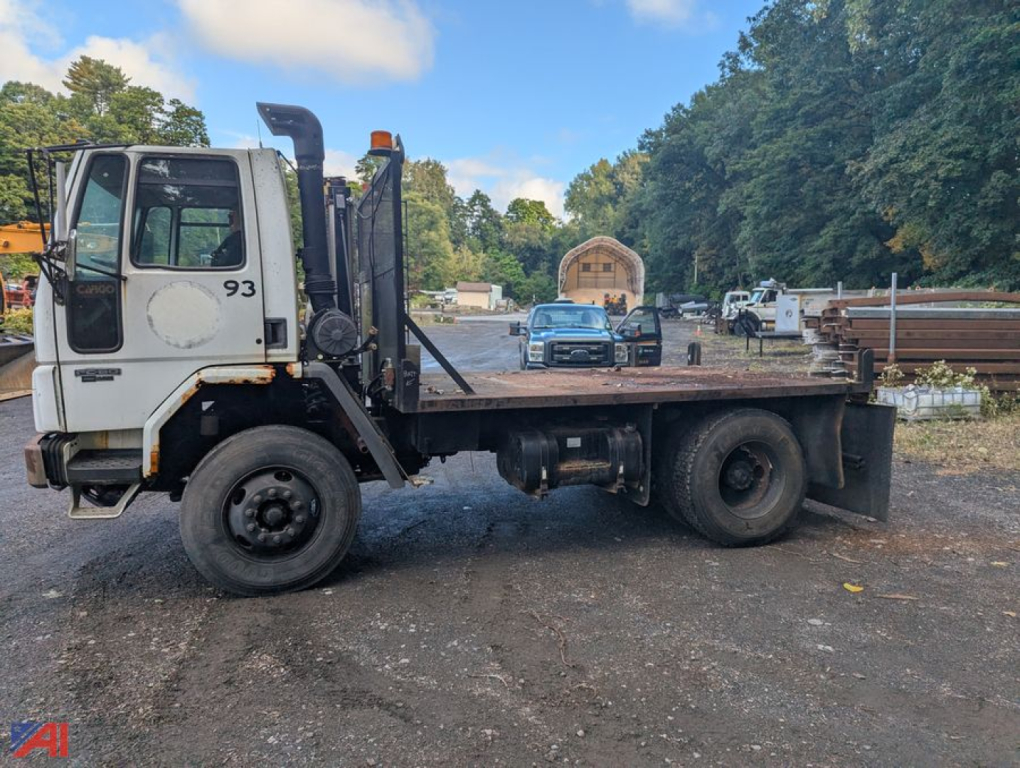
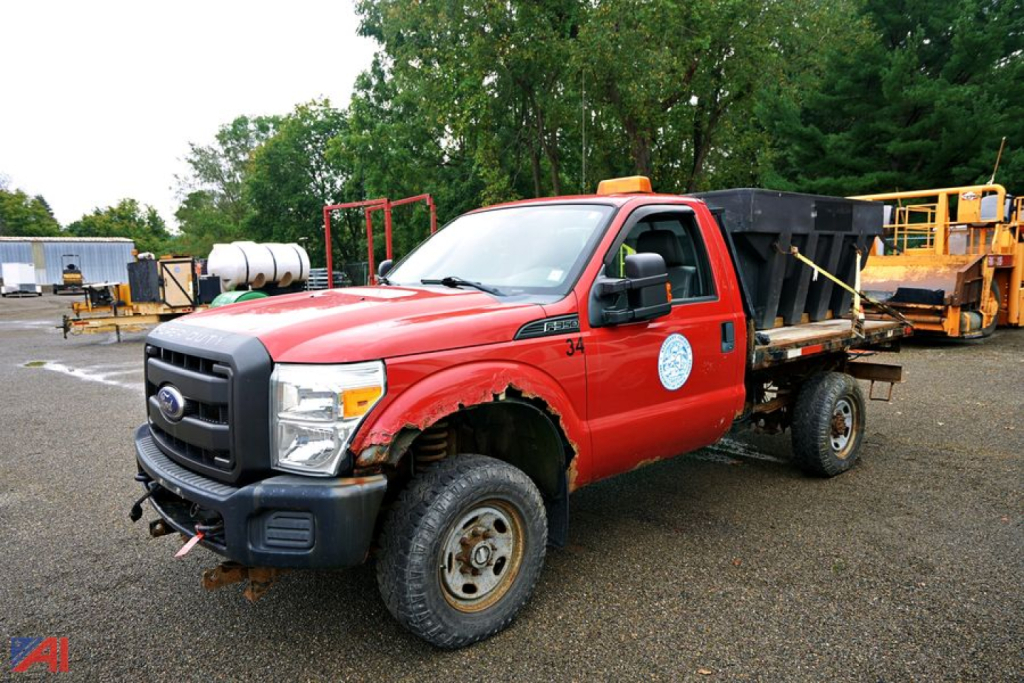
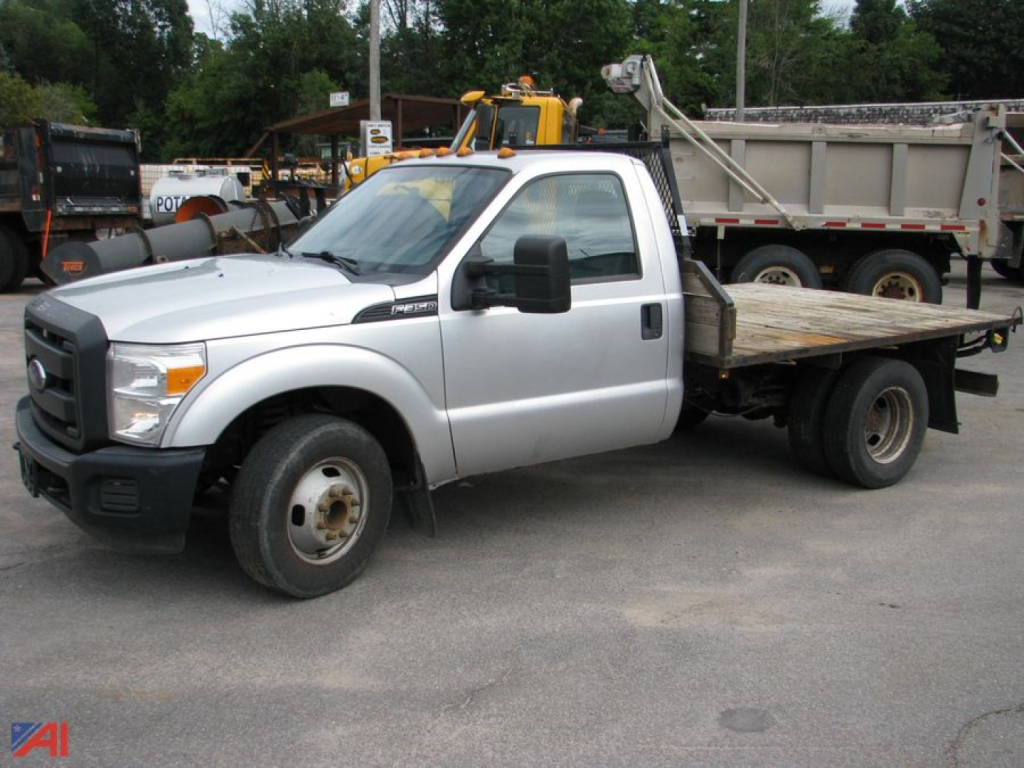
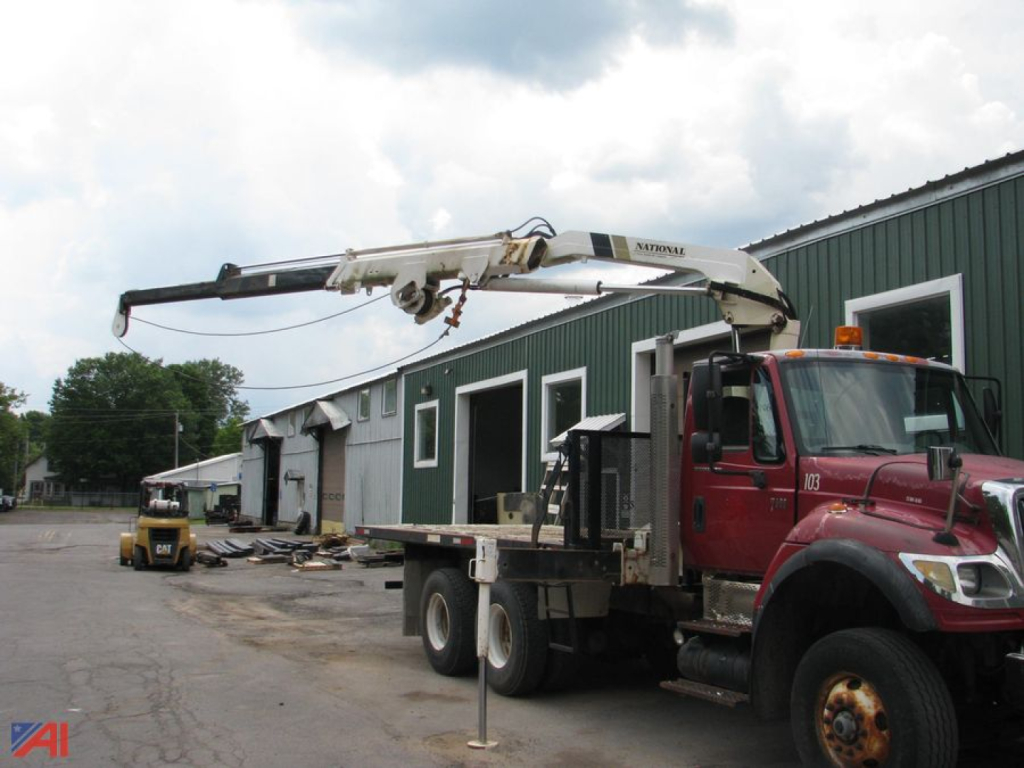
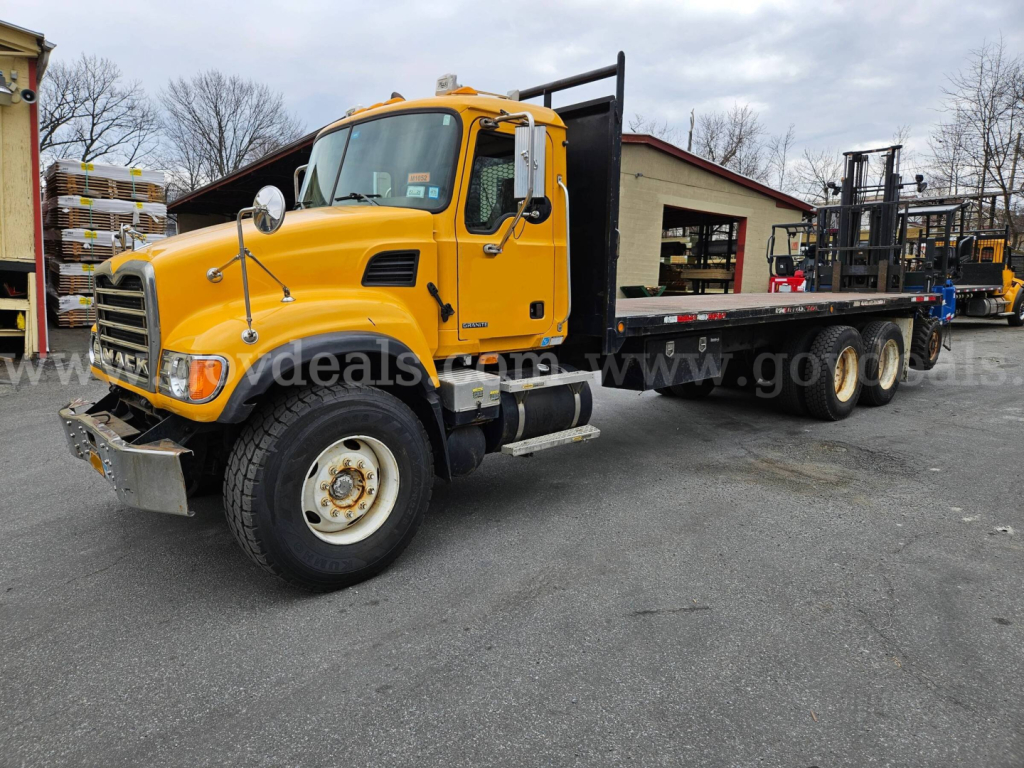
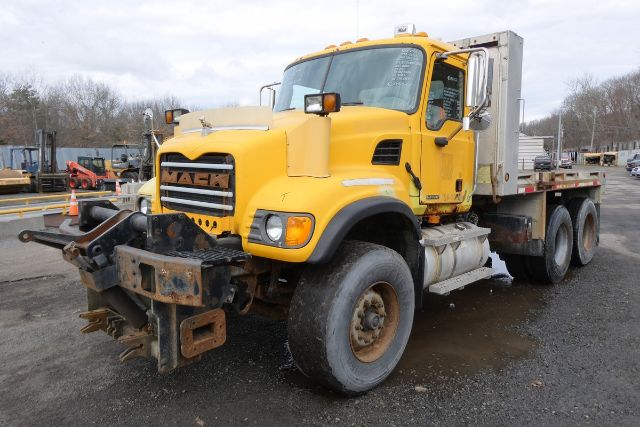
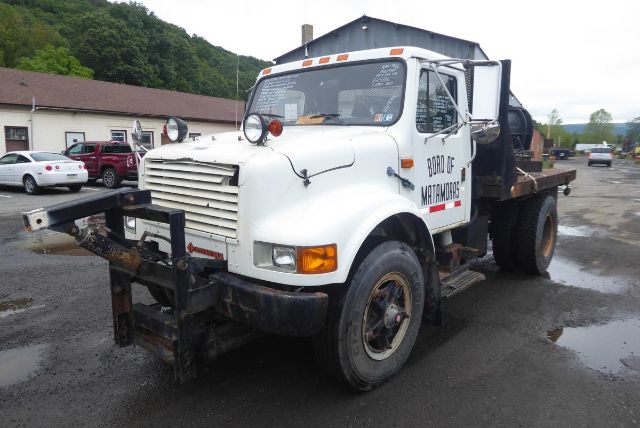
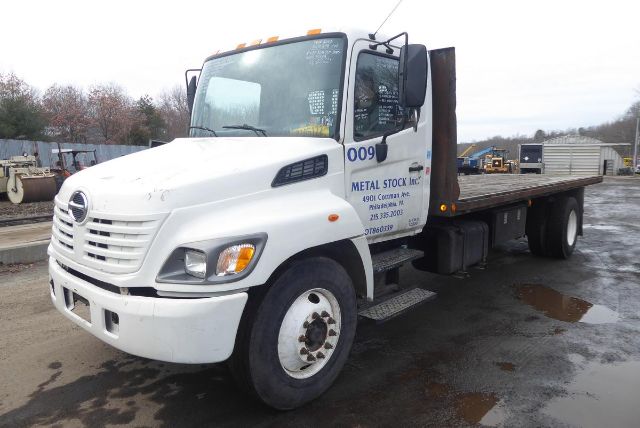
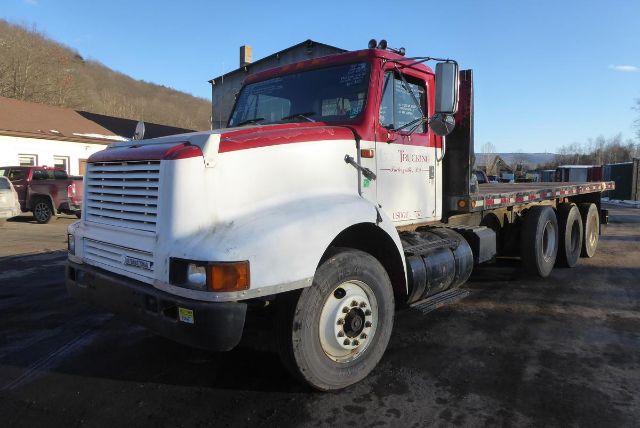
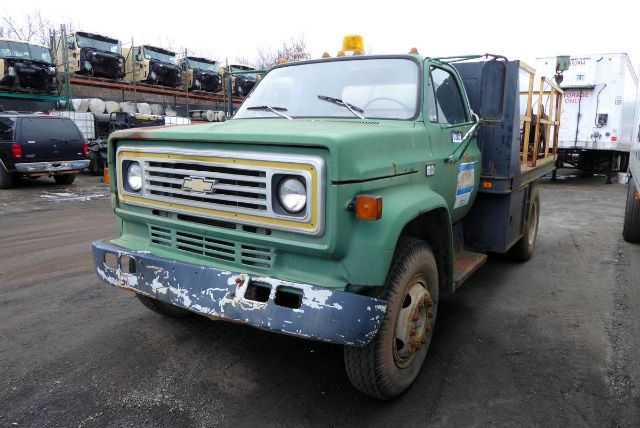
Selling a flatbed truck? List your flatbed truck for sale and reach thousands of commercial buyers.
Flatbed Trucks in New York
Tare weight drives payload and fuel cost. Aluminum decks and crossmembers reduce body weight by several hundred pounds, increasing legal payload and improving maneuverability, but require attention to galvanic isolation where aluminum meets steel. All steel bodies carry more weight in the build, they excel in impact and abrasion service like scrap and masonry. A hybrid approach is common, steel main rails for stiffness with aluminum deck for weight savings. For New York winters and road salt, prioritize hot dip galvanized or epoxy primed and powder coated bodies, sealed electrical harnesses with heat shrink connectors, stainless or zinc nickel hardware, and undercoating on the chassis. Toolboxes should be aluminum or stainless with automotive bulb seals, look for drip rails and rivetless doors to keep chains and binders dry.
Chassis selection should match route density and legal loads. Single rear axle 4x2 units with 18 to 22 foot bodies suit urban delivery and tight borough streets, tandem 6x4 with 22 to 26 foot bodies suits heavier payloads and bridge law balance. Air suspension protects sensitive freight and ride quality, multi leaf spring offers simplicity and cost control. Axle ratings and frame RBM must align with body and crane or forklift packages, confirm PTO availability if adding a hoist or auxiliary hydraulics. Air disc brakes shorten stops in wet conditions, automatic traction control and differential locks help on jobsites. Wheelbase and cab to axle must match body length and turning circle goals, a shorter wheelbase improves city maneuvering but can limit body length and toolbox space.
Securement and productivity features separate an average flatbed from a great one. Continuous winch track with 4 inch winches on at least one side speeds tie down, stake pockets on 24 inch centers with heavy rub rails add flexibility, and an aluminum or steel headache rack with chain trays keeps gear organized. Coil racks, beveled dunnage, corner protectors, and tarp kits, manual or electric, reduce damage and time on the curb. Bulkheads should be rated and properly mounted to the chassis frame, not only the body. Lighting should be sealed LED with grommets and Deutsch connectors for longevity, reflective conspicuity tape kept intact. For winter work in New York, add grit friendly deck finishes, periodic washing to remove salt, and dielectric barriers between dissimilar metals to fight corrosion over the life of the truck.
Frequently Asked Questions about Flatbed Trucks in New York
What deck material is best for New York winters?
For frequent salt exposure and freeze thaw cycles, steel tread plate offers maximum abrasion resistance and grip, it needs quality coating like hot dip galvanizing or epoxy primer plus powder topcoat to fight rust. Aluminum plank reduces tare and does not rust, it still needs isolation from steel to prevent galvanic corrosion and a traction surface for icy conditions. Hardwood such as apitong or white oak gives good grip and impact absorption, it should be sealed and maintained to prevent moisture intrusion and checking.
How much payload can a flatbed truck legally carry in New York?
Payload depends on GVWR, axle ratings, and body weight. A typical Class 7 33,000 GVWR 4x2 with an aluminum body may net 12,000 to 14,000 pounds of payload, the same truck with a steel body may net several hundred pounds less. Tandem Class 8 6x4 trucks can net 18,000 to 25,000 pounds or more depending on spec. Federal bridge law limits apply, New York follows federal 80,000 pound maximum on interstates without special permits, always verify axle group spacing and individual axle ratings to avoid citations.
What securement features should I look for on a flatbed truck body?
Continuous winch track with properly rated winches, stake pockets on 24 inch centers, heavy duty rub rails, and multiple chain tie downs provide flexibility. A rated bulkhead and headache rack protect the cab and offer chain and strap storage. Coil bunks or racks, beveled hardwood dunnage, and corner protectors help manage specialized loads. Look for sealed toolboxes for binders and tarps, and confirm FMCSA securement compliance with the correct number and working load limits for your typical freight.
How can I minimize corrosion with year round New York road salt exposure?
Select bodies with hot dip galvanized subframes or epoxy primer plus powder coat, sealed LED lighting with heat shrink connectors, and stainless or zinc nickel hardware. Add undercoating to chassis rails and crossmembers, isolate aluminum from steel with non conductive barriers, and wash regularly, especially the underside and behind toolboxes. Touch up chips promptly and keep drain holes clear so water and brine do not sit against the metal.
What wheelbase and body length work best for city deliveries?
For tight urban routes, a 4x2 chassis with an 18 to 22 foot body keeps overall length and turning circle in check, often under 250 inches wheelbase. Shorter wheelbases improve maneuverability but reduce deck and storage space, so balance turning needs with payload and toolboxes. For heavier loads or a forklift mounting kit, a tandem with a 22 to 24 foot body may be necessary, accept the larger turning radius and plan routes accordingly.