
2001 Commercial Trucks For Sale in New York
Browse 2001 trucks for sale in New York, including day cabs, box trucks, and cab & chassis models for local delivery, vocational, and fleet use.
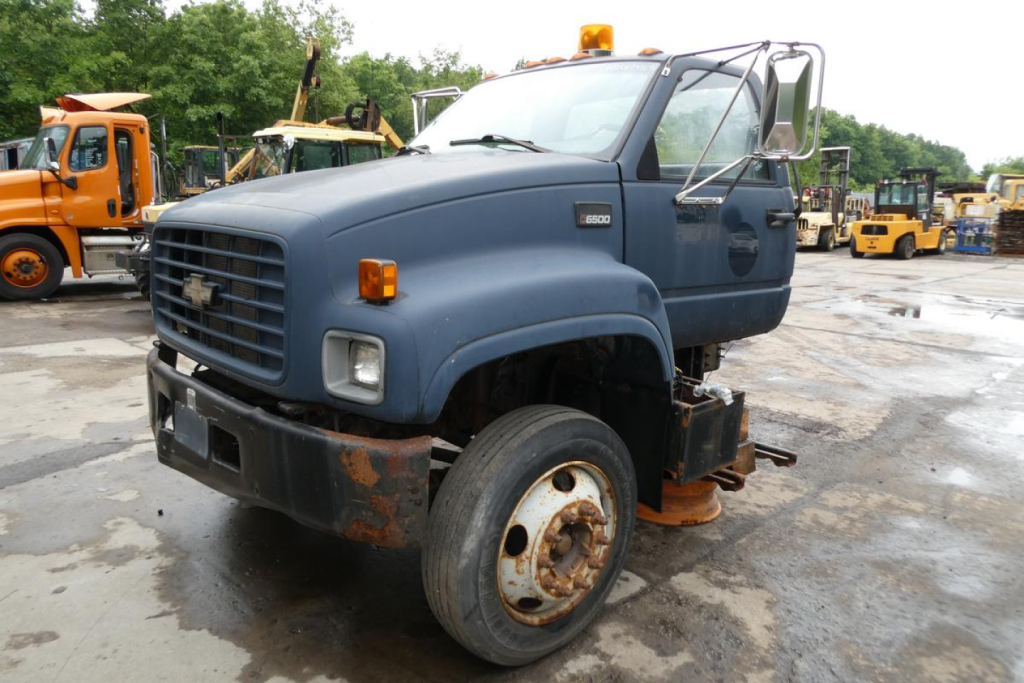
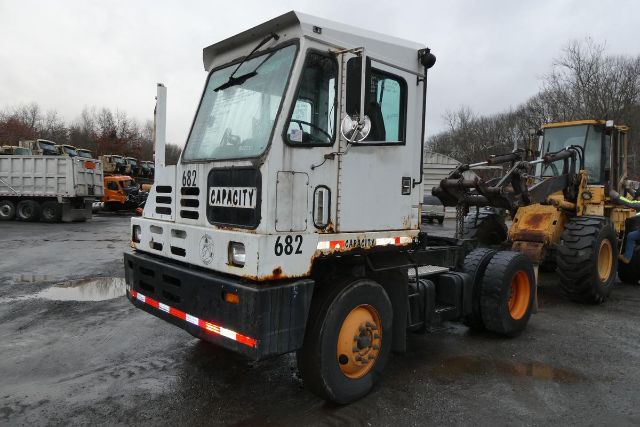
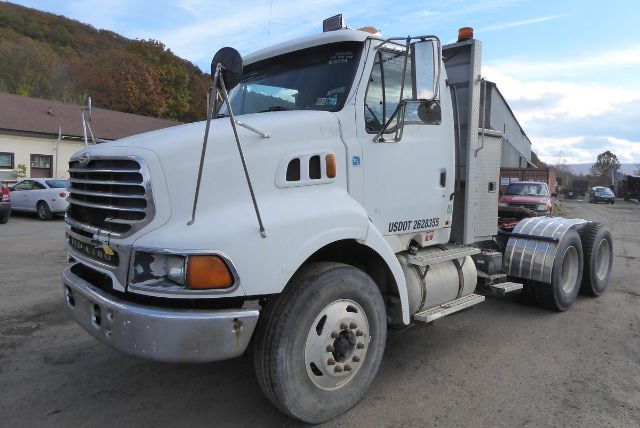
Selling a 2001 commercial truck? List your 2001 commercial truck for sale and reach thousands of commercial buyers.
2001 Commercial Trucks in New York
For medium-duty and heavy-duty 2001 trucks, engine and transmission choices matter more than cosmetics. Common spec points include diesel engines in the medium-horsepower range, manual or automated manual transmissions, single-axle 4x2 layouts, and spring or air ride suspensions depending on the job. Box truck buyers should confirm body length, door opening dimensions, floor condition, liftgate status, and cab-to-axle measurement to make sure the truck actually fits the freight and dock environment. Day cab and cab & chassis buyers should pay attention to rear axle ratio, fifth wheel or upfit readiness, frame condition, and front and rear axle ratings. On older trucks in New York, corrosion on frames, crossmembers, brake components, electrical connections, and cab mounts deserves a thorough inspection.
A 2001 model year also changes the maintenance conversation. These trucks are old enough that miles alone do not tell the whole story. Engine hours, cold-start behavior, blow-by, transmission engagement, suspension wear, brake condition, steering play, and evidence of previous frame or body repairs often matter more than odometer reading. Many buyers specifically seek pre-DPF equipment because of its simpler emissions profile, but that benefit only helps if the truck has been maintained properly and can still pass the inspections required for its operating area and use case. Registration class, CDL implications, bridge law considerations, and local routing restrictions can all affect what makes sense in New York.
The best 2001 truck purchase is usually the one with the right spec for the work, not the cheapest sticker price. A low-cost day cab with the wrong ratio or wheelbase can be less useful than a properly set up higher-priced unit. The same is true for box trucks where body condition, roll-up door function, roof integrity, and floor strength directly affect revenue. Buyers comparing 2001 trucks should focus on intended payload, trailer type, annual miles, parts support, and how much reconditioning the chassis or body will need before it can go straight to work.
Frequently Asked Questions about 2001 Commercial Trucks in New York
What should I inspect first on a 2001 used truck?
Start with frame condition, rust, engine performance, transmission operation, brakes, steering, suspension, and electrical function. On a 2001 truck, corrosion and deferred maintenance can be more important than mileage. Check for fluid leaks, hard starts, excessive smoke, blow-by, worn spring pins or bushings, brake chamber and line condition, and signs of previous structural repair. If it is a box truck or cab and chassis, inspect the body mounts, floor, crossmembers, and upfit points as closely as the powertrain.
Are 2001 trucks a good choice for New York local work?
They can be, especially for buyers who need a lower-cost truck for short-haul, seasonal, farm, municipal, or private property use. The key is matching the truck to the job and confirming it can meet inspection, registration, and route requirements in New York. A 2001 truck may appeal to buyers who want a simpler diesel platform without later emissions components, but it still needs to be evaluated for roadworthiness, parts availability, and total repair cost before purchase.
What specs matter most when comparing 2001 box trucks and day cabs?
For a 2001 box truck, pay closest attention to GVWR, wheelbase, cab-to-axle, body length, rear door opening, floor condition, and liftgate operation. For a 2001 day cab, key specs are engine horsepower, transmission type, rear axle ratio, suspension type, axle ratings, fifth wheel setup, and frame length. Those details determine how the truck will perform in city delivery, regional hauling, or vocational service far more than the badge on the hood.
Is mileage less important on a 2001 truck?
Mileage still matters, but on a truck this age it should be weighed alongside engine hours, service records, idle time, and overall mechanical condition. Two 2001 trucks with similar odometer readings can have very different levels of wear depending on maintenance, duty cycle, and storage conditions. A careful inspection and, when possible, a diagnostic review or oil sample can reveal more than the odometer by itself.
Why do buyers still shop for 2001 pre-emissions trucks?
Many buyers like 2001 trucks because they are generally from the pre-DPF era, which can mean fewer emissions-related components and a more straightforward maintenance profile. That simplicity can be attractive for owner-operators, farms, and small fleets with in-house repair capability. The tradeoff is age-related wear, possible parts obsolescence on certain components, and the need for a more disciplined inspection before the truck is put into service.