
2001 Commercial Trucks For Sale
2001 trucks with pre-emissions power and proven drivetrains. Compare engines, axles, ratios, suspensions, and compliance considerations before you buy.
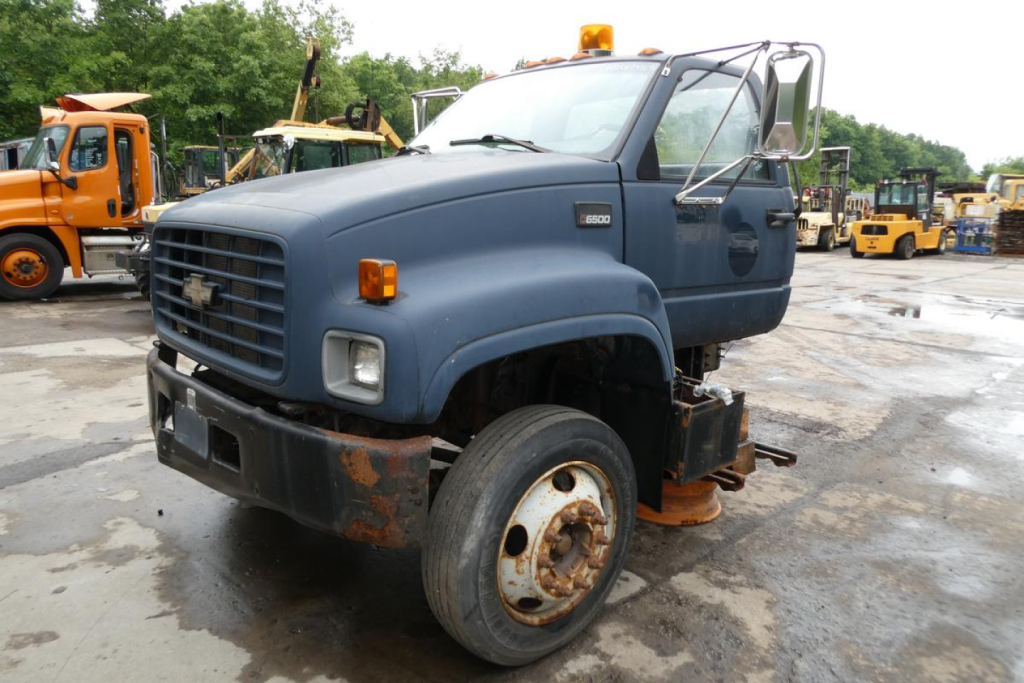
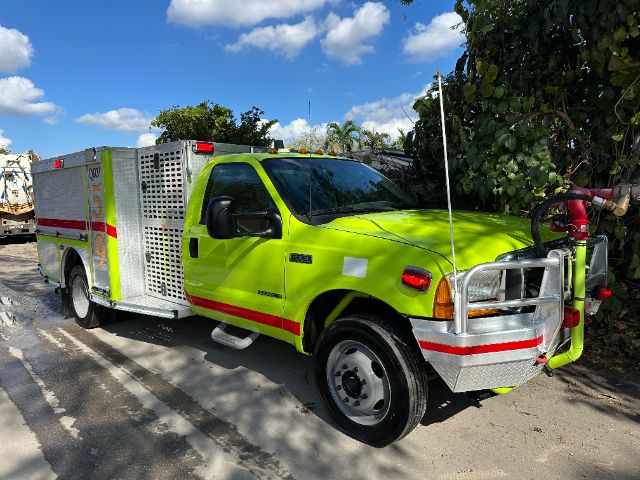
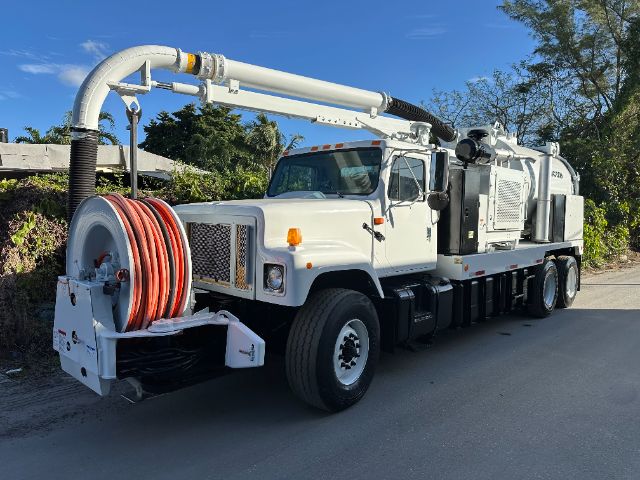
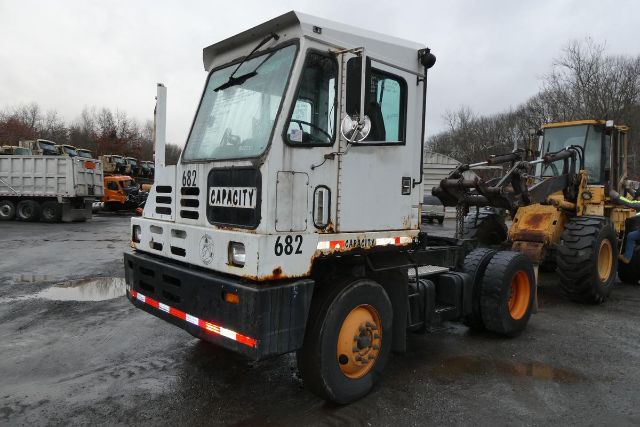
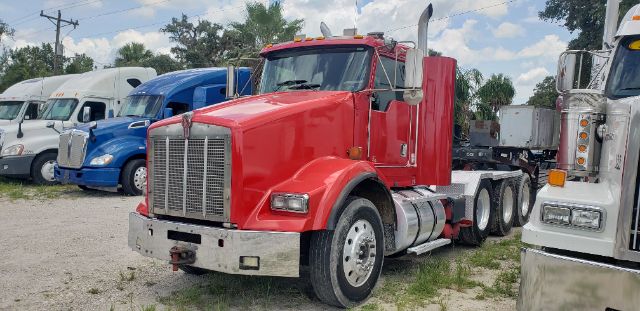
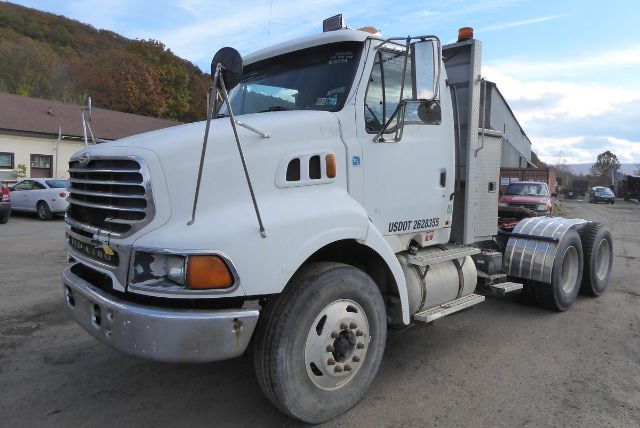

Selling a 2001 commercial truck? List your 2001 commercial truck for sale and reach thousands of commercial buyers.
2001 Commercial Trucks
Transmission and axle choices in 2001 are straightforward and proven. Eaton Fuller 10, 13, and 18 speed manuals dominate highway tractors, with Allison automatics common on vocational and medium duty units. Rear axles are typically 40k or 46k with ratios from the high 3s to mid 3s depending on terrain and cruise speed. Air ride drives smoothly and protects freight, while Hendrickson beam or multi-leaf springs are favored for severe duty. Brakes are primarily drums with ABS, and safety tech is basic compared to modern trucks. Sleeper options range from compact 42 to 48 inch bunks up to 70 inch condos, while day cabs focus on visibility and maneuverability.
Applications span class 8 over-the-road tractors, regional day cabs, and straight trucks also known as box trucks, flatbeds, dumps, mixers, and roll-offs. For heavy vocational work, look for double-frame or heavy single-frame rails, 18k to 20k front axles, 40k to 58k rears, crossmember condition, and factory PTO provisions. Medium duty 2001 platforms often run Caterpillar 3126, Cummins ISB or ISC, and International DT466E, paired with Allison 2000 or 3000 series automatics. Verify GVWR for CDL implications, brake type air vs hydraulic, and body specs like box length, door type, liftgate capacity, and reefer hours if applicable. Tire size, wheelbase, and kingpin setting influence turning radius and bridge compliance.
Compliance and inspection drive the buy decision on an older truck. Many 2001 engines face restrictions in California and certain ports, so verify state and municipal rules before committing. A thorough pre-buy should include an ECM download, cold start and blow-by check, oil and coolant analysis, charge air cooler pressure test, radiator evaluation, and a chassis inspection for rust, cracks, and bushing wear. Confirm clutch life, synchros on manuals, and reman history on Allisons. Match rear ratio to your route and target road speed based on transmission overdrive and tire revs per mile to keep cruise rpm in the engine’s sweet spot without lugging. Parts support remains strong for Detroit, Cummins, Cat legacy engines and for Eaton and Meritor axles, though trim and cab electronics may require aftermarket or reman solutions.
Frequently Asked Questions about 2001 Commercial Trucks
Are 2001 trucks considered pre-emissions, and what are the trade-offs?
Most 2001 trucks are pre-EGR and do not use DPF or DEF. Advantages include simpler systems, easier roadside service, and generally lower operating costs. The trade-off is age related wear, so plan for injector and turbo work, potential in-frame overhauls, cooling system refresh, and electrical harness repairs. Emissions compliance can also limit where the truck can legally operate, especially in California and some metro areas.
Can I run a 2001 truck in California or port drayage work?
California’s Truck and Bus rule restricts older engines for most uses unless the engine has been upgraded to 2010 emissions or the unit qualifies for a narrow exemption. Many ports require 2007 or 2010 engines. Always verify current CARB and local rules, and check any fleet reporting requirements. Out-of-state operation is typically less restrictive but confirm regional regulations before purchase.
What engines and transmissions are common in 2001 heavy duty trucks, and what should I look for?
Detroit Series 60 12.7, Caterpillar 3406E or early C15 6NZ, and Cummins N14 or early ISX CM570 are prevalent, often paired with Eaton Fuller 10, 13, or 18 speed manuals. Look for documented in-frame or top-end work, injector and turbo health, dry cooling stacks, and clean ECM history. On vocational or medium duty units, Caterpillar 3126, Cummins ISB and ISC, and International DT466E show up frequently with Allison automatics. Confirm PTO capability, retarder or Jake brake function, and service records.
What axle ratio should I choose for highway use on a 2001 semi truck?
Match ratio to terrain, transmission overdrive, and tire size. With 22.5 tires and an overdrive around 0.73 to 0.78, 3.36 to 3.55 works well for flatter routes and 65 to 70 mph cruise, while 3.70 to 3.90 offers better grade performance at the cost of higher rpm. Keep cruise rpm in the engine’s efficient band and avoid excessive lugging to maintain cooling and drivetrain life.
How should I evaluate a 2001 truck before purchase?
Start with an ECM download to review miles, hours, idle percentage, overspeed events, and fault history. Perform oil and coolant analysis, a cold start and blow-by check, and a road test through all gears. Pressure test the charge air cooler, inspect the radiator and fan hub, and check for frame rust, crossmember cracks, suspension bushing wear, brake lining life, and tire age. Verify electrical grounds, lighting harnesses, HVAC performance, and any PTO or hydraulic system under load.