
Refrigerated Trucks For Sale in New York
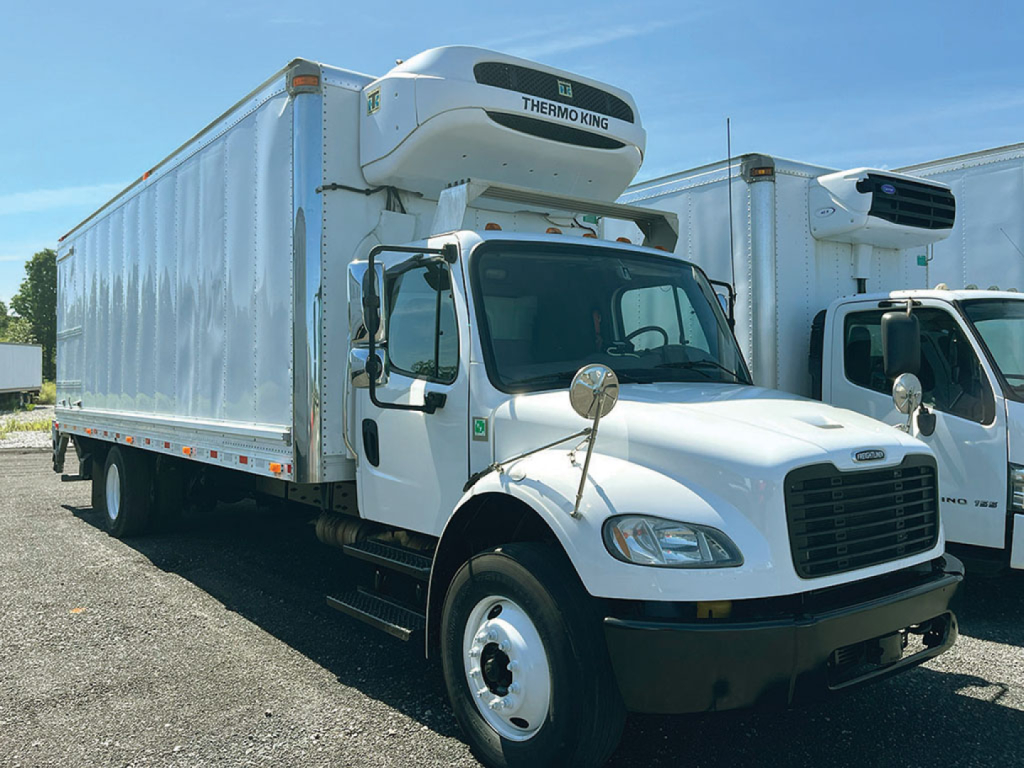
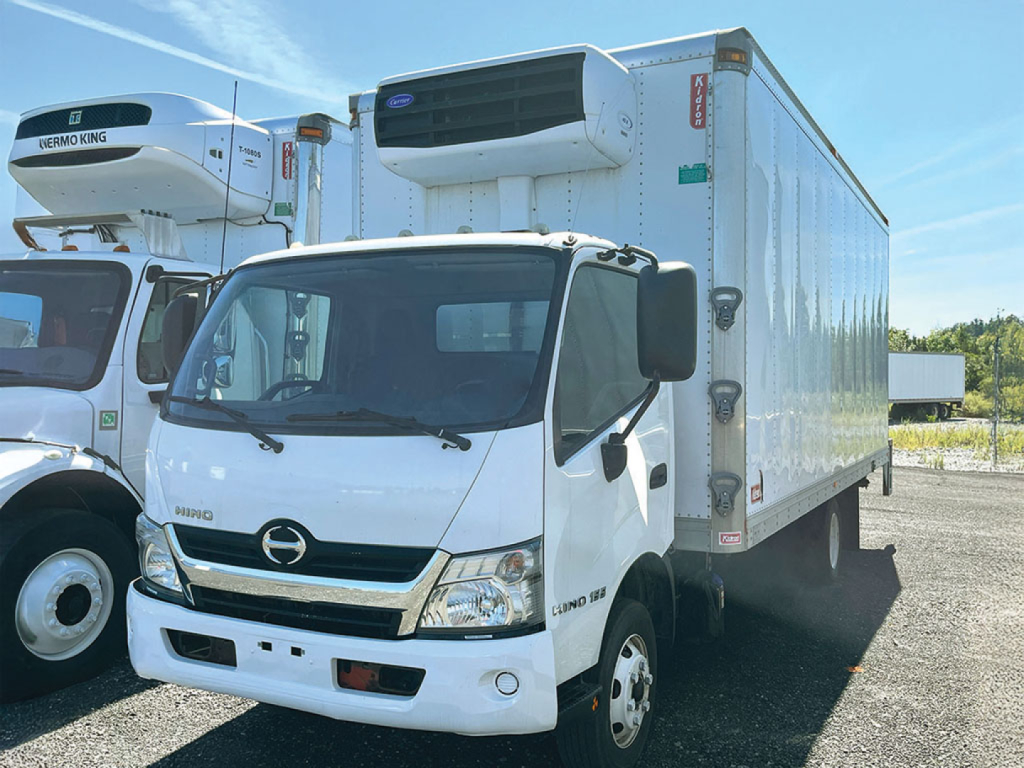
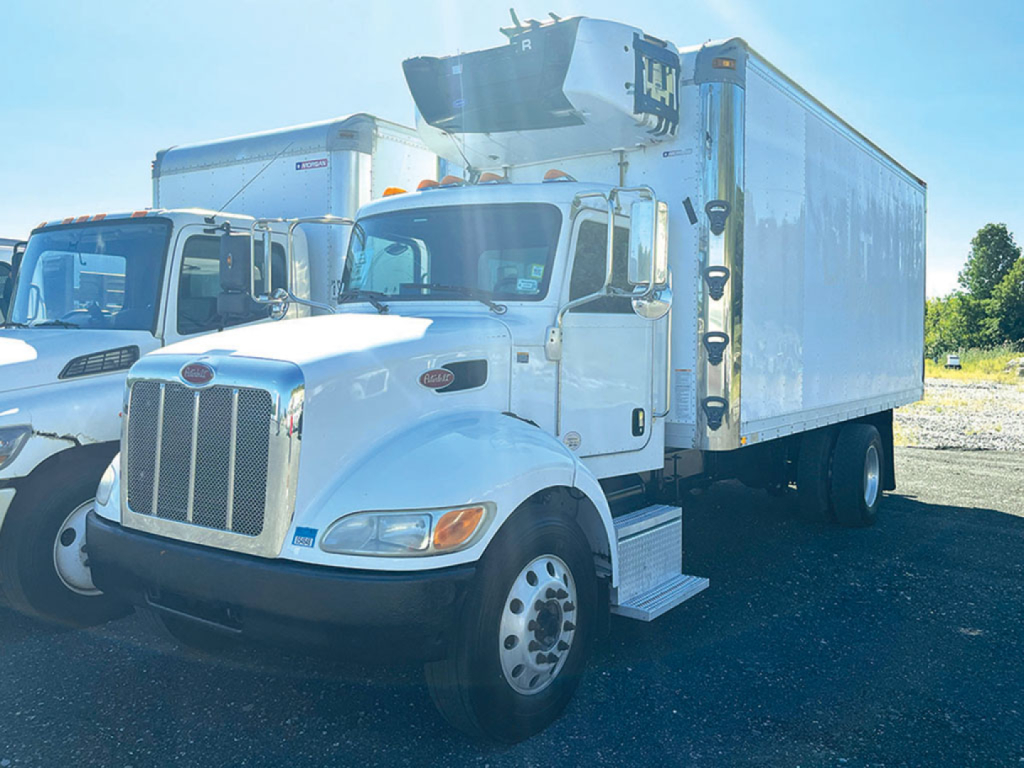
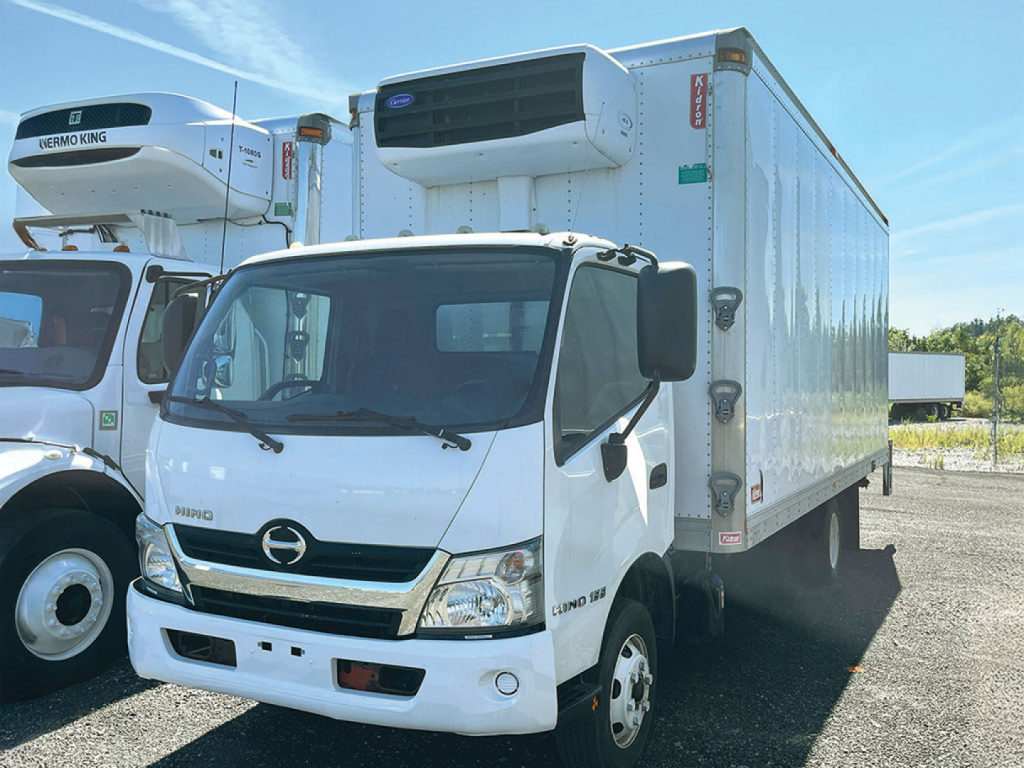
Browse refrigerated trucks for sale in New York, including reefer straight trucks with insulated bodies, liftgates, side doors, and diesel cooling units.

Have refrigerated truck to sell? List it here to reach thousands of buyers.
Refrigerated Trucks in New York
The body and refrigeration package matter as much as the chassis. Buyers should pay close attention to insulation quality, duct floor design, scuff liners, stainless rear door frames, side access doors, and rear ramps or liftgate compatibility. A good reefer body should hold temperature evenly, resist moisture intrusion, and stand up to repeated washdowns and dock contact. Refrigeration units may be diesel-powered self-contained systems or engine-driven setups, and the right choice depends on how often the truck makes stops, how long it idles at delivery points, and whether the route demands frozen capacity, cooler-only service, or multi-temp flexibility. Reefer unit hours are just as important as truck miles, and service records for the unit can tell you as much as engine maintenance history.
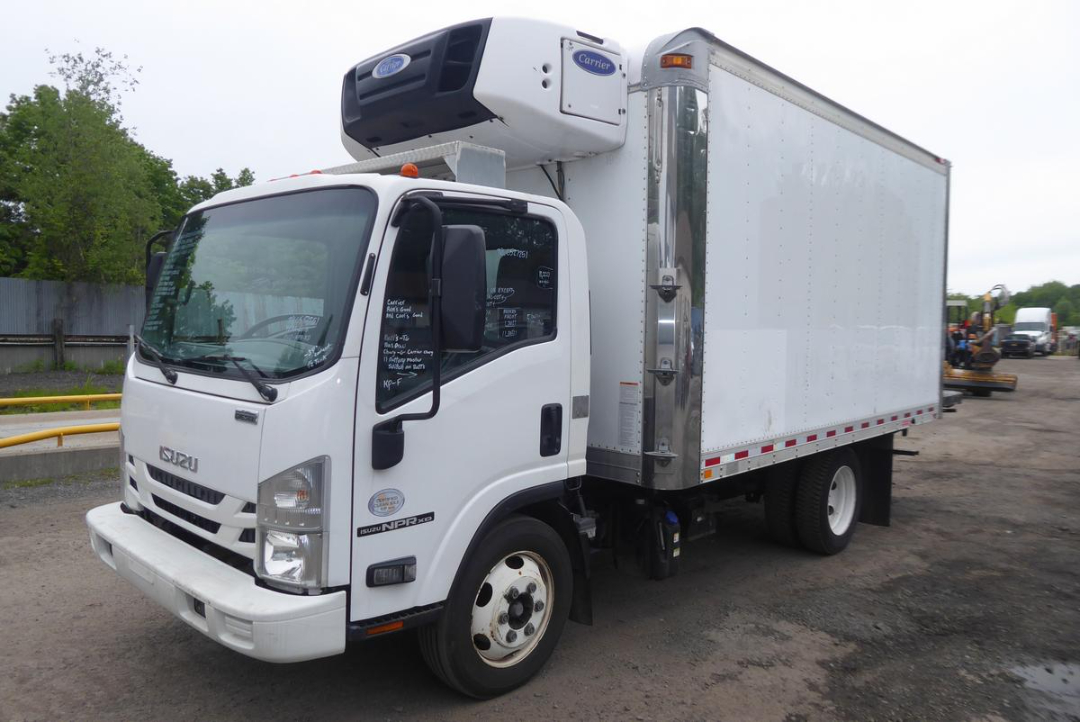
On the chassis side, this category commonly includes single-axle trucks with automatic transmissions, diesel engines in the 200 to 260 horsepower range, and GVWRs suited for city and regional delivery. Cabovers like Isuzu and Hino are popular where turning radius, dock access, and parking are tight. Conventional models such as the Freightliner M2 offer more wheelbase options and often support longer bodies and higher payloads. In New York, bridge law, local weight limits, low-clearance routes, and stop-and-go traffic all affect the right spec. Wheelbase, rear axle ratio, suspension type, brake setup, and tire size should match the route density and payload, not just the body length. If the truck will spend its day in borough traffic, maneuverability and door access can outweigh raw capacity.
A smart reefer truck purchase starts with temperature performance, then moves to operating cost. Confirm pull-down time, return air temperature stability, door seal condition, floor condition, and any evidence of panel delamination or water damage. Check for clean evaporator and condenser service history, unit start-up behavior, and compliance with current emissions requirements if the refrigeration unit has its own diesel engine. Buyers comparing listings should also look at box dimensions, door opening size, inside height, and cargo handling features that affect real delivery efficiency. The best refrigerated truck is the one that protects product, fits the route, and keeps uptime predictable through heavy stop-and-start use.
Frequently Asked Questions about Refrigerated Trucks in New York
What should I check first when buying a used refrigerated truck?
Start with the refrigeration system and the insulated body, not just the chassis mileage. Confirm that the unit reaches and maintains the target temperature, review reefer service records, and compare engine hours on the refrigeration unit to the truck's use. Inspect door seals, body panels, floor condition, drain paths, and signs of water intrusion or insulation breakdown. A reefer truck with a sound engine but a weak box or poorly maintained unit can become expensive very quickly.
What body length is most common for refrigerated straight trucks?
Common refrigerated truck body lengths typically run from about 14 feet to 26 feet. Shorter 14-foot to 16-foot bodies are common on cabover chassis for urban food and beverage delivery, while 20-foot to 26-foot bodies are more common for regional delivery, grocery routes, and higher-volume applications. The best length depends on dock access, route density, payload needs, and the turning space available at delivery points.
Is a cabover or conventional chassis better for a reefer truck in New York?
Cabover refrigerated trucks are often a strong fit for New York because they offer a tighter turning radius, shorter overall length for a given body size, and easier maneuvering in city traffic and alley-style dock areas. Conventional chassis can be the better choice for longer suburban or regional routes where ride quality, service access, and support for longer bodies matter more. The decision usually comes down to route environment, not just driver preference.
How important are reefer unit hours on a refrigerated truck?
Reefer unit hours are critical because they show how much the refrigeration system has actually worked, independent of truck miles. A truck with moderate chassis miles can still have high refrigeration hours if it spent years on multi-stop delivery routes with long run times. High hours are not automatically a problem if maintenance is documented, but they should factor into expected repair costs, resale value, and how soon major unit service may be needed.
What features make a refrigerated truck body more durable for delivery work?
Durability usually comes from a combination of insulated wall construction, heavy-duty duct flooring, stainless steel door frames, scuff liners or scuff plates, quality roll-up or swing doors, and well-sealed side access openings. These features help the body resist pallet impact, repeated dock contact, washdown moisture, and temperature loss during frequent stops. For high-cycle delivery work, body condition often has a direct effect on both cargo protection and reefer efficiency.