
1999 Commercial Trucks For Sale in New York
Browse 1999 trucks for sale in New York. Compare cab and chassis, day cabs, vocational specs, wheelbases, drivetrains, and axle ratings.
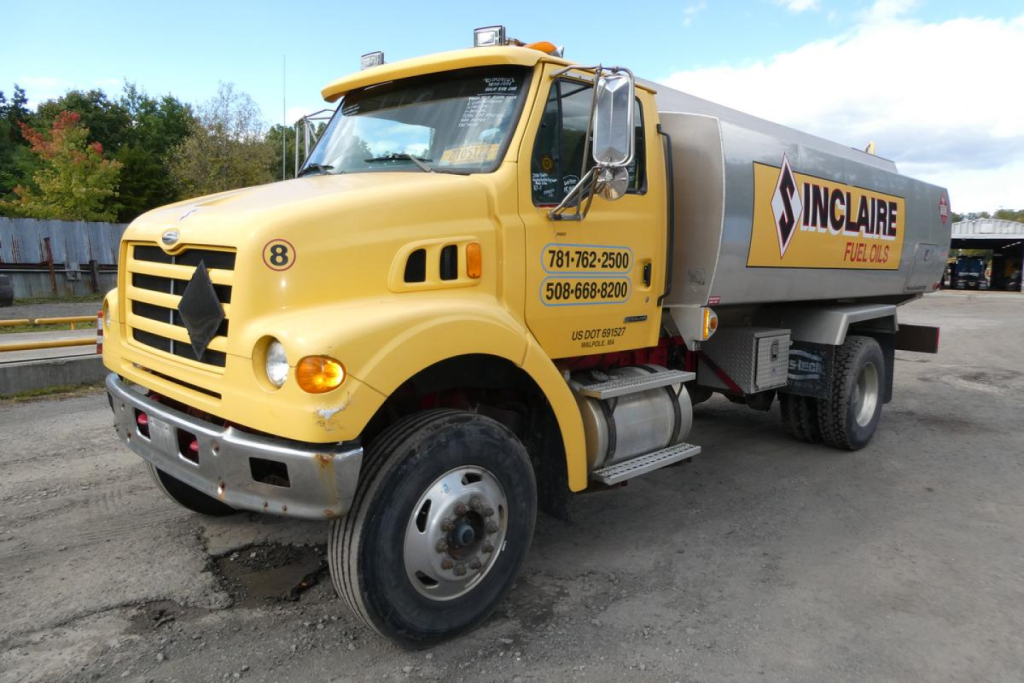
1999 Sterling L7500
Selling a 1999 commercial truck? List your 1999 commercial truck for sale and reach thousands of commercial buyers.
1999 Commercial Trucks in New York
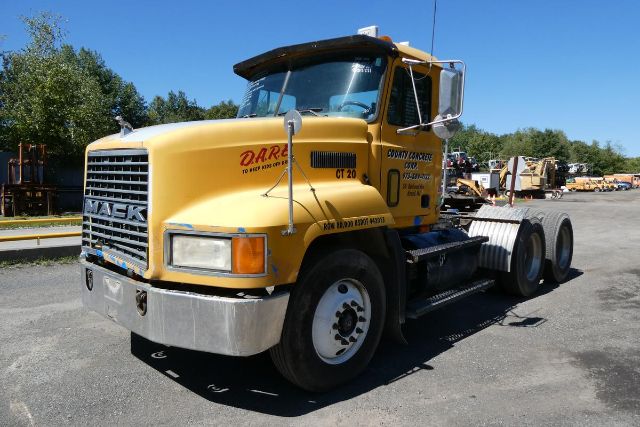
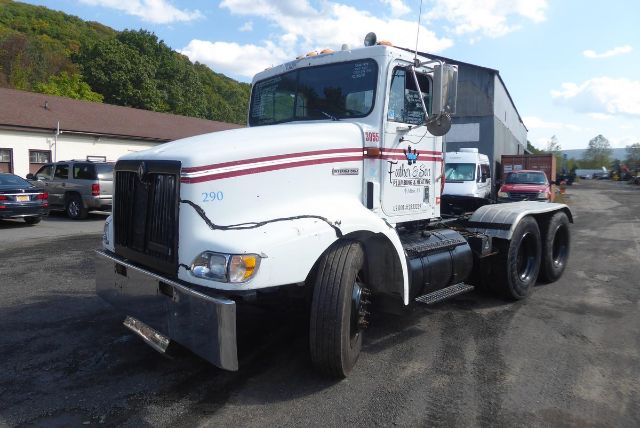
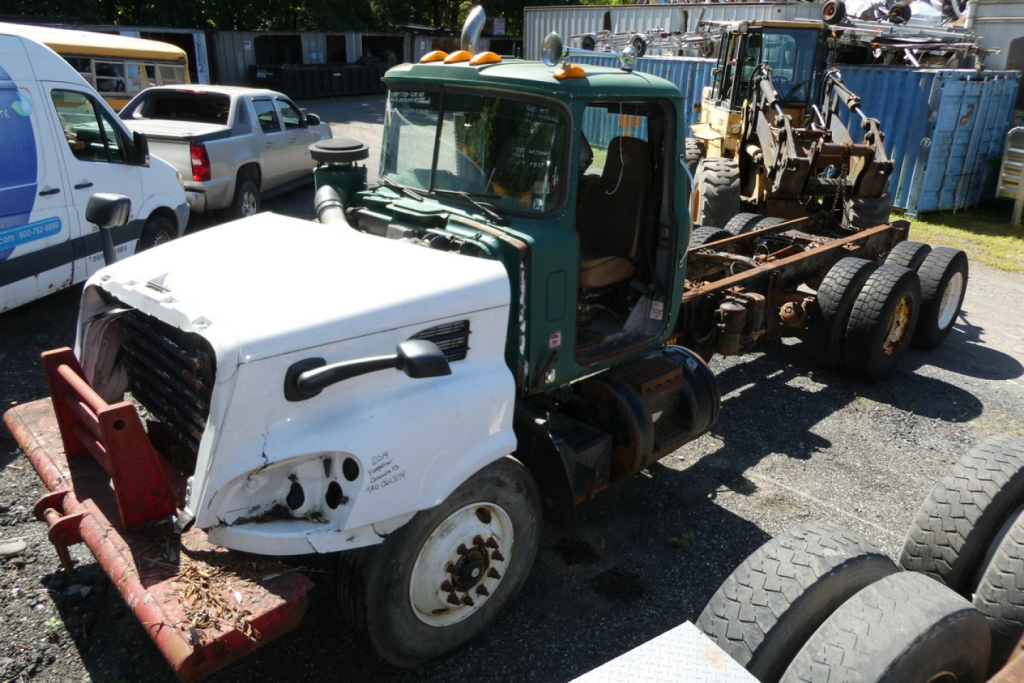
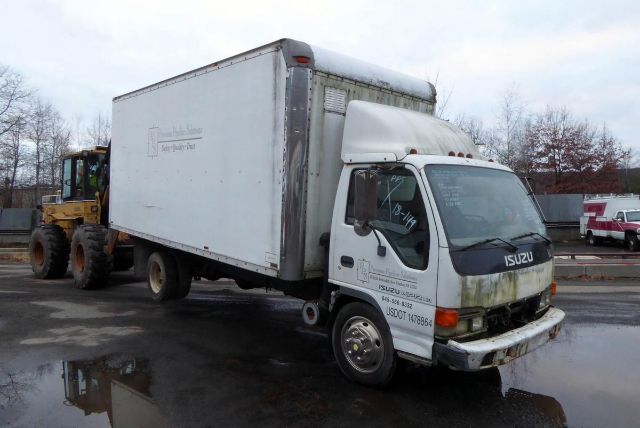
For New York buyers, rust and corrosion deserve close attention. A 1999 truck that spent years on Northeast roads may show scale on crossmembers, spring hangers, brake hardware, cab mounts, wiring connections, and fuel tank straps. On cab and chassis trucks, check frame flange condition carefully if the truck previously carried a body or auxiliary equipment. Wheelbase and cab-to-axle dimensions are especially important in this year range because many buyers are shopping for a truck to mount a dump body, van body, hooklift, rollback, or service body. Front axle ratings in lighter applications may fall around 10,000 to 12,000 pounds, while tandem rears often range from 34,000 to 40,000 pounds depending on suspension and intended use. Gear ratios can vary widely, and that choice will affect launch performance, road speed, and how well the truck fits city work versus regional hauling.
Powertrain expectations for a 1999 truck are different from late-model equipment. Manual transmissions are common, including 9-speed, 10-speed, and heavy vocational setups, and many trucks from this period use steel wheels, spring suspensions, and straightforward air brake systems. Engines may be fully mechanical or early electronic diesels depending on make and configuration. Buyers should verify horsepower, torque, transmission model, rear axle ratio, and suspension type against the job. A truck used for stop-and-go vocational work may benefit from shorter gearing and heavier suspension, while a highway-oriented day cab will usually favor a more road-friendly ratio and air ride. On any older truck, pay attention to blow-by, cold-start behavior, clutch feel, steering play, brake balance, driveline vibration, and evidence of oil or coolant contamination.
The best 1999 truck purchase is usually the one with the right spec and the cleanest underlying structure, not necessarily the lowest price. Cab and chassis buyers should measure for body length, verify PTO compatibility, and confirm frame drilling or reinforcements from prior upfits. Tractor buyers should compare wheelbase, fifth wheel setup, suspension capacity, and axle configuration. Parts support is still strong for many mainstream makes, but proprietary or obsolete components can slow repairs, so component identification is worth doing before purchase. If you are comparing several used 1999 trucks, focus on application fit first, then on corrosion, drivetrain integrity, and how easily the truck can be kept productive in your shop or service area.
Frequently Asked Questions about 1999 Commercial Trucks in New York
Are 1999 trucks a good choice for buyers who want simpler diesel equipment?
Yes, many 1999 trucks appeal to buyers who want less emissions complexity and more straightforward serviceability than newer models. Depending on make and engine, trucks from this year may have mechanical or early electronic diesel systems with fewer aftertreatment components than late-model units. That can reduce diagnostic complexity, but age still brings its own maintenance needs. Cooling systems, wiring, air systems, seals, and suspension parts should be inspected carefully because component wear can outweigh any simplicity advantage.
What should I inspect first on a 1999 truck in New York?
Start with rust, frame condition, and structural integrity. In New York and the broader Northeast, road salt can damage frame rails, crossmembers, spring hangers, cab supports, brake lines, and electrical connections. After that, inspect the engine for blow-by and fluid leaks, confirm transmission operation, check axle housings and suspension mounts, and look for uneven tire wear that may point to alignment or suspension problems. A strong older truck usually shows honest wear but not neglected corrosion or patchwork structural repairs.
What is the difference between a 1999 cab and chassis truck and a 1999 day cab tractor?
A 1999 cab and chassis truck is built to accept a body such as a dump, flatbed, box, hooklift, or utility body. A 1999 day cab tractor is set up primarily to pull a trailer using a fifth wheel and is common in local or regional hauling. The right choice depends on the job. Cab and chassis buyers need to focus on wheelbase, cab-to-axle measurement, PTO options, and frame layout. Day cab buyers should focus more on axle ratings, fifth wheel position, suspension type, and drivetrain gearing.
Are parts still available for 1999 trucks?
Parts availability is generally still good for many major truck brands and common drivetrain components, especially for brakes, suspension, steering, clutches, wheel ends, and common engine service items. Availability can become more difficult with cab trim, discontinued electrical components, or low-production engine and transmission variants. Before buying, it helps to identify the engine model, transmission model, rear axles, and any vocational equipment so you can confirm support through aftermarket suppliers, salvage channels, or OEM parts networks.
How important are axle ratio and wheelbase on a 1999 truck?
They are critical because they determine how the truck performs and what work it can realistically handle. Axle ratio affects startability, top road speed, fuel use, and drivability under load. Wheelbase affects turning radius, bridge law considerations, ride quality, and body fitment on a cab and chassis. On older trucks, the wrong spec is expensive to correct, so buyers should match ratio, axle capacity, and wheelbase to the intended application before worrying about cosmetic condition.